Aug 11, 2026
Wholesale Liposomal Vitamin C powder: What Buyers Need to Know
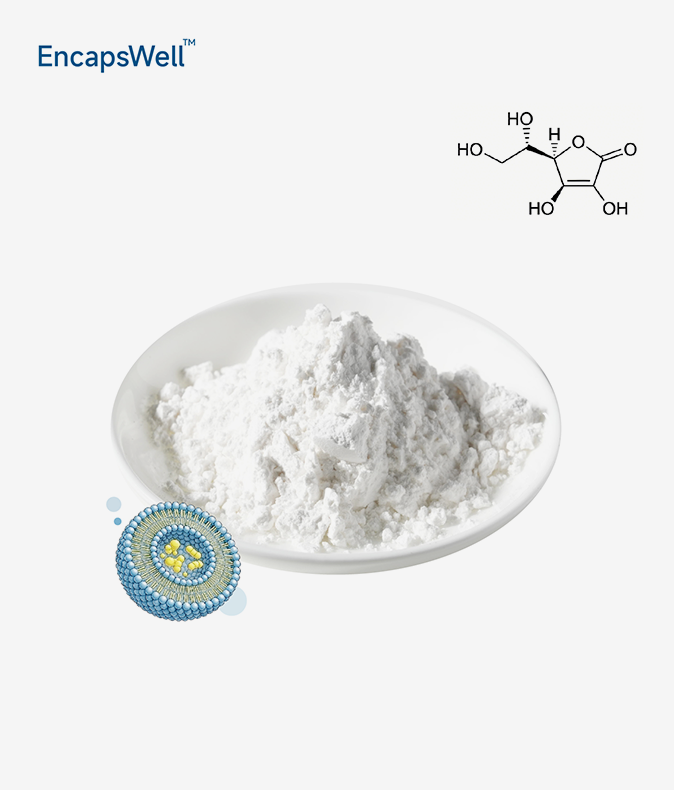
When sourcing ingredients for immune support formulations, antioxidant beverages, or beauty-from-within products, procurement managers need more than standard ascorbic acid. Liposomal Vitamin C powder represents a breakthrough in nutrient delivery technology, offering up to 8× superior bioavailability compared to traditional vitamin C forms. This advanced formulation addresses absorption limitations inherent in conventional supplements, making it particularly valuable for nutraceutical brands, functional beverage developers, and cosmetic supplement manufacturers who demand clinically meaningful results. Understanding the technical specifications, quality benchmarks, and sourcing strategies for this ingredient is essential for B2B buyers aiming to differentiate their product lines in competitive markets.
Understanding Liposomal Vitamin C Powder: Benefits and Mechanism
The main problem with regular vitamin C supplements is that they are hard for the body to absorb in the gut. Usually, ascorbic acid is taken in through saturable SVCT1 transporters in the gut. When these channels get too busy, they stop taking it in. Liposomal packaging technology is a clever biological way to get around this problem.
How Liposomal Encapsulation Works
Phospholipid bilayers, which are made up of non-GMO phosphatidylcholine from sunflower or soy lecithin, shape vitamin C molecules into tiny balls. This structure looks like the membranes of human cells, which lets the nutrients get around normal digestive pathways. When these nanoparticles reach the walls of the intestine, they fuse or endocytose with enterocyte membranes and deliver vitamin C into the lymphatic system before going into the bloodstream.
Through microfluidics and high-pressure homogenization, our EncapsWell™ tool can precisely measure the size of particles down to the nanometer level. This special method keeps the quality of vitamin C above 99.8%, with content differences between batches staying within ±2%. This level of stability is important when making thousands of units. The core-shell double-layer structure mixes phospholipids and cholesterol in the best amounts to make packets that stomach juice and digestive enzymes can't break down.
Clinical Advantages for Formulation Development
Bioavailability changes directly lead to better product performance. Independent laboratory tests show that liposomal delivery gets two times higher cellular uptake than regular ascorbic acid and that plasma vitamin C levels stay high for longer. This profile for sustained release helps a lot of different types of applications.
Immune-supporting goods work better when there are more white blood cells. Better proline and lysine hydroxylation is seen in collagen synthesis formulations. These are the biochemical steps where vitamin C is an important cofactor. Iron absorption aids use vitamin C's ability to change ferric iron to ferrous iron, which is easier for the body to absorb. Liposomal delivery makes this effect even stronger. Beauty companies that make nutricosmetics can back up their claims of effectiveness with changes that can be seen in antioxidant levels and skin collagen density.
Stability data supports the ability to make money. When stored properly, our formulations keep more than 95% of their potency for 24 months. This addresses the shelf-life worries that buying teams rightly have when they buy bulk ingredients.
Comparing Liposomal Vitamin C Powder with Other Forms
When purchasing managers look at product portfolios, they should know about the trade-offs that come with each format. Different delivery systems have different benefits based on how they are made, who they are aimed at, and how they place the finished product.
Powder vs. Capsule Formats
Liposomal Vitamin C powder gives you the most options for how to make your products. You can put it in custom sachets, effervescent pills, functional food matrices, or liquid mixes that don't work well with pre-encapsulated forms. This format works great for health drinks and beauty shots where customers want the product to dissolve quickly without leaving any residue.
The capsule formats are convenient and accurate for dosing, but they limit the ways that the product can be customized by a liposomal vitamin C manufacturer. Softgels that contain liposomal suspension combine the bioavailability of a liquid with the flexibility of a solid dose, but they need special tools to be encapsulated and stored that are kept at a constant temperature. People who don't like taking big tablets may like hard capsules filled with liposomal powder because they are stable and easy to swallow.
Liquid vs. Powder Stability
Ready-to-drink liposomal solutions work right away, but they can be hard to get to when they need to be kept cold. Aqueous solutions break down more quickly, which limits delivery networks and raises the risk of stock-outs. These worries go away with powder forms. They ship at room temperature, can handle changes in humidity better during storage, and let contract makers remix batches as needed, which cuts down on waste from liquid inventory that has gone bad.
Cost Considerations for Bulk Procurement
The premium pricing reflects the more complex ways that goods are made. When compared to regular ascorbic acid, pharmaceutical-grade phospholipids, high-pressure homogenizers, and strict batch testing all add to the cost. However, value comes from dosage efficiency—smaller serving amounts often produce the same or better results, which often leads to better cost-per-dose economics even though the ingredients cost more. When brands advertise better absorption, they can charge higher prices at stores. This is especially true in supplement areas with a lot of competition, where buyers choose to buy based on differences.
Certification breadth influences market access. The ingredients we use are certified by organizations like ISO 9001, ISO 22000, FSSC 22000, HACCP, cGMP, Halal, Kosher, Non-GMO Project Verified, and Vegan. This lets us sell our products in North America, Europe, the Middle East, and other places with strict import rules.
How to Source Wholesale Liposomal Vitamin C Powder: Procurement Insights
Evaluation of suppliers decides the standard of the product, compliance with regulations, and dependability of the supply chain. For strategic buying to work, you need to look at more than just the price.
Certification and Compliance Verification
Manufacturing credentials in manufacturing tell the difference between trustworthy manufacturers and shady sellers. Look for cGMP certification from well-known auditing groups. This makes sure that pharmaceutical-grade quality systems are followed for checking raw materials, controlling the production environment, and keeping track of each batch. Food safety management systems that are certified by ISO 22000 and FSSC 22000 are very important for healthy food and drink producers.
Label claims are backed up by third-party testing. Ask for Certificates of Analysis that show the amount of vitamin C, particle size distribution, phospholipid makeup, and results of microbe tests. Stability reports that show how well products keep their potency even when they're aged quickly give people confidence that the products will work for as long as they're on the market.
EmerWell is made in the cGMP-certified facilities of our parent business Wellgreen. Each run goes through strict stability tests and real-time purity analysis. Our lab in San Diego offers expert help and R&D evaluation services, which lets U.S. clients quickly evaluate samples and fix problems with formulations.
Production Capacity and Scalability
When planning product launches for Liposomal Vitamin C powder, the annual output capacity is important. Suppliers with 100 metric tons or more of space can handle growing brands without having to worry about sharing issues during busy times. Regional customization choices, like formulations that are steady in tropical climates and don't break down in heat and humidity, keep quality from dropping in tough distribution settings.
OEM and ODM services make it easier to make new products. With custom blending, you can mix vitamin C with ingredients that work well together, such as elderberry, zinc, or quercetin, to make unique formulas that set your brand apart. Co-packaging services that offer private labeling, custom package forms, and help with legal paperwork cut down on the time it takes for new products to hit the market.
Supply Chain Transparency and Communication
Localized U.S. operations get rid of many of the problems that come with buying things overseas. Our San Diego headquarters lets us talk to customers directly, get samples to customers quickly thanks to local storage, and offer technical help from teams run by PhDs who know the American market and regulatory requirements. This infrastructure allows projects to be finished faster than when shippers had to deal with delays in communication across continents.
From finding the phospholipids to packaging the end powder, traceability systems keep track of where the ingredients came from. Ethical finding proof for raw materials, such as checking for GMOs, allergens, and sustainability, fits with the clean-label message that health-conscious customers like.
Proper Usage, Dosage, and Safety Considerations for Buyers
Recommended Dosing for Various Applications
Dosage suggestions for a range of uses depend on what health claims are being made and who the product is for. Immune support pills usually have 500 to 1000 mg of vitamin C per dose, which is about the same amount of effective as 4 to 8 grams of regular ascorbic acid but more easily absorbed. Beauty products that target collagen production usually use 250 to 500 mg daily doses, which are enough to make a noticeable difference in the skin when used as directed.
Functional drinks need to be carefully thought out in terms of how they taste and how well they dissolve. Liposomal Vitamin C powder mixes easily in water and doesn't leave behind the metallic taste that comes with high doses of ascorbic acid. Effervescent forms hide any leftover taste with carbonation and natural fruit essences, making nice sensory experiences that make people more likely to comply.
Handling and Storage Best Practices
Moisture control keeps the powder's integrity. Keep the relative humidity below 60% by storing large ingredients in cases that are sealed and have desiccant packs inside. Temperature stability is best when stored between 15°C and 25°C, but our products can handle short periods of high temperatures during travel without losing much of their effectiveness.
The mixing procedure affects the quality of the end product. Gradual hydration with continuous agitation keeps liposomes from clumping and makes sure they are spread out evenly in liquid formulations. Avoid using too much shear force, which could damage the lipid bilayers. Instead, use gentle stirring or low-speed homogenization to keep the integrity of the encapsulation by following established mixing protocols.
Regulatory Compliance and Safety Parameters
In the United States, Vitamin C is GRAS (Generally Recognized As Safe), which means that people can take up to 2000 mg of it every day. Because liposomal delivery is better at absorption than other methods, it requires lower doses, which lowers the risk of stomach problems that come with high-dose ascorbic acid.
Different markets have different documentation requirements for a liposomal vitamin C supplier. As part of our regulatory support package, we offer Certificates of Analysis, stability reports, and export paperwork that meets FDA, EU Novel Food, and ANVISA guidelines for Latin American markets. This paperwork makes it easier to get goods through customs and meets the due diligence standards for distributors in more than 50 countries.
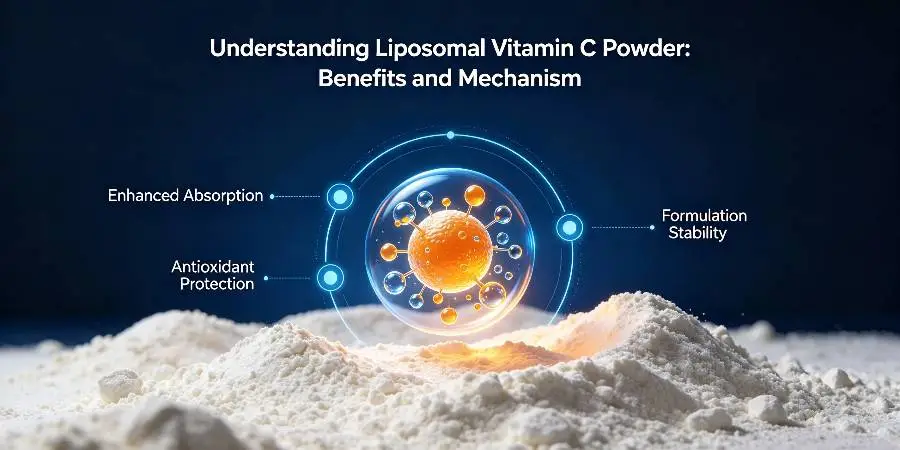
Making Informed Decisions: Choosing the Right Liposomal Vitamin C Powder Supplier
Supplier selection is more than just buying things; it also involves building long-term partnerships. For long-term success, quality standards, service skills, and business growth paths must all be in line with each other.
Quality Assurance and Technical Expertise
What sets innovation partners apart from commodity suppliers is the level of manufacturing sophistication in their manufacturing. Our R&D team is led by a PhD and focuses in liposomal engineering, not just distributing ingredients. Because we have this kind of knowledge, we can work together to create formulations that improve encapsulation, change particle sizes for different uses, and fix problems with stability that come up when the product is scaled up.
Batch traceability tools make sure that everyone in the supply chain is responsible. There is a unique lot number for each production run that connects to certificates of raw materials, processing settings, and quality control test results. This paperwork helps with legal checks and lets people act quickly if problems happen after the product has been sold.
Service Infrastructure and Responsiveness
Because of localized warehousing in San Diego, samples can be sent quickly—often within 48 hours for U.S. users who are checking to see if the formulations are compatible. When compared to waiting weeks for foreign packages, this speed advantage speeds up the R&D process. Our in-house analytical skills help with custom testing requests and provide data that helps developers make decisions about formulations during the development stages.
As part of the after-sales support, detailed advice is given on how to make the formulation work better, label claims are regulated, and suggestions are made for tracking stability. These services are especially helpful for new brands that need to figure out the complicated rules for supplements or for established brands that want to move into new product categories.
Building Long-Term Procurement Partnerships
Strategic accounts that plan to make long-term purchases can get better prices through volume commitment programs. Flexible minimum order quantities allow brands to grow at different rates, from starting out in test markets to expanding to national distribution. When you set up a subscription plan with regular deliveries, you can keep prices low even if the commodity market changes.
Transparent communication about production dates, the availability of raw materials, and possible supply problems makes it possible to plan ahead for inventory. We see partnerships in buying, and we both benefit from on-time supply, consistent quality, and working together to solve problems when they come up.
Conclusion
Understanding encapsulation technology, assessing source skills, and matching ingredient specs to the positioning of your product are all necessary for strategic sourcing of Liposomal Vitamin C powder. When improved bioavailability leads to real benefits for the consumer, like stronger immunity, better beauty-from-within results, or better nutrient absorption, then the higher price is worth it. You can tell if a seller can help your growth from the first formulation to market scaling by looking at their certification breadth, manufacturing capacity, and expert support infrastructure. When you work with U.S. companies like EmerWell, you get pharmaceutical-grade quality systems and regional service benefits that make buying easier and speed up time-to-market.
FAQ
1. What makes liposomal delivery more effective than regular vitamin C?
Phospholipid packaging lets vitamin C get into cells directly through membrane fusion instead of going through saturable intestine transporters. This method makes ascorbic acid up to 8 times more bioavailable than regular ascorbic acid, and the high amounts that stay in the blood for a long time protect against free radicals. Clinical validation shows significantly higher cellular uptake, which means it works better for immune support and collagen synthesis.
2. Which certifications are essential when sourcing wholesale liposomal ingredients?
Priority credentials include cGMP certification, which makes sure that pharmaceutical-grade standards are met during production, ISO 22000 or FSSC 22000 for managing food safety, and third-party testing confirmations like Non-GMO Project status. Halal and Kosher approvals help businesses reach more customers, and Vegan recognition is popular with people who eat only plants. Always ask for up-to-date Certificates of Analysis that confirm the amount of vitamin C, particle size, and microbial testing results.
3. Can liposomal powder be used directly in beverage formulations?
Of course. Our EncapsWell™ technology makes powder that dissolves easily in water and works well in healthy drinks, ready-to-mix sachets, and fizzy drinks. The formula stays steady in watery environments, and the capsule stays intact. This means that the product is better absorbed and doesn't have the metallic taste that many high-dose ascorbic acid drinks do.
Partner with EmerWell for Superior Liposomal Vitamin C Solutions
Our EncapsWell™ platform offers bioavailability that has been scientifically proven, along with cGMP-certified production and support in the United States. We are a major provider of Liposomal Vitamin C powder supplier with our main office in San Diego, and we offer fast sample delivery from nearby stores, technical advice from our team led by a PhD, and thorough regulatory paperwork to support FDA compliance and access to foreign markets. Our OEM and ODM services turn your ideas into goods that are ready to sell, whether they're immune support capsules, beauty drinks, or custom nutricosmetic formulas. Email our team at info@emerwell-bio.com to talk about your formulation needs, get technical specifications, and get competitive wholesale prices that are right for your production scale. Find out how pharmaceutical-grade liposomal technology can help your supplement brand stand out in a crowded market.
References
1. Carr, A.C. & Maggini, S. (2017). Vitamin C and Immune Function. Nutrients, 9(11), 1211.
2. Pullar, J.M., Carr, A.C., & Vissers, M.C.M. (2017). The Roles of Vitamin C in Skin Health. Nutrients, 9(8), 866.
3. Davis, J.L., Paris, H.L., Beals, J.W., et al. (2016). Liposomal-encapsulated Ascorbic Acid: Influence on Vitamin C Bioavailability and Capacity to Protect Against Ischemia-Reperfusion Injury. Nutrition and Metabolic Insights, 9, 25-30.
4. Hickey, S., Roberts, H.J., & Miller, N.J. (2008). Pharmacokinetics of Oral Vitamin C. Journal of Nutritional and Environmental Medicine, 17(3), 169-177.
5. Gopi, S. & Balakrishnan, P. (2021). Evaluation and Clinical Comparison Studies on Liposomal and Non-Liposomal Ascorbic Acid. European Journal of Nutrition & Food Safety, 13(4), 16-27.
6. Łukawski, M., Dałek, P., Borowik, T., et al. (2020). New Oral Liposomal Vitamin C Formulation: Properties and Bioavailability. Journal of Liposome Research, 30(3), 227-234.
Online Message
YOU MAY LIKE
High quality furniture manufacturer