Jul 29, 2026
Which Omega-3 Form Is Most Effective for Supplement Brands?
When sourcing omega-3 ingredients for your supplement line, choosing the right delivery form directly impacts product performance and market positioning. Among standard fish oil capsules, liquids, krill oil powders, and traditional omega-3 powders, advanced liposomal omega-3 powder stands out as the most effective solution for brands seeking superior bioavailability, formulation versatility, and consumer satisfaction. This encapsulation technology protects EPA and DHA within phospholipid bilayers, delivering up to three times higher absorption compared to conventional forms while eliminating common taste and stability challenges that limit product appeal.
Understanding Omega-3 Forms in Supplementation
The market for omega-3 supplements has a lot of different ingredient formats, and each one has its own unique qualities that make brands compete with each other. Traditional fish oil, which comes in liquid and soft-gel capsule forms, is most common in stores. It is cheap, but it can go bad over time and people have trouble taking it because of the size and taste. Krill oil powder is popular with brands that care about sustainability and phospholipid content, but it's still expensive to get.
Standard omega-3 powder ingredients let you make pills and packs in a variety of ways, but they usually don't mix well with water and break down quickly due to oxidation. Bioavailability problems exist with these common forms; the human digestive system breaks down unshielded fatty acids before they can be absorbed fully. As product developers and purchasing managers look at different ingredient choices, they need to know about these performance gaps in order to choose solutions that meet regulatory standards as well as changing customer expectations for ease of use and effectiveness.
The move toward more advanced delivery methods shows that people want clean-label goods that really work. When brands spend money on next-generation omega-3 technology, they set themselves up to get the attention of high-end customers who care more about quality and results than price alone.
Liposomal Omega-3 Powder: A Breakthrough in Omega-3 Delivery
What Makes Liposomal Technology Different
Liposome encapsulation is a biomimetic way to supply nutrients. It does this by enclosing EPA and DHA molecules in very small phospholipid spheres that look like the structure of a cell membrane. This layer keeps stomach acid and digestive enzymes from breaking down fragile fatty acids, so they can be absorbed whole through the intestine walls. True liposomal systems make solid, water-dispersible particles with controlled release qualities. This is different from regular powder blends that just mix omega-3 oils with carriers.
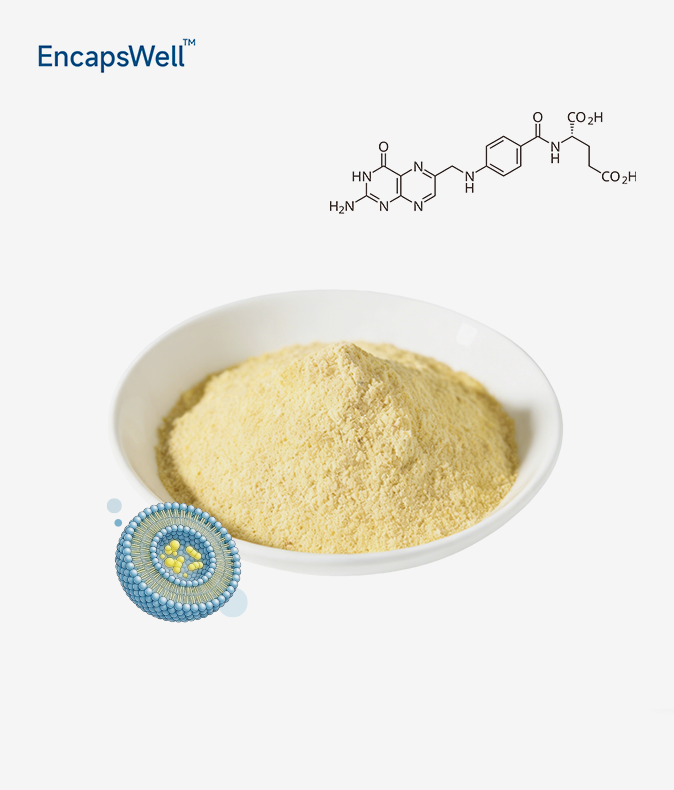
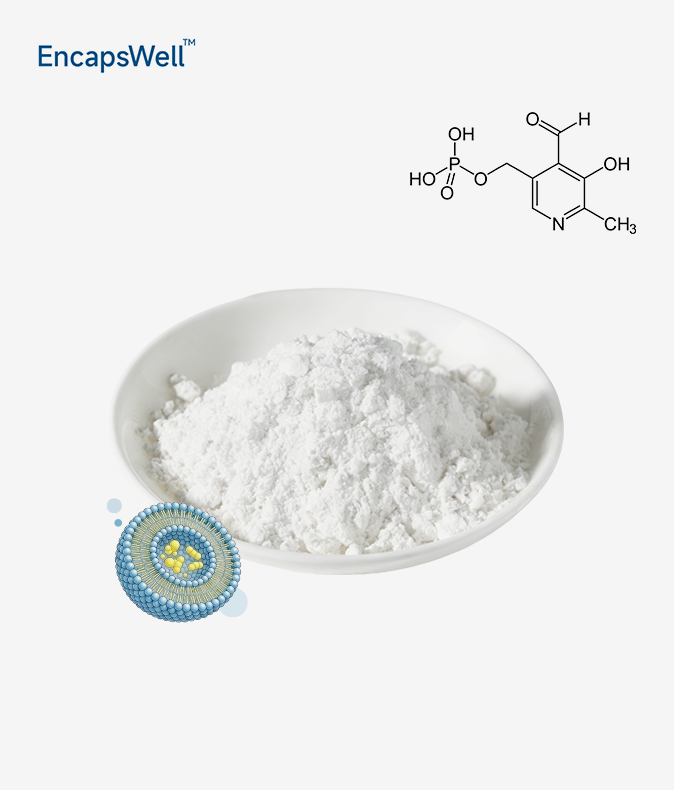
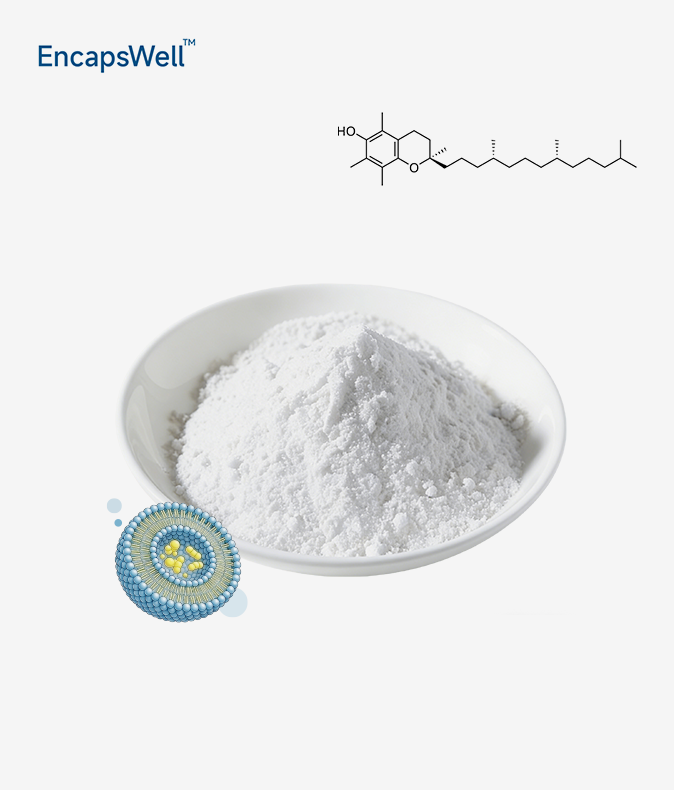
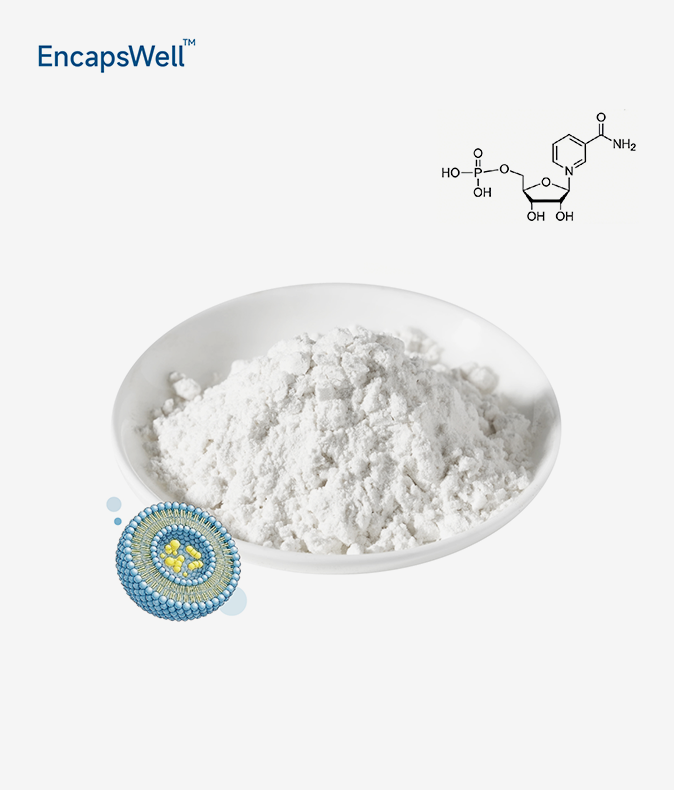
EmerWell's own EncapsWell™ platform achieves capsule efficiency of more than 85%, which means that most of the active ingredients stay safe and accessible. The finished powder has a color range from off-white to light yellow and has great flow properties. It was made with particles of the same size all over them by optimizing dynamic light scattering (DLS). This precise manufacturing makes sure that all production batches are the same, which is very important for brands that need reliable specifications and predictable formulation behavior.
Clinical Performance and Health Applications
Studies show that liposomal delivery methods make it much easier for the body to absorb omega-3s than regular formulations. The phospholipid transport makes it easier for cells to take in fatty acids directly, skipping the slow digestive processes that break down fatty acids that aren't protected. In practice, this means that EPA and DHA amounts in blood plasma will rise more quickly and with smaller doses.
Because DHA is an important structural part of brain tissue for memory, learning, and neurological development at all stages of life, the increased bioavailability helps cognitive function in specific ways. Cardiovascular benefits come from EPA and DHA working together to keep cholesterol levels healthy and help the heart work better overall. Liposomal carriers help the anti-inflammatory effects of omega-3 fatty acids get to their targets in cells more effectively, which is good for joint health and overall health. DHA focuses on the retinal cells, which is good for eye health. Liposomal transport makes it easier for the body to take it in where it's needed most, which is especially important during early childhood development and healthy aging.
Liposomal Omega-3 Powder vs. Other Omega-3 Forms: A Comparative Analysis
Bioavailability and Absorption Efficiency
The main benefit of liposomal omega-3 powder ingredients is how quickly they are absorbed. Traditional fish oil pills depend on bile acids to emulsify the oil. However, this process is very different for everyone because of differences in digestive health, which leads to inconsistent results. Standard powders have the same problems, plus they are exposed to more oxidation. Liposomal technology gets around these problems by delivering EPA and DHA directly to target tissues with little metabolic waste. This is possible because fatty acids are already packaged in a form that is ready to be absorbed.
Krill oil naturally has phospholipids that make it easier for the body to absorb than regular fish oil. However, the way it is processed and turned into powder often takes away this benefit. Purpose-engineered Liposomal Omega-3 powders keep their structure while being made and stored, so they keep the absorption benefits that first drew brands to phospholipid-bound omega-3s.
Stability and Shelf Life Performance
When omega-3 fatty acids are exposed to air, light, heat, and water, they quickly oxidize, losing their nutritional value and giving off bad smells. Standard fish oil pills and drinks need strong antioxidants and opaque packing to keep them fresh for longer. Even though basic omega-3 powders look more stable, they often have high peroxide values (POV) within a few months of being made.
Liposomal coating protects in multiple layers, which greatly increases the shelf life. EmerWell's recipe keeps POV levels below 2 meq/kg, which is much lower than the standards for regular powders in the market. It also keeps active ingredient potency above 95% retention for 18 to 24 months when stored properly. This advantage of stability cuts down on waste, lowers the number of times a product needs to be reformulated, and makes sure that consumers get the full nutritional value throughout the product's lifecycle. When compared to temperature-sensitive oil formats, these formats give manufacturers longer production windows and fewer cold-chain logistics needs.
Formulation Versatility and Consumer Compliance
Traditional soft-gel pills make it hard for kids and older people to swallow and limit the amount of medicine that can be given. Liquids give you more dose options, but they are hard to taste and carry around. Standard powders give you more choices for how to make the product, but they often split in drinks or leave oily remains that make the experience worse.
Water-dispersible liposomal omega-3 powder changes the ways that formulations can be made. The technology makes it possible for stable suspension in cold liquids without oil separation. This lets it be easily added to beauty-from-within drinks, ready-to-mix sachets, gummies, and chewable forms where it's important to hide the taste. Complete micro-encapsulation gets rid of the fishy smell and aftertaste that are common with other omega-3 products. This makes them much more acceptable to customers and increases the number of times they buy them again. This flexibility lets brands come up with new products in different categories while keeping the same omega-3 effectiveness. This is a competitive edge that is especially useful for companies that make products for a wide range of customers, from sports nutrition to infant formulas.
Procurement Considerations for Supplement Brands
Certifications and Quality Assurance Standards
Finding suppliers of omega-3 ingredients is very important to make sure that they follow the rules and that the products are safe. cGMP (current Good Manufacturing Practices), ISO 9001:2015 (for quality management systems), ISO 22000 (for food safety management), and HACCP methods (for risk control) are all important certifications. These certifications show that your company takes a planned approach to preventing contamination, keeping records, and making sure that all of your products meet consistent quality standards that protect your brand's reputation.
When looking at liposomal omega-3 powder suppliers, make sure they have other credentials that are important to the markets you want to reach. Kosher and Halal approvals make products more accessible to people with a wide range of food and cultural needs. For baby nutrition products, even tighter contamination screening is needed. Heavy metal levels should meet pediatric standards with lead content below 0.5 ppm, and microbiology standards say that total plate counts should stay below 1000 cfu/g. EmerWell's formulas are designed to meet the safety standards for infants, which helps brands make high-quality nutritional products for early stages of development where purity cannot be compromised.
Supplier Capabilities and Partnership Value
Check the supplier's infrastructure and support skills, which are more important than qualifications for long-term relationship success. Scale is important in manufacturing; providers must show that they can meet your number needs while keeping consistency from batch to batch. Technical help is very important when making custom recipes or fixing problems with how well complementary ingredients work together.
North American brands can benefit greatly from working with US-based businesses. EmerWell's offices are in San Diego, which makes it easier for customers to get in touch with us, get samples quickly, and do research and development (R&D) in-house through our American laboratory. This closeness gets rid of the delays and communication problems that come with only working with suppliers overseas. This speeds up the process of making new products and makes sure that technical help is available quickly when formulation problems arise. Our research team, which is led by a PhD, works directly with your product developers to find the best ingredient specifications for your specific needs. This is true whether you're making new drink recipes or increasing private-label production through OEM partnerships.
When you buy in bulk, you need to carefully plan your operations around minimum order numbers (MOQ), price, and shipping reliability. Transparent suppliers give you clear MOQ choices that match your production forecasting and are adaptable enough to work with both new names and well-known makers. Having storage and warehousing facilities close to your production facilities cuts down on lead times and the cost of keeping inventory on hand. This is especially helpful for ingredients like liposomal omega-3 powders that stay stable at room temperature without having to follow complicated cold-chain rules.
How Supplement Brands Can Leverage Liposomal Omega-3 Powder
Product Differentiation Strategies
In supplement markets that are competitive, there needs to be a clear value offering that supports charging more. Adding advanced liposomal omega-3 powder technology opens up a lot of ways to set your product apart, which appeals to health-conscious customers who are willing to spend money on products that work. Brands can say that their products absorb better thanks to encapsulation science and market them as "next-generation" or "clinically advanced" options to regular fish oil pills.
Just the fact that it tastes better opens up formulation options that weren't possible with traditional omega-3 sources. When fishy tastes are taken out through full microencapsulation, it's possible to make chewables, fizzy drinks, or kid-friendly candies that taste good. Beauty-from-within brands can be sure that their collagen drinks and skin-support drinks contain omega-3s without affecting the taste, which is important for getting people to drink them again and again. Marketing teams can target groups of people, like millennials and Gen Zers, who care about both function and taste when choosing daily supplements thanks to this formulation freedom.
Marketing Communications and Educational Content
Communicating the benefits of liposomal omega-3 powder technology needs a balance between using credible science language and easy-to-understand everyday language. Product descriptions that do their job well explain the "why" behind the technology, like how phospholipid encapsulation saves fatty acids and improves cellular delivery, without using too much academic language. Using pictures to explain the structure of liposomes and how they are absorbed can help turn complicated science into interesting marketing materials for online listings, store displays, and social media posts.
Brands should stress the quality standards and licenses that set premium products apart from cheaper options. When you talk about cGMP compliance, infant nutrition-grade purity standards, and third-party testing protocols, you build trust with smart supplement label readers. A growing group of buyers who look into ingredient quality before buying likes it when companies are clear about where their products come from, where they are made, and how much packaging efficiency they use.
Formulation Optimization and Synergistic Combinations
To make a product work better, you need to do more than just choose the best liposomal omega-3 powder delivery methods. You also need to pair ingredients in a way that maximizes their benefits and helps with multiple health goals at once. When you mix liposomal omega-3 powder with other nutrients like vitamin D3, CoQ10, or astaxanthin, you get full- cardiovascular- support products that heart-healthy people like. Putting together high levels of DHA with choline, phosphatidylserine, or B vitamins is aimed at improving brain health and cognitive ability.
Dosing guidelines usually say to take between 500 mg and 2000 mg of combined EPA and DHA every day, but this can change based on health goals and target groups. Because liposomal omega-3 powder is so good at delivering drugs, they can make formulations that work with lower doses than regular products. This saves money during development while still being useful for therapy. Standard concentrations for beverage uses range from 10% to 25% active omega-3 content. EmerWell offers custom ratios like 10% DHA and 5% EPA that are best for health claims and regulatory needs.
The fact that liposomal omega-3 powder dissolves in water makes it easier to mix with other water-soluble vitamins, minerals, and plant products. This is because it doesn't cause separation problems like oil-based omega-3 integration does. This compatibility speeds up production and gives functional food developers and beverage makers more ways to be creative in order to stay competitive.
Conclusion
Picking the best omega-3 form has a big impact on how well a product works, how happy customers are with it, and how different a brand is in the supplement market. Liposomal delivery technology fixes major problems with regular fish oil capsules, liquids, and powders by making them more bioavailable, more stable, and more flexible in how they are made, which allows new products to be made in many areas. Liposomal Omega-3 powder takes this a step further, offering a versatile ingredient format that combines the absorption benefits of liposomal delivery with the convenience and stability of a dry powder. When supplement brands put effectiveness, quality, and customer satisfaction first, they can gain a clear competitive edge by working with suppliers who offer advanced packaging platforms backed by strict standards and quick technical support. Companies that invest in next-generation omega-3 ingredients will be able to attract high-end customers and build trust with customers over time by making goods that provide real health benefits.
FAQ
1. Is liposomal omega-3 safe for all consumer groups?
Liposomal Omega-3 powder that meets standards for infant feeding and is approved by cGMP, ISO 22000, HACCP, Kosher, and Halal shows that it is safe for a wide range of people. Non-GMO phospholipids from soy or sunflower lecithin are used in the capsule process. This keeps allergens like gluten and dairy out of the process. Heavy metal screening keeps the lead level below 0.5 ppm, and bacteria controls keep the total plate counts below 1000 cfu/g, which are low enough that they can be used for pediatric and prenatal purposes.
2. When should consumers take omega-3 supplements for maximum effectiveness?
Omega-3s are better absorbed when eaten with foods that contain dietary fats, which help the body break down fats by increasing the production of bile. Because the delivery structures of liposomal omega-3 powder are already emulsified, they reduce this dependence and give you more dosing schedule options. To stick to a daily habit, many brands say to take them in the morning with food. However, Liposomal Omega-3 powder's sustained absorption profile means that it works at any time.
3. How does absorption compare to standard fish oil capsules?
According to clinical tests, liposomal delivery systems can increase absorption rates by three to twelve times compared to regular fish oil products. This depends on the person's digestive system and the quality of the product. By avoiding incomplete emulsification and enzymatic breakdown, which are problems with standard supplements, phospholipid encapsulation gets EPA and DHA directly to the parts of the body that absorb them, including target tissues, with very little metabolic loss.
Partner with a Trusted Liposomal Omega-3 Powder Manufacturer
EmerWell is a great place for supplement companies that want to set their products apart by using scientifically advanced liposomal omega-3 powder delivery methods to work together. Our team in San Diego specializes in custom liposomal formulations using the EncapsWell™ platform. They can take your product ideas and turn them into high-performance supplements that are more stable and bioavailable. We offer full OEM/ODM services that help you get into the market quickly. These are backed by PhD-led R&D technical support and local warehousing that makes sure sample logistics are quick and procurement is easy. Email our team at info@emerwell-bio.com to learn more about buying in bulk, getting samples, and talking about custom formulation solutions that will put your brand at the forefront of omega-3 innovation.
References
1. Schuchardt, J.P., and Hahn, A. (2013). "Bioavailability of Long-Chain Omega-3 Fatty Acids." Prostaglandins, Leukotrienes and Essential Fatty Acids, 89(1), 1-8.
2. Ghasemifard, S., Turchini, G.M., and Sinclair, A.J. (2014). "Omega-3 Long Chain Fatty Acid Bioavailability: A Review of Evidence and Methodological Considerations." Progress in Lipid Research, 56, 92-108.
3. Raatz, S.K., Redmon, J.B., and Wimmergren, N. (2009). "Enhanced Absorption of n-3 Fatty Acids from Emulsified Compared with Encapsulated Fish Oil." Journal of the American Dietetic Association, 109(6), 1076-1081.
4. Dyerberg, J., Madsen, P., and Moller, J.M. (2010). "Bioavailability of Marine n-3 Fatty Acid Formulations." Prostaglandins, Leukotrienes and Essential Fatty Acids, 83(3), 137-141.
5. Offman, E., Marenco, T., and Ferber, S. (2013). "Steady-State Bioavailability of Prescription Omega-3 on a Low-Fat Diet is Significantly Improved with a Free Fatty Acid Formulation Compared with an Ethyl Ester Formulation: The ECLIPSE II Study." Vascular Health and Risk Management, 9, 563-573.
6. Laidlaw, M., and Holub, B.J. (2003). "Effects of Supplementation with Fish Oil-Derived n-3 Fatty Acids and Gamma-Linolenic Acid on Circulating Plasma Lipids and Fatty Acid Profiles in Women." The American Journal of Clinical Nutrition, 77(1), 37-42.
Online Message
YOU MAY LIKE
High quality furniture manufacturer