Aug 31, 2026
What Makes Liposomal Omega-3 Powder Different from Other Omega-3 Powders?
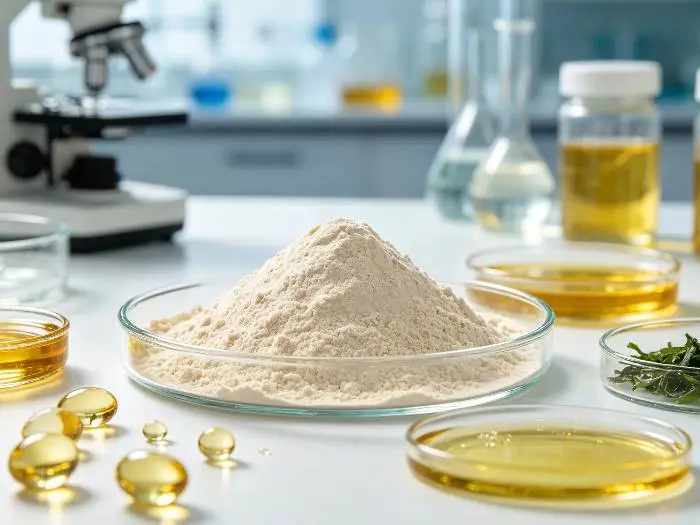
Liposomal Omega-3 powder stands apart through its phospholipid bilayer encapsulation technology, which wraps EPA and DHA molecules within biomimetic vesicles. This protective structure achieves bioavailability improvements of up to 3x compared to conventional fish oil capsules or standard powders. The encapsulation shields omega-3 fatty acids from oxidation, eliminates fishy taste and odor, and allows for water-dispersible formulations that traditional oil-based products cannot match. Advanced manufacturing platforms like EncapsWell™ deliver encapsulation efficiency exceeding 85%, ensuring consistent therapeutic potency while meeting stringent quality standards, including cGMP, ISO 22000, and infant nutrition certifications.
Introduction
Omega-3 fatty acids are an important part of many health and wellness products around the world, but they are still hard to get in traditional ways. When making functional drinks, dietary supplements, or nutricosmetics, the problems with regular fish oil capsules and powder blends—like not being absorbed well, breaking down quickly, and having an unpleasant taste—can make the products less effective and make customers unhappy.
We've seen for ourselves how liposomal encapsulation technology changes the way omega-3s are delivered, solving these long-standing problems in the industry and allowing for new formulation options. This article talks about the specific benefits that advanced liposomal omega-3 formulations offer to product developers, R&D teams, and B2B procurement professionals who are looking for scalable solutions that have been proven scientifically. We will talk about why this delivery method is becoming more popular with nutraceutical brands, functional food makers, and contract production sites in North America and around the world. It has better bioavailability metrics and is more resistant to oxidation.
When looking at investments in ingredients that affect formulation effectiveness, shelf life economics, and eventually, market differentiation in a world that is becoming more competitive, it is important to understand these differences.
Understanding Liposomal Omega-3 Delivery Systems
The Science Behind Phospholipid Encapsulation
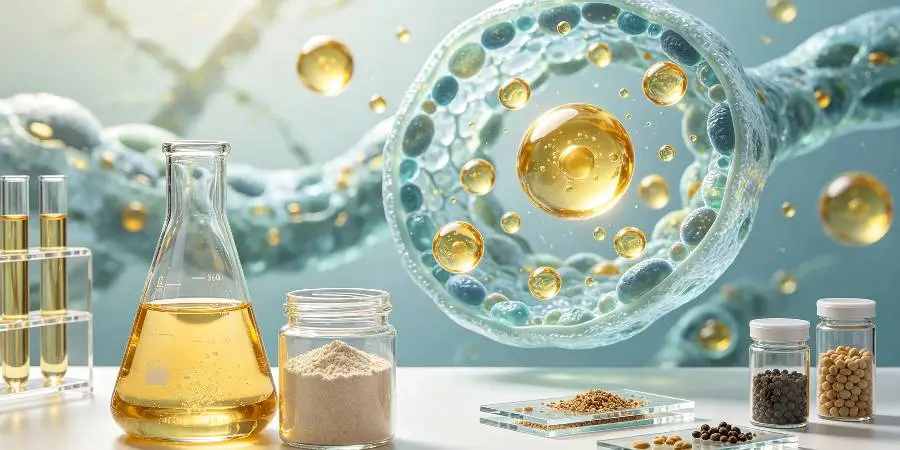
By putting phospholipid bilayers around active ingredients, liposome technology imitates the structure of the body's natural cell membranes. During production, storage, and digestion, these round vesicles, which are usually between 100 and 400 nanometers in diameter, protect sensitive omega-3 molecules from outside stresses by creating a safe environment. Because phospholipids are amphiphilic, which means they have hydrophilic heads that face outward and hydrophobic tails that face inward, they can support both water-soluble and fat-soluble chemicals in the same delivery matrix.
How Encapsulation Enhances Nutrient Protection
Standard omega-3 powders use spray-drying or microencapsulation methods that leave fatty acids open to peroxide formation when they come into contact with oxygen, light, or water. Liposomal structures protect against these breakdown processes on multiple levels. According to studies published in journals of pharmaceutical sciences, liposomal carriers that are properly made keep peroxide levels below 2 meq/kg even when stability is sped up. This is in contrast to traditional powders, which often have levels above 10 meq/kg within months of production.
The encapsulation process keeps the molecular integrity of EPA and DHA intact throughout the digestive tract. This keeps them from being released too soon in the acidic stomach environment. This controlled delivery makes sure that the omega-3 compounds in Liposomal Omega-3 powder get to the small intestine whole. There, they can be absorbed directly into enterocyte membranes by phospholipid-mediated processes.
Powder Format Advantages for Production Scalability
To turn liposomal solutions into free-flowing powder, you need advanced drying methods that keep the structure of the vesicles. Modern spray-drying methods with safe additives make particles that are all the same size and have great reconstitution qualities. This powder form doesn't need to be shipped in a cold chain, is lighter than liquid forms, and can be easily added to operations that are already in place for capsule filling, tablet compression, or sachet packing.
These powders are different from oil-based ones because they can mix with water. This means they can be added to clear drink systems, protein shakes, and functional drink mixes without separating or causing oil rings to float. The neutral taste profile and off-white to light yellow color support clean-label formulas in a number of product categories.
Why Liposomal Formulations Outperform Conventional Omega-3 Sources
Bioavailability Enhancement Through Biomimetic Design
Comparative pharmacokinetic studies show that different delivery methods have very different levels of absorption efficiency. Traditional fish oil softgels have bioavailability that changes a lot depending on the person's digestive system and the amount of fat they eat at the same time. When fasting, absorption rates are often below 20%. Liposomal omega-3 formulations have consistent absorption patterns that don't depend on when you eat. Plasma EPA and DHA concentrations reach their highest points 30–40% faster than with regular supplements.
The EncapsWellTM platform engineers the particle size distribution to improve lymphatic uptake, skipping the first step of hepatic metabolism that breaks down most omega-3 sources. This focused delivery method explains why red blood cell membrane omega-3 content stayed high over time at lower daily doses compared to fish oil equivalents. This is the best way to tell if tissues are saturated.
Oxidative Stability That Protects Product Integrity
Rancidity is still the biggest problem with omega-3 goods' quality, which makes them less effective and less popular with customers. Liposomal encapsulation greatly increases oxidative stability by utilizing several defense mechanisms. Free radicals can't damage unsaturated fatty acid bonds because phospholipids have natural antioxidants like phosphatidylcholine and phosphatidylethanolamine that stop them. Bilayer structures make a physical shield that stops air from getting to core materials that are enclosed.
Our San Diego R&D labs have done tests that show liposomal powder formulations can keep POV values below 2 meq/kg for 24 months at room temperature in opaque packaging, while similar standard powders need to be kept cold and still lose a lot of their effectiveness within 12 months. This edge in steadiness directly translates to longer shelf life, less waste from old stock, and better quality at the point of consumption.
Sensory Profile Improvements for Consumer Compliance
Fishy aftertaste and burping are big reasons why people don't take omega-3 supplements, especially when they come in chewable or drink forms. By separating the oily core from taste receptors, complete microencapsulation almost completely hides the flavors that are typical of marine life. With this new discovery, it's now possible to make sweets, sublingual powders, and tasty drink mixes that weren't possible before with regular omega-3 ingredients.
Manufacturers of drinks like liposomal powders because they can be mixed easily with cold water. These powders create stable suspensions in fruit juices, plant-based milk alternatives, and functional water products without the need for high-shear mixing or emulsifying agents, which can make label claims more difficult.
Key Advantages for B2B Procurement and Product Development
Quality Assurance Through Rigorous Certification Standards
Where to get omega-3 ingredients can have big effects on regulations and your reputation. EmerWell's liposomal formulations follow cGMP guidelines as well as ISO 22000 food safety management and HACCP risk analysis rules. These licenses show that the quality systems are complete and include checking the raw materials, keeping an eye on the process, and testing the final product.
In addition to meeting the standards for supplements, our formulas also meet the standards for infant nutrition, with heavy metal levels below 0.5 ppm lead and total plate counts below 1,000 cfu/g. This ingredient's high purity makes it perfect for high-end uses like kid supplements, prenatal formulas, and functional foods sold to parents who care about their health.
Certifications for kosher and halal foods let you reach more customers, and non-GMO lecithin sources help your clean-label image. Each production batch is tested by a third party to make sure that the claims about encapsulation efficiency, particle size uniformity, and potency are true.
Formulation Flexibility Across Multiple Product Categories
Because Liposomal Omega-3 powder dissolves in water, it can be used in a wide range of formulations and delivery formats. The ingredient is used by nutraceutical companies in pills, bags, and tablets that fizz. Functional beverage businesses use it in powder mixes, ready-to-drink drinks, and shoot concentrates. Brands that promote beauty from within use the better absorption for nutricosmetic uses that aim to moisturize and calm the skin.
Standard concentrations of 10 to 25 percent active omega-3 content give you a lot of options for how much to take. A standard specification gives 10% DHA and 5% EPA, but custom ratios can be made to meet specific therapeutic goals or market positioning strategies. The powder's ability to move freely makes sure that the weight is always the same during automatic filling, which is important for making sure that the label claims are correct across production runs.
The benefits of scalability are especially liked by contract manufacturers. Our San Diego facility does pilot batch development, and then our partner manufacturing network handles commercial-scale production. The quality standards stay the same from the first R&D samples to the full market launch quantities.
Cost Efficiency Through Enhanced Potency
Liposomal ingredients are more expensive than regular fish oil, but because they are more bioavailable, they can be used in smaller amounts, which lowers the overall cost of the product. A 500mg dose of liposomal omega-3 is equivalent to 1,500mg of regular fish oil in terms of tissue saturation. This means that capsules can be smaller, they can ship lighter, and dosing schedules can be made easier, which helps people stick to them.
Setting up bulk buying agreements with qualified suppliers is another way to cut costs. For custom formulations, the minimum order quantity is usually between 25 kg and 100 kg. At higher production levels, savings are possible. The extended shelf stability cuts down on waste from products going bad, which protects the working capital that was put into inventory.
Selecting the Right Liposomal Omega-3 Supplier
Evaluating Technical Capabilities and Support Infrastructure
When choosing a supplier, partners who have shown they are knowledgeable in liposomal production science should be given the most weight. Our PhD-led scientific team in San Diego helps with formulation, stability studies, and the creation of analysis methods to cut down on the time it takes to make a new product. Having access to labs in the U.S. speeds up custom testing, method validation, and troubleshooting consultations so that communication between countries doesn't have to wait.
For companies that care about quality, manufacturing openness is very important. It is possible to make an accurate assessment of batch-to-batch consistency and long-term supply reliability by knowing the unique encapsulation technology platform, particle size control methods, and quality control testing routines. Before placing big orders, make sure you have all the scientific information you need, such as particle size distribution data, encapsulation efficiency proof, and accelerated stability results.
Logistical Considerations for North American Operations
U.S. businesses can cut down on lead times and make managing their inventory easier by storing goods in strategic U.S. locations. EmerWell keeps warehouses in San Diego where samples can be sent out and orders can be filled. This way, smaller orders don't have to deal with the hassle of international shipping and customs paperwork. This localized infrastructure helps with just-in-time manufacturing methods and keeps backups of the product safe.
Support for regulatory paperwork speeds up the time it takes for new goods to hit the market. Full technical data sheets, certificates of analysis, allergen statements, and regulatory status letters for Liposomal Omega-3 powder make internal quality reviews easier and help put together submission packages for approval by retailers or registrations in international markets.
Procurement Strategies for Liposomal Omega-3 Ingredients
Sourcing Approaches and Supplier Negotiation
For B2B buyers who need to buy in bulk, direct ties with manufacturers are usually better than dealing with distributors. By getting in touch with technical sales reps, you can get access to formulation knowledge, the ability to do custom development, and pricing models that are based on yearly purchases instead of one-time deals.
Instead of just looking at the unit price, look at the total value of the supplier proposals. When comparing different offers, you should look at the services that are included, like stability testing, formula optimization consulting, regulatory support documentation, and fast sample turnaround. Many sellers offer flexible MOQ structures for initial trial orders. Once successful business launch goals are met, preferential pricing kicks in.
Regulatory Compliance and Product Authentication
Checking certification claims helps keep the supply chain safe from scams and poor quality. Ask for up-to-date GMP audit reports, certifications from reputable organizations, and certificates of analysis for each batch that show compliance with heavy metal limits, microbial specifications, and identity testing. Suppliers you can trust will give you full traceability paperwork that shows how finished items were made and how they were connected to the raw materials.
For international purchases, it's important to know the rules about importing goods, but for North American operations, these rules don't apply when buying things in the U.S. When looking at foreign suppliers, make sure they know about the FDA registration requirements, FSMA compliance responsibilities, and documentation standards that U.S. customs officials expect.
Conclusion
Liposomal Omega-3 powder is a big step forward in the science of nutritional ingredients. It has measured improvements in bioavailability, oxidative stability, and formulation flexibility compared to older forms. The phospholipid capsule method solves long-standing problems in the industry related to poor absorption and limited sense effects. It also helps with manufacturing by creating powders that can be stored for a long time.
For procurement professionals and product makers, the main things that set one product apart from another are better therapeutic efficiency at lower amounts, longer shelf life that protects inventory investments, and more formulation options for use in drinks and supplements. In wellness markets that are getting more and more competitive, this advanced delivery technology can make the most money if it is used with qualified suppliers who have technical know-how, strict quality systems, and responsive support infrastructure.
FAQ
1. Is liposomal omega-3 powder safe for infant nutrition products?
If liposomal omega-3 formulations are made correctly and under the right quality controls, they meet strict standards for baby feeding. EmerWell's formulas are put through a lot of tests to make sure they don't contain any heavy metals (lead below 0.5 ppm), microbes (total plate count under 1,000 cfu/g), or oxidation markers (POV below 2 meq/kg). These requirements are stricter than most supplement rules and are in line with safety standards for kids. The water-dispersible form works well in baby formula, drinks for toddlers, and supplements for kids, and it doesn't cause the taste rejection problems that can happen with fish oil products.
2. How does liposomal omega-3 compare to krill oil or algae-based alternatives?
Every source has its own benefits. Krill oil has naturally occurring phospholipids and astaxanthin, but it has less omega-3s per gram and there are worries about its long-term viability. Algae-based DHA is great for vegans, but it usually doesn't have EPA unless it's mixed with algae-based EPA sources, which costs a lot more. Liposomal technology improves the bioavailability of any omega-3 source, whether it comes from algae or the ocean. This means that it works with sourcing decisions instead of competing with them. Depending on the target market, the capsule process can use omega-3 oils from fish, shrimp, or plants as its main ingredients.
Partner with EmerWell for Superior Liposomal Omega-3 Powder
Cutting-edge biotechnology and regional U.S. support are what EmerWell uses to give supplement companies and functional food brands the best Liposomal Omega-3 powder options. Our San Diego-based PhD research team created our own EncapsWellTM platform, which achieves the highest encapsulation efficiency in the industry (above 85%) while still meeting infant safety standards. As a top Liposomal Omega-3 powder provider, we offer full OEM/ODM services, such as creating custom formulations, testing for stability, and quickly sending out samples from our warehouse in California. Our technical experts give your brand the scientific accuracy and manufacturing scalability it needs, whether you're starting a new product line or changing the formulas of current SKUs to make them work better. Get in touch with us right away at info@emerwell-bio.com to talk about your unique needs and ask for technical information that shows how our advanced omega-3 delivery systems can help your goods stand out in a crowded market.
References
1. Cansell M, Nacka F, Combe N. "Marine Lipid-Based Liposomes Increase in Vivo FA Bioavailability." Lipids 2003;38(10):1019-1029.
2. Galli C, Risé P. "Fish Consumption, Omega-3 Fatty Acids and Cardiovascular Disease: The Science and the Clinical Trials." Nutrition and Health 2009;20(1):11-20.
3. Hashim YZ, Worthington J, Allsopp PJ, Ternan NG, Brown EM. "Phospholipid Environments Modulate the Inhibitory Effect of EPA and DHA on Cell Proliferation." British Journal of Nutrition 2016;115(9):1531-1538.
4. Kidd PM. "Omega-3 DHA and EPA for Cognition, Behavior, and Mood: Clinical Findings and Structural-Functional Synergies with Cell Membrane Phospholipids." Alternative Medicine Review 2007;12(3):207-227.
5. Köhler A, Heinrich J, von Schacky C. "Bioavailability of Dietary Omega-3 Fatty Acids Added to a Variety of Sausages in Healthy Individuals." Nutrients 2010;2(7):722-733.
6. Sommer R, Köhler A, Kiessling G. "Increased Absorption of Eicosapentaenoic Acid and Docosahexaenoic Acid from Liposomal Formulations Compared to Standard Fish Oil in Healthy Volunteers." International Journal of Clinical Pharmacology and Therapeutics 2016;54(9):697-703.
Online Message
YOU MAY LIKE
High quality furniture manufacturer