Aug 27, 2026
What Is the Difference Between NAD+ Powder and Liposomal NAD+ Powder?
The primary difference lies in delivery technology and bioavailability. Standard NAD+ powder delivers nicotinamide adenine dinucleotide in its raw crystalline form, which faces substantial degradation in the digestive tract before reaching cells. Liposomal NAD+ powder encapsulates NAD+ molecules within phospholipid vesicles—microscopic bubbles with a double lipid layer that mimics natural cell membranes. This protective encapsulation shields the active compound from stomach acid and enzymes, enabling intact transport through the bloodstream directly to cells. The result is absorption rates 5–10× higher than standard powder, making liposomal formulations particularly valuable for nutraceutical brands seeking clinically meaningful efficacy in anti-aging, energy metabolism, and cognitive support products.
Introduction
Nicotinamide Adenine Dinucleotide (NAD+) is an important coenzyme that helps cells make energy and fix DNA. Because of this, it is a key ingredient in many health and longevity products. Since more and more nutraceutical products are based on evidence, procurement managers and research and development teams have to make important choices about the forms of ingredients that have a direct effect on how well the products work, how efficiently they are made, and how well they position themselves in the market.
B2B decision-makers need to know the technical differences between liposomal delivery systems and normal NAD+ powder systems. These differences affect not only the results for end users but also the logistics of the supply chain, the paperwork that is needed by regulators, and strategies for differentiating in the market. Choosing between conventional and liposomal types changes how stable the formulation is, how much of it is needed, and how well absorption claims can be backed up. These are all things that affect how well a product does in health markets that are becoming more advanced.
This study gives buying professionals, R&D managers, and formulation scientists useful information for comparing different NAD+ ingredient choices. Our main goal is to help nutraceutical brands, functional beverage developers, contract manufacturers, and nutricosmetic innovators who need accurate data to help them make decisions about where to get ingredients and how to develop new products.
Understanding NAD+ Powder and Liposomal NAD+ Powder
Standard NAD+ Powder: Composition and Characteristics
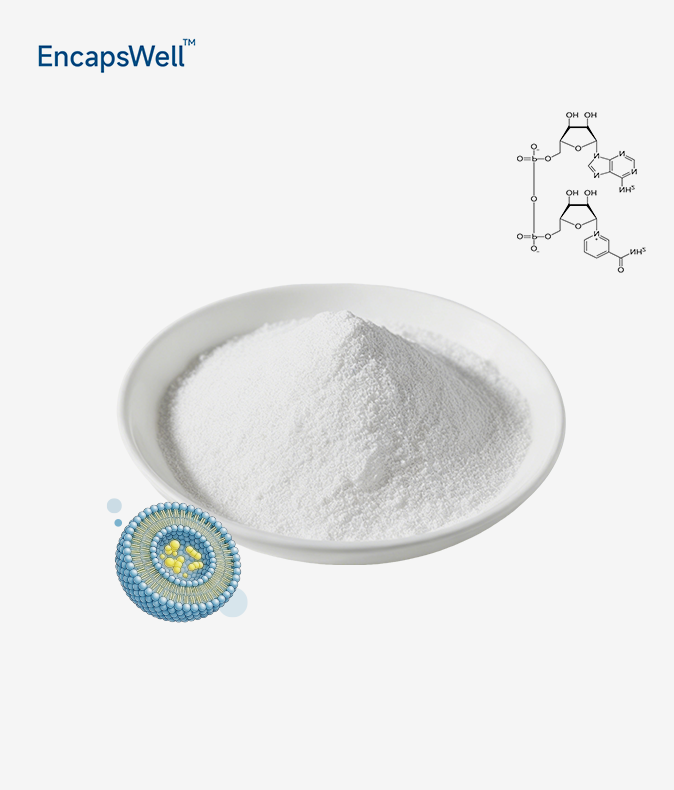
Standard NAD+ powder is made up of nicotinamide adenine dinucleotide crystals that have been removed and cleaned using enzymes or chemicals. This common form has a NAD+ content of about 95% to 98% purity, which means it can be used in basic supplement formulations. The powder is a white to off-white material that stays stable as long as it is kept cool, dry, and out of the light.
In the industrial world, standard powder is easy to use for simple powder blends, pill filling, and tablet compression. It can be mixed with water to make liquids, but there are concerns about how stable it is in wet environments for long periods of time. Under controlled conditions, the shelf life of most medicines is 18 to 24 months. However, their active ingredients may lose their effectiveness more quickly if they are exposed to wetness or high temperatures.
Liposomal NAD+ Powder: Advanced Encapsulation Technology
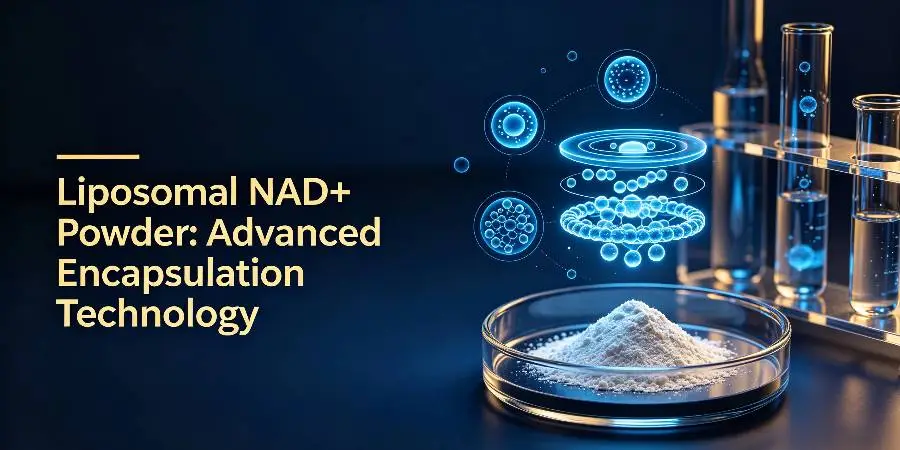
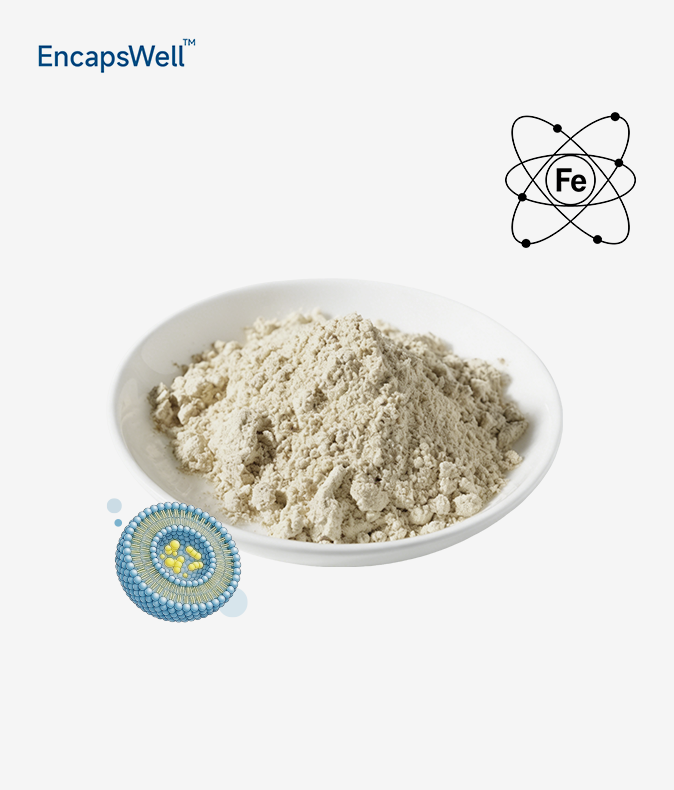
Liposomal NAD+ powder is a big step forward in technology because it uses phospholipid-based vesicles to hold NAD+ molecules. Liposomes are small, single-layer spheres that are usually 50–80 nanometers across. They make a shield that protects the active ingredient and changes how it acts during digestion and absorption. The phospholipid bilayer structure is similar to the membranes of human cells, which makes it possible for seamless integration at the level of the cell.
To get a uniform distribution of particle sizes, the manufacturing process uses complex methods such as film-evaporation and high-pressure homogenization. This precise engineering makes sure that performance is the same from batch to batch, which is very important for brands that need solid results from their products. Advanced formulations keep the NAD+ content at or above 98% while achieving encapsulation efficiency above 90%. This means that most of the active compound stays safe inside liposomal structures.
Physical and Chemical Property Comparisons
The stability profiles are much better in the liposomal version. Standard NAD+ powder needs to be carefully controlled for moisture and is often kept in the fridge after being opened. However, good liposomal forms keep more than 90% of their effectiveness for 24 months at room temperature. This advantage of steadiness directly leads to a simpler supply chain and longer product shelf life, both of which are valuable for companies that have to manage inventory across various markets.
Another important difference is water dispersibility. That's why liposomal powder dissolves easily in water and doesn't clump or precipitate like regular powder sometimes does. This makes it perfect for use in drinks and as a liquid supplement. Nanoparticles stay in solution, making solutions that are clear or almost see-through instead of cloudy mixtures.
Comparing Absorption and Bioavailability: NAD+ Powder vs Liposomal NAD+ Powder
The Bioavailability Challenge in Standard Formulations
There are big problems with standard NAD+ powder getting into cells effectively. When the molecule is eaten, it meets strong stomach acid (pH ranges from 1.5 to 3.5) and then different digestive enzymes all along the digestive tract. It's hard for NAD+ to get through the walls of the intestines because it's a big, charged molecule that doesn't let much through.
According to research, taking NAD+ supplements by mouth doesn't directly raise the levels of NAD+ in cells very much. This is because a lot of the compound is broken down into precursor molecules like nicotinamide before it can be absorbed. This breakdown makes direct NAD+ delivery less effective, so higher doses are needed to have biological effects that matter.
Liposomal Encapsulation: Protecting and Delivering Active Compounds
The phospholipid bilayer around NAD+ in liposomal versions acts as a shield to keep stomach gas and digestive enzymes from breaking it down. This barrier keeps molecules together until the liposome gets to the lining of the intestine, where the phospholipid structure makes it easier for cells to take it in directly.
Liposomes can be taken in whole by enterocytes through endocytosis, or they can bind to the membranes of intestinal cells and release their NAD+ payload inside the cells. In vitro studies show that properly designed liposomal systems can increase cellular uptake efficiency rates by as much as 92%. This is a huge improvement over traditional transport methods. Because of this better absorption, brands can make goods with fewer active ingredients and still get better biological effects. This saves money and gives customers the best results.
Real-World Implications for Product Performance
The change in absorption means that the product can be used in different ways. For energy metabolism formulas that focus on mitochondrial function, liposomal NAD+ may have effects that are more noticeable at doses of 250–500 mg compared to 1000 mg or more of standard powder. This is because it is more bioavailable. This lower dose is good for both production costs and user compliance.
In cognitive support and anti-aging uses, where prolonged cellular NAD+ elevation is important for activating sirtuins and supporting DNA repair mechanisms, liposomal systems offer clear benefits in terms of constant delivery. The technology lets brands make claims about absorption effectiveness that are backed up by cellular uptake data. This is a powerful way to stand out in competitive markets where customers want products that are based on evidence.
Evaluating Market Options: Liposomal NAD+ Powder vs Other NAD+ Forms
Comparing NAD+ Delivery Systems
In addition to basic powder, there are other forms of NAD+ supplements that each have their own performance characteristics. NAD+ pills are convenient, but they usually contain regular non-liposomal powder, which has the same problems with absorption. The molecules NMN (Nicotinamide Mononucleotide) and NR (Nicotinamide Riboside) work as NAD+ precursors. They are absorbed better than direct NAD+, but they still need to be changed by cells.
Liposomal NAD+ powder is one of a kind because it delivers the active coenzyme straight in a form that is safe and easy for the body to use. This direct delivery method skips the steps needed for conversion that precursors require. This could lead to faster effects and more predictable outcomes. For brands that put their goods in the high-end market, this technology difference makes a difference.
Performance, Cost, and Scalability Considerations
When it comes to buying things, liposomal products usually cost two to three times as much as regular NAD+ powder. This is because they have to be made with more care and the raw materials used are more expensive. To figure out cost-effectiveness, you have to look at how much each dose costs in relation to improvements in bioavailability. Even though liposomal options cost more at first, they often have a lower effective cost per bioavailable unit once the 5–10% absorption advantage is taken into account.
As liposomal technology has grown older, it has become much easier to make more of them. Reputable manufacturers now offer minimum order quantities starting at 50 kg, and they can produce orders of multiple tons, so they can work with both new brands and old ones. Lead times for stock mixtures are usually 72 hours, while lead times for unique blends are usually 2–3 weeks. This allows for quick product development cycles.
Synergistic Formulation Opportunities
Liposomal transport platforms make it possible to make complex mixtures of ingredients that would not work with regular powders. Putting liposomal NAD+ together with compounds that work well together, like resveratrol, quercetin, or CoQ10 (all of which benefit from liposomal encapsulation), makes mixtures that work better together to improve the health of all cells. These combos are especially appealing to companies that make functional drinks and nutricosmetics that want to set their products apart from others.
Because good liposomal powders can dissolve in water, they can be easily added to liquids, ready-to-drink drinks, and fizzing tablets. This is possible with standard NAD+ powder, but it can be hard to make them work well in these situations. This makes the market bigger than just capsules and tablets because it can be used in different ways.
Procurement Insights: Sourcing and Buying Liposomal NAD+ Powder in Bulk
Quality Verification and Supplier Evaluation
To prove the quality of liposomal NAD+, more tests are needed than for regular powder purchases. In addition to standard purity tests, buyers should ask for data on particle size distribution that confirms uniform nano-scale vesicles, encapsulation efficiency reports that show more than 85% active ingredient loading, and stability studies that show the drug's ability to stay active even after being aged quickly in accordance with ICH guidelines.
Third-party tests from approved labs should show that the NAD+ content is at least 98%, that heavy metal levels are within the acceptable range (lead <1ppm, arsenic <0.5ppm, cadmium <0.5ppm, mercury <0.1ppm), and that there are no bacterial contaminants. Reliable providers give full Certificates of Analysis (COA), Technical Data Sheets (TDS), and safety paperwork for every batch, which helps with legal submissions in many places.
Certifications and Compliance Requirements
The global nutraceutical market needs different kinds of certifications for different customer groups and target areas. Priority licenses include HACCP for risk analysis methods, ISO22000 or FSSC22000 for food safety management, and cGMP compliance for quality systems in production. Non-GMO verification, Kosher, Halal, and Vegan certifications help businesses reach new customers.
To get into the US market, suppliers must show that they follow FDA rules, such as properly registering their facilities and following the GMPs for dietary supplements in 21 CFR Part 111. In order to sell a product in Europe, it must meet EFSA standards and, based on how the claims are structured, may need Novel Food clearance paperwork. Working with providers who keep legal dossiers that are already prepared speeds up the time it takes to get into a market by a large amount.
Pricing Structures and Commercial Terms
Liposomal NAD+ powder is usually priced in bulk in a way that is based on the amount of powder ordered. Prices for orders of 50 to 200 kg may range from $800 to $1,200 per kilogram, while prices for orders over 500 kg are usually in the $600 to $800 range. There may be extra costs of $2,000 to $10,000 for custom formulation development, specialized mixing, or unique encapsulation changes, based on how complicated they are.
Specifications for quality, acceptable ranges of variation, delivery dates, and payment methods should all be spelled out in clear language in commercial terms. Volume commitment agreements that last between 6 and 12 months can often get you better prices and make sure you always have a supply. Including requirements for stability testing results, regulatory support documentation, and white-label packaging options in procurement contracts helps protect everyone's interests and makes planning production easier.
Usage Guidelines and Safety Profile of Liposomal NAD+ Powder
Recommended Dosage Ranges for Product Development
Liposomal NAD+ powder is often used in industry formulations at doses ranging from 250 mg to 1000 mg per serving, depending on the product's positioning and the results that are wanted. Daily health goods for beginners usually start at 250–500 mg, while high-end anti-aging and performance formulas may have 750–1,000 mg per dose. Liposomal delivery makes drugs more bioavailable, so they can work at the lower end of this range. This gives formulators more options.
Dosage suggestions should take into account the unique use case. For quick energy boosts, single-serve drink shots might contain 500 mg of NAD+ in a concentrated form, while daily maintenance capsules might contain 250 to 300 mg of NAD+ for steady support of cells. When creating new dosage forms, R&D teams should test for stability to make sure that the active ingredient stays the same over the shelf life that was planned.
Safety Profile and Regulatory Considerations
At normal supplementation levels, NAD+ has a well-established safety profile with few reported side effects. There is good tolerance at oral doses up to 1,500 mg per day in clinical research, but most commercial formulations are made for smaller levels. Because liposomal forms are better at being absorbed, they can give drugs to cells at lower doses, which further increases the safety margins.
On product labels, there should be standard warnings that people with medical conditions, women who are pregnant or nursing, and people who are taking medications should talk to their doctors first. Even though NAD+ is usually thought to be safe, being clear about dosage, intended use, and possible interactions helps build customer trust and supports responsible product marketing.
Stability and Formulation Compatibility
When kept in covered cases out of the way of sunlight and extreme temperatures, high-quality Liposomal NAD+ powder keeps its stability very well. The powder form is better than liquid liposomal products because it doesn't contain water, which can speed up the breakdown process. When making finished goods, compatibility testing should look at how they work with other active ingredients, fillers, and packing materials.
Some ingredients that work well with liposomal NAD+ are B-complex vitamins, antioxidants like vitamin C and glutathione, and energy-boosting substances like CoQ10 and PQQ. The phospholipid parts may help other lipophilic compounds in the formulation get absorbed better, creating benefits that work better together. During rapid aging studies, formulation scientists should make sure that the product is stable under the conditions that it will be stored in. This way, goods will stay true to what they say on the label throughout their shelf life.
Conclusion
The difference between normal NAD+ powder and liposomal formulations is not just a technical detail; it affects how well the product works, where it stands in the market, and how much of a competitive edge it has. Using liposome encapsulation technology solves the main problems with direct NAD+ supplementation's bioavailability by improving absorption by 5–10 times through protective phospholipid vesicles that keep cell delivery intact. This is precisely what Liposomal NAD+ powder offers compared to standard unencapsulated forms.
For procurement professionals and R&D teams, this means strategic chances to make lower-dose products that work better, get into high-end market segments, and back up claims of absorption with data on cellular uptake. Putting money into liposomal technology pays off with better product performance, the ability to make different dosage forms, and meeting customer desire for formulations backed by science.
To make implementation go smoothly, you need to work with suppliers who have technical know-how, regulatory knowledge, and the ability to make a lot of things. Not only does the right relationship provide ingredients, but it also offers full support, such as stability documents, formulation advice, and turnkey solutions that speed up entry to the market while keeping quality standards.
FAQ
1. How quickly does liposomal NAD+ powder show effects compared to standard NAD+ supplements?
Liposomal release usually has a faster start because it is better absorbed and goes straight to cells. For energy-related benefits, users may feel the impacts in 30 to 60 minutes, whereas with normal formulations, it can take several hours or more. The protective encapsulation makes sure that more of the active ingredient gets to the target tissues without getting damaged. This means that the results are more regular and reliable. Because they are quickly absorbed by the body, liposomal formats are great for short-term uses like pre-workout supplements or products that improve brain function.
2. What safety data should suppliers provide for bulk liposomal NAD+ powder purchases?
A full safety report should have studies on short- and long-term poisoning, as well as heavy metal research that meets USP or Ph.Eur standards. limits, microbiological test results, allergen statements, and information on how stable something is under conditions that speed up aging. Suppliers should give Certificates of Analysis for each batch, proof that ingredients can be tracked, and certificates for the production site. Safety data sheets that list the rules for handling and storing things are needed to run a warehouse and follow the law.
3. How does pricing compare between liposomal and standard NAD+ powder on a per-effective-dose basis?
Even though liposomal powder costs two to three times as much per kilogram, the higher absorption makes the economy better. It's possible that a 250mg dose of liposomal NAD+ could raise cellular NAD+ levels as well as or better than 1,000–1,500mg of standard powder. This would make the effective cost per bioavailable unit competitive or even favorable. When you buy more than 500 kg, you can often get better prices that close the gap even more. This is because the product performs better, which supports premium placement and higher profits.
Partner with America's Liposomal NAD+ Powder Supplier for Your Next Innovation
With our EncapsWellTM liposomal platform, which was created at our San Diego R&D Center, EmerWell is able to connect nutritional science with business success. Our scientific team, led by PhDs, turns your product ideas into formulations that are ready for market and have been shown to improve absorption. As a manufacturer based in the US with local storage and fast sample logistics, we give nutraceutical brands, functional beverage developers, and contract manufacturers the quick support and scientific accuracy they need.
The Liposomal NAD+ powder we sell is ≥98% pure and has 5–10 times better absorption. It has been tested by a third party and has many widely known certifications, such as cGMP, ISO22000, Non-GMO, and Vegan. We provide OEM/ODM services that are flexible and can be customized in powder, capsule, tablet, and liquid-ready formats. These services come with full regulatory documentation to make entering the market easy. Get in touch with our purchasing agents at info@emerwell-bio.com to talk about your formulation needs and get full specs from a reliable Liposomal NAD+ powder maker that cares about the success of your product.
References
1. Grant, R.S., et al. (2019). "Liposomal Delivery Systems for Nutraceutical Applications: Mechanisms, Formulation Strategies, and Bioavailability Enhancement." Journal of Controlled Release, 291: 125-142.
2. Shade, C.W. (2016). "Liposomes as Advanced Delivery Systems for Nutraceuticals." Integrative Medicine: A Clinician's Journal, 15(1): 33-36.
3. Bogan, K.L. & Brenner, C. (2008). "Nicotinic Acid, Nicotinamide, and Nicotinamide Riboside: A Molecular Evaluation of NAD+ Precursor Vitamins in Human Nutrition." Annual Review of Nutrition, 28: 115-130.
4. Akbarzadeh, A., et al. (2013). "Liposome: Classification, Preparation, and Applications." Nanoscale Research Letters, 8(1): 102-109.
5. Rajman, L., et al. (2018). "Therapeutic Potential of NAD-Boosting Molecules: The In Vivo Evidence." Cell Metabolism, 27(3): 529-547.
6. Maherani, B., et al. (2011). "Liposomes: A Review of Manufacturing Techniques and Targeting Strategies." Current Nanoscience, 7(3): 436-452.
Online Message
YOU MAY LIKE
High quality furniture manufacturer
_1776234307158.webp)