Jul 8, 2026
What is the Best Liposomal Omega-3 Powder? Our Advice and Opinions
When looking for liposomal Omega-3 powder for your line of products, it's best to choose formulations with high solubility, peroxide values below 2 meq/kg, and safe ingredients that are labeled as "clean." These are the best choices because they don't have any fishy smells, stay stable over time, and come from sources with tested encapsulation technology and low minimum order amounts. In our experience at EmerWell, the best goods have non-GMO lecithin carriers and exact EPA/DHA ratios. These combination give 8–12 times better absorption than regular fish oil while still meeting the high quality standards your buyers expect.
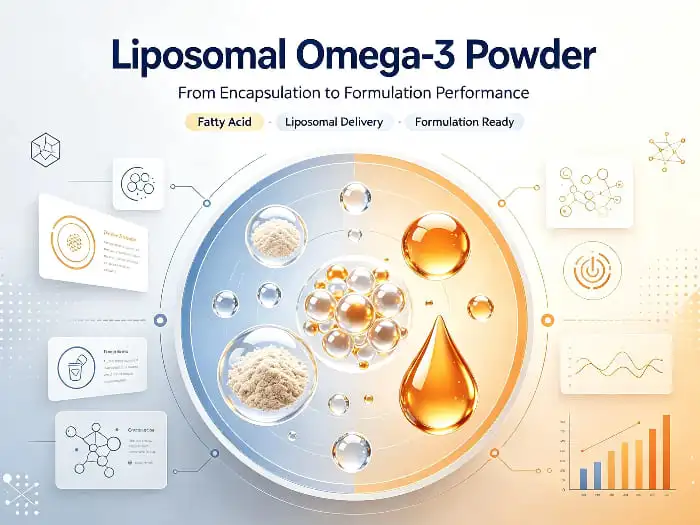
Understanding Liposomal Omega-3 Powder: What It Is and How It Works
The Science of Liposomal Encapsulation
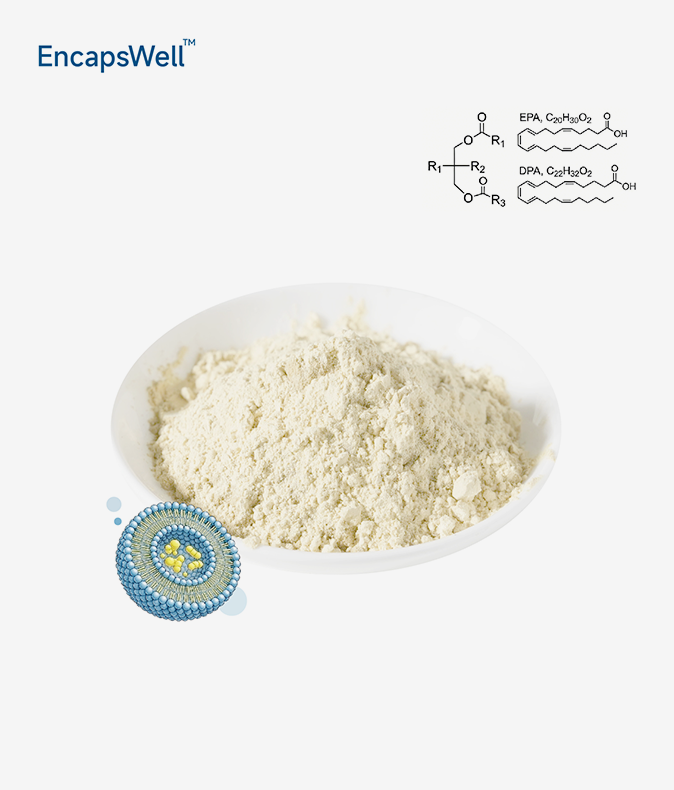
Liposomal technology is a big step forward in getting nutrients to where they need to go. It uses phospholipid bilayers to make tiny bubbles that hold and move EPA and DHA fatty acids. These structures have a width of 100 to 400 nanometers, and their hydrophilic outer layer and hydrophobic inner core make it possible for liposomal Omega-3 powder to stay in good shape. This building plan keeps sensitive fatty acids from being broken down by stomach acid and enzymes, so they can be delivered whole to places in the intestines where they can be absorbed.
Advanced production methods are used in the encapsulation process to make sure that the particles are all the same size and that the encapsulation process works the same way every time. Quality formulas get encapsulation rates of more than 90%, which means that very little free oil is exposed and the defensive effects are at their highest. This careful engineering makes premium liposomal ingredients different from regular emulsions or simple powder mixes that don't have membrane-bound structures.
Bioavailability Advantages Over Conventional Formats
Liposomal omega-3 delivery makes omega-3s 8 to 12 times more bioavailable than regular fish oil products, according to research. The huge improvement is due to the fact that liposomes and intestine epithelial cells are structurally compatible. Liposomal particles don't need to go through a lot of complicated digestive processes. Instead, they join directly with cell membranes through endocytosis, which makes it easy for them to be quickly taken into the systemic circulation.
Clinical findings show that liposomal formulations reach their highest plasma concentrations two to three hours faster than regular supplements, and that these levels stay high for longer amounts of time. This pharmacokinetic profile helps people who need help right away and want to keep tissue levels steady throughout the day. For people who make products, these features make it possible for lower dose needs and better label claims that are backed up by data on absorption.
Health Benefits Driving Market Demand
For healthy heart function, brain health, immune system regulation, and clear vision, omega-3 fatty acids are very important. EPA and DHA are found in cell membranes all over the body and affect processes that cause inflammation, the breakdown of fats, and the communication between cells. These benefits are amplified by liposomal formats' better release efficiency, which makes them especially appealing for condition-specific formulas.
Cardiovascular uses help keep lipid levels fit and the circulatory system working well. Some of the neurological benefits of DHA are maintaining brain health and improving focus. DHA is a structural part of neural tissue. Omega-3s help control the inflammatory reaction in immune system uses, while ocular health products focus on retinal function for people who need to see a lot or who are worried about their eyes getting worse with age.
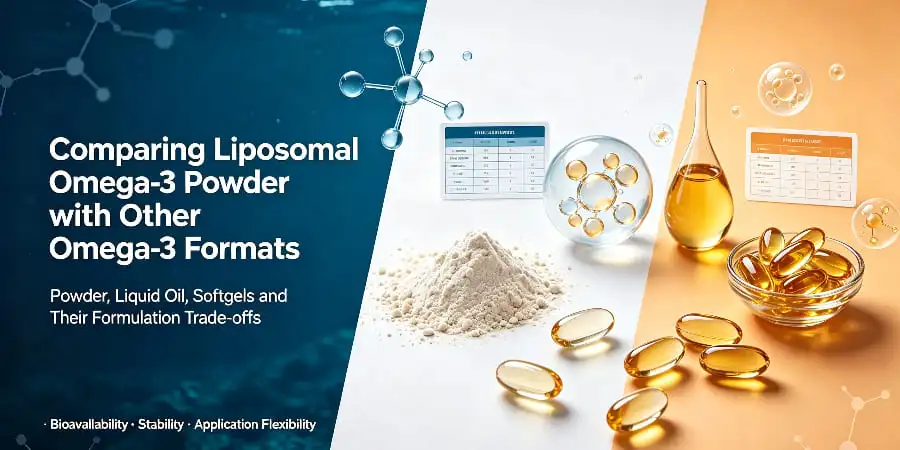
Comparing Liposomal Omega-3 Powder with Other Omega-3 Formats
Format-Specific Performance Characteristics
The supplement industry offers omega-3 in a number of different forms, and each has its own pros and cons that should be taken into account when making B2B purchasing choices. Knowing about these differences helps companies choose ingredients that fit their product's image, target audience, and recipe needs.
Liposomal Omega-3 powder stands out for its flexibility and safety. This format dissolves easily in water, juice, and plant-based milk replacements, which makes it perfect for functional beverage uses and dose situations that can be changed. The powder form makes it easier to keep track of supplies and ship packages, and it also lets formulators make exact changes while the product is being developed. It stays stable at room temperature as long as it is stored properly, so it doesn't need to be kept in a cold chain. This means that it can be stored for 18 to 24 months and still have over 95% of its active ingredients.
Liposomal Omega-3 Oral Liquid is easy to use right away, which is especially important in supplements for kids and nutrition items for seniors. These mixtures have natural fruit flavorings that cut down on the need for extra mixing while still allowing for quick absorption. The liquid format works well for single-serve packaging and on-the-go uses, but it usually needs more complicated storage systems and costs more to ship because of its weight and size.
Liposomal Omega-3 Capsules make it easy for people to get the right amount of supplement and cover up any smell, which is important for people who like traditional supplement forms. Vegetable pill shells look good on a clean label and can be used by people with a variety of dietary restrictions. If uniform dosing and long-term shelf stability are important for private-label products, this format works great. However, it needs more manufacturing steps and tools than bulk powder handling.
Stability and Quality Metrics
Oxidative stability is an important quality factor for omega-3 ingredients that has a direct effect on their safety and effectiveness. The peroxide value measures the amount of lipid oxidation. For food supplements, the highest number that is usually allowed is 5 meq/kg, which is set by international guidelines. Premium liposomal versions have peroxide values below 2 meq/kg, which means they are better at protecting against oxidative breakdown and useful ingredients last longer.
The physical shield that liposomal membranes provide against air, light, and reactive metal ions is what makes them more stable. Quality makers stop the chain reactions that make off-flavors, smells, and potentially dangerous oxidation byproducts by enclosing EPA and DHA in protective phospholipid structures. This safety works for the normal amount of time that goods are stored as long as they are kept at the right temperature and humidity.
Addressing the Fishy Odor Challenge
Traditional fish oil pills have smells that make people not want to take them, which lowers the participation rate. In the past, this sensory challenge has made it harder for new products to enter the general health market and has slowed down market growth. This problem can be solved by using advanced liposomal versions that completely encapsulate volatile chemicals, stopping them from reaching olfactory receptors while the food is being eaten.
Getting rid of the fishy smell and taste opens up new uses in healthy foods, beauty-from-within goods, and child nutrition. Clean sensory profiles let formulators make drinks, smoothie powders, and snacks with added nutrients that taste good without using strong flavorings that could hurt the clean-label stance. This benefit is especially appealing to younger customers and people who have avoided taking omega-3 supplements in the past because they didn't like the way they tasted.
Choosing the Best Liposomal Omega-3 Powder: Key Criteria for B2B Buyers
Ingredient Purity and Safety Standards
Product makers looking for ingredients that will work for a wide range of customers need to put purity requirements and safety paperwork at the top of their list. The best liposomal Omega-3 powders use pharmaceutical-grade EPA and DHA that come from sustainable marine sources. They also go through strict testing methods to make sure they don't contain any heavy metals, environmental contaminants, or microbial pathogens.
Clean-label formulas use non-GMO lecithin carriers from sunflower or sustainable soy, so they don't contain common allergens like gluten, lactose, or shellfish products. This choice of ingredients allows for "free-from" claims that appeal to health-conscious customers and people on special diets. Notably, formulations that meet these strict purity standards are safe for fragile groups like babies, kids, pregnant women, and the old, which opens up new market opportunities.
Encapsulation Efficiency and Particle Characterization
Technical details that set excellent liposomal ingredients apart include zeta potential readings, particle size distribution, and encapsulation efficiency numbers. Encapsulation rates above 90% show that omega-3 is effectively incorporated within liposomal structures rather than existing as free oil. This is directly related to how well it works and how stable it is against oxidation.
The fact that particle size analysis for this Liposomal Omega-3 powder shows narrow distribution curves around 200–300 nanometers indicates that the production process was well-controlled and that batch-to-batch quality remained consistent. This uniformity directly influences the dissolution rate, absorption kinetics, and miscibility with other functional ingredients. Meanwhile, zeta potential measurements, which assess surface charge and suspension stability, allow us to predict the shelf-life performance of finished products containing this powder.
Certification and Proof of Compliance
To deal with the different rules that apply to foreign markets, sellers need to keep up-to-date licensing portfolios. GMP approval shows that a company follows modern good manufacturing practices. These include standards for building layout, process controls, quality systems, and paperwork. Getting an ISO certification shows that you are committed to consistent quality management and methods for ongoing growth.
Organic certifications appeal to high-end markets and specialty retail outlets, but they require proof of tracking from where the raw materials come from to where the finished product is sold. Independent proof of label claims, potency specifications, and purity standards comes from third-party testing verification from approved labs. Each batch should come with a certificate of analysis (COA) that lists the tests that were done on the peroxide value, EPA/DHA level, heavy metals, microbiological parameters, and related contaminants.
Supplier Reliability and Partnership Considerations
Successful business-to-business partnerships include more than just the original product standards. They also include the dependability of the supply chain, the ability to provide professional support, and the chance to work together on new projects. Check out possible suppliers based on how well they can handle inventory, how much production capacity they have, and how consistent their lead times are. Flexible minimum order quantities work for new brands and testing stages, while bulk buying choices are good for well-known names.
Technical help from experienced teams speeds up formulation development, solves problems with consistency, and gives legal advice for target markets. Logistics are easier and time-to-market stresses are lower when suppliers offer local storage and quick customer service. Long-term relationships work best when makers show they can come up with new ideas, communicate clearly, and commit to keeping quality the same across all production batches.
Procurement Guide: Where and How to Buy Liposomal Omega-3 Powder
Direct Manufacturer Partnerships
Building connections with companies that make specialized liposomal ingredients has many benefits for serious product makers and well-known brands. Direct partnerships give you access to technical know-how, the ability to customize, and reasonable price that you can't get through middle-man channels. When companies have their own encapsulation platforms, they can change the EPA/DHA ratios, particle sizes, and carrier formulas to make products that work best for certain uses.
Manufacturers who care about quality have separate R&D labs where formulation experts work with clients to improve products, test their stability, and come up with methods for scaling them up. This technical relationship is very helpful when coming up with new ways to send medicines or solve problems with specific formulations. Direct buying also makes sure that the whole supply chain is clear, with records that show where the items came from and how they were made all the way through to quality control and release.
Evaluating Bulk Purchase Economics
Pricing models that are based on volume have a big effect on product earnings and how well a product stands in the market. Buying in bulk usually comes with tiered savings that represent economies of scale in scheduling production, getting raw materials, and making the best use of logistics. For specialty ingredients like Liposomal Omega-3 powder, these volume tiers are particularly critical, as their complex encapsulation process creates significant fixed costs that must be absorbed across batch sizes. When reviewing seller bids for different order amounts, you should add up all the landed costs, which include shipping, taxes, storage, and carrying costs.
Inventory management tries to find the right mix between saving money on costs and the need for operating capital and limited storage space. Products that can stay on the shelf for 18 to 24 months let you buy more without worrying about them going bad, which helps your cash flow and keeps you safe from supply problems. Scheduled releases through subscriptions or blanket orders keep prices stable while reducing the need to hold supplies.
Quality Verification and Supplier Auditing
Facility checks should be part of the due diligence process. These can be done in person or virtually with thorough reports. Check the cleanliness of production areas, the upkeep of tools, process controls, and the use of quality systems. Check batch records, deviation logs, and documents for correction actions to see how consistent operations are and how well they can solve problems.
Ask for example samples along with records of analysis so that they can be tested independently. A lab test from a third party verifies the claimed specs and finds any problems that need to be fixed before a bigger buy is made. Set up clear quality agreements that spell out accepted standards, who is responsible for testing, how to file a complaint, and how to release batches. For those procuring liposomal Omega-3 powder, this auditing is essential.
Safety, Dosage, and Usage Guidelines for Liposomal Omega-3 Powder
Safety Profile and Contraindications
When consumed according to set rules, omega-3 fatty acids are very safe for a wide range of people. There aren't many bad effects reported in clinical papers. The most common ones are mild stomach problems that usually go away when the dose is changed or when the drug is taken with food. Traditional supplements can make people feel sick and cause reflux, but liposomal Omega-3 powder forms get rid of the fishy smell.
People who take blood thinners or deal with bleeding problems should talk to their doctors before taking high doses of omega-3s because they might affect how platelets work and how well blood clots. People who are allergic to seafood should check where the ingredients come from and how they are processed, but properly refined fish oil blends don't have many allergenic protein leftovers. Liposomal vitamins made with non-GMO lecithin don't have the extra pollen problems that come with some other supplements.
Application-Specific Dosing Recommendations
EPA and DHA levels in nutritional supplements are usually aimed at between 250 mg and 1000 mg per day, though exact advice depend on health goals and demographics. Cardiovascular support formulas usually have 500–1000 mg of EPA and DHA together, while brain health formulas might focus on DHA-rich ratios at 200–400 mg daily. Doses that are right for each age group must be used with pediatric versions. For example, 50–150 mg of DHA can help babies and little kids grow.
Functional food and drink apps use smaller amounts per dose, so they can be eaten or drunk more than once a day without having an effect on the senses. Fortified drinks could have 100–200 mg of caffeine per serve, marketing the goods as easy ways to stay healthy every day rather than as medical treatments. The same logic applies to liposomal Omega-3, which can deliver effective daily support in a compact, sensory-neutral format. Because liposomal delivery makes ingredients more bioavailable, formulators can get the tissue amounts they want with fewer ingredients than with other forms.
Storage and Handling Best Practices
To keep the purity of ingredients during storage and distribution, external factors that affect oxidative stability need to be taken into account. Liposomal Omega-3 powders should be kept in sealed cases out of the sun and in cool, dry places below 25°C. These improved products can be stored at room temperature, but refrigeration makes them last longer and keep their best quality.
Limit the amount of moisture that powder comes into contact with during handling and packing. Moisture can change how easily powder flows and speed up the degradation process. When you measure and blend, use clean, dry tools to keep them from getting contaminated with toxic ingredients or microbes from other sources. Use first-in, first-out inventory movement and test kept goods for peroxide value on a regular basis to make sure finished goods stay up to quality standards for the full amount of time they are labeled as "shelf-life."
Conclusion
To choose the best liposomal Omega-3 powder ingredients, you need to carefully look at bioavailability data, stability measures, sensory features, and the supplier's abilities. The best versions use modern encapsulation technology and choose ingredients that are safe for the environment. They also have peroxide levels below 2 meq/kg and don't have any fishy smells. These performance qualities make it possible for new products to be made in nutraceutical, functional food, and beauty-from-within categories. They also meet a wide range of customer needs, from supporting active age to providing nutrition for kids.
Successful buying strategies put an emphasis on relationships with suppliers that offer technical know-how, flexible minimums, full licenses, and dependable supply lines. By knowing the benefits of each format and the needs of each application, business-to-business buyers can easily find ingredients that set their wellness goods apart in crowded markets while also giving customers measurable benefits and better absorption and stability.
FAQ
1. How does liposomal omega-3 powder differ from standard fish oil capsules?
Liposomal versions put EPA and DHA inside phospholipid spheres, which keep the fatty acids from breaking down in the digestive system and make them easier for cells to take in directly. This makes the solubility 8–12 times higher than with regular pills. It also gets rid of the fishy taste and makes the liposomal Omega-3 powder more resistant to oxidation. The powder form gives you more options for using it in drinks and lets you customize the amount, which isn't possible with fixed-dose pills.
2. Can I purchase liposomal omega-3 powder in bulk for private label products?
With volume-based prices and flexible minimum order amounts, good sellers make it easy to buy in bulk for private label uses. Reliable makers offer white-label services, custom formulation creation, and full paperwork to meet the legal needs of different foreign markets for each brand.
3. What certifications should I verify when selecting a supplier?
Give providers that have GMP certification, ISO quality management systems, and third-party testing proof from approved labs top priority. Other important certificates, depending on the market, are organic credentials, kosher or halal approval, and non-GMO proof. Ask for up-to-date records of analysis that show you're following the rules for heavy metals, microbiology, and peroxide value.
Partner with EmerWell for Premium Liposomal Omega-3 Solutions
Through our own EncapsWell™ platform, EmerWell specializes in making advanced liposomal supplement recipes that turn new ideas into high-performance goods that are better absorbed by the body. Our R&D team in San Diego works closely with companies that make nutraceuticals, functional foods, and contract makers who are looking for top liposomal Omega-3 powder providers. Our cGMP-certified production partner backs up our full range of technical support services, adjustable minimum order quantities, and quick sample shipping. If you're making new supplements, functional drinks, or beauty-from-within goods, our knowledge of liposomal delivery methods will help your formulations be as stable, effective, and appealing to customers as possible. Get in touch with us at info@emerwell-bio.com to talk about your needs and find out how our EncapsWell™ technology can help your products stand out.
References
1 .Schuchardt JP, Hahn A. Bioavailability of long-chain omega-3 fatty acids. Prostaglandins, Leukotrienes and Essential Fatty Acids. 2013;89(1):1-8.
2. Ghasemifard S, Turchini GM, Sinclair AJ. Omega-3 long chain fatty acid "bioavailability": A review of evidence and methodological considerations. Progress in Lipid Research. 2014;56:92-108.
3. Köhler A, Sarkkinen E, Tapola N, Niskanen T, Bruheim I. Bioavailability of fatty acids from krill oil, krill meal and fish oil in healthy subjects. Journal of Functional Foods. 2015;17:360-367.
4. Akoh CC, Min DB. Food Lipids: Chemistry, Nutrition, and Biotechnology. Third Edition. CRC Press. 2008.
5. Mozafari MR, Johnson C, Hatziantoniou S, Demetzos C. Nanoliposomes and their applications in food nanotechnology. Journal of Liposome Research. 2008;18(4):309-327.
6. Shahidi F, Ambigaipalan P. Omega-3 polyunsaturated fatty acids and their health benefits. Annual Review of Food Science and Technology. 2018;9:345-381.
Online Message
YOU MAY LIKE
High quality furniture manufacturer