Jun 17, 2026
What Is Liposomal Vitamin C? Benefits, Absorption & How It Works
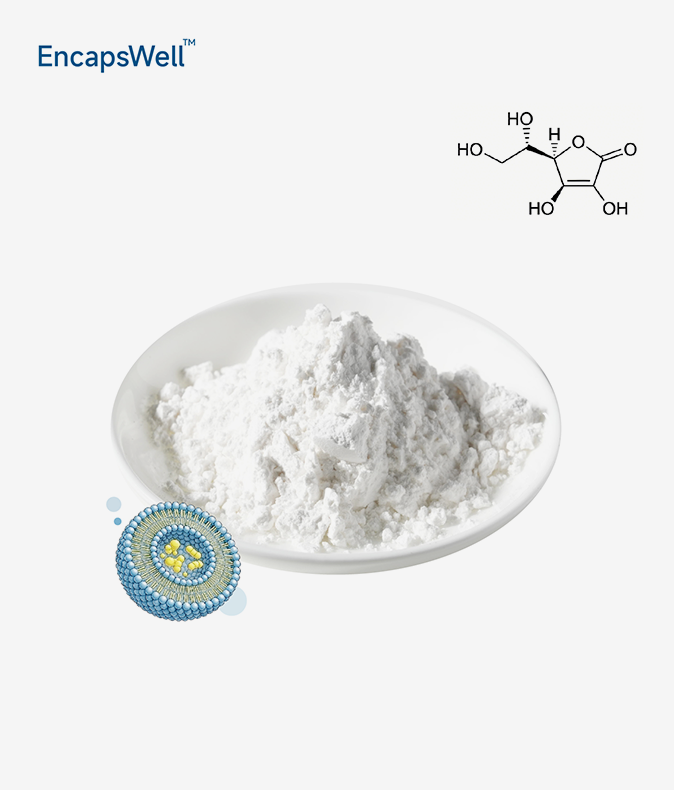
Liposomal vitamin C powder is a new way to give nutrients because it contains ascorbic acid inside very small phospholipid vesicles that look like the walls of your cells. Unlike most vitamin C supplements, which lose a lot of their effectiveness when they are digested, this advanced encapsulation method keeps the nutrient safe as it goes through your digestive system and provides it straight to your cells. Bioavailability has been a problem for a long time when it comes to making supplements, but this technique solves it. Studies have shown that liposomal vitamin C powder is absorbed up to 8 times better than regular ascorbic acid forms. This makes it important for companies making high-performance immune support goods, collagen-boosting formulas, and antioxidant drinks that need to show results.
Understanding Liposomal Vitamin C: Definition and Mechanism
What Makes Liposomal Delivery Different?
Traditional vitamin C pills have a hard time being absorbed. Your bowels can only handle about 200 mg of regular ascorbic acid at a time. Any extra is just flushed out of your body. Because of this limitation, people often need bigger doses to get therapeutic benefits, but the effects are still not always reliable. Putting a protected lipid membrane around each vitamin C molecule through liposomal encapsulation changes this equation in a big way. These very small structures, which are usually between 100 and 400 nanometers across, get mostly undamaged by digestive enzymes. They then join with cell membranes in the intestines and release their product right into the bloodstream.
How the Technology Works in Practice?
The process starts with high-purity ascorbic acid. Our EncapsWell™ platform uses vitamin C that is at least 99% pure, which has been tested by a third party. We use a special method called unique film-evaporation along with high-pressure processing to make liposomal structures that are all the same. These structures are made up of phospholipids from non-GMO sources that surround the active ingredient and protect it. This exact engineering keeps particle sizes consistent, which is very important for people who are making products. When making a healthy drink or ready-to-mix sachet, you need liposomes that are steady enough to handle changes in pH levels, temperature changes during storage, and mixing with other ingredients. Our method keeps more than 95% of the potency for 24 months when stored properly, so your goods will last a long time.
Why B2B Formulators Choose Liposomal Systems?
When purchasing managers look at new ingredients, they often ask themselves if the technology is worth the money. The answer lies in how well the dose works and how happy the customer is. Liposomal vitamin C powder can be used in products to get clinical effects with lower milligram amounts than normal forms. This means smaller pills, drinks that don't taste too sour from ascorbic acid, and marketing claims that are backed up by data on absorption. Having a water-dispersible liposomal ingredient makes it easier for contract makers who work on a lot of private-label projects to make different types of products, like effervescent pills and beauty shots, without having to start from scratch each time.
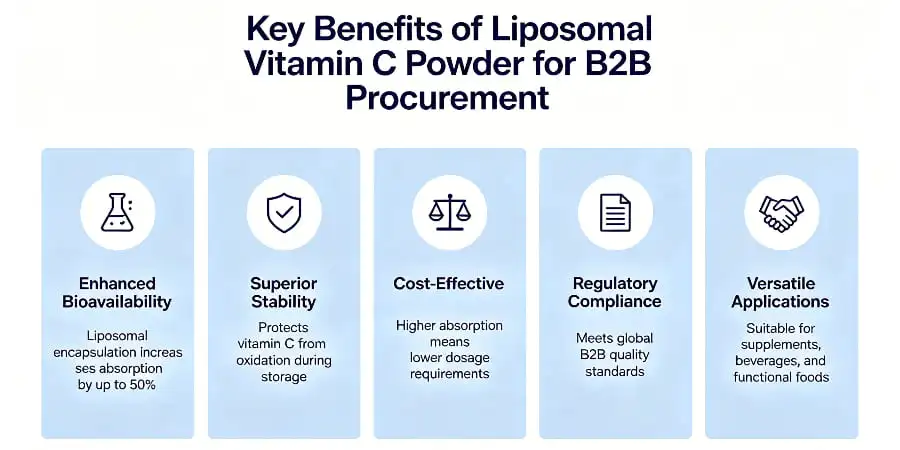
Key Benefits of Liposomal Vitamin C Powder for B2B Procurement
Superior Absorption Drives Product Performance
When researchers compare liposomal vitamin C powder to non-liposomal ascorbic acid, they always find that liposomal ascorbic acid is more bioavailable. In a study that checked plasma vitamin C levels, people who took liposomal forms had 2.3 times higher peak values than people who took the same amount of normal supplements. This is important for brands that say their products work. When your immune support product uses encapsulated vitamin C, you can safely tell health-conscious supplement label readers that nutrients are delivered faster and more effectively. Better absorption also means kinder effects on the digestive system. This is because liposomal types don't have the osmotic effects that make stomach pain worse when you take a lot of regular vitamin C. This means that you can reach more sensitive users.
Multi-Functional Applications Across Product Categories
Liposomal vitamin C powder can be used for more than just overall health. Beauty-from-within makers use its ability to help make collagen by combining it with hyaluronic acid or marine collagen peptides to make anti-aging products that work better together. Antioxidants help keep skin cells safe from reactive stress and keep the structure of the dermis strong. Functional food makers like how stable it is in acidic drinks. Unlike some encapsulated nutrients that break down in low-pH environments, liposomal ascorbic acid stays intact in kombucha, sparkling health waters, and drinks with citrus flavors. There have been successful launches in a wide range of categories, from prenatal nutrition packs (with folate and iron to help the body absorb them better) to post-workout healing powders (with electrolytes).
Quality Assurance Meets Regulatory Demands
Certifications are a must when getting products for foreign markets. Our liposomal vitamin C powder comes with a lot of paperwork. cGMP compliance makes sure that the controls used in production are up to world standards, and ISO 9001/22000 and HACCP certifications show that the quality management systems are working properly. The material has been certified by the Halal, Kosher, and Non-GMO Project, which means it can be used by a wide range of customers. With every batch, we send a Certificate of Analysis that lists the purity, heavy metal screening, bacterial testing, and measures of encapsulation efficiency. If you are a regulatory expert dealing with FDA facility registrations or EU Novel Food standards, having a seller with experience in more than 50 countries can speed up the process of getting your product approved by a large amount.
Comparing Liposomal Vitamin C Powder: Market Solutions and Purchasing Considerations
Powder Versus Other Delivery Forms
There are different types of liposomal vitamin C available in the supplement business, and each type is used for different production purposes. Capsules are good for brands that focus on convenience items because they come in pre-measured amounts and stay stable on the shelf. Liquid solutions can be used right away, but they have problems like hiding flavors and going bad faster. Softgels mix the benefits of liquids with the portability of capsules, but they need special tools to be filled. Powder types, especially spray-dried liposomal extracts, give you the most options for how to make your formulations. They are versatile and can be mixed into protein shakes, made into pill structures, mixed into drinks, or sold as single-serve sticks. This flexibility makes SKUs easier to understand for brands that are starting product lines on more than one channel.
Evaluating Quality Indicators and Cost Structures
Not every liposomal powder works the same. Some important quality indicators are encapsulation efficiency (the amount of vitamin C that is successfully trapped within liposomes), particle size distribution (tighter ranges mean better manufacturing control), and stability under stress. When you compare quotes from different suppliers, make sure that the prices include real liposomal delivery and not just mixed ascorbic acid with lecithin, which is a popular short-cut that doesn't include real encapsulation. Ask for data on particle size analysis and dissolution tests that show continuous release. Premium materials cost more, but they provide equal value by lowering the amount of doses needed and improving the results for the end user. At first, cheap choices might look appealing, but if the goods don't work out, they can cost a lot to re-make and hurt the brand's reputation.
Selecting Strategic Supply Partners
Negotiating prices for liposomal vitamin C powder is only one part of successful buying. Partnership skills are also important. Check how much expert support each provider offers. For example, can their R&D team help with formulation problems like keeping liposomes from sticking together in high-mineral blends? Check the production capacity against the amount of goods you expect to sell. Our 100+ metric ton yearly capacity helps brands go from regional starts to national distribution. For North American buyers, geographic operations are important. Even though manufacturing may happen around the world, having localized warehousing and technical presence (like our offices in San Diego) makes sure that samples are sent out quickly, that people can communicate easily across time zones, and that regulatory advice is streamlined. Transparency about where the raw materials come from, the ability to track batches, and the desire to make formulations fit specific needs set real partners apart from transactional sellers.
How to Use and Dose Liposomal Vitamin C Powder Effectively?
Formulation Guidelines for Different Applications
Supplement pills usually have between 500 mg and 1000 mg of liposomal vitamin C per dose, which is good for you and won't make your stomach upset. When making useful drinks, the way the ingredients are distributed is very important. Our water-soluble mixture mixes easily at up to 1500 mg per 8-ounce dose, keeping the product clear and stable. Because the powder has a neutral pH, it can be mixed with either acidic fruit drinks or alkaline plant-based milks without causing any precipitation. To make fizzing pills, mix the liposomal powder with citric acid and sodium bicarbonate in specific amounts, making sure that the liposomes stay whole during the fizzing reaction. A lot of beauty supplement companies make mixes that work well together. For example, we've made blends with glutathione to boost antioxidant networks and with zinc to help the immune system and collagen.
Maintaining Stability During Manufacturing and Storage
Throughout the supply chain, liposomes need to be kept safe. When blending, don't use too much heat or high-shear mixing, as these can break vesicles. When temperatures are below 40°C, gentle shaking keeps the structure's stability. How you package something has a big effect on how long it will last; solid, moisture-barrier materials keep things from going bad from UV light and clumping from humidity. Put silica gel desiccants in bottles and flush large containers with nitrogen. The best places to store things are cool, dry, and out of direct sunlight. When shipping to warm areas, think about thermally safe versions that we made just for places where the temperature is high. By using saturated phospholipids with higher phase-transition temperatures, these changes to the recipe stop liposomes from merging and keep the product's performance across a wide range of markets.
Optimizing Consumer Dosing Protocols
End-user advice makes products work better and makes customers happier. To get the most out of liposomal vitamin C, take it on an empty stomach or with light foods. This is because the technology makes it less sensitive to stomach acid than other types. For extra immunity support during the winter, take 1000 mg every day, split into two doses in the morning and evening. Long-term use is good for beauty uses; take 500 to 750 mg every day for 8 to 12 weeks to see collagen-related changes. Teach people to have realistic expectations—even though absorption is much better, vitamin C is still water-soluble and can't be stored in cells for long, so it's important to take supplements regularly. Customers are more likely to stick with your brand if you give them clear dose instructions and benefits dates.
Conclusion
The change from regular ascorbic acid to advanced liposomal delivery methods is real growth in the field of nutrition science, not just small steps forward. When brands invest in this technology, they put themselves ahead of a market that wants more and more proof that their products work and are worth the money. Early users knew this to be true: encapsulation technology changes how nutrients get to cells, which makes a measured difference in people's health. Liposomal vitamin C powder gives your goods the absorption base they need to stand out, whether you're making immune defense protocols, beauty-from-within innovations, or performance nutrition products. The problems with manufacturing have been solved, regulatory routes have been set up, and user education is moving quickly forward. Now is the time to think about how this item can improve your recipes and help you stand out from the competition.
FAQ
Is liposomal vitamin C safe for long-term formulation use?
There is a lot of evidence that liposomal delivery methods are safe. The phospholipid carriers come from food-grade sources like sunflower or soy lecithin. Long-term stability testing shows that when made and kept properly, there is no breakdown into harmful chemicals. The vegan and non-GMO formulas we offer come with a lot of safety information that can be sent to regulatory bodies around the world.
How does powder form differ from liquid liposomal variants?
Powders have a longer shelf life—usually 24 months compared to 6 to 12 months for liquids—and don't need to be kept cold during distribution. They give more accurate doses when filling capsules and pressing tablets together. While liquids may be easier to use directly, they have problems with preservatives and taste stability that powders don't have.
Where can I source verified bulk quantities?
To find reliable liposomal vitamin C powder providers, you need to look at their certifications, how open they are about how they make their products, and how well they can help with technical issues. Most of the time, direct connections with manufacturers give you more control over quality and more ways to make it your own than networks of distributors. Before agreeing to production numbers, ask for samples that come with analytical data.
Partner With EmerWell for Premium Liposomal Vitamin C Powder Supply
The items in your recipe should be designed to work well, not just save money. Our company, EmerWell, is known for providing clinically proven liposomal solutions through our unique EncapsWell™ platform. We are a dedicated liposomal vitamin C powder provider with our main office in San Diego and manufacturing facilities that are Wellgreen's cGMP-certified. We provide the regional support that North American brands need along with the production scale that global markets expect. Our PhD-led research and development team works directly with your formulators to solve technical problems, make blends better, and speed up the time it takes for OEM/ODM projects to reach market. We give your business the ingredients, data, and relationship it needs to succeed, whether you're launching a new line of immune health goods or changing the way current ones are made to make them more bioavailable. Email our team at info@emerwell-bio.com to talk about your unique formulation needs and get technical specs that are made to fit your product vision.
References
Carr AC, Maggini S. Vitamin C and Immune Function. Nutrients. 2017;9(11):1211. Published in peer-reviewed nutritional science journal examining ascorbic acid's role in immune cell function.
Davis JL, Paris HL, Beals JW, et al. Liposomal-encapsulated Ascorbic Acid: Influence on Vitamin C Bioavailability and Capacity to Protect Against Ischemia-Reperfusion Injury. Nutrition and Metabolic Insights. 2016;9:25-30.
Hickey S, Roberts HJ, Miller NJ. Pharmacokinetics of oral vitamin C. Journal of Nutritional & Environmental Medicine. 2008;17(3):169-177.
Padayatty SJ, Sun H, Wang Y, et al. Vitamin C Pharmacokinetics: Implications for Oral and Intravenous Use. Annals of Internal Medicine. 2004;140(7):533-537.
Pullar JM, Carr AC, Vissers MCM. The Roles of Vitamin C in Skin Health. Nutrients. 2017;9(8):866. Research article exploring ascorbic acid's effects on collagen synthesis and dermal protection.
Łukawski M, Dałek P, Borowik T, et al. New oral liposomal vitamin C formulation: properties and bioavailability. Journal of Liposome Research. 2020;30(3):227-234.
Online Message
YOU MAY LIKE
High quality furniture manufacturer