Jul 24, 2026
What Is Liposomal Resveratrol and How Does It Work in the Body?
Liposomal resveratrol powder represents a breakthrough in nutraceutical delivery technology, combining trans-resveratrol—a potent polyphenol antioxidant—with phospholipid bilayer encapsulation. This advanced formulation protects resveratrol from premature degradation in the digestive tract while facilitating direct cellular absorption, bypassing extensive hepatic metabolism that compromises conventional supplements. The result is a stable, bioavailable ingredient engineered to meet the rigorous demands of modern supplement formulation and functional food development.

Understanding Liposomal Resveratrol Powder
What Makes Liposomal Delivery Different?
Bioavailability is a big problem for traditional resveratrol medicines. Even though standard resveratrol has strong antioxidant properties, it doesn't dissolve well in water and is broken down quickly, so less than 1% of it is available to the body. Regular resveratrol is broken down by our bodies before it can reach specific cells, which limits its therapeutic potential.
Liposomal technology changes everything about this equation. We make a protective shield that looks like a cell membrane by putting resveratrol inside very small phospholipid vesicles that are usually made from non-GMO sunflower or soy lecithin. These very small carriers are between 100 and 300 nanometers, which is small enough to help better absorption in the intestines through a number of routes, such as M-cell uptake and lymphatic movement.
Technical Specifications That Matter
There are quality signs that can be used to identify premium liposomal resveratrol powder. Over 85–90% encapsulation efficiency makes sure that most of the active resveratrol stays safe inside lipid bilayers. A polydispersity index below 0.3 and a particle size distribution that is even are both signs of precision in the composition. Readings of zeta potential between -20 mV and -40 mV show the best electrostatic stability, which keeps the particles from sticking together while they are being stored.
In seconds, quality formulas turn into a uniform white dispersion, which is very different from regular resveratrol, which floats or settles. This ability to dissolve in water is very useful for beverage uses, functional drink mixes, and ready-to-drink health shots that need to be clear without sediment.
Protection Through Advanced Encapsulation
Environmental stressors are known to make resveratrol very sensitive. When exposed to UV light, the active trans-isomer changes into the less useful cis-resveratrol. During storage, oxidation lowers the potency. Before molecules can be absorbed in the intestines, they are destroyed by stomach acid.
Liposomal encapsulation fixes all three weaknesses at the same time. The phospholipid screen stops UV light from getting in, stops oxidative contact, and keeps molecules intact in the acidic gut environment. Studies show that under controlled conditions, the shelf life can be extended by up to 36 months. This is a huge benefit for B2B clients who need to keep track of their inventory and make sure that products stay stable across all distribution channels.
Benefits and Safety Profile of Liposomal Resveratrol Powder
Enhanced Absorption and Bioavailability
The main benefit of liposomal resveratrol powder products is that they improve absorption in a measurable way. In vitro tests show that this form of resveratrol is up to 14 times more bioavailable than regular resveratrol pills. This huge improvement comes from the liposome's ability to attach to intestinal cell membranes and release the payload straight into the bloodstream without going through the liver first.
For people who are making products, this means that the drugs will work at lower amounts. Liposomal versions can work just as well at 100 to 150 mg, while regular pills might need 500 mg to reach minimum blood levels. This dose efficiency lowers the cost of ingredients, lessens the stomach pain that comes with high doses of phenolic compounds, and backs up claims on cleaner labels.
Scientifically Supported Health Benefits
Resveratrol turns on SIRT1 pathways that are linked to controlling metabolism and making cells live longer. Supports heart health by keeping endothelial function and arterial flexibility in good shape, according to research. Supporting the body's natural defenses against oxidative stress, which is linked to early aging, antioxidants help neutralize reactive oxygen species.
Resveratrol has the potential to be used in cosmetics to protect skin from photoaging and environmental stresses. Liposomal formulations are amphiphilic, which makes them more permeable. This means they can be used for both oral beauty supplements and topical uses where dermal penetration is important.
Safety Considerations and Responsible Use
Across clinical tests, resveratrol has been shown to be very safe. For very high doses, mild stomach effects might happen, but liposomal versions usually lower this risk by making digestion better. There have been no reports of major drug interactions with dietary supplements. However, people who are taking blood thinners should still talk to their doctors because resveratrol has a mild effect on platelets.
For business-to-business clients who are making product guidelines, the daily suggested dose for liposomal forms is usually between 100 mg and 250 mg. This cautious range strikes a balance between evidence of effectiveness and long-term safety data, which supports honest marketing claims and consumer trust. Proper source paperwork and tests by a third party prove purity levels above 98%, proving the lack of contaminants and the truth of label promises.
Comparing Liposomal Resveratrol Formats and Brands
Powder vs. Liquid vs. Capsule Forms
Depending on the needs of the application, each delivery format has its own benefits. Liposomal powders give you the most preparation options because they are simple to add to pills, tablets, sachets, or drinking systems. When compared to liquid forms, powders make shipping easier, don't need as much cold storage, and stay stable for longer on the shelf.
People like liquid liposomal solutions because they are easy to use and absorb quickly, which makes them popular for high-end health shots and clinical nutrition. That being said, they need to be kept cool, ship more expensively, and only last a shorter time.
People like capsules because they are easy to use and give accurate doses, but they cost more to make and can't be used in as many ways as bulk powder ingredients. Starting with powder ingredients gives contract makers and private label creators the most options for making different kinds of finished products.
Evaluating Quality and Supplier Credentials
Reliable suppliers of liposomal resveratrol powder set themselves apart by having a wide range of certifications. Check that the company follows cGMPs by getting third-party audits, ISO 22000 food safety management approval, or FSSC 22000 proof. More certifications, like Non-GMO Project, USDA Organic (if applicable), Kosher, Halal, and vegan confirmations, make it easier for businesses to sell their products and make consumers more open to them.
Look at more than just certifications when judging analytical skills. Reliable partners give Certificates of Analysis that show how much resveratrol is in a product by using HPLC, measuring how well it is encapsulated, analyzing particle size, and testing for microbes. Validated stability data according to ICH standards shows a dedication to quality that lasts throughout the shelf life of a product, not just when it is made.
Transparency in sources is just as important. Premium suppliers say where the resveratrol comes from and show proof of the supply chain. This includes saying whether the resveratrol comes from Japanese knotweed, grape extracts, or synthetic routes. This openness helps businesses follow the rules and meets customer expectations for knowing where ingredients come from.
Procurement Guide for Liposomal Resveratrol Powder
Sourcing Strategies and MOQ Considerations
The world's supply of liposomal resveratrol has become centered on a few specialized companies that are good at both extracting the compound and encapsulating it. Unlike common ingredients, liposomal formulations need a lot of research and development infrastructure and process validation.
For known formulations, the minimum order quantity usually starts at 25–50 kg. Custom development projects need pledges of 100 kg or more. But flexible suppliers know that new brands have different needs, so they offer smaller pilot runs to test the market before going up to business numbers. Bulk pricing levels usually start at around 500 kg per month, which gives well-known brands big cost savings.
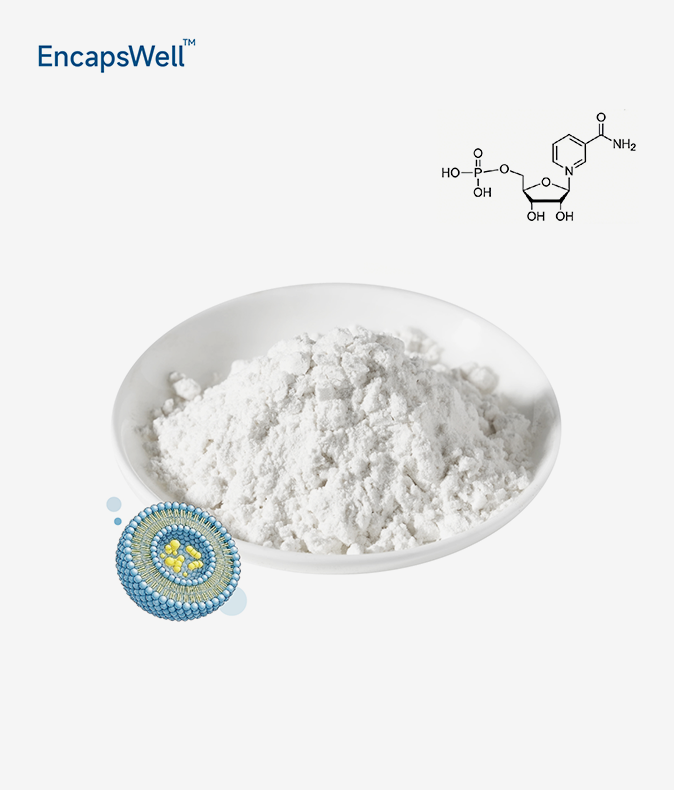
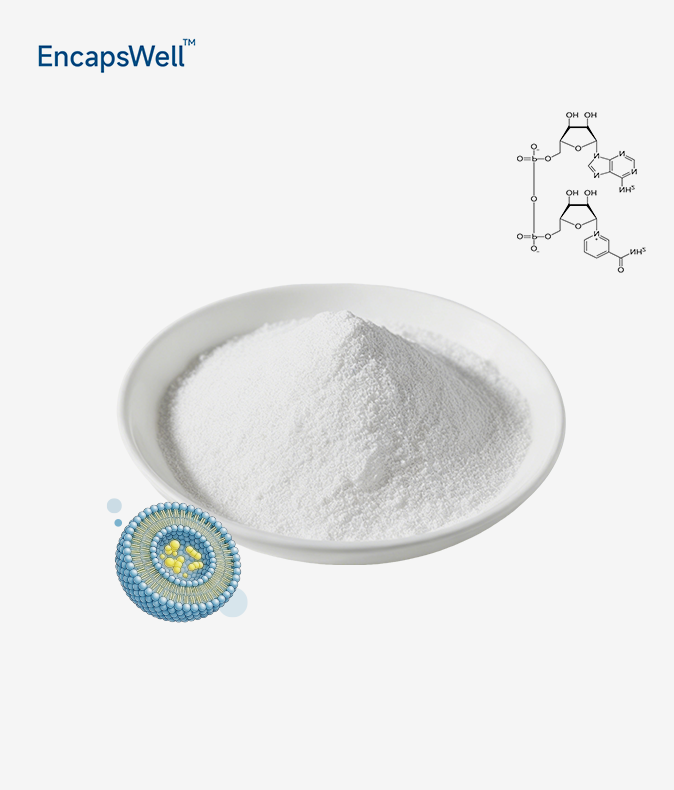
Lead times depend on how complicated the job is. Stock formulations are sent out within two to four weeks. Custom development that includes specific excipients, changes to particle size, or the mixture of ingredients that work well together, such as NMN or quercetin, may take six to twelve weeks to optimize the recipe and make sure it stays stable.
Private Label and Custom Formulation Services
Private label partnerships help brands that don't have their own formulation capabilities get into new markets faster. Formulation creation, stability testing, regulatory paperwork gathering, label design help, and packing of the final product are all part of turnkey solutions. These all-inclusive services turn ideas into goods that are ready for the market in a short amount of time.
OEM/ODM customization goes beyond just putting your own name on something. Advanced partners can change the particle size for certain delivery systems, change the excipients to fit specific flavor profiles or food limits, and mix actives that work well together. This ability to customize finishes makes goods stand out in competitive markets while keeping production costs low.
Check the level of technical support when looking at OEM partners. PhD-led research and development teams help with formulating products that solve difficult, stable problems, improve the way they taste and smell, and back up performance claims with the right tests. This technical support is very helpful when dealing with regulatory standards in different target areas.
Cost-Benefit Analysis and ROI Potential
Liposomal forms of resveratrol are more expensive than regular resveratrol—usually 3 to 5 times the cost of the raw materials. But this investment gives a strong return on investment in a number of ways. Better bioavailability allows for higher retail prices, which increases the chance of making a profit. Even though ingredients cost more per kilogram, dose economy lowers the cost of each serve. Better steadiness makes products last longer, which cuts down on loss and markdown risk.
Market demand trends strongly favor formulations that improve bioavailability. People who are more knowledgeable about problems with absorption tend to prefer more advanced delivery methods, especially in the areas of functional beverages, anti-aging, and life drinks. In competitive retail settings, products that are positioned with confirmed absorption data and clean label credentials always do better than standard options.

Future Outlook and Innovations in Liposomal Resveratrol
Nanotechnology Advances Shaping Next-Generation Formulations
New research looks into solid lipid nanoparticles and nanostructured lipid carriers as a step forward from liposomal resveratrol powder liposomes. These methods offer even more stability, controlled release profiles, and the ability to make more products. Spray-drying technology has improved the flowability and recovery properties of powder, which makes it more useful in more situations.
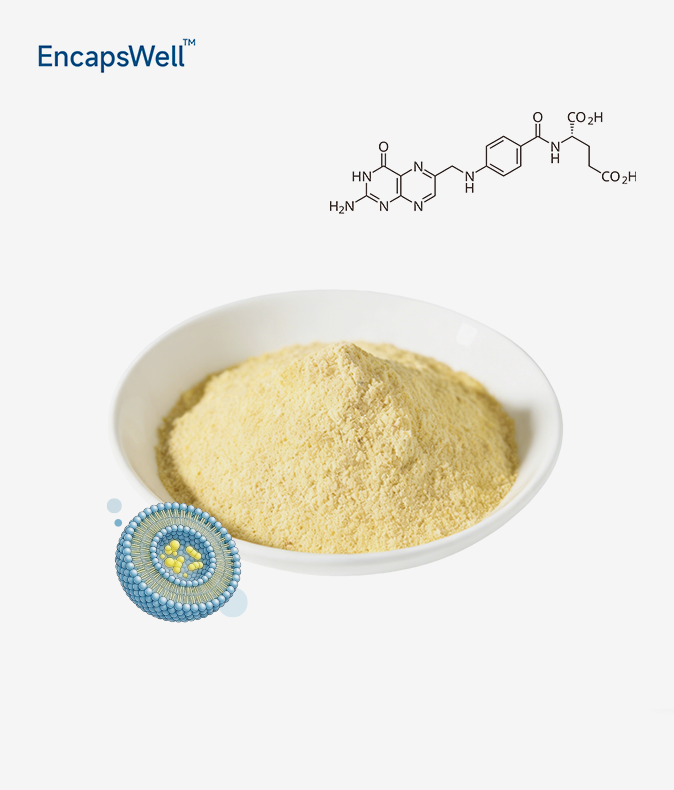
New manufacturing possibilities are opened by multi-compartment liposomes that can carry both hydrophilic and lipophilic actives at the same time. Imagine using just a few ingredients to combine resveratrol, water-soluble B vitamins, and CoQ10 in integrated delivery systems. This would make the formulation simpler while increasing the benefits of the synergistic effects.
Regulatory Landscape and Compliance Considerations
Regulatory frameworks are always changing around the world. EU Novel Food rules now cover a lot of liposomal products and need paperwork for pre-market authorization. ASEAN countries work together to make supplement standards more consistent; this can be good and bad for companies that already have systems in place to make sure they follow the rules.
Forward-thinking suppliers keep regulatory dossiers that are already put together. These dossiers cover more than 30 frameworks, such as FDA GRAS notifications, EU Novel Food applications, and ASEAN GMP requirements. This proactive method cuts the time it takes to enter a market by 40% or more, turning the complexity of regulations from a barrier to entry into a competitive benefit.
Label claims need to be backed up more and more. Claims that absorption is better must be backed up by valid testing methods and data that can be tracked. Partners who put money into clinical bioavailability studies can set their products apart through marketing that is based on evidence and can stand up to governmental review while also building trust with customers.
Strategic Recommendations for Competitive Positioning
To be successful in the liposomal supplement market, which is always changing, suppliers need to work together in ways that go beyond simple transactions. Look for partners who are always coming up with new ideas by publishing their research, building up their patent portfolios, and investing in more advanced analytical tools.
New brands should expect manufacturing standards that include quality assurance systems with blockchain-enabled tracking, real-time batch monitoring, and predictive stability modelling. These systems make sure that the quality is the same across all production runs and offer enough openness to meet the needs of big buyers.
Sustainability factors are becoming more and more important in purchasing decisions. Suppliers that use energy-efficient encapsulation methods, reduce solvent waste, and get their materials from regenerative agriculture systems meet corporate responsibility requirements and appeal to customers who care about the environment.
Conclusion
Liposomal resveratrol powder combines well-known nutritional science with cutting-edge delivery technology to overcome basic absorption problems that have plagued earlier versions. This ingredient is on the cutting edge of nutritional innovation because it increases solubility by 14 times, has a longer stability profile, and can be used in a wide range of formulations. For brands that want to stand out in crowded markets, liposomal formulations give customers the performance-based proof they want and the technical dependability buying professionals need. For success, choose suppliers that are great at making things, know a lot about regulations, offer a lot of technical support, and are dedicated to always coming up with new ideas.
FAQ
Is liposomal resveratrol safe for all age groups?
Liposomal resveratrol has great safety profiles for adults, as shown by clinical data. The main people who should use it are adults who want to support antioxidants and age in a healthy way. There isn't enough study on pediatric use, so apps designed for adults are better. Women who are pregnant or nursing should talk to their doctors before taking supplements, as is the normal safety measure for all nutraceuticals.
How does dosing differ between liposomal and regular resveratrol?
Better absorption has a big effect on how much to dose. Normal supplements need 500 mg every day to keep blood levels at a minimum, but liposomal formulations work just as well at 100 to 250 mg. This dose efficiency lowers the cost of ingredients, lessens the stomach problems that come with high doses of phenolic compounds, and helps make labels cleaner, which is a huge plus for brands that value simplicity and openness.
What certifications should buyers prioritize when evaluating suppliers?
cGMP compliance, which is checked by third parties, sets the standard for quality in manufacturing. The ISO 22000 and FSSC 22000 certifications show that a company takes food safety very seriously. Certified non-GMO, veggie, kosher, and halal products can reach more customers. Ask for proof of particle size analysis, encapsulation efficiency data, and stable studies that follow ICH standards. These technical details set premium sellers apart from commodity makers.
Partner with EmerWell for Premium Liposomal Resveratrol Powder Supply
EmerWell offers liposomal vitamin solutions based on science through our own EncapsWell™ platform, which was created at our San Diego R&D Center and made bigger by our partner Wellgreen's cGMP-certified factories. Our expert team, which is led by a PhD, offers support from the US. They help with things like fast sample shipping, in-house analytical evaluation, and creating custom formulations. As a provider of liposomal resveratrol powder, we offer low minimum order quantities (MOQs), full regulatory documentation for markets around the world, and OEM/ODM services that turn ideas into real goods. Get in touch with us at info@emerwell-bio.com to talk about your formulation needs and find out how our EncapsWell™ technology can give your business the bioavailability, stability, and clean-label purity it needs.
References
1. Walle, T. (2011). Bioavailability of resveratrol. Annals of the New York Academy of Sciences, 1215(1), 9-15.
2. Zupančič, Š., Lavrič, Z., & Kristl, J. (2015). Stability and solubility of trans-resveratrol are strongly influenced by pH and temperature. European Journal of Pharmaceutics and Biopharmaceutics, 93, 196-204.
3. Pandey, K. B., & Rizvi, S. I. (2009). Plant polyphenols as dietary antioxidants in human health and disease. Oxidative Medicine and Cellular Longevity, 2(5), 270-278.
4. Sessa, M., Balestrieri, M. L., Ferrari, G., Servillo, L., Castaldo, D., D'Onofrio, N., & Tsao, R. (2014). Bioavailability of encapsulated resveratrol into nanoemulsion-based delivery systems. Food Chemistry, 147, 42-50.
5. Baur, J. A., & Sinclair, D. A. (2006). Therapeutic potential of resveratrol: the in vivo evidence. Nature Reviews Drug Discovery, 5(6), 493-506.
6. Summerlin, N., Soo, E., Thakur, S., Qu, Z., Jambhrunkar, S., & Popat, A. (2015). Resveratrol nanoformulations: challenges and opportunities. International Journal of Pharmaceutics, 479(2), 282-290.
Online Message
YOU MAY LIKE
High quality furniture manufacturer
_1776234266736.webp)
_1776234307158.webp)