Aug 27, 2026
What Factors Affect the Shelf Life of Liposomal Vitamin C Powder?
Several critical factors determine the longevity of liposomal vitamin C powder, including raw material purity, manufacturing precision, packaging integrity, and storage conditions. The liposomal encapsulation method protects ascorbic acid from oxidative degradation, yet environmental elements like temperature fluctuations, humidity exposure, and light penetration can still compromise product stability over time. Understanding these variables empowers procurement teams to select suppliers with robust quality control systems and implement storage protocols that preserve bioavailability throughout distribution cycles.
Introduction
The nutraceutical business has seen huge growth in improved delivery methods, with liposomal formulas being the most innovative way to improve bioavailability. Liposomal Vitamin C powder is a big step forward in technology compared to regular ascorbic acid supplements. It solves the problem of poor absorption that has long plagued both formulators and end users. For B2B players like dietary supplement brands, functional beverage makers, and OEM partners, shelf life has a direct effect on how well a product sells, how well it follows regulations, and how happy customers are with it.
Unlike regular vitamin C powders, which are quickly broken down in the intestines and flushed out of the body by the kidneys, liposomal encapsulation surrounds ascorbic acid molecules with phospholipids to protect them. This structure looks like the walls of cells, which helps the food get into cells and through the lymphatic system while protecting it from oxidative stress. But keeping this complex architecture in good shape during storage and distribution requires close attention to formulation science and weather controls.
To make smart sourcing decisions, procurement professionals who work in competitive markets need to know a lot about the things that affect shelf stability. Not only does deteriorating products cost money because they go bad, but they also hurt the brand's reputation and customers' trust. This guide gives teams useful information about the factors that affect longevity, so they can set quality standards and improve supply chain management.
Understanding Liposomal Vitamin C Powder and Its Stability
Defining Advanced Encapsulation Technology
Nano-encapsulation technology is used to make Liposomal Vitamin C powder. L-ascorbic acid or sodium ascorbate is surrounded by phospholipid bilayers that come from non-GMO sources like sunflower or soybean lecithin. This arrangement solves three main problems: intestinal absorption saturation due to limited SVCT1 transporters; stomach irritation from high-acid formulas; and fast nutrient removal through kidney filtration. The lipid shell protects the nutrients from stomach enzymes and harsh pH conditions, letting the nutrients get into the systemic bloodstream without any damage.
Why Shelf Life Matters in B2B Procurement
Stability of shelf life has a direct effect on many practical aspects for buying teams. When vitamin C oxidizes into dehydroascorbic acid, the product's therapeutic value goes down and it doesn't provide the health benefits that were promised. Regulatory compliance is at risk when products are getting close to expiration dates before they reach distribution channels. This could lead to expensive recalls or market withdrawals. When customers get weaker formulations, it hurts the brand's reputation, which can lead to broken trust and bad long-term partnerships.
When nutraceutical companies make immune-supporting lines or beauty-from-within drinks, they need to make sure that the bioavailability stays the same across production batches so they can keep their clinical efficacy claims. Functional food businesses that put these ingredients in enriched drinks need to know that the drinks will stay stable while they are being shipped and stored at room temperature. When purchasing managers understand how things break down, they can look at a supplier's skills beyond price, focusing on things like formulation knowledge and quality assurance protocols that protect the value of the investment.
Key Factors Affecting the Shelf Life of Liposomal Vitamin C Powder
Raw Material Quality and Sourcing Standards
Ingredient purity and location proof are the first steps in making food last longer. Premium-grade ascorbic acid that is ≥99% pure reduces the amount of degradation catalysts that are present in lower-quality materials. Choosing a phospholipid source, like one from sunflowers or soybeans, affects oxidative stability. Non-GMO, ethically traced ingredients provide better consistency. Suppliers who offer full Certificates of Analysis (CoA), scientific data sheets, and third-party testing documents show that they care about the purity of the raw materials they supply.
Using cGMP-certified sites in the manufacturing process keeps the product from getting contaminated and makes sure that each batch is the same. This standard is shown by Wellgreen's production infrastructure that supports EmerWell's EncapsWellTM platform. It uses microfluidics and high-pressure blending technology to get precise nano-scale particle distribution. These controlled settings keep things clean and record every step of the production process. This makes it possible to track batches, which procurement teams can check during seller qualification checks.
Packaging Technology and Environmental Protection
Advanced packaging options are the first line of defense against things that hurt the earth. Moisture barrier materials keep phospholipid structures from breaking down hydrolytically, and oxygen scavengers in packaging systems keep ascorbic acid from being damaged by oxidative stress. Light-blocking laminates protect photosensitive chemicals from UV light, which keeps their effectiveness while they are being stored in a building or shown in a store.
When supplement brands buy in bulk, nitrogen-flushed containers help because they get rid of reactive oxygen during the sealing process. Standard plastic bags don't keep wetness out as well as aluminum foil boxes with heat-sealed seams. Formulations that are sensitive to temperature may need to be shipped in a cold chain, but properly engineered liposomal powders, like those that keep more than 95% of their potency for 24 months, work well in controlled ambient conditions. By looking at packaging specs when choosing a provider, you can avoid quality problems and having to write off goods later on.
Storage Environment and Handling Protocols
Consistency in temperature is important for keeping liposomes intact throughout distribution networks. Changes in temperature above 25°C (77°F) speed up the oxidation of phospholipids and the breakdown of vesicles. Freezing temperatures can mess up the structure of membranes. Warehouses with climate control systems that keep the temperature between 15 and 25°C and the relative humidity below 60% make things last longer. Using data loggers to watch the environment in real time lets you see when temperatures change during transport, so you can fix the problem before the Liposomal Vitamin C powder gets ruined.
Light exposure control includes more than just packing. It also includes designing storage facilities. Lights that aren't too bright in product areas and window coverings that block UV rays lower the risk of photodegradation. "First-in, first-out" inventory movement methods keep things from being stored for too long, which can reduce their shelf life. When functional beverage or beauty supplement brands send their products to distribution centers, those centers should set aside climate-controlled areas just for sensitive ingredients. This is because premium formulations require extra care.
Formulation Additives and Stabilization Chemistry
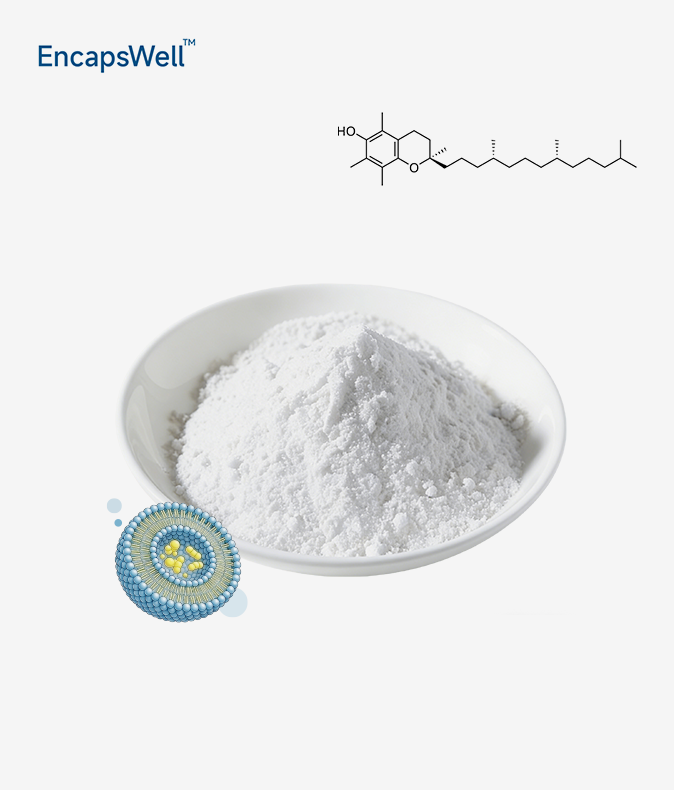
Adding antioxidant systems in a smart way improves the protection of ascorbic acid without changing the clean-label positioning. Natural tocopherol mixes (vitamin E) repair molecule-level oxidation in vitamin C, resulting in stability through synergy. Chelating drugs join small metal contaminants that speed up the breakdown process. But choosing the right additives needs to be done carefully—for example, using too many preservatives could cause problems with the law or make it harder for brands to get vegan approval, which is something many brands care about.
EmerWell's San Diego-based R&D team is led by a PhD and specializes in formulating products in a way that keeps them stable and meets market demands for short ingredient lists. As part of our technical support, we offer stability testing protocols that measure how well medication works even when it's aged quickly. This gives you information that you can use to estimate how long the product will last. These services help OEM partners check the accuracy of expiration dates using scientific methods, which helps them meet FDA requirements and keep their promises to be honest with customers.
Comparison of Liposomal Vitamin C Powder Shelf Life with Other Forms
Stability Analysis Across Delivery Formats
When compared to liquid solutions, powder forms are usually more stable because water speeds up the hydrolytic breakdown process. Traditional liquid liposomal goods need to be kept cool and have shorter shelf lives of 6 to 12 months, which makes foreign shipping more difficult. Capsule forms keep things safe from the air, but they create problems with how well shell materials work together and how much water they let through.
When ascorbic acid-containing effervescent pills are exposed to humidity, they break down quickly. This is why they need strict moisture barriers and desiccant packing. Vitamin C gummy pills have trouble with heat during production and storage, which makes the tropical market less viable. Liposomal powder technology solves these problems by staying stable in the dry state and allowing for flexible formulations that can be easily added to ready-to-mix sachets, hard pills, or liquid concentrates based on brand placement strategies.
Logistical Advantages for Bulk Procurement
With ingredients that last longer, the supply chain works much more efficiently. When contract makers get powders that keep their potency for 24 months, they can handle their inventory more efficiently and serve more private-label clients. Less need for a cold chain means lower shipping costs and more reach into areas where logistics infrastructure is still being built. Product recalls due to going bad too soon are less likely to happen when you work with sellers who can show that their products have uniform shelf life performance across production batches.
EmerWell's position in San Diego gives U.S. procurement teams strategic benefits by letting them store goods locally and send samples quickly. Before a package goes out, our domestic technical laboratory checks the security of the goods. This gives partners peace of mind before they commit to large orders. This localized support structure gets rid of the communication problems that come with sourcing goods from other countries, but it still lets you use Wellgreen's 100+ metric ton annual production capacity to grow your business.
Practical Guidelines for Maximizing Shelf Life in Procurement and Storage
Supplier Evaluation and Certification Verification
Credential checks that include cGMP compliance, ISO 9001/22000 approval, and HACCP application are the first step in a strict source qualification process. Instead of separate testing methods, these guidelines point to a more organized approach to quality management. By following the rules set by the International Council for Harmonization (ICH), asking for stability study paperwork shows if providers use accelerated aging methods at 40°C/75% RH conditions and real-time tracking.
Third-party testing results from licensed labs offer a fair way to check for contamination and potency of Liposomal Vitamin C powder. Halal, Kosher, and Non-GMO Project certifications let you sell your food in more places and show that the ingredients are safe. EmerWell's partnerships with nutraceutical brands put transparency first. We offer full regulatory support, including Export Documentation and Certificates of Analysis tailored to the needs of the destination country, whether we're serving FDA-regulated U.S. markets or EU Novel Food compliance zones.
Warehouse Optimization and Quality Monitoring Systems
By adding natural controls, storage spaces can be turned into systems for preserving things. Dehumidification equipment keeps the ideal relative humidity below 60%. This stops moisture absorption that weakens the structure and flow of powders and liposomes. Temperature mapping studies find "hot spots" in warehouses, which help with putting sensitive ingredients in the right storage area. Separated storage areas keep volatile chemicals or strongly scented materials from getting into other things that are stored there.
Monitoring quality all the time sets up early warning systems for trends of decline. Testing for potency every six months confirms how much time is left on the shelf, which helps with choices about getting rid of product before it expires. Visual checks that look for changes in color, clumping, or strange smells can find problems with the surroundings that need to be looked into right away. These rules are especially important for beauty supplement brands whose claims of working depend on stable vitamin C delivery to support collagen synthesis.
Expiry Management and Inventory Rotation
Dynamic expiration date tracking systems keep you from running out of stock and lower the risk of going out of style. Software that combines data from purchasing, storage, and sales can predict inventory turnover rates and make sure that order quantities are in line with when items will actually run out. Strategic partnerships with dependable suppliers that offer flexible minimum order quantities allow for changes in demand without committing to too much inventory.
Batch-specific documentation trails allow targeted recalls if quality problems arise, keeping inventory that isn't affected from being thrown away for no reason. This ability to track is very important for medical nutrition companies that need to keep strict records for healing formulas that are unique. EmerWell's batch coding system connects output records to the sources of raw materials. This makes it easy to find the root cause of a problem quickly and shows that the supply chain is open, which builds user trust.
Case Studies and Industry Insights on Shelf Life Optimization
Innovation in Formulation Engineering
Leading immune support brands have carved out a niche for themselves in the market by making formulations more stable by combining vitamin C with zinc, quercetin, or elderberry. To make sure that none of the ingredients in these synergistic blends speed up the breakdown of the others, they had to go through a lot of compatibility testing. Successful launches have shown that spending money on formulation science up front—doing full stability studies across temperature zones and humidity levels—avoids having to make expensive changes to the formula after the product hits the market.
When beauty drink companies got into the oral beauty market, they used liposomal technology to make their products look like high-end items that had clinical support. By saying things like "8 times better absorption than standard powders" and promising potency for the full shelf life, these brands were able to charge more and earn customers' trust. The stability data that backed up these claims came from suppliers who did thorough scientific testing. This is a level of service that sets innovation partners like EmerWell apart from basic vendors.
Building Brand Reputation Through Consistency
More and more, consumer reviews talk about how well a product works, which creates a direct feedback loop between recipe stability and how people see a brand. Dietary supplement brands whose potency decreases get bad reviews saying they have "no noticeable benefits." On the other hand, companies that keep their potency stable by storing their products properly and choosing the right suppliers get loyal customers who buy from them again and again. This link makes it clear that optimizing shelf life is more than just a technical requirement; it's also an investment in building a brand.
OEM relationships work best when private-label makers can match the uniformity of one batch to the next with branded rivals. Contract manufacturers that work with functional food companies keep relationships going for a long time by using storage rules that keep the quality of ingredients high during production cycles. These operational commitments, along with suppliers who offer stability guaranties and technical troubleshooting, lead to reliable product performance that boosts the reputations of end brands and promotes long-term growth.
Conclusion
When procurement workers know all the different factors that affect the shelf life of Liposomal Vitamin C powder, they can make smart choices about where to buy it that protect the quality of the product and the value of the brand. Longevity and bioavailability retention are affected by the quality of the raw materials, the precision of the manufacturing process, the protective packaging, and the controlled storage environments. Comparing delivery formats shows that powder formulations are easier to ship in bulk, and it also shows how important it is for suppliers to have stability engineering expertise. Setting high standards for vendors during the selection process, focusing on things like certifications, testing procedures, and expert help, creates a base for consistent quality. Industry research shows that improving shelf life is a key way for brands to stand out and build trust with customers. This makes it an important area for nutrition brands, functional beverage makers, and OEM partners to invest in when they are competing in markets.
FAQ
1. What is the typical shelf life of liposomal vitamin C powder under optimal conditions?
When kept between 15°C and 25°C in moisture-barrier packaging with little light exposure, high-quality liposomal formulations stay stable for 24 months. Products made according to cGMP guidelines using pharmaceutical-grade ingredients and stability testing by a third party always last this long. Lower-quality versions may break down within 12 to 18 months, which shows how important it is to choose a provider carefully and check their certifications before buying.
2. What risks occur when using expired liposomal vitamin C powder?
Ascorbic acid turns into dehydroascorbic acid after the expiration date, which lowers its protective power and makes immune support less effective. Liposomal structure instability lowers the bioavailability benefits, going back to normal vitamin C uptake rates. Even though outdated goods don't usually pose a safety risk, they don't provide the health benefits that were advertised, which could be against the law and hurt the brand's reputation when tests show that they aren't as effective as claimed.
3. Which packaging technologies most effectively maximize longevity?
Multi-layer foil laminates that use polyethylene seals and aluminum barriers work better to keep out moisture and oxygen. Reactive gasses are moved around by nitrogen flushing during packing, and desiccant sachets soak up any remaining wetness in sealed cases. Photodegradation can't happen with UV-blocking materials, which is especially important for retail displays. For buying in bulk, food-grade drums with tight-sealing seals keep the environment separate while they are being stored in the building and moved from one facility to another.
Partner with EmerWell for Exceptional Shelf-Stable Liposomal Vitamin C Powder
EmerWell is an expert at providing liposomal products that have been tested in clinical settings and are designed to be as stable and bioavailable as possible. The EncapsWellTM platform blends cutting-edge nano-encapsulation technology with strict quality control to make sure that your goods stay more than 95% effective for as long as they say they will on the label. Liposomal Vitamin C powder supplier based in San Diego, backed by Wellgreen's cGMP-certified manufacturing infrastructure. We offer localized technical support through our U.S. laboratory and fast sample logistics from warehouses in the U.S. Our R&D team, which is led by a PhD, creates unique formulations for OEM partners, dietary supplement brands, and functional beverage makers who need clean-label, vegan, and non-GMO options. Email us at info@emerwell-bio.com to talk about your unique buying needs, get stability paperwork, or learn more about our OEM/ODM services for flexible production that can grow as needed. Visit emerwelllabs.com to learn how our knowledge can help you turn your recipe problems into goods that lead the market.
References
1. Carr AC, Vissers MC. Synthetic or food-derived vitamin C—are they equally bioavailable? Nutrients. 2013;5(11):4284-4304.
2. Davis JL, Paris HL, Beals JW, et al. Liposomal-encapsulated ascorbic acid: influence on vitamin C bioavailability and capacity to protect against ischemia-reperfusion injury. Nutrition and Metabolic Insights. 2016;9:25-30.
3. Hickey S, Roberts HJ, Miller NJ. Pharmacokinetics of oral vitamin C. Journal of Nutritional & Environmental Medicine. 2008;17(3):169-177.
4. Lykkesfeldt J, Tveden-Nyborg P. The pharmacokinetics of vitamin C. Nutrients. 2019;11(10):2412.
5. Padayatty SJ, Sun H, Wang Y, et al. Vitamin C pharmacokinetics: implications for oral and intravenous use. Annals of Internal Medicine. 2004;140(7):533-537.
6. Proksch E, Segger D, Degwert J, et al. Oral supplementation of specific collagen peptides has beneficial effects on human skin physiology: a double-blind, placebo-controlled study. Skin Pharmacology and Physiology. 2014;27(1):47-55.
Online Message
YOU MAY LIKE
High quality furniture manufacturer