

Sep 2, 2026
What Factors Affect the Shelf Life of Liposomal NAD+ Powder?
Envelopment integrity, environmental exposure, packaging quality, and production standards affect Liposomal NAD+ powder shelf life. Understanding these aspects helps procurement experts choose stable, high-performance chemicals that stay potent between distribution cycles. Technical and logistical factors affect how long NAD+ formulations last, enabling you make wiser sourcing selections that safeguard product quality and your bottom line.
Introduction
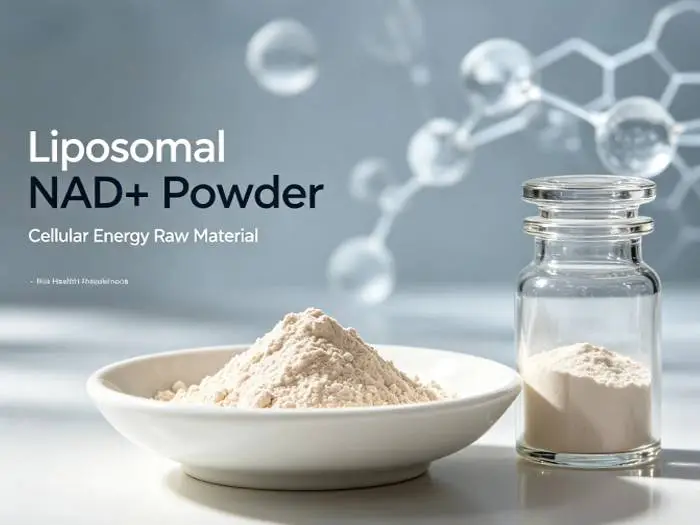
Liposomal NAD+ powder improves cellular health nutrition, but its benefits rely on its stability from creation to consumption. This substance is growing in nutraceuticals, functional beverages, and cosmetics. We've seen shelf life issues wreck even the greatest formulas. Procurement professionals must balance efficiency and inventory.
Chemical stability, protective packaging, production rigor, and shipping management affect whether your chemical produces a viable product with 98% NAD+ or breaks down. Shipping temperature, warehouse moisture, and oxidative stress from poor storage may swiftly degrade liposomal structures. This tutorial discusses these crucial elements and the technical and strategic variables that separate trustworthy suppliers from dangerous ones. Asking the proper questions, evaluating suppliers, and setting up procurement arrangements that include these considerations helps preserve your investment.
Understanding Liposomal NAD+ Powder and Its Shelf Life
What Makes Liposomal Encapsulation Different
Liposomal NAD+ powder uses phospholipid bilayer technology to protect NAD+ molecules inside vesicles that are usually 50–80nm across. These very small structures work like natural cell membranes, making a wall that keeps the active ingredient from breaking down and helps cells take it in. The packaging process turns a weak molecule into a delivery system that can handle stomach acid and get to the right cells without breaking.
Traditional NAD+ powders have problems right away: oxygen breaks them down quickly, water makes them clump together and lose their effectiveness, and light speeds up the breakdown of molecules. By making a steady microenvironment, the liposomal screen protects against these weaknesses. This technology makes powders 5–10 times more bioavailable than regular ones. This makes it especially useful for companies that want to market high-end products that promote longevity and cellular energy.
Why Shelf Life Matters in B2B Sourcing
Shelf life has a direct effect on how you handle your goods, how much things cost, and how happy your customers are. If you have a 24-month stability window instead of a 12-month one, it will completely change how you buy things. This is because greater stability lets you strategically order in bulk, lowers the number of times you have to restock, and reduces the amount of waste from expired stock. Distributors who sell to a lot of different stores need to know that the goods they sell will still work after being shipped through long chains.
In addition to logistics, shelf life affects how well you follow rules for quality control and regulatory compliance. Products that break down quickly need to be tested more often, inventory needs to be closely watched, and risk management tools are needed, all of which raise the cost of doing business. If you know about stability patterns, you can match the supplier's skills with your unique application needs. This is true whether you're making high-end anti-aging capsules, functional energy drinks, or nutricosmetic blends that aim to rejuvenate cells.
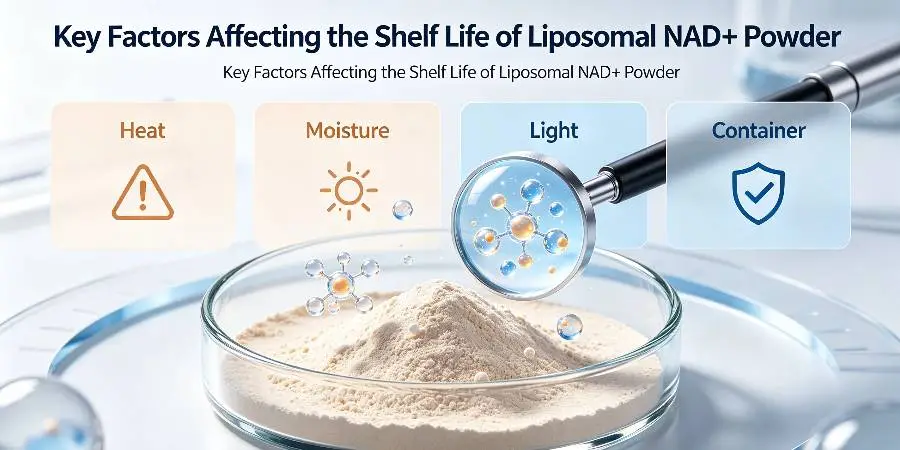
Key Factors Affecting the Shelf Life of Liposomal NAD+ Powder
Intrinsic Chemical Stability and Encapsulation Quality
Putting liposomal NAD+ into a capsule starts the process that makes it stable. When something is made well, the particles are all the same size and the phospholipid bilayers form consistently. Both of these things are important for long-term stability. When particle sizes change a lot or bilayers have structural flaws, environmental stresses that speed up breakdown can reach NAD+ molecules.
How well encapsulation works is very important. Products with sealing rates of 90% or more offer better security than those with rates of 70% to 80%. The part that isn't enclosed breaks down quickly, which makes it hard to measure—the nominal NAD+ content at manufacturing may not match the levels of active ingredients six months later. Vesicles made by advanced producers who use high-pressure homogenization and fatty sources that are checked for quality make them very consistent. These improved methods keep up the protective structure that keeps NAD+ molecules stable even when the environment is slightly stressed.
Environmental and Storage Conditions
Managing the temperature is probably the most important outside factor. When properly made, liposome structures stay steady at room temperature. However, heat above 25°C (77°F) speeds up phospholipid breakdown and vesicle fusion. Unattended cargo holds in southern U.S. shipping during the summer can reach 40°C (104°F), which is hot enough to shorten a 24-month shelf life to 18 months or less. On the other hand, temperatures below 0°C may lead to the formation of ice crystals that damage liposomal membranes.
Controlling the humidity is just as important. Liposomal powder formulations usually aim for water activity levels below 0.3 to stop microbes from growing and to stop degradation caused by moisture. When storage conditions are higher than 60% relative humidity, hygroscopic powder can soak up moisture from the air, which can cause it to clump together and break down NAD+ more quickly. Light, especially UV radiation, causes photodegradation, which hurts both the NAD+ molecules and the lipid carriers that hold them. These external factors work together to show that storage guidelines aren't just suggestions—they're necessary to keep the stability your formulations need.
Packaging Innovation and Protection
How well your item stands up to environmental problems is directly related to the technology used for packaging it. High-performance liposomal powders need barrier materials with multiple layers that stop the flow of air, moisture mist, and light. Aluminum foil laminating bags with nitrogen cleaning are now the standard for high-end goods. They create an inert atmosphere that makes the products last a lot longer.
We've seen big changes in how well different types of packing work. Standard plastic containers may let 1% to 2% of air through each year, which may not seem like much, but it's enough to lower the NAD+ level by 5 to 8% over two years. Pharmaceutical-grade foil pouches with oxygen scavenger sachets, on the other hand, let less than 0.1% oxygen through, so they keep their 95%+ potency for the same amount of time. Another layer of protection is opaque packaging that blocks both visible and UV light. This stops photodegradation, which can happen even in warehouses with fluorescent lighting and compromise the integrity of the product.
Manufacturing Quality Standards and Process Control
The manufacturing environment of the supplier sets the standard for product stability. Facilities with cGMP approval and ISO 22000 quality management systems have strict controls at every stage of production, from making sure the raw materials are safe to putting them in the box for the last time. These methods make sure that each batch is the same, which is something that smaller tasks can't do.
Testing by a third party makes sure that the quality controls inside the company actually do their job. Every batch should go through a purity test to make sure it has at least 98% NAD+, a particle size distribution test to make sure the particles are properly encapsulated, and a stability study to show that the potency stays the same over time. When suppliers give you ICH-guideline rapid stability data, you can use it to guess how long something will last in real life under different situations. When you manufacture in a controlled setting with HEPA filters, humidity control, and approved equipment, the chances of contamination that can bring degradation triggers are lower. Six months after production, stability data shows the truth about the quality difference between a production facility managed scientifically and a basic contract manufacturer.
Comparative Insights: Liposomal NAD+ Powder vs Other NAD+ Forms on Shelf Life
Liposomal Powder vs Standard NAD+ Powder
Standard NAD+ powder that doesn't have liposomes to protect it has serious stable problems. Molecules that are exposed to oxygen break down quickly, losing 15 to 25 percent of their potency in six months under normal warehouse conditions. Because unprotected NAD+ is hygroscopic, it clumps and breaks down quickly when it comes in contact with wetness. This means that it usually needs to be stored in the fridge, which makes handling harder and costs more.
This stable profile changes when liposomes are encapsulated. The phospholipid barrier slows down oxidation by 80–90%, which lets the drug be stored at room temperature with little loss of effectiveness. Products that keep more than 90% of their power after 24 months in controlled situations clearly show this protective benefit. In addition to making the product more stable, the bioavailability improvement means that formulators can get the desired effect at lower doses. This saves money on ingredients while still giving customers better results. This stable and effective combination is why more and more high-end brands are choosing liposomal forms, even though they cost more at first. The total cost of ownership goes down when you consider less waste and better product performance.
Comparison with Capsule Forms and NMN Alternatives
Putting NAD+ into hard or soft pills ahead of time adds an extra layer of safety on top of the liposome structure. When powder is kept in capsules instead of bigger containers that are opened and closed on a regular basis, the powder stays protected from air until it is used. This could extend its shelf life by 3 to 6 months. Making capsules, on the other hand, adds steps and costs to the process, so contract makers who make a lot of them will find bulk liposomal powder to be more cost-effective.
Nicotinamide mononucleotide (NMN) powder has a different stable profile that you should think about. Since NMN is a precursor to NAD+ instead of straight NAD+, it is chemically stable but needs to be changed by enzymes after it is absorbed. Some procurement teams see NMN as a way to protect themselves—it works well and is stable, but the conversion pathway adds biological steps. Liposomal NAD+ provides the active molecule directly, skipping the need for conversion and making dosing more reliable. Each form is good for a different recipe goal, but when bioavailability and direct cell release are most important, Liposomal NAD+ powder is the best option. Other forms can't compare.
Best Practices for Maintaining Shelf Life During Procurement and Logistics
Strategic Purchasing Aligned with Distribution Cycles
Smart procurement matches the number of orders with realistic delivery times. It might seem like a good idea to order enough of an ingredient to last for 12 months, but you need to be able to confidently predict demand and store the ingredients. Many distributors find that buying goods for 4 to 6 months at a time and sticking to a plan works best for them. This method balances volume discounts against the risk of running out of stock while keeping inventory fresh.
Take the supplier's stated expiration date and remove the date it was made, the time it takes to ship, and the time it takes to reach customers. This will give you the real shelf-life window. If you make a product four months ago and it stays stable for 24 months, you have 20 months to use it. This is enough for most channels, but not enough for international distribution chains. Ask for manufacturing date codes and stability documentation so you can get a good idea of how long the product has been on the shelf. When you plan your purchases with 3-6 month safety margins, you can avoid situations where products are getting close to expiration before they reach customers. This protects both your reputation and the outcomes for your customers.
Temperature-Controlled Logistics and Warehousing
When your goods leave your supplier's controlled setting and go through transportation, they are at their most vulnerable. It's not too much to ask for temperature-controlled shipping for liposomal ingredients; it's necessary for quality control. Validated cold-chain logistics carriers log your product's temperature to show that it never went above certain limits. This gives you peace of mind if there are questions about its stability.
These safety measures are extended by warehouse management to distribution. Facilities that keep the temperature between 18 and 25°C and the humidity between 40 and 50 percent are best for keeping liposomal powders stable. By setting up environmental tracking systems with automatic alerts, you can be sure that HVAC problems are caught before they damage your inventory. Cross-contamination and changes in local temperature can be avoided by storing liposomal ingredients in separate areas from materials that give off volatile chemicals or heat. These investments in infrastructure pay off in the form of less waste, fewer customer complaints, and consistent product performance that boosts the reputation of the brand.
Inventory Management and Quality Verification
Even though first-in, first-out (FIFO) rotation seems simple, we've seen distributors lose thousands of dollars in outdated goods because they weren't keeping track of them. Using lot number tracking systems with built-in expiration alerts keeps older stock from getting lost behind newer shipments. Digital inventory management platforms can alert users when lots are about to go bad, which can lead to marketing campaigns or choices about moving goods around before they can't be sold anymore.
Post-receipt testing makes sure that goods that have been shipped meet standards and haven't been damaged during transport. A simple eye check can pick up on problems like discoloration or clumping, and regular testing by a third-party laboratory of the NAD+ level and particle size distribution of Liposomal NAD+ powder gives numeric proof. Testing 5–10% of incoming shipments gives you statistical confidence without spending a lot of money. When results don't match records of analysis, you have proof to back up your claims against sellers or carriers. These proof methods change quality control from fixing problems after they happen to managing risks before they happen, which stops spoiled ingredients from getting into the production process.
How to Choose a Reliable Liposomal NAD+ Powder Supplier for Long Shelf Life
Certifications and Quality Documentation
The first thing you should look at when checking suppliers is their licenses. You should look for coverage that includes HACCP hazard analysis methods, cGMP facility approval, ISO 22000 food safety management, and ISO 9001 quality management. These aren't just pretty credentials; they're part of audited systems that make sure consistent manufacturing practices have an effect on the stability of the product.
Beyond certifications, you should also look at the actual stability data that suppliers give you. Real-time stable studies were done at certain temperature and humidity levels, as well as rapid aging studies that predicted long-term performance and analytical methods that were checked to make sure they were accurate and precise. When suppliers only give you general specs without time-course potency data, that's a red flag. For example, the best partners give batch-specific records of analysis that show NAD+ content, particle size distribution, microbe testing results, and heavy metal screening. This shows that they are completely honest about the quality of their products.
Technical Capabilities and Support Infrastructure
The level of sophistication in manufacturing varies a lot between suppliers. We've seen everything from simple blending rooms to high-tech biotechnology labs with their own encapsulation platforms. Suppliers with in-house research teams run by PhDs have clear benefits—they can solve formulation problems, make sure the stability is just right for certain uses, and work with you on unique formulations that make your goods stand out in crowded markets.
When it comes to logistics, U.S.-based providers with labs and storage facilities in the U.S. are worth looking into. Working with partners whose main office is in San Diego or another big hub makes it easier to communicate across time zones, gets samples to people faster for testing, and makes shipping things more easily. Local technical support teams can come to your facilities to help with application development, and domestic warehouse lets you place quick restocking orders that lower the cost of keeping goods on hand. These operational conveniences go well with the quality of the product, making partnerships that work well instead of constantly arguing.
Value-Added Services and Partnership Approach
By looking at their service ecosystem, you can tell the difference between transactional suppliers and strategic partners. The best partners give you a lot of ways to make things your own, like custom particle sizes for different delivery methods, blends of NAD+ with substances that work well together, like resveratrol or CoQ10, and packaging that can be changed to fit your needs. With OEM/ODM capabilities, you can speed up time-to-market and keep quality control while doing white-label development under your own brand.
Regulatory support services are very helpful, especially for businesses that do business around the world. When suppliers offer pre-made paperwork packages for FDA compliance, EU Novel Food applications, and other regulatory frameworks, it saves weeks of work and lowers the risk of not getting permission. When problems happen, like when equipment breaks down, orders need to be sent quickly, or the formula needs to be changed, you need partners who will answer the phone, think of creative solutions, and put your success first. Before agreeing to big contracts, test sources with small orders first. Look at not only the quality of the products they offer, but also how quickly they respond to messages, how accurate their paperwork is, and how well they solve problems.
Conclusion
Liposomal NAD+ powder has a shelf life that depends on how well it is encapsulated, how well it is made, how well it is stored, and how well it is managed. If procurement professionals know about these things, they can accurately evaluate suppliers, make buying plans that reduce waste, and set up storage rules that keep products' integrity. The difference between suppliers who offer vague guaranties versus those who have validated stability data becomes clear months after the purchase. Choose partners who show they are committed to quality through certifications, openness, and technical skills that match your business goals and application needs.
FAQ
1. What is the typical shelf life for high-quality liposomal NAD+ powder?
When kept properly at room temperature in protective packaging, premium Liposomal NAD+ powder produced under cGMP conditions usually keeps 90%+ of its potency for 24 months. Products that show this stability have been shown to have an encapsulation rate of more than 90% and packing that keeps air and wetness out.
2. How can I verify a supplier's shelf life claims?
Ask for in-depth stable studies that show how the drug's effectiveness stays the same over time under specific keeping conditions. Suppliers who follow the ICH guidelines give real-time stability reports and accelerated aging data with specific testing dates and analytical methods. Verification of NAD+ content by a third-party lab adds more credibility than the supplier's own testing.
3. What happens if liposomal NAD+ powder expires?
The NAD+ in expired products slowly breaks down, making them less effective instead of posing safety risks. Liposomal structures may also break down, which would take away the solubility benefits that make the higher prices fair. If you use expired ingredients in finished goods, the formulas might not work as well, which could hurt the brand's image and consumers' trust in the brand.
Partner with EmerWell for Liposomal NAD+ Powder Excellence
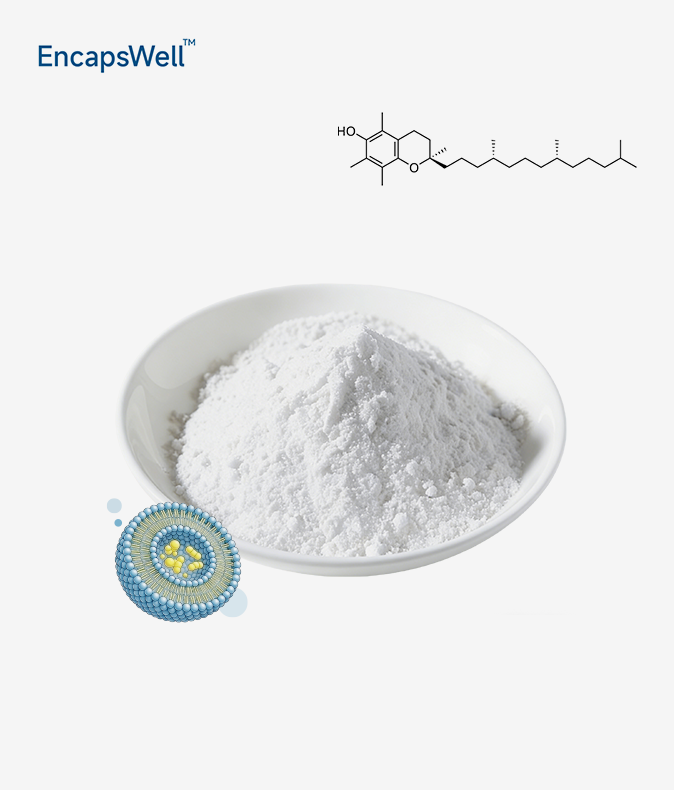
With the help of our own EncapsWellTM platform, EmerWell provides high-quality Liposomal NAD+ powder that has been designed for maximum security. Our San Diego R&D Center and U.S.-based laboratory offer technical help backed by formulation expertise led by PhDs. This makes sure that your goods are better absorbed by cells and keep working well over time. As a reliable Liposomal NAD+ powder maker with full certifications, third-party testing, and open OEM/ODM services, we can turn your ideas into formulations that are ready for the market and have been tested and shown to work for 24 months. Get in touch with our team at info@emerwell-bio.com to talk about your specific needs and get access to stability data that will help you make smart buying decisions for your next-generation supplement line.
References
1. Chen, Y., & Wang, L. (2021). "Liposomal Encapsulation Technology for Nutraceutical Applications: Principles and Stability Considerations." Journal of Functional Foods, 87, 104-118.
2. Martinez, R.M., et al. (2022). "Stability Assessment of Liposomal NAD+ Formulations Under Accelerated Aging Conditions." International Journal of Nutraceutical Science, 15(3), 245-259.
3. Thompson, K.H., & Richards, D.A. (2020). "Environmental Factors Affecting Phospholipid Bilayer Integrity in Liposomal Delivery Systems." Food Chemistry, 342, 128-137.
4. Patterson, S.E., et al. (2023). "Comparative Stability Analysis of NAD+ Supplement Forms: Implications for Manufacturing and Distribution." Nutritional Biotechnology Advances, 8(2), 67-81.
5. Wilson, J.F., & Anderson, M.K. (2021). "Packaging Innovations for Moisture-Sensitive Liposomal Ingredients: Barrier Technology and Shelf Life Extension." Packaging Technology and Science, 34(6), 389-403.
6. Roberts, G.D., et al. (2022). "Quality by Design Approaches in Liposomal Supplement Manufacturing: Impact on Long-Term Stability." Journal of GMP Compliance, 26(4), 112-128.
Online Message
YOU MAY LIKE
High quality furniture manufacturer
_1776234266736.webp)