May 19, 2026
What Does Liposomal Resveratrol Do?
Liposomal resveratrol powder transforms the way resveratrol works in your body by encapsulating the compound within protective phospholipid spheres that dramatically enhance absorption and cellular delivery. This advanced formulation addresses the chronic bioavailability problem that has limited conventional resveratrol's effectiveness—delivering up to 14 times greater systemic uptake while protecting the active ingredient from premature degradation in the digestive tract. For brands developing nutraceuticals, functional beverages, or nutricosmetics, this technology unlocks resveratrol's full potential as a powerful antioxidant, anti-inflammatory agent, and cellular health promoter.
Understanding Liposomal Resveratrol Powder
Resveratrol is a polyphenol that can be found in red grapes and Japanese knotweed. It has been popular in the supplement business for a long time because it is thought to help protect cells from damage and make people live longer. However, standard resveratrol preparations have a big problem: they are not bioavailable. Studies show that regular resveratrol pills are broken down quickly in the liver and stomach, so they are only available in small amounts in the body.
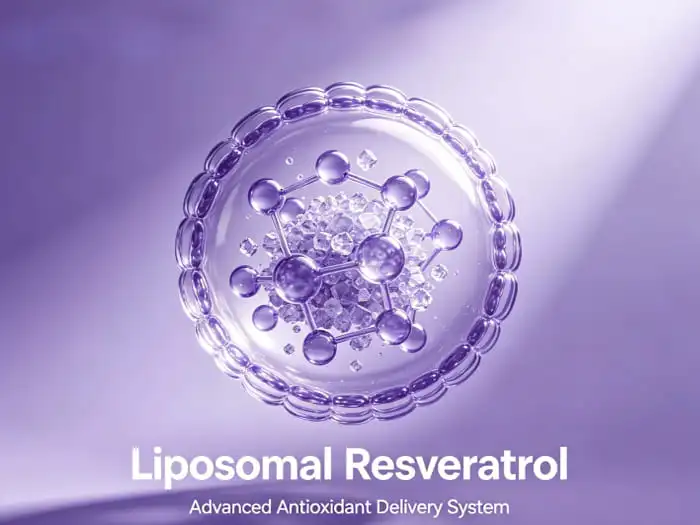
Liposomal technology changes this situation in a big way. trans-resveratrol molecules are protected from stomach acid and enzymes that break them down by a phospholipid covering, which is usually made from Non-GMO sunflower or soy lecithin. This barrier keeps the active ingredient safe as it passes through the gut wall, usually by lymphatic routes that skip the first round of metabolism in the liver.
How Liposomal Encapsulation Works?
To start the packaging process, very pure resveratrol (≥98% purity) is mixed into very small lipid bubbles using high-tech methods like microfluidization or high-pressure homogenization. These tiny bubbles, which are about 100 to 400 nanometers across, look like the body's own cell walls, which makes it easier for them to fuse with intestinal epithelial cells. Once swallowed, the liposomal structure sends its payload straight into the systemic bloodstream. This makes sure that it gets to the right tissues, like heart cells, skin fibroblasts, and mitochondria, in the best way possible.
For business-to-business clients in the nutraceutical area, this method means real benefits for formulation. When therapeutic usefulness is reached at lower doses, cost-per-serving goes down while product effectiveness stays the same. The liposomal matrix also protects resveratrol from oxidative damage and photo-sensitivity, which means that it can be stored for up to 36 months without going bad. This is an important thing to keep in mind for global delivery networks.
Key Health Benefits Supported by Evidence
Resveratrol's role in cellular defense systems has been proven by clinical study. It can get rid of reactive oxygen species (ROS) and protect DNA and proteins from oxidative stress, which is linked to age and chronic inflammation. Endothelial function and arterial flexibility are two cardiovascular benefits. New research suggests that it may also help with good blood sugar metabolism and cognitive function protection.
These benefits are very similar to what people want in supplements that focus on life, beauty-from-within formulas, and sports healing products. Brands that put liposomal resveratrol in these categories can use strong scientific evidence to back up their claims and stand out in crowded markets.
Liposomal Resveratrol vs Traditional Resveratrol Forms
When purchasing teams look at resveratrol sources, they need to know how the different formulations work differently. Standard resveratrol powders, micronized versions, and even trans-resveratrol isolates all have the same problem: the active substance is quickly broken down into inactive metabolites in the liver within minutes of consumption.
Absorption and Efficacy Comparison
Comparative studies of pharmacokinetics show big differences. Normal resveratrol needs 500–1,000mg to reach blood levels that can be measured. Liposomal transport systems, on the other hand, show blood levels that are the same or higher at just 100–150mg. This 5–10x dose decrease has a direct effect on the cost of formulation and on buyer compliance, since fewer capsules and smaller serving sizes make the product more appealing.
This benefit is shown by the EncapsWell™ platform, which has been shown to improve absorption 14x more than regular powder (in vitro dissolution tests). This success comes from the fact that the phospholipid ratios and particle size distribution were carefully designed through research led by PhD students. Testing by a third party shows that the encapsulation efficiency is always above 90%, which gives big producers the batch-to-batch stability they need.
Quality Indicators That Matter
In addition to absorption measures, quality and the source of the ingredients have a big impact on how different products are. The best liposomal resveratrol powder products list the amount of trans-resveratrol they contain instead of total resveratrol, which has less active isomers. The purest products get ≥98% purity, which can be checked by HPLC analysis. Different market needs are met by certifications like KOSHER, HALAL, Non-GMO, and Vegan. cGMP and ISO22000 standards ensure the purity of the production process.
Organic approval is more desirable for clean-label brands, but it's not as popular because it can be hard to get. Dual-source supply chains, which combine raw material streams from Europe and Asia, reduce international risks and keep contract makers serving global markets going.
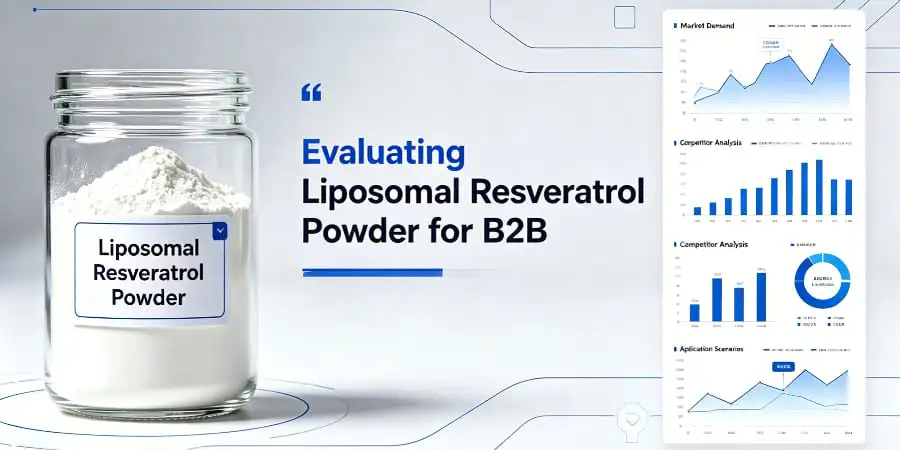
Evaluating Liposomal Resveratrol Powder for B2B Procurement
There's more to choosing the right partner for getting liposomal ingredients than just figuring out the price per kilogram. Because making liposomes is so complicated, suppliers need to have specific technical skills, quality systems that have been tested, and platforms that can be easily customized.
Manufacturer Credentials and Certifications
Reliable providers run sites that meet standards that are known all over the world. You should look for HACCP hazard analysis models, FSSC22000 food safety standards, and ISO9001 quality control systems. These certificates show that the process is controlled and tracked in a planned way, which is very important when selling to regulated markets like the US (FDA oversight), the EU (Novel Food regulations), and ASEAN countries (varying GMP standards).
This infrastructure benefit is shown by EmerWell's relationship with Wellgreen. Production takes place in cGMP-certified factories with blockchain-enabled batch tracking, which lets everyone see the whole process from the raw materials to the final product. Market entry times are cut by an average of 40% when regulatory dossiers for more than 30+ jurisdictions are already put together. This gives brands starting multi-regional product lines a big competitive boost.
Pricing Structures and MOQ Flexibility
Bulk price levels usually start at 500kg of product per month, but well-known sellers will take smaller orders (50–100kg) at first to help with formula development and market testing. Private label services combine formulation knowledge, packing design, and legal paperwork into complete packages that are ready to go. This cuts the time it takes to get a product to market from 12–18 months to 6–9 months.
Customization is what sets innovation partners apart from standard sellers. Some of the more advanced options are changing the particle size (so that tablets can be compressed or drinks can be mixed), co-encapsulating with compounds that work well together, like quercetin or NMN, and choosing the right excipients for the dosage forms you want to use, like hard capsules, softgels, effervescent tablets, or ready-to-drink liquids.
OEM/ODM Service Advantages
OEM/ODM partnerships that handle formulation complexity are very helpful for contract makers and new names. As part of the services, stability testing (both rapid and real-time methods), dissolution tracking, and tests to see how well liposomal resveratrol powder works with other actives are common. This technical support is very helpful when adjusting for different uses—for example, a beauty drink needs different excipients than a sports recovery tablet, even if the core ingredients are the same.
Scientific Validation and Safety Profile
Strong scientific proof is needed for both consumers and regulators to trust the product. Liposomal resveratrol is a reliable supplement because both resveratrol itself has been shown to be helpful and liposomal delivery technology has been shown to work.
Clinical Evidence and Biomarker Studies
Several human studies show that resveratrol can improve vascular function (by lowering C-reactive protein levels), inflammation biomarkers (by increasing glutathione levels), and oxidative stress markers (by decreasing flow-mediated dilation). Many of the early studies used high doses of regular resveratrol. Newer studies using liposomal versions get similar results at much lower doses, supporting the claims of better delivery.
In vitro tests using fluorescently labeled liposomes show that they are better at entering cells than free resveratrol. The highest levels of resveratrol inside cells are reached 2-3 hours after treatment. These pharmacokinetic benefits mean that the drug stays in the body longer, which increases the treatment window and might support once-daily dosing schedules.
Safety Data and Usage Guidelines
Resveratrol has a great safety rating, as shown by many large studies on humans. Adverse effects are very rare, even at doses higher than 1,000mg per day. Most guidelines say that 100–200mg everyday is good for your health, and higher amounts (300–500mg) have been looked into for special health protocols. Because they are more easily absorbed, liposomal resveratrol powder forms reach their goal level of effectiveness at the lower end of this range.
Contraindications remain minimal, but people who take blood thinners should talk to their doctors because it thins the blood slightly. There aren't many data on pregnancy and breastfeeding yet, so modest labeling suggestions have been made for these groups.
Regulatory Compliance Standards
Finished goods with liposomal resveratrol must meet the rules of the country where they are sold. Dietary supplement GMP rules (21 CFR Part 111) control how they are made, labeled, and checked for quality in the US. For European markets to accept certain formulas, they need Novel Food permission. Products that go over normal intake levels also need Novel Food compliance. Different things happen in Asian markets. For example, Japan needs proof of Food with Function Claims, while China needs health food registration for certain claims.
Working with providers who keep up with regulatory changes and provide supporting documents like allergen statements, heavy metal tests, microbiological reports, and Certificates of Analysis speeds up product creation and lowers the risk of not following the rules.
Practical Tips for Sourcing and Using Liposomal Resveratrol Powder
Adding liposomal ingredients to a product line takes careful planning of where to get the ingredients, how to handle them, and how to make the best mixture. These real issues have a direct effect on how well the product works and how well it can be sold.
Identifying Reliable Supplier Partners
The global market for liposomal supplements is mostly made up of a few specialized companies with their own encapsulating systems. Asia, especially China, has a lot of production potential, but the quality changes a lot. Give more weight to sellers who are open about their production methods, don't mind being inspected, and can show that their stability data meets ICH standards at 25°C/60% RH and accelerated 40°C/75% RH.
This is where EmerWell's presence in San Diego comes in handy for US-based brands. They can get localized technology help, quick sample shipping from domestic inventory, and direct access to R&D teams. This mixed model blends the low costs of large-scale production in Asia with the speed and familiarity with local regulations that customers expect.
Storage and Handling Best Practices
To keep the purity of the capsule, liposomal resveratrol powder needs to be stored with care. Conditions that are cool (below 25°C), dry (below 60% relative humidity), and shielded from direct sunlight are suggested. Using nitrogen cleaning or vacuum-sealed packages to store food for a long time keeps it fresh. Once packages are opened, they should be quickly sealed again and eaten within the suggested time frames (6 to 12 months in most cases).
Changes in temperature during shipping and storage can make liposomes less stable. Set up controlled shipping conditions for foreign sales and test the products after they've been shipped to make sure they're still good before starting to work on large-scale formulations.
Formulation Integration Strategies
When liposomal powders are added to finished goods, suitability factors need to be thought about. Although straight encapsulation works well for capsules, hygroscopic qualities may mean that flow agents or moisture barriers need to be added at the same time. Granulation methods help tablet recipes because they protect liposomal structures during compression forces.
Beverage applications have their own problems and chances. Liposomal systems that dissolve in water allow for clear or slightly cloudy liquids, which is good for ready-to-drink forms. As phospholipids add earthy notes, it becomes very important to hide tastes. Flavor systems with citrus, berry, or grape profiles naturally work well with resveratrol and hide any unpleasant tastes. Combination goods that combine resveratrol with collagen peptides (for beauty uses) or CoQ10 (for heart health) use synergistic placement to get more people to buy them.
Conclusion
A big step forward has been made with liposomal resveratrol powder, which makes this strong polyphenol more bioavailable and stable than ever before. This technology fixes the long-term absorption problems that have hindered standard resveratrol products. It also opens up new ways to make dosages more effective, keep products stable on the shelf, and make different formulations. When making new nutricosmetics, functional drinks, or high-end dietary supplements, it is very important to find a qualified provider with proven production skills, a wide range of certifications, and flexible customization options. Liposomal resveratrol is a key ingredient for forward-thinking brands looking to stand out in crowded global markets because of the convergence of customer desire for nutrition that focuses on longevity and proven delivery technology.
FAQ
What is the recommended daily dosage for liposomal resveratrol?
Doses of 100 to 200 mg per day are usually enough to support health and provide antioxidants. This is a big drop compared to regular resveratrol, which is usually 500–1,000 mg. This is possible because it is absorbed better. Under the supervision of a professional, some methods may use bigger amounts. When making dose suggestions for a product, you should always think about the intended use and the target audience.
Which certifications should B2B buyers prioritize when selecting suppliers?
For quality production and food safety, cGMP, ISO9001, ISO22000, and HACCP standards are must-haves. Extra labels like "Non-GMO," "KOSHER," "HALAL," and "Vegan" target specific groups of people. Regulatory paperwork that supports FDA compliance (US), Novel Food status (EU), and regional standards for target markets makes sure that the launch of a product goes smoothly and cuts down on regulatory delays.
Can liposomal resveratrol be combined with other active ingredients?
Yes, liposomal resveratrol does work well with many other substances, such as quercetin (which increases flavonoid activity), CoQ10 (which helps the heart), NMN (which helps cells use energy), and collagen peptides (which has beauty uses). Stability and efficiency are guaranteed by trying your formula to make sure it works with yours. Formulation creation help is available from experienced suppliers to make multi-ingredient goods work better and appeal to more people.
Partner with EmerWell for Premium Liposomal Resveratrol Powder Supplier Solutions
EmerWell focuses on making science-based liposomal supplement formulas for companies that need to show real results and regulatory trust. Our EncapsWell™ liposomal resveratrol powder is made in Wellgreen's cGMP-certified facilities and is ≥98% pure. It has been produced with the help of extensive quality documentation that includes ISO22000, FSSC22000, HACCP, Non-GMO, Vegan, KOSHER, and HALAL certifications. We provide full OEM/ODM services, which include customizing the formulation, making sure it stays stable, and helping with legal issues specific to each market. Our flexible forms include powders, tablets, hard capsules, softgels, and solutions that are ready to be mixed with water or other drinks. With our headquarters in San Diego and technical teams and warehouses in the US, we can speed up the time it takes to develop your products while making sure the supply chain is reliable by using two different sources for raw materials and blockchain to allow tracking. Contact our team at info@emerwell-bio.com to talk about your special needs and find out how our unique liposomal platform can help you make your products more bioavailable and profitable.
References
Walle T, Hsieh F, DeLegge MH, Oatis JE, Walle UK. "High absorption but very low bioavailability of oral resveratrol in humans." Drug Metabolism and Disposition, 2004; 32(12):1377-1382.
Amri A, Chaumeil JC, Sfar S, Charrueau C. "Administration of resveratrol: What formulation solutions to bioavailability limitations?" Journal of Controlled Release, 2012; 158(2):182-193.
Rao AV, Balachandran B. "Role of oxidative stress and antioxidants in neurodegenerative diseases." Nutritional Neuroscience, 2002; 5(5):291-309.
Cottart CH, Nivet-Antoine V, Beaudeux JL. "Review of recent data on the metabolism, biological effects, and toxicity of resveratrol in humans." Molecular Nutrition & Food Research, 2014; 58(1):7-21.
Smoliga JM, Blanchard O. "Enhancing the delivery of resveratrol in humans: If low bioavailability is the problem, what is the solution?" Molecules, 2014; 19(11):17154-17172.
Salehi B, Mishra AP, Nigam M, et al. "Resveratrol: A Double-Edged Sword in Health Benefits." Biomedicines, 2018; 6(3):91.
Online Message
YOU MAY LIKE
High quality furniture manufacturer