May 20, 2026
What are the Benefits of Liposomal Glutathione Powder?
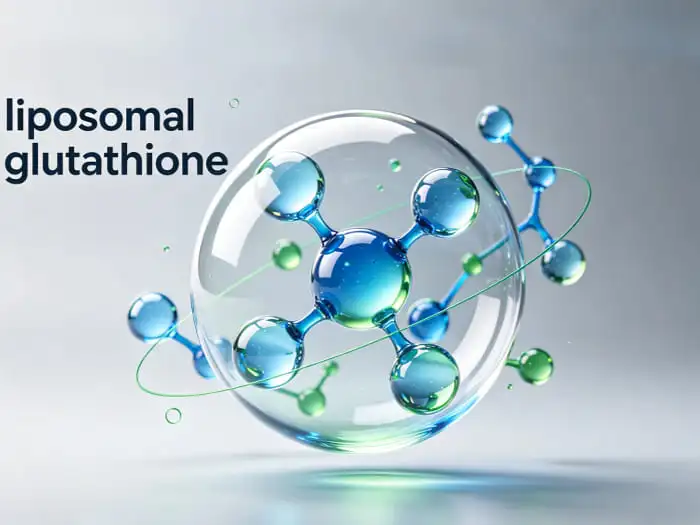
Low bioavailability has been a problem for standard glutathione products, but liposomal glutathione powder is an advanced solution to this long-standing challenge in the antioxidant supplement industry. This advanced delivery method wraps reduced glutathione in phospholipid layers, protecting it from enzymatic degradation during digestion and increasing cell uptake by up to 13 times compared to regular powders. Understanding the benefits of this technology provides access to a superior ingredient that solves formulation problems and meets consumer demand for effective, clean-label antioxidant solutions for manufacturers of nutraceutical products, functional beverages, or beauty-from-within supplements.
Understanding Liposomal Glutathione Powder
What Makes Liposomal Technology Different?
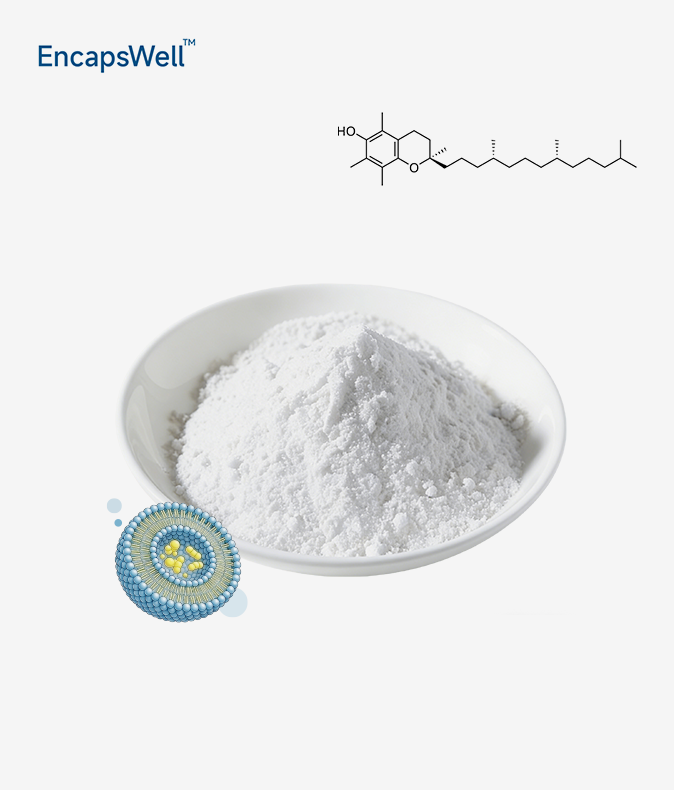
Traditional glutathione pills face poor absorption due to gastrointestinal degradation. The enzyme gamma-glutamyl transferase breaks down unprotected glutathione molecules before they can enter the bloodstream, resulting in limited therapeutic effect. Liposomal glutathione powder technology fundamentally changes this outcome. It protects the active ingredient from gastric acids and digestive enzymes by surrounding it with phospholipid bilayers. These bilayers are typically made from non-GMO sunflower or soy lecithin. These microscopic vesicles mimic the cell membranes in our bodies, enabling direct cellular uptake through membrane fusion instead of relying on compromised digestive pathways.
Enhanced Absorption and Stability
This benefit is quantifiable through our EncapsWell™ platform. Properly made liposomal glutathione powder is 13 times more absorbable than conventional powder forms, according to independent laboratory tests. Nanotechnology enables optimized particle sizes, typically ranging from 100 to 400 nanometers, facilitating efficient transport across intestinal walls. Beyond enhanced absorption, liposomal glutathione powder offers significantly greater stability than liquid alternatives. Freeze-drying or spray-drying removes moisture that would otherwise accelerate oxidation. When stored properly, this extends shelf life to 24 months. This stability eliminates the need for cold-chain logistics, reducing procurement costs and simplifying international distribution.
Safety Profile and Regulatory Compliance
Glutathione is naturally present in all human cells, and high-purity liposomal glutathione powder has an excellent safety profile as a dietary supplement. Clinical studies consistently report few adverse effects, typically mild gastrointestinal discomfort in sensitive individuals at higher doses. Regarding regulatory status, glutathione is Generally Recognized as Safe (GRAS) in the US, and our formulations comply with FDA dietary supplement standards under DSHEA. The product holds multiple certifications, including ISO9001, ISO22000, FSSC22000, HACCP, cGMP, Non-GMO, Vegan, Kosher, and Halal, to meet diverse market requirements. Commercial formulations typically range from 250 mg to 1000 mg per serving, though this varies based on intended application and desired outcomes.
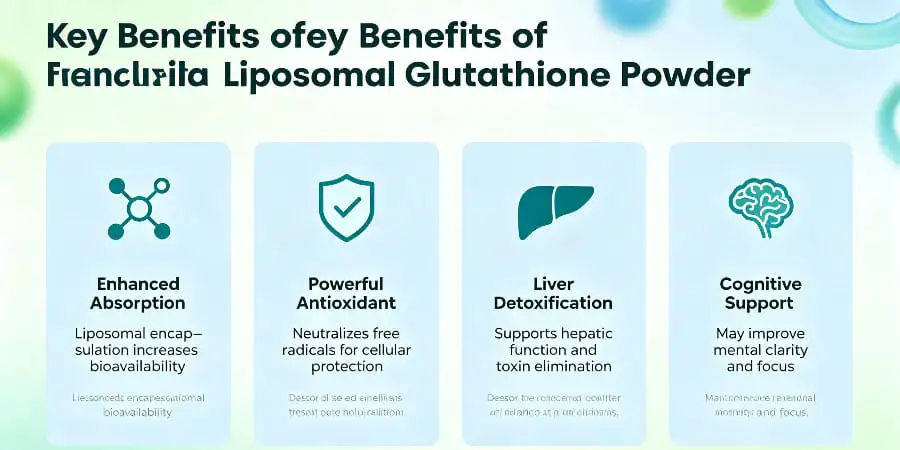
Key Benefits of Liposomal Glutathione Powder
Superior Antioxidant and Detoxification Support
Glutathione is known as the “master antioxidant” due to its ability to directly neutralize free radicals and regenerate other antioxidants such as vitamins C and E. The tripeptide structure, composed of glutamine, cysteine, and glycine, protects cellular components from oxidative damage by donating electrons. Liposomal delivery significantly enhances this protective effect. More glutathione reaches liver cells when bioavailability is improved, where it plays a key role in Phase II detoxification pathways. The liver, with the help of glutathione, transforms xenobiotics, heavy metals, and metabolic waste into water‑soluble compounds for excretion. This mechanism is particularly well suited for brands targeting urban professionals, frequent travelers, and individuals concerned about environmental pollutant exposure.
Skin Health and Anti-Aging Applications
Glutathione has gained popularity in the beauty supplement industry due to its ability to modulate melanin production and protect against oxidative damage. Research indicates that adequate glutathione inhibits tyrosinase activity, thereby reducing melanin synthesis. This leads to more even skin tone and reduced hyperpigmentation. Beyond skin lightening, glutathione helps preserve collagen and elastin fibers from UV‑induced and metabolic oxidative stress. These benefits produce visible anti‑aging effects that are highly appealing to appearance‑conscious consumers. When formulating nutricosmetic products such as collagen drinks, skin‑brightening tablets, or anti‑aging shots, manufacturers can incorporate a scientifically validated ingredient that complements topical skincare routines. Liposomal glutathione powder blends easily into ready‑to‑mix beauty drinks or capsules, maintaining ingredient purity throughout the product’s shelf life.
Immune System and Cellular Health Support
Immune cells heavily depend on glutathione for optimal function. Lymphocytes, natural killer cells, and macrophages require adequate glutathione levels for proliferation, cytokine signaling, and pathogen elimination. Oxidative stress depletes intracellular glutathione stores, reducing immune defense during critical periods. Supplementation with highly bioavailable liposomal glutathione powder helps replenish these protective reserves. This is particularly beneficial for middle‑aged and older adults, individuals with chronic inflammation, and athletes undergoing intensive training. Cellular health benefits extend beyond immune function to include energy production. Mitochondria, the powerhouses of cells, require glutathione to protect against oxidative damage during ATP synthesis. Maintaining mitochondrial glutathione levels supports systemic energy production and reduces exercise‑induced oxidative stress, making this ingredient attractive for sports nutrition applications.
Procurement Considerations for B2B Buyers
Identifying Quality Suppliers
Authentic liposomal glutathione powder suppliers are distinguished by several key attributes. Comprehensive certification packages, including GMP, ISO 22000, FSSC22000, and HACCP, demonstrate systematic quality management and process controls. Suppliers should provide comprehensive technical documentation, including product specification sheets with particle size distribution data, encapsulation efficiency metrics, and stability data across a range of temperatures. Third‑party validation adds credibility. Reliable suppliers engage independent laboratories to verify potency, purity, and absence of contaminants. Supply chain transparency is essential. Ethical suppliers trace phospholipid sources to audited farms, document fermentation steps for glutathione production, and maintain solvent‑free processing records. When evaluating a supplier, procurement teams should request batch samples accompanied by Certificates of Analysis, Technical Data Sheets, and Safety Data Sheets. Independent laboratory testing of sample claims protects against the common issue of exaggerated specifications in this market.
Bulk Purchasing Strategy
Volume‑based pricing typically yields significant economies of scale. Suppliers often establish price tiers: R&D quantities (10–50 kg), pilot production runs (100–500 kg), and commercial scale (1000 kg or more). Negotiating annual supply agreements secures favorable pricing and ensures material availability across product launches. Shipping terms significantly impact total procurement cost. Free On Board (FOB) pricing places freight responsibility on the buyer, while Delivered Duty Paid (DDP) pricing transfers logistics obligations to the supplier. Working with suppliers that maintain domestic warehousing, such as EmerWell’s San Diego facility, reduces international shipping delays and simplifies regulatory compliance for US‑based brands. MOQ flexibility benefits emerging brands seeking to test market response before committing to large inventories. Payment terms should also be negotiable; establishing net‑30 or net‑60 payment cycles facilitates cash flow management during product development phases.
OEM Partnership Opportunities
White‑label and contract manufacturing agreements facilitate market entry for brands without in‑house production facilities. Reputable OEM partners provide comprehensive services, including formulation optimization, development of various dosage forms (tablets, capsules, sachets, and ready‑to‑mix powders), stability testing, regulatory documentation support, and secure packaging options. Partnerships offer benefits beyond manufacturing. Experienced OEM providers can assist with formulation by suggesting complementary ingredients, flavor‑masking techniques to improve palatability, and particle size modifications for specific applications. Intellectual property protection is critical in these partnerships. Reliable partners adhere to strict confidentiality agreements and respect formula ownership. Scalability is another critical consideration. Partners should demonstrate the ability to handle both small‑batch production for new launches and rapid scale‑up as market demand increases, while maintaining consistent quality across volume changes.
How to Incorporate Liposomal Glutathione Powder in Your Product Line?
Formulation Principles for Maximum Bioactivity
Effective product development requires understanding ingredient compatibility and processing effects. Liposomal glutathione powder is compatible with most vitamins, minerals, and botanical extracts, though certain combinations require stability testing. Vitamin C works especially well in this combination, as it helps regenerate oxidized glutathione and supports the antioxidant functions of both ingredients. Minerals such as iron and copper can accelerate oxidative processes if present in high concentrations. Formulation teams should conduct stability studies when incorporating these ingredients. Processing conditions are critical. Excessive heat during tablet compression or capsule filling can damage liposome structures. Temperatures should remain below 40°C during processing, low‑shear mixing equipment should be used, and nitrogen blanketing should be employed to minimize oxygen exposure. Moisture control is equally critical. Maintaining powder moisture content below 5% prevents premature liposome degradation and agglomeration.
Dosage Standardization and Product Testing
Commercial products typically contain 250 mg to 1000 mg of glutathione per serving, providing supplemental support beyond the body’s normal production rates (approximately 10–14 g per day for healthy adults). Label claims must be substantiated by potency testing at multiple stability timepoints. Pre‑release product testing should include stability monitoring at 40°C/75% RH for 6 months, along with real‑time monitoring under intended storage conditions. Testing protocols should employ HPLC to determine total glutathione content, particle size analysis to confirm liposome integrity, and degradation product profiling to ensure absence of breakdown compounds. Consumer safety testing encompasses heavy metal screening, microbial limits testing, and allergen testing. Brands making claims such as “increases blood glutathione levels” or “supports skin brightening” should consider clinical validation studies demonstrating these outcomes with their finished product.
Market Launch Success Factors
Successful product launches combine innovative ingredients with clear consumer communication. Educating consumers on the bioavailability advantage of liposomal glutathione justifies premium pricing compared to standard glutathione products. Emphasizing certifications such as Non‑GMO, Vegan, and GMP addresses consumer concerns about quality and ethical sourcing. Brands targeting the beauty market highlight clinical evidence linking glutathione to improved skin health, potentially using before‑and‑after images from real case studies. Detox products focus on liver support and protection against environmental toxins. Sports nutrition applications emphasize oxidative stress management and accelerated recovery. Distribution channel selection directly impacts market reach. E‑commerce platforms work best for educational products where brands control messaging, while retail placement benefits from attractive packaging and point‑of‑sale educational materials. Strategic partnerships with opinion leaders, healthcare professionals, or fitness professionals accelerate trust building and initial market visibility.
Conclusion
Liposomal glutathione powder addresses major limitations of conventional antioxidant supplements through advanced encapsulation technology that significantly enhances bioavailability while maintaining formulation flexibility. For procurement professionals and product developers, this ingredient provides a scientifically validated approach to meeting growing consumer demand for products supporting skin health, immune function, cellular wellness, and detoxification. Its strong absorption profile, extended stability, comprehensive certifications, and versatile dosage forms make it a suitable choice for nutraceuticals, functional foods, beauty supplements, and sports nutrition. In competitive markets, product success depends on quality sourcing relationships that prioritize testing transparency, regulatory compliance, and technical support.
FAQ
Is liposomal glutathione safe for daily supplementation?
Glutathione supplementation has an excellent safety profile in clinical studies, with few reported adverse effects across diverse populations. The liposomal delivery method does not alter glutathione‘s intrinsic safety; rather, it enhances absorption. Individuals with specific medical conditions or those taking medications should consult a healthcare provider before starting supplementation, though glutathione is naturally produced in every cell of the body.
How should bulk orders be stored to maintain potency?
Proper storage significantly extends the shelf life of liposomal glutathione powder. Store in tightly sealed containers away from direct sunlight, at temperatures between 15°C and 25°C, with relative humidity below 60%. Our freeze‑dried formulations remain stable for 24 months under these conditions, with less than 5% potency loss. Protect from moisture, which initiates degradation, and use first‑in, first‑out inventory rotation for commercial quantities.
Can this ingredient be combined with other antioxidants in formulations?
Liposomal glutathione powder is highly compatible with many vitamins, minerals, and botanical antioxidants. Well‑suited pairing ingredients include vitamin C (which recycles glutathione), vitamin E (adds to antioxidant defenses), alpha‑lipoic acid (supports glutathione synthesis), and N‑acetylcysteine (provides a cysteine precursor). Formulation teams should evaluate stability for specific combinations, especially when including minerals that may accelerate oxidative processes. Our technical support team assists with compatibility testing during product development.
Partner with a Trusted Liposomal Glutathione Powder Supplier
Through our proprietary EncapsWell™ platform, EmerWell specializes in high‑performance liposomal glutathione powder ingredients. Our PhD‑led R&D team collaborates with your formulation experts to transform concepts into market‑ready, bioavailable products. Our products are manufactured in Wellgreen‘s cGMP‑certified facilities. We offer flexible minimum order quantities (MOQs), ranging from 10 kg for trial runs to 2,000 kg per month for commercial production, to support your growth. Our product delivers ≥95% purity with 13‑fold enhanced uptake and comes with extensive certifications, including ISO22000, Non‑GMO, Vegan, Kosher, and Halal. We provide full OEM/ODM services with US‑based support, including sample handling, expert consultation, and regulatory documentation assistance. Email our team at info@emerwell-bio.com to discuss your project requirements and receive complete product specifications tailored to your needs.
References
Schmitt B, Vicenzi M, Garrel C, Denis FM. Effects of N-acetylcysteine, oral glutathione (GSH) and a novel sublingual form of GSH on oxidative stress markers: A comparative crossover study. Redox Biology. 2015;5:208-212.
Richie JP, Nichenametla S, Neidig W, Calcagnotto A, Haley JS, Schell TD, Muscat JE. Randomized controlled trial of oral glutathione supplementation on body stores of glutathione. European Journal of Nutrition. 2015;54(2):251-263.
Weschawalit S, Thongthip S, Phutrakool P, Asawanonda P. Glutathione and its antiaging and antimelanogenic effects. Clinical, Cosmetic and Investigational Dermatology. 2017;10:147-153.
Sinha R, Sinha I, Calcagnotto A, Trushin N, Haley JS, Schell TD, Richie JP. Oral supplementation with liposomal glutathione elevates body stores of glutathione and markers of immune function. European Journal of Clinical Nutrition. 2018;72(1):105-111.
Allen J, Bradley RD. Effects of oral glutathione supplementation on systemic oxidative stress biomarkers in human volunteers. Journal of Alternative and Complementary Medicine. 2011;17(9):827-833.
Horowitz BJ. Liposomal glutathione technology: bioavailability and therapeutic applications in integrative medicine. Integrative Medicine: A Clinician‘s Journal. 2019;18(4):34-40.
Online Message
YOU MAY LIKE
High quality furniture manufacturer
_1776234307158.webp)