Jun 16, 2026
Vitamin C Stability & Permeability: Liposomal Solutions
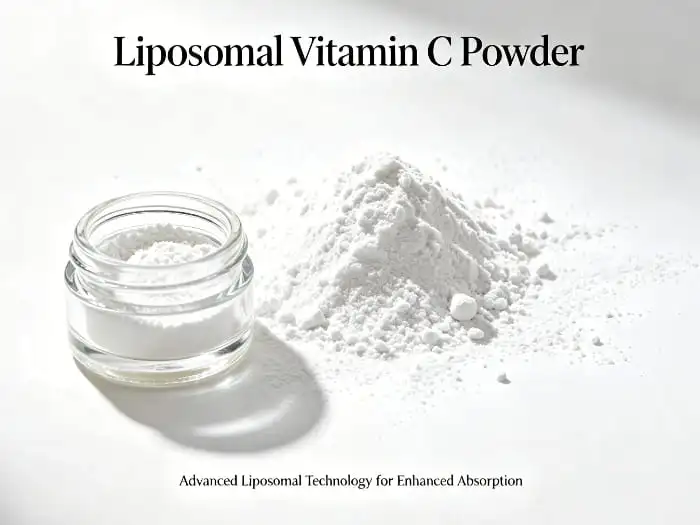
Vitamin C is still one of the most-wanted nutrients in supplement formulas, but it is notoriously unstable, which makes it hard for product creators and manufacturers to make good products. Advanced liposomal vitamin C powder technology is the key to finding an answer. When you choose liposomal vitamin C powder, you're choosing a way to give the vitamin that solves both stability issues and problems with absorption at the same time. This phospholipid-based coating keeps ascorbic acid from breaking down due to oxidation and improves uptake by cells by up to 8 times compared to regular versions. These changes could make it possible for supplement brands, functional beverage makers, and contract manufacturers to make vitamin C goods that really work, stay effective for a long time, and give real health benefits to people who buy them.
Understanding Vitamin C Stability and Permeability Challenges
Because ascorbic acid is easily affected by external factors, it is hard to make new products and handle the supply chain. Light, oxygen, heat, and changes in pH all cause fast breakdown, which can lead to a loss of effectiveness of more than 30% over normal holding periods. We've seen a huge number of formulation projects fail because of these stability problems. Products that tested properly in the lab got a lot worse before they got to customers.
The Stability Crisis in Traditional Formulations
There are three major threats to the safety of standard vitamin C formulas. When ascorbic acid combines with oxygen in the air, it changes from an active ingredient to dehydroascorbic acid and then to chemicals that are no longer active. Changes in temperature during storage and shipping speed up this process by a huge amount. When something absorbs water, it makes the surrounding area more acidic, which speeds up the breakdown process. These factors add up during bulk storage, which makes it hard for procurement teams that are in charge of big stockpiles to predict stability.
Permeability Barriers Limiting Bioavailability
Besides steadiness, absorption is also a very difficult problem. Normal vitamin C works with sodium-dependent vitamin C transporters in the gut wall, but these get full at low amounts. Because of this saturation effect, raising the dose doesn't increase absorption by the same amount. Instead, most of the active ingredient just goes through the digestive system without being used. Clinical studies show that normal doses of ascorbic acid taken by mouth have a bioavailability peak around 200 mg. Any extra amounts are then released instead of being absorbed.
B2B Implications for Procurement Decisions
These two problems have a direct effect on your bottom line. Product returns because of loss of strength hurt the brand's image and cost money. Customers don't get the benefits they were hoping for when there isn't enough bioavailability. This makes them less likely to buy again and makes the market less competitive. It's harder to follow the rules when the real amount of vitamin C drops below what the label says it is during shelf life. When procurement pros understand these basic issues, they can come up with solutions that really solve these issues instead of just covering them up with too much overage.
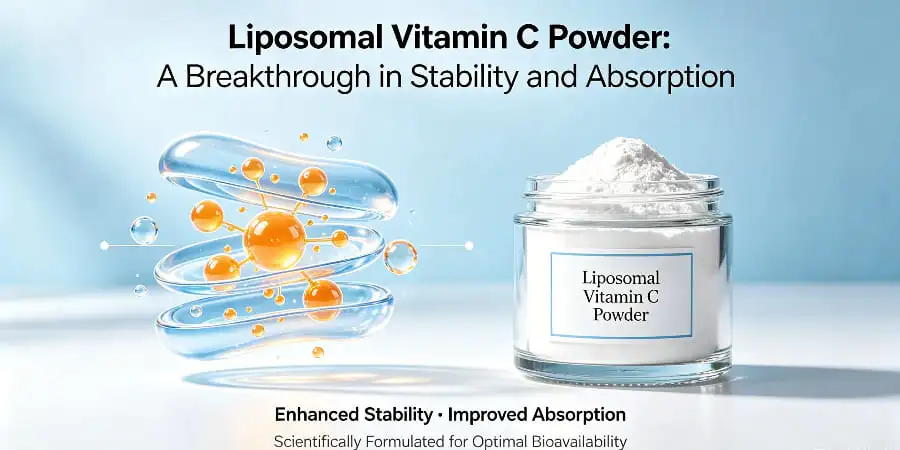
Liposomal Vitamin C Powder: A Breakthrough in Stability and Absorption
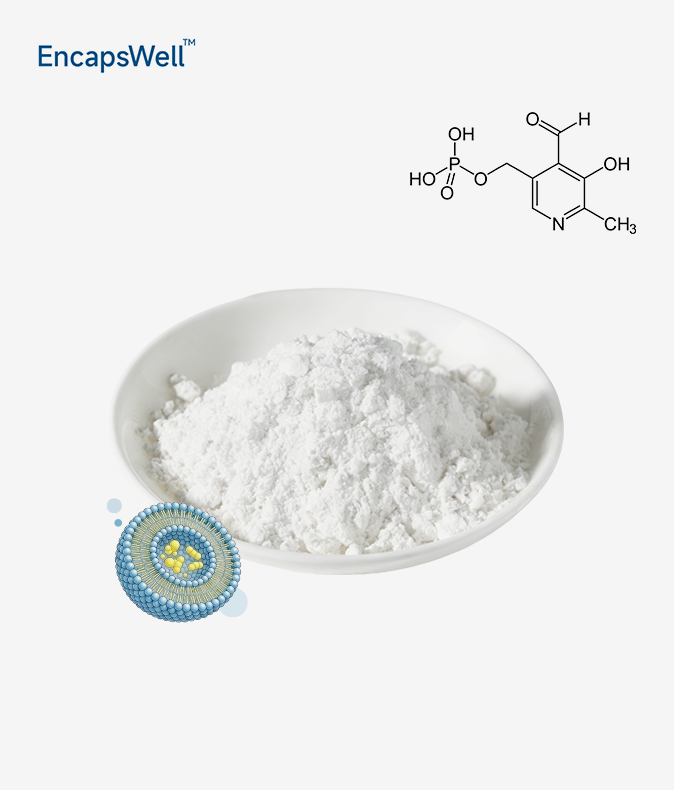
Advanced liposomal vitamin C powder technology changes the way vitamin C works in products in a basic way. Using pharmaceutical-grade phospholipids that look like natural cell membrane structures, our EncapsWell™ tool makes nano-sized vesicles. This isn't just a small step forward; it's a whole new way of thinking about how to give nutrients.
The Science Behind Superior Protection
The core-shell design has many layers of protection. The enclosed core has more than 99% pure vitamin C, and phospholipid bilayers made from sunflower or soybean lecithin circle it. These lipid layers make a barrier that doesn't let water pass through, protecting ascorbic acid from oxidative stress, water, and changes in pH. Third-party stability testing shows that liposomal vitamin C powder systems that are properly made keep more than 95% of their potency for 24 months under controlled conditions. This is a huge improvement over regular powders, which may lose 20 to 40 percent of their strength in the same amount of time.
Enhanced Cellular Uptake Mechanisms
Through direct membrane union, liposomes get around the limits of intestinal transporters that are overloaded. When liposomal vesicles come in contact with intestine cells, they can directly integrate because the structure of the liposome phospholipids and the cell membranes is identical. This means that vitamin C can get into cells without the help of transporter proteins, which makes it much more bioavailable. In vitro studies show that it is 2 times more effective at entering cells than regular ascorbic acid. Human trials show that it stays in the plasma at higher amounts for longer, which shows that it is more efficiently absorbed.
Formulation Versatility for Diverse Applications
Liposomal vitamin C powders that dissolve in water work well in drinking systems, fizzing tablets, ready-to-mix sachets, and regular capsules. This gives brands the freedom to change delivery methods based on their target audience and where they stand in the market. Because liposomal vitamin C powder versions are gentle and pH-neutral, they don't irritate the stomach as much as high-dose normal vitamin C does. This means you can reach more sensitive customers. Because the coating hides the acidity of ascorbic acid, taste adjustment is easier to do.
Comparative Analysis: Liposomal Vitamin C Powder vs Other Forms
If you want to make smart choices about buying, you need to know how the different delivery methods work in real life.
Standard Tablets and Capsules
Traditional forms of medicine like crushed pills and capsules are cheaper and easier for people to understand. But these forms have the stable and bioavailability problems we talked about earlier. To make up for expected decline, bulk buyers have to pay more for overage—sometimes 15–25% more than what the label says—than smaller buyers. This makes it harder to follow the rules and raises the cost of raw materials. Under ideal conditions, the shelf life of most foods is limited to 18 months. This makes transportation less flexible and increases the chance of running out of stock.
Liquid Formulations and Serums
Vitamin C goods that are liquid can be used right away, but they are the hardest to keep stable. Aqueous solutions speed up rust, so they need preservatives, pH adjustments, and often packing that is hard to see through. It's possible that cold chain operations will be needed, which will make delivery costs much higher. Some topical serums work well for skin uses, but oral solutions rarely live up to their high prices because they are unstable and don't work as well as they say they will.
Liposomal Powder Advantages
The powder form of liposomal vitamin C technology blends stability, absorption, and ease of handling. The dry powder form keeps the liposomes' structure while they are stored and gives you options for reconstituting them. A cost-benefit study shows that even though the ingredients cost more per unit, the total cost of ownership is lower because of less waste and a longer shelf life. Liposomal vitamin C powders make logistics easier because they don't need to be kept cold. This lowers the cost of storing and increases the reach of transportation.
Clean-Label and Certification Considerations
Organic vs. non-organic differences have a big effect on how products are positioned in the market. Our non-GMO and vegan-certified formulas meet the requirements of clean labels without lowering their effectiveness. Certifications like ISO9001, HALAL, KOSHER, cGMP, ISO22000, FSSC22000, and HACCP let you sell your products in a wide range of markets and under different types of rules. These badges aren't just marketing checkboxes; they stand for quality systems that have been proven to work, lowering the risk of buying and speeding up time-to-market.
How to Choose and Procure Liposomal Vitamin C Powder for B2B Needs?
To choose the best liposomal provider, you need to carefully look at a lot of factors that have an effect on the success of your product and the continuity of your business.
Quality Verification and Testing Standards
Ask for a lot of paperwork, starting with records of analysis for every batch of production. Testing by a third party should prove the amount of vitamin C, the spread of particle sizes, the effectiveness of the encapsulation, and the limits of microbes. Stability studies done in both sped-up and real-time settings show how formulations work over the course of their planned shelf life. Bioavailability confirmation through in vitro dissolution testing or clinical studies tells the difference between real liposomal vitamin C powders and fakes that just add lecithin without encapsulation.
Manufacturing Compliance and Traceability
cGMP certification sets the bar for what is expected of manufacturing sites. Make sure they follow current good manufacturing practices and have documented quality control systems. Having ISO 9001 and ISO 22000 standards shows that a company cares about quality and food safety. Recording methods for batches should keep track of raw materials from where they are sourced to the end product. This way, if there are any quality issues, they can be fixed quickly. Our manufacturing relationship with Wellgreen gives us the ability to sell more than 100 metric tons per year, and we have all the paperwork we need to do so to send our products to over 50 countries.
Customization Capabilities and MOQ Flexibility
Through custom blends, unique ratios, and brand-specific formulations, OEM/ODM relationships make it possible to stand out from the competition. Check with sellers to see if they can mix vitamin C with other nutrients that work well together, such as zinc, quercetin, elderberry, or elderberry for immune support or collagen peptides for beauty-from-within goods. Your market testing and scaling plan should be in line with your minimum order numbers (MOQs). Too high of MOQs can tie up capital and raise inventory risk, while too low of production runs can make costs go up.
Packaging and Logistics Optimization
The purity of liposomal vitamin C powder is maintained from the time it is made until it is used. Adding nitrogen, moisture barriers, and light-blocking materials can all help foods last longer on the shelf. Contract makers have different choices for bulk packaging than formats that are ready for consumers. Make sure you know what you need. Cash flow and market response are affected by lead times, shipping terms, and the supply of local warehouses. EmerWell's warehouse in San Diego makes the process of evaluating and growing up easier by delivering samples quickly and providing local technology support.
Real-World Applications and Future Outlook for Liposomal Vitamin C Powder
Figuring out how your products can be used in different types of markets can help you find the best chances for them.
Immune Health Supplementation
Seasonal immune support goods use vitamin C's well-known ability to help the immune system work. Liposomal vitamin C powder delivery supports claims of effectiveness with bioavailability benefits that can be seen, setting goods apart in a crowded market. Liposomal vitamin C powder is included in maternity nutrition packs to help with healing after giving birth, where better absorption is especially helpful. More and more, corporate wellness programs are requiring premium formulations. This creates business-to-business chances for buying health perks for employees.
Beauty and Anti-Aging Applications
Vitamin C is an important element for the production of collagen. When beauty brands put liposomal vitamin C powder formulations in their mouth beauty lines, they market the goods with claims like "collagen booster plus antioxidant." People who want scientifically sound beauty products will like the two benefits. Better skin hydration and fewer oxidative markers are shown by clinical data. This backs up marketing claims and supports premium placement in beauty store channels.
Functional Food and Beverage Integration
Wellness drinks and enriched drinks can benefit from liposomal vitamin C powder actives that dissolve in water and stay stable in liquid media. Taste tuning lets you get clean taste profiles without the strong acidity of regular ascorbic acid. Food-grade approvals make it easier to make useful waters, energy shots, and recovery drinks. It comes in a variety of formats, such as effervescent pills and ready-to-mix sachets that are convenient without losing effectiveness.
Innovation Pipeline and Market Trends
New liposomal vitamin C powder technologies keep improving the speed and cost-effectiveness of packaging. Multi-vesicular designs make it possible to load more while keeping the structure stable. Sustainable packing and sources are in line with what consumers expect from businesses that care about the environment. Regulatory frameworks are becoming more familiar with liposomal delivery methods, which could speed up the approval process. Brands can grow in the growing health and beauty markets if their procurement plans include these new ideas.
Conclusion
Problems with vitamin C stability and absorption have limited the performance of products in the nutraceutical, functional food, and health supplement categories. Liposomal vitamin C powder technology offers proven methods that deal with both major problems at the same time: keeping ascorbic acid from breaking down and improving cell uptake by delivering it in a way that works with cell membranes. The business case includes more than just technical performance. It also includes lower overage costs, longer shelf life, following the rules, and standing out from the competition. As the market gets more complex and people want really effective formulas, liposomal vitamin C powder is a smart ingredient choice that balances quality, effectiveness, and the ability to make money. The way forward is to work together with producers who are great at making things, know a lot about regulations, and are dedicated to new ideas.
FAQ
How does liposomal vitamin C compare to traditional supplements in effectiveness?
When compared to regular ascorbic acid tablets, liposomal vitamin C powder versions are about 8 times more bioavailable. This huge improvement comes from directly fusing membranes instead of intestine transporters becoming saturated. There is clinical data that shows sustained plasma levels and faster cellular uptake, which means that the drug works better at the same or lower doses. Liposomal vitamin C powder delivery keeps linear absorption going at higher doses, while traditional vitamins have limits on how much they can be absorbed around 200 mg.
What shelf life can we expect from liposomal vitamin C powder?
When stored properly for 24 months, liposomal vitamin C powders that were made correctly keep more than 95% of their effectiveness. This lasts a lot longer than the usual 12 to 18 months that vitamin C products usually last. Quality of the packing, storage temps, and moisture control all affect how stable something is. Third-party testing of stability under rapid conditions gives information that can be used to plan for different storing situations.
Can liposomal vitamin C powder be customized for OEM applications?
Customization choices are wide-ranging and include private labels, custom particle sizes for certain uses, unique mixes with nutrients that work well together, and different dosage forms like powders and capsules. Minimum order numbers change based on how complicated the product is, and they can be changed to suit everything from testing the market to full production runs. Technical help during formulation creation makes sure that goods meet all the requirements.
Partner with EmerWell for Premium Liposomal Vitamin C Powder Supply
For supplement brands, functional beverage makers, and contract manufacturers, EmerWell provides liposomal vitamin C powder that is highly advanced and made to the highest quality standards. Our EncapsWell™ platform blends pharmaceutical-grade phospholipid encapsulation with cGMP-certified production through our relationship with Wellgreen. This makes sure that quality is always the same on a large scale. With ISO, HACCP, HALAL, and KOSHER standards that let you sell your products all over the world, we offer full legal support. At our offices in San Diego, we have localized customer service, fast sample logistics from US-based warehouses, and expert advice from R&D teams led by PhDs. We come up with solutions that solve real problems with stability and absorption, whether you need bulk liposomal vitamin C powder for mass production or unique OEM recipes to make your brand stand out. Contact us at info@emerwell-bio.com to talk about your specific needs, get product specs, and find out how working with a reliable liposomal vitamin C powder maker can speed up the development of your product while maintaining the highest standards of quality.
References
Davis, J.L., Paris, H.L., Beals, J.W., et al. "Liposomal-encapsulated Ascorbic Acid: Influence on Vitamin C Bioavailability and Capacity to Protect Against Ischemia-Reperfusion Injury." Nutrition and Metabolic Insights, 2016, 9:25-30.
Hickey, S., Roberts, H.J., Miller, N.J. "Pharmacokinetics of Oral Vitamin C." Journal of Nutritional & Environmental Medicine, 2008, 17(3):169-177.
Padayatty, S.J., Sun, H., Wang, Y., et al. "Vitamin C Pharmacokinetics: Implications for Oral and Intravenous Use." Annals of Internal Medicine, 2004, 140(7):533-537.
Carr, A.C., Maggini, S. "Vitamin C and Immune Function." Nutrients, 2017, 9(11):1211.
Pullar, J.M., Carr, A.C., Vissers, M.C.M. "The Roles of Vitamin C in Skin Health." Nutrients, 2017, 9(8):866.
Łukawski, M., Dałek, P., Borowik, T., et al. "New Oral Liposomal Vitamin C Formulation: Properties and Bioavailability." Journal of Liposome Research, 2020, 30(3):227-234.
Online Message
YOU MAY LIKE
High quality furniture manufacturer
_1776234307158.webp)