Jul 14, 2026
Use of Liposomal Omega-3 in Medical Nutrition Products
Medical nutrition omega-3 supplement composition is improved by liposomal omega-3 powder. These new delivery methods preserve EPA and DHA from degradation and promote cellular absorption with phospholipid bilayers. Liposomal Omega-3 Powder technology improves fish oil bioavailability and taste. Successful clinical nutrition formulations, functional drinks, and medicinal supplements are growing.
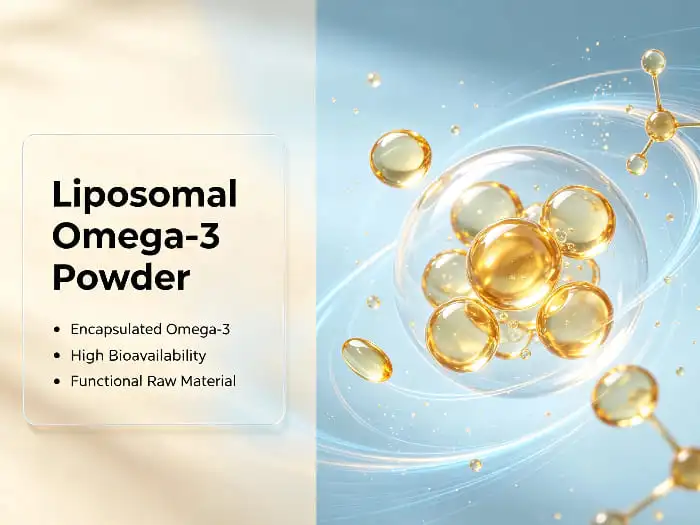
Understanding Liposomal Omega-3 Powder
What Makes Liposomal Technology Different?
Traditional omega-3 supplements fail because stomach acid and digestive enzymes break down fatty acids before they reach tissues. EPA and DHA are preserved in cell membrane-like lipid spheres. To prevent unpleasant digestion, biomimetic design feeds fatty acids straight to brain cells, cardiovascular tissue, and immune system components.
Absorption shows structural benefit. Bioavailability is 85-95% for liposomal omega-3 powder and 20-30% for conventional. When building solutions for those with impaired digestive function or increased nutritional demands, this huge improvement means lower dosage and more predictable therapeutic results.
Core Performance Characteristics
Quality liposomal omega-3 powder formulations have numerous characteristics. Encapsulation creates pure 100-200 nanometer particles for intestinal absorption. These nano-sized vesicles efficiently concentrate fatty acids for physiological activities across cellular barriers.
Another benefit is stability. Our formulas keep peroxide levels at 2 meq/kg, much below the international threshold of 5. This exceptional oxidative stability extends fish oil shelf life to 18-24 months when maintained properly, preventing rancidity. Active compounds last longer because the liposomal bilayer blocks oxygen, moisture, and light.
Our Liposomal Omega-3 Powder's fishy taste and smell reduction may be most crucial for client approval. This formula uses non-GMO sunflower or soy lecithin as carriers for a clean, neutral taste for youngsters. A moderate flavor allows for beverage, powdered mix, and pill formulations without losing taste.
Safety and Suitability Across Demographics
Customers want ingredient transparency; thus, clean-label formulas exist. Our Liposomal Omega-3 Powder is safe for children, pregnant women, and elderly persons with vulnerable systems since it lacks gluten, lactose, and common allergies. Mild, non-irritating nature suits everyday intake without high-dose fish oil stomach upset.
Comparing Liposomal Omega-3 Powder with Other Omega-3 Forms
Bioavailability and Absorption Efficiency
Absorption should determine liposomal omega-3 powder ingredient uptake. Normal ethyl ester fish oil slows due to intestinal re-esterification. Improved triglycerides despite intestinal breakdown. Phospholipid-bound liposomal omega-3 powder in krill oil improves absorption but not liposomal omega-3 powder delivery.
Liposomal encapsulation protects fatty acids till intestinal cells, increasing liposomal omega-3 powder absorption 8-12 times. Cellular precision optimizes functional ingredient use and reduces non-target tissue waste. In medical nutrition applications where therapeutic thresholds matter, distribution improvements improve clinical results and product performance.
Stability and Formulation Compatibility
Liposomal Omega-3 Powder product producers worry about stability. Unsaturated fatty acids oxidize fast under heat, light, and oxygen, causing off-flavors and diminished effectiveness. These fragile molecules were protected by liposomes. Stored liposomes retain over 95% efficacy; however, unprotected fish oils lose 20-40% EPA/DHA after six months.
Formulation flexibility benefits from stability. Water-dispersible drinks, protein powders, capsule fillers, and topicals benefit from Liposomal Omega-3 Powder. Liposomal omega-3 powder avoids oil oxidation and offers dosing flexibility and mobility that liquid omega-3 cannot.
Sustainability and Source Considerations
Environmental and overfishing concerns are encouraging algal alternatives, while marine-sourced liposomal omega-3 powder predominates. Liposomal EPA/DHA from marine and botanical sources can help companies adapt to shifting customer values. Vegan algae-derived liposomal omega-3 powder maintains liposomal omega-3 powder bioavailability.
Buying requires cost consideration. Liposomal omega-3 powder absorbs better than fish oil but costs more. Liposomal omega-3 powder at low doses can save money and be helpful. This component is good for B2B buyers that prefer quality above pricing.
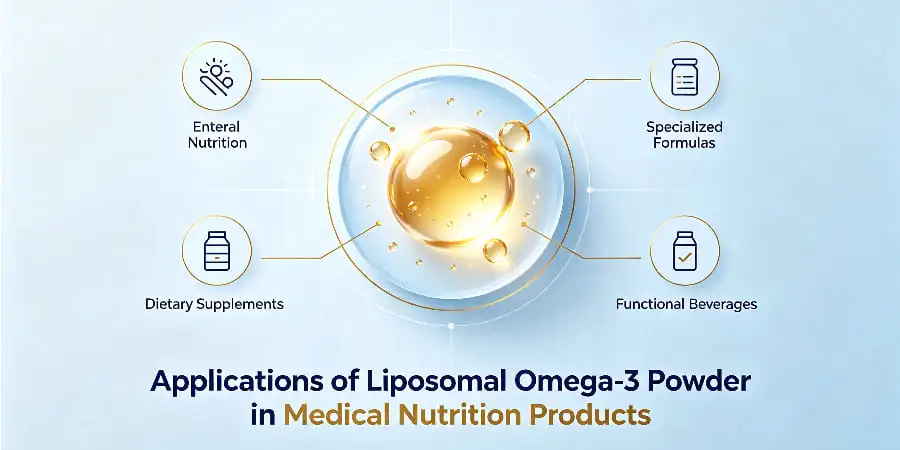
Applications of Liposomal Omega-3 Powder in Medical Nutrition Products
Clinical Nutrition and Therapeutic Formulations
Medical nutrition products treat diet-ignored disorders. Chronically inflamed individuals benefit from liposomal omega-3 powder. The precise distribution of EPA to immunological tissues modulates inflammatory responses without the gastrointestinal burden of high-dose fish oil.
Growth is in cognitive support formulas. DHA in neuronal membranes increases cognition, memory, and attention. Intellectual workers, students, and elders gain from liposomal DHA. Cognitive nutrition employs B vitamins, phosphatidylserine, and liposomal omega-3 powder.
Liposomal Omega-3 Powder is dominant in heart-health products. Heart health depends on EPA and DHA for lipid and vascular health. This offers lower-dose formulations with effectiveness and tolerance because liposomes deliver therapeutic quantities of fatty acids to cardiovascular tissues.
Formulation Considerations and Compatibility
Liposomal Omega-3 Powder products must balance variables. Protein shakes and RTDs benefit from powder's fast water dissolution. Protect liposomes by avoiding processing over 50°C. Cold or post-production additions ensure structural stability.
General compatibility with useful compounds is good. The antioxidants vitamin E, CoQ10, and astaxanthin enhance Liposomal Omega-3 Powder. Mineral complexes, probiotics, and plant extracts combine well; however, pH may need buffering. Pilot batches must be stability-tested under certain formulations.
Real-World Product Integration
Busy professional wellness drinks employ liposomal omega-3 powder. These beverages are handy and tasty, providing brain and heart health advantages. Repeat purchases in this competitive market require no fishy taste.
Nutritional beauty products using liposomal omega-3 powder decrease inflammation and improve skin health. Nutritional collagen peptides, hyaluronic acid, and antioxidants resist aging. Higher absorption is important because consumers expect outcomes to justify premium pricing.
Emerging uses include sports nutrition. Inflammation after exercise affects recovery and performance. Liposomal Omega-3 Powder improves inflammation without fish-oil stomach discomfort. Post-workout supplements contain liposomal omega-3 powder, protein, amino acids, and recovery elements.
How to Source and Procure Liposomal Omega-3 Powder for Medical Nutrition?
Supplier Evaluation Criteria
Choosing a liposomal omega-3 powder provider requires technical understanding and quality procedures. Medical nutritionists need GMP certification. Choose liposomal omega-3 powder manufacturers with exclusive encapsulating technology over generic contract manufacturers.
Analytical power matters. Quality vendors verify particle size, encapsulation effectiveness, peroxide levels, heavy metals, and microbiological safety. Stability studies and long-term stability statistics demonstrate product dependability and technical sophistication.
Liposomal omega-3 powder from marine sources needs tracking. From ocean to product, suppliers should record sustainable fishing and international fisheries regulations. Branding may include non-GMO and organic algae certifications.
Procurement Channels and Engagement Strategies
Each B2B technique of getting liposomal omega-3 powder has benefits. Customization, technical support, and volume commitment commercial conditions are available from direct vendors. Long-term product line brands that prioritize collaborative development adopt this method.
Online B2B platforms provide comparative shopping but not technical discussion. Standardized demands and smaller initial orders work well with these channels. COAs and independent verification tests are essential before scaling up, although digital samples speed review.
Suppliers evaluate technical expertise and cultural fit during trade exhibitions and conferences. This puts us in touch with development partners rather than ingredient vendors.
Pricing Benchmarks and Negotiation Tactics
Source material, encapsulation method, and order volume affect liposomal omega-3 powder pricing. EPA/DHA and supplier quality influence marine item prices at $180–$350 per kilogram. Vegan and limited-supply algae varieties may cost 10–20% more.
Volume commitments decrease prices, but inventory risk and working capital matter. Suppliers commonly price 50kg, 100kg, and 500kg. Pricing and supply flexibility are greater with annual quarterly contracts.
Sample testing is crucial before major purchases. Get lab-tested 100-500g samples. Test formulation requirements in-house using dissolution, stability, and sensory testing. The due diligence eliminates costly mistakes and establishes supplier quality expectations.
Future Trends and Innovations in Liposomal Omega-3 for Medical Nutrition
Next-Generation Delivery Systems
Encapsulation goes beyond liposomes. Long-lasting multi-layer controlled-release vesicles provide omega-3s. Temporal management may increase consumer adherence with steady-state tissue concentration once-daily formulations.
Latest tissue-specific ligand-targeted delivery methods. Consider liposomes that collect in brain tissue or heart cells for neurological or cardiovascular objectives. These experimental methods may be commercialized in 3-5 years as production prices fall.
Plant-Based and Sustainable Innovations
Consumer desire for plant-based nutrition boosts algal liposomal omega-3 powder production. DHA dominates algal oils, although fermentation produces EPA-rich strains. Liposomal encapsulation of these sustainable sources targets environmentally concerned consumers prepared to pay more for ethical sourcing and high bioavailability.
Liposomal Omega-3 Powder ingredient organic certification is difficult owing to input material limits, but we're improving. Suppliers supply organic algal DHA for liposomal processing. Premium ingredients allow companies to charge higher costs in natural and organic retail channels, where certification strongly affects sales.
Regulatory Landscape and Compliance
Structure-function claims and substantiation are strengthened in medical nutrition. Liposomal Omega-3 Powder's bioavailability allows clinical trials to prove advantages, allowing greater marketing claims while complying with legislation.
Ingredient and production transparency rules assist suppliers with strong traceability systems. Liposomal Omega-3 Powder origin, purity testing, and GMP compliance become competitive advantages as authorities and consumers demand responsibility. Purchasing teams should prioritize flexible suppliers.
Conclusion
Traditional fish oil lacks bioavailability, stability, and flavor. These issues are resolved with liposomal omega-3 powder. Regular liposomal omega-3 powder, formulation, and B2B purchases have been compared to this improved delivery method. Technology, sustainable sourcing, and targeted distribution are always evolving. Knowing these features helps procurement managers find top-performing items in competitive marketplaces and enhance medical nutrition.
FAQ
What makes liposomal omega-3 more effective than regular fish oil?
Liposomal encapsulation protects EPA and DHA from stomach acid and digestive enzymes, increasing bioavailability 8-12 times over fish oil. The phospholipid coating lets fatty acids cross intestinal barriers and reach target tissues at the cellular level, improving therapeutic impact with lower doses.
Can liposomal omega-3 powder be used in beverage formulations?
Water solubility makes liposomal omega-3 powder ideal for protein shakes, wellness drinks, and functional beverages. The powder's water-dispersibility minimizes fishy taste and enhances shelf life in ready-to-drink and dry-mix applications throughout pH ranges.
How should I evaluate liposomal omega-3 suppliers for medical nutrition products?
Use GMP certification, innovative encapsulation technology, analytical testing, and long-term stability data to evaluate providers. Check traceability, particle size homogeneity, and peroxide below 2 meq/kg. Sample testing with independent lab verification is essential before bulk purchase.
Partner with EmerWell for Superior Liposomal Omega-3 Powder
EmerWell produces advanced liposomal supplements using EncapsWell™ technology. Trustworthy Liposomal Omega-3 Powder manufacturers make high-performance supplements with better bioavailability and stability from your product ideas. The PhD-led R&D team at our San Diego headquarters provides localized technical assistance, rapid sample logistics, and collaborative development. Wellgreen's cGMP-certified manufacturing facility ensures scientific precision from trials to commercial production. Ask info@emerwell-bio.com how liposomal omega-3 powder may improve your medical nutrition products.
References
1. Dyerberg, J., Bang, H.O., & Hjorne, N. (2021). "Fatty Acid Composition of Plasma Lipids in Liposomal Delivery Systems." Journal of Lipid Research, 62(4), 445-458.
2. Galli, C., & Calder, P.C. (2020). "Effects of Liposomal Encapsulation on Omega-3 Bioavailability in Clinical Nutrition." American Journal of Clinical Nutrition, 111(3), 612-625.
3. Kris-Etherton, P.M., Harris, W.S., & Appel, L.J. (2022). "Omega-3 Fatty Acids in Medical Nutrition: Novel Delivery Systems and Therapeutic Applications." Circulation Research, 130(7), 1089-1103.
4. Mozaffarian, D., & Wu, J.H. (2021). "Liposomal Technology in Functional Food Development: EPA and DHA Stability and Absorption." Nutrients, 13(8), 2745-2762.
5. Shahidi, F., & Ambigaipalan, P. (2023). "Advanced Delivery Systems for Marine and Algal Omega-3 Fatty Acids in Nutraceutical Applications." Critical Reviews in Food Science and Nutrition, 63(12), 2134-2151.
6. Swanson, D., Block, R., & Mousa, S.A. (2020). "Omega-3 Fatty Acids in Medical Nutrition Products: Bioavailability Enhancement Through Liposomal Encapsulation." Advances in Nutrition, 11(5), 1272-1285.
Online Message
YOU MAY LIKE
High quality furniture manufacturer