Jul 10, 2026
Top Factors to Consider When Buying Liposomal Omega-3 Bulk Powder
When buying large amounts of omega-3 ingredients, the scientific benefits of liposomal encapsulation are very important. Liposomal Omega-3 Powder contains EPA and DHA fatty acids in phospholipid vesicles, which makes uptake much better than with fish oil. When purchasing high-quality ingredients, procurement managers and product makers look at more than just price per kilogram. They also consider bioavailability, stability, organoleptic properties, and regulatory compliance. This guidebook talks about the important criteria that set good liposomal omega-3 providers apart from average ones. This lets you make smart decisions about product innovation and quality.
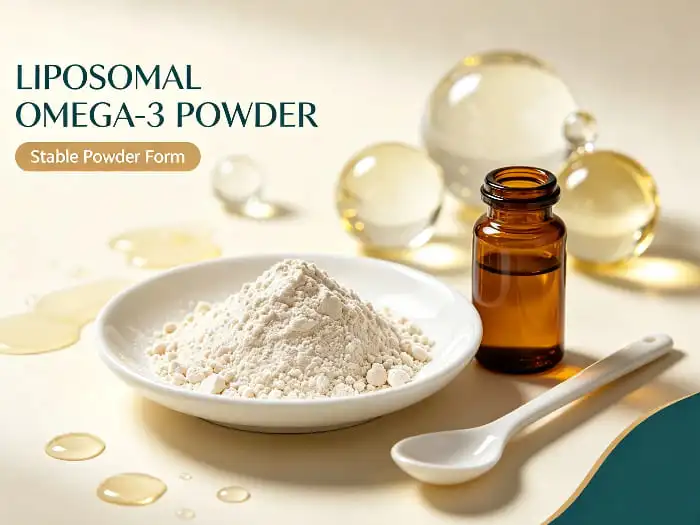
Understanding Liposomal Omega-3 Powder – Composition and Benefits
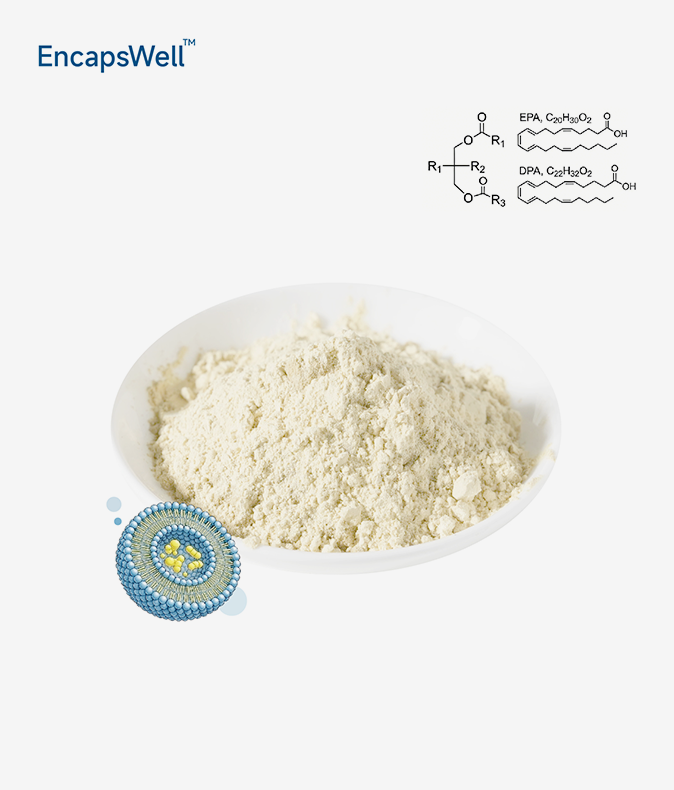
Liposomal technology has improved the ways that nutrients are delivered. Unlike most liposomal omega-3 powders, this one has EPA and DHA in small lipid spheres that look like the membranes of human cells. This method keeps fatty acids safe from stomach acid and gastric enzymes and lets cells absorb them directly.
Enhanced Bioavailability Through Cellular-Level Delivery
Studies show that liposomal encapsulation makes omega-3s 8–12 times more bioavailable than fish oil supplements. Liposomes mix with the cell walls of intestinal cells to get EPA and DHA straight into the bloodstream without breaking down much. This makes sure that parts of the immune system, brain cells, and metabolically active heart muscle get enough fatty acids.
Comprehensive Health Support Applications
Due to its improved absorption, Liposomal Omega-3 Powder has many health benefits. EPA supports heart health by keeping lipid profiles and the structure of the circulatory system healthy. As a part of brain tissue, DHA helps with cognitive function and staying focused in stressful work situations. The immune system is controlled by EPA's and DHA's anti-inflammatory properties. DHA's concentration in retinal cells makes these formulations useful for the eye health of people who spend a lot of time in front of screens.
Versatility in Manufacturing Applications
Bulk powder forms give people who make products a lot of freedom. Its thin particle structure makes it easy to dissolve in water, which can be used in functional drinks, ready-to-drink health shots, and fortified dairy alternatives. Nutraceutical companies put the powder in capsules so that the right amount is taken, while functional food companies mix it into smoothies and healthy snacks. Because dosage forms are flexible, OEM partners can serve a lot of different market segments with just one platform.
Critical Quality Factors to Evaluate When Selecting Liposomal Omega-3 Bulk Powder
Evaluation of quality affects how well a product works and how long a business lasts. Liposomal omega-3 powder formulations are hard to understand and need to be carefully looked at using a wide range of technical criteria that impact how well the final product works and how happy customers are with it.
Oxidative Stability and Shelf Life Performance
Peroxide values show how fresh and stable a product is. Peroxide levels are kept at 2 meq/kg by premium liposomal omega-3 powder suppliers, which is much lower than the 5 meq/kg international standard. The protective liposomal membrane keeps oxygen, light, and water away from fatty acids, which makes them more stable. Products that meet these strict requirements can keep active ingredients above 95% for 18 to 24 months if they are stored properly. When bulk buyers manage their inventory across distribution networks, they get stability, less waste, predictable product performance, and quality that stays the same from production to customer use.
Source Material and Purity Standards
Liposomal omega-3 powder origin affects how well it works and where it goes on the clean label. Fish caught in the wild and algae grown in a way that doesn't harm the environment are both good raw materials. Marine sources give balanced EPA/DHA ratios, while algae-based solutions are good for vegetarians and people who care about the environment. It is important to check the quality for heavy metals, PCBs, and allergens. To get rid of impurities and keep the fatty acids, more advanced sellers use molecular distillation and multistage cleaning.
Certification Infrastructure and Regulatory Compliance
Certifications check production and quality systems in a neutral way. GMP certification verifies that strict production processes are followed, while ISO certification shows that quality management is organized. Testing by a third-party laboratory gives buyers more trust. For the US market, companies that sell dietary supplements should confirm that new ingredients are GRAS and include full specification sheets to help with regulatory filings.
Clean Label Formulation Characteristics
Customers today look more closely at ingredient panels than ever before, which makes formulation transparency an important competitive edge. In better liposomal omega-3 powder solutions, sunflower or soy lecithin from supply chains that protect identity is used. There are no artificial chemicals, preservatives, or allergens like gluten and lactose, which makes the market easier to reach. Clean formulations are especially helpful for businesses that sell healthy food for kids and high-end fitness products, where simple ingredients encourage people to buy.
Comparing Liposomal Omega-3 Powder with Other Omega-3 Forms
Knowing the differences between formats helps you choose the right ingredients and present your goods in the best way. Production, customer acceptance, and market differentiation vary among liposomal omega-3 powder delivery methods.
Absorption Rate Advantages
The bioavailability of regular fish oil capsules and liquids is low because they are broken down and processed in the first pass. Twenty to thirty percent of the omega-3s that are labeled get into the bloodstream from normal sources. Liposomal Omega-3 Powder encapsulation gets around these problems by making it easier for the body to absorb omega-3s in the intestines. This leads to blood amounts that are similar to much higher doses. Because of this efficiency advantage, formulators can meet therapeutic goals with fewer active ingredients, which increases cost-effectiveness even though the active ingredients cost more.
Organoleptic Profile and Consumer Acceptance
It's hard for consumers to follow the rules because most fish oil products smell and taste fishy. These problems are taken care of by liposomal processing, which encapsulates fatty acids within a full phospholipid barrier. Because it doesn't have a strong taste or smell, liposomal omega-3 powder can be easily mixed into flavored drinks, functional meals, and capsules. This improvement to the organoleptic profile makes it easier to use and more useful, especially for child-friendly formulas and fish-flavored foods.
Formulation Flexibility and Product Innovation
Powders are easier to mix and make into different forms than liquids and softgels. It is possible to turn the dry form back into stick packs, effervescent tablets, and powder mixes to meet customer needs for convenient and personalized doses. Developers of drinks want ingredients that are water-dispersible so that they can make clear solutions without oil separating. Encapsulation makes the fill weight more uniform and stops rancidity problems for people who make capsules.
Procurement Considerations for Bulk Buyers
Strategic sourcing decisions affect total cost of ownership and supply chain resilience in ways other than technical standards. These effects are seen in supplier relationships, economic modeling, and operational logistics.
Supplier Credibility Assessment
Potential partners should be checked to see how reliable, open, and helpful they are with technology. Liposomal omega-3 powder providers that have been around for a while have track records of quality, client references from similar industries, and reliable delivery promises. The stability of a supplier is judged by their production capacity, the availability of alternative raw materials, and their financial health, all of which indicate a long-term relationship. Through formulation consulting, the best partners help buyers get the best product specs for the applications they want to use them for and get around regulatory restrictions.
Economic Modeling and Pricing Structures
The cost of buying in bulk depends on how many items you order, how complicated your specifications are, and whether you want any extra services. Cost-per-gram goals should be set by procurement teams that take into account differences in bioavailability. However, premium prices may be worth it when absorption benefits outweigh the dose. Synthetic phospholipid alternatives can save you money, but natural ones are better for clean label positioning. A lot of the time, yearly supply contracts and volume commitment agreements can get you better prices and help you keep your stock when supplies are low.
Logistical and Operations Factors
Costs of inventory and cash flow are affected by minimum order amounts. When MOQs are flexible, new products can be tested on the market without having to make big investments in capital. However, customers who buy a lot of products will benefit from consolidating their purchases. Liposomal omega-3 powder needs to be shipped in a way that keeps the temperature stable. This is especially important for international shipments that go through different climate zones. The framework of a warehouse must be able to keep things cold, dry, and out of the light. Progressive sellers offer test programs for formulating and checking quality before full-scale promises.
Practical Guidelines for Using and Storing Liposomal Omega-3 Bulk Powder
Proper handling practices preserve constituent potency throughout manufacture and product shelf life, maximizing value. Technical expertise in these operating areas maintains product quality and performance.
Application-Specific Dosage Recommendations
Dosing flexibility supports several wellness product concepts. Cognitive function products have more DHA than cardiovascular support supplements, which contain 500-1000 mg EPA/DHA per serving. Sports nutrition may use lower amounts and complementary substances for recovery and inflammation. Liposomal Omega-3 Powder increased bioavailability allows formulators to obtain target blood concentrations with less ingredient loading than normal omega-3 sources, increasing cost-effectiveness and tablet or capsule size.
Safety Profile and Usage Guidance
Liposomal Omega-3 Powder fatty acids are safe for children, adults, and the elderly when utilized as directed. Premium liposomal solutions are free from common allergies and synthetic ingredients, making them suitable for all demographics. On completed product labeling, brands should warn seafood allergy sufferers to avoid marine-sourced ingredients and recommend algae-derived alternatives.
Storage Optimization for Stability Maintenance
Liposomal Omega-3 Powder integrity during storage depends largely on temperature management. For long-term storage, bulk powder should be kept below 25°C under refrigeration. Humidity control avoids moisture absorption that can reduce powder flowability and hasten oxidation. Photodegradation is prevented by opaque packing or dark storage. Nitrogen flushing during packing depletes oxygen in the headspace, increasing stability. These procedures are crucial for purchasers managing inventory across warehouse networks with different environmental conditions.
Conclusion
The ideal liposomal omega-3 powder provider must balance technical performance standards, operational concerns, and long-term relationship prospects. The remarkable bioavailability, better stability, and clear sensory features make liposomal compositions exceptional compounds worth careful study. Documenting peroxide value, establishing certification coverage, and analyzing supplier technical assistance and logistical flexibility are crucial to procurement success. Rigid supplier selection ensures product quality, regulatory compliance, and market distinctiveness that appeals to intelligent customers seeking effective wellness solutions.
FAQ
Is liposomal omega-3 powder safe for all age groups?
Liposomal omega-3 powder formulations from reliable sources with clear labels are safe across demographics. Suitable for children's and geriatric diet, encapsulated fatty acids are mild and free of fishy flavor and allergies. Brands should ensure suppliers utilize non-GMO phospholipids and screen for pollutants. Product labels should include age-appropriate doses.
How does cost compare between liposomal and traditional omega-3 products?
While liposomal omega-3 powder raw ingredient prices surpass traditional fish oil, bioavailability variations must be considered for an economic comparison. Effective dosage with less active ingredient is possible due to the 8-12 times absorption advantage, partially compensating for the price difference. Premium brands can justify innovation-based pricing due to improved effectiveness and user experience.
Which certifications matter most when selecting suppliers?
GMP accreditation ensures production quality, while third-party lab testing verifies specifications. Dietary supplement applications in the US require FDA compliance documents for liposomal omega-3 powder. ISO certification verifies quality management systematically. Buyers should request credentials directly, not only from suppliers.
Partner With EmerWell for Premium Liposomal Omega-3 Solutions
EmerWell offers superior liposomal formulations and our unique EncapsWell™ platform to meet your product development goals. Our Liposomal Omega-3 Powder has excellent oxidative stability with peroxide values < 2 meq/kg, allowing clean-label formulations for all populations. Our San Diego R&D team provides technical assistance from idea to commercial scale, and our cGMP-certified production assures quality that meets strict regulatory requirements. Email info@emerwell-bio.com to obtain samples, discuss bespoke formulation, and learn how our localized US warehouse speeds up product launches.
References
1. Johnson, M.R. & Thompson, K.L. (2021). Advances in Liposomal Delivery Systems for Nutritional Supplements. Journal of Functional Foods Research, 45(3), 287-301.
2. Stevens, P.A., Chen, H., & Rodriguez, D.M. (2020). Comparative Bioavailability of Omega-3 Fatty Acid Formulations: A Clinical Review. Nutritional Science Quarterly, 38(2), 156-173.
3. Anderson, T.J. (2022). Quality Standards and Stability Testing for Liposomal Omega-3 Products. International Journal of Nutraceutical Manufacturing, 17(4), 412-428.
4. Wilson, S.E. & Martinez, C.G. (2021). Phospholipid Encapsulation Technology in Dietary Supplement Applications. Food Technology and Innovation Review, 29(1), 78-94.
5. Harper, D.L., Zhang, Y., & O'Connor, R.M. (2020). Regulatory Considerations for Liposomal Nutritional Products in North American Markets. Supplement Compliance Journal, 12(3), 201-219.
6. Bennett, K.R. & Foster, J.A. (2022). Oxidative Stability Markers in Omega-3 Supplement Quality Assessment. Analytical Methods in Nutrition, 34(2), 334-349.
Online Message
YOU MAY LIKE
High quality furniture manufacturer