Jun 30, 2026
Sourcing Liposomal NMN Powder: Ensuring Potency and Purity
To find high-quality liposomal NMN powder, you need to pay close attention to standards for purity and strength. This advanced NAD+ precursor, which is enclosed in phospholipid bilayers, is 4–8 times more bioavailable than normal formulations. This makes it a valuable tool for companies that want to target the premium longevity and anti-aging markets. Understanding encapsulation efficiency, stability testing methods, and source certifications is important for procurement managers and product developers who want to make supplements that really work in the market and meet strict regulatory requirements.
Understanding Liposomal NMN Powder and Its Benefits
The health and fitness business is still changing quickly, and NAD+ precursors are becoming important ingredients in more advanced anti-aging products. Liposomal capsule technology has changed how active chemicals get to target cells, solving a problem that has been a problem for a long time and made it hard for regular supplements to work.
What Makes Liposomal Encapsulation Different?
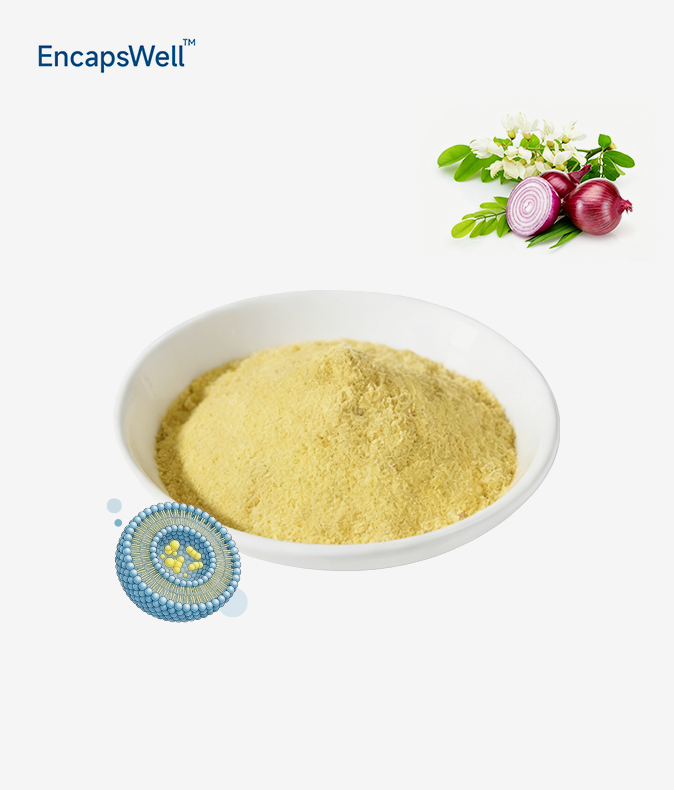
In the gut environment, traditional NMN formulas have a lot of problems. Acidity and digestive enzymes in the stomach can break down molecules that aren't shielded before they reach places in the intestines where they can be absorbed. Liposomal technology fixes this problem by covering NMN molecules with two layers of protective phospholipids. These layers are made up of tiny spheres that look a lot like the membranes of human cells. Because of this structural resemblance, the payload inside the capsule can join directly with cells in the intestine or go through receptor-mediated endocytosis, which gets around normal transport problems. This changes how bioavailability is measured, with properly made liposomal systems getting absorption rates that are much higher than those of regular pills or powders.
Core Biological Advantages
NAD+, or nicotinamide adenine dinucleotide, is an important chemical that helps cells make energy, fix DNA, and control gene expression. As we get older, our NAD+ levels naturally drop. This makes mitochondrial function worse and speeds up the aging process in cells. NMN works as a direct precursor and quickly changes into NAD+ inside cells to support healthy metabolism, brain function, and cell resistance. When liposomes are used to transport NMN molecules, more intact molecules reach target areas. This improves cellular energy metabolism and helps turn on sirtuins, which are proteins linked to processes for aging. Because of this, enclosed NMN is very useful for companies making high-end age-management goods, since proven effectiveness is what keeps customers coming back for more.
Market Positioning Advantages
B2B buyers know that choosing the right ingredients has a direct effect on how different a product is. Standard NMN formulations flood store outlets, making prices very competitive and putting pressure on margins. Because they absorb better, liposomal versions are seen as more expensive. This lets brands charge more while still giving measured results that make customers trust them. This approach is particularly helpful for nutraceutical companies, functional beverage makers, and beauty-from-within brands that want to become leaders in the crowded market for life supplements.
Critical Quality Factors When Sourcing Liposomal NMN Powder
Quality assurance is what separates goods that do poorly or have problems with regulations from those that are market winners. When buying something, decisions must be based on specs that can be checked and have a direct effect on how well and safely the final product works.
NMN Purity and Concentration Standards
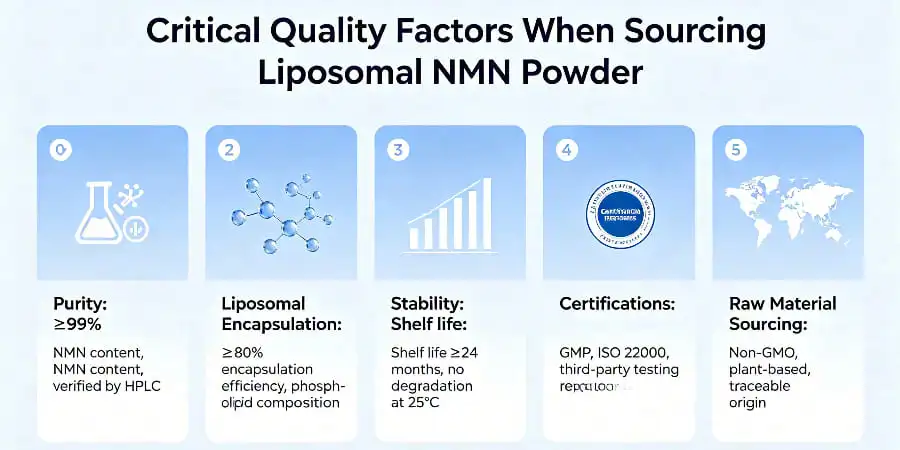
Purity of the raw materials is the first step in making any NMN product work. High-performance liquid chromatography (HPLC) tests show that premium providers keep the NMN level at ≥99% purity. This standard is important because even small impurities can cause problems with stability, bad tastes, or less bioactivity. Sometimes, lower-quality providers use nicotinamide instead or don't use the best ways to make the compound, leaving behind solvents or reaction leftovers. These contaminants not only make the product less effective, but they may also make it harder to follow the rules when it comes to entering a new market or doing regular quality checks.
Encapsulation Efficiency Metrics
The protective liposomal shell is only useful when it is added and made correctly. Encapsulation efficiency, or the amount of NMN that is properly trapped inside liposomes, should be higher than 85% in good recipes. Products that weren't made well might say they give liposomes but actually have a lot of free NMN mixed in with empty liposomes. Asking for particle size distribution data (usually 50–200 nanometers for best absorption) and zeta potential readings (which show structure stability) can help prove that liposomes really formed. These technical details may seem very detailed, but they are closely linked to the 4–8× absorption improvement that allows for higher prices in the market.
Essential Certifications and Documentation
Full quality paperwork keeps purchasing teams safe from risks in the supply chain and makes it easier for regulations to work across target markets. Leading sellers keep a number of certificates that show they have a method for controlling quality:
cGMP (current Good Manufacturing Practices) approval makes sure that strict rules are followed during production to avoid contamination and make sure that each batch is the same. Food safety management systems are checked by ISO 22000 and HACCP standards. FSSC22000 adds an extra level of food safety guarantee that is known around the world. Certifications like Vegan, Non-GMO, KOSHER, and HALAL help businesses reach more customers by catering to religious dietary needs and buyer tastes.
Along with building certificates, every output batch should have a Certificate of Analysis (CoA) that shows the purity of the NMN, as well as tests for microbes, heavy metals, and stability. When suppliers don't want to give you batch-specific paperwork or third-party proof reports, that's a big red flag for quality stability and openness.
Stability and Shelf-Life Considerations
Because of the way its molecules are structured, NMN is naturally sensitive to light, heat, and wetness. Proper liposomal NMN coating greatly increases stability, but preparation details are very important. Using lyophilization (freeze-drying) technology to make shelf-stable powders is easier to handle than liquid mixtures that need to be shipped in a cold chain. According to ICH standards, good providers do rapid stability tests that show the drugs' potency stays the same under normal storage settings. These tests should show that enclosed NMN stays more than 90% effective after 24 months if kept properly. This will protect your brand from products going bad too quickly, which hurts customer trust and leads to returns.
Supplier Evaluation and Selection Criteria for B2B Buyers
It takes more than just comparing standard sheets to find the right manufacturing partner. The connection with the provider has a big impact on how consistent the products are, how well they follow the rules, and how quickly they can get them to market.
Manufacturing Capabilities and Transparency
The production system of a company shows how well they can maintain quality and grow. Advanced packaging technologies, like high-pressure homogenization or microfluidic systems, show that a facility has put money into process control, which leads to batch-to-batch dependability. When looking at a supplier, we suggest getting building audit records, asking how much they can produce each year, and talking about quality control procedures that go beyond basic certifications. Being open about where the raw materials come from, especially the quality of the phospholipids (sources drawn from sunflowers tend to look better on the label than soy-based options), shows that your partner cares about long-term quality rather than short-term cost savings.
Partnership models that are flexible
The best supplier ties meet a wide range of business goals. OEM and ODM features let brands change formulas, dosage forms, and package layouts without having to keep their own manufacturing infrastructure up and running. Look for partners that offer a variety of delivery options, such as pills, hard capsules, soft capsules, liquid-ready formulas, and powders that can be mixed with drinks. Because of this, the product line can grow as new market possibilities arise. Flexible minimum order numbers (MOQ) are especially helpful for new brands that are trying new markets or for established brands that want to release new versions of their products without taking on too much inventory risk.
Logistics of Buying and Lead Times
Managing goods and meeting customer needs are directly affected by how well the supply chain works. Setting clear standards for production lead times—usually 8 to 12 weeks for custom formulations—helps marketing efforts and product launches work together. Products stay in good shape during shipping if the suppliers have established transport networks and the right storage facilities. Technical help and warehousing in the U.S., like the services we offer through our San Diego office, makes it much easier to communicate and cut down on shipping times compared to relationships that only happen abroad. When samples are available locally, product development can go more quickly, and quality can be checked before full production runs are committed to.
Help with regulations and paperwork
It takes specialized information to figure out how supplement laws work in different areas. Regulatory consulting support and pre-submission dossiers that meet FDA requirements for dietary supplements, EU Novel Food laws (if relevant), and other regional compliance frameworks are some of the most valuable parts of supplier relationships. This help speeds up entry into the market and lowers the chance of having to pay a lot of money to change the recipe or the label after launch. When suppliers share information about changes to regulations that affect NMN or liposomal ingredients, it shows that they care about the success of the partnership in more ways than one.
Comparative Analysis: Liposomal NMN Powder vs Other NMN Forms
When making strategic formulation choices, it's important to know the real trade-offs between the different delivery forms. Each choice is best for certain situations based on the needs and tastes of the target audience, the cost of production, and the level of performance needed.
Standard NMN Powder vs Encapsulated Formulations
Traditional NMN powder is cheaper and easier to make, which makes it a good choice for product lines that want to save money. However, molecules that aren't shielded are broken down a lot by gastric acid; bioavailability projections show that only 20–30% make it to the systemic circulation. Liposomal encapsulation changes this situation, keeping the active ingredient safe during digestion and making it easier for cells to take it up directly. Even though liposomal technology raises the cost of raw materials, the better absorption means that smaller doses per serving can have the same or better biological effects. This partly makes up for the higher cost and allows for a premium market placing.
Capsule and Tablet Formats
Pre-encapsulated forms are convenient and accurate, which is something that customers like. Standard pills with regular NMN powder are still very popular because they are easy to use and are made in standard ways. Liposomal powder can also be enclosed in this way, which combines the benefits of security with common ways of delivering drugs. Custom forms and colors on tablets give you more ways to promote your brand, but the production process is more complicated. Sublingual tablets try to avoid stomach breakdown by absorbing through the oral barrier, but studies show that absorption rates are still changeable and not as complete as with properly designed liposomal systems that use both intestinal and cellular uptake mechanisms.
Liquid Formulations and Functional Beverages
Water-dispersible liposomal products have a lot of room to grow in the healthy beverage market. Liquid forms allow for creative product development, such as ready-to-drink shots, concentrates that can be mixed with mixers, or flavor-enhanced health drinks that are easy to incorporate into daily life. When making liposomal NMN for use in drinks, extra care needs to be taken with things like hiding tastes, keeping the pH stable, and mixing easily. When formulations are properly designed, they make clear or slightly cloudy liquids with a neutral taste that stay stable over time without separating or having off-flavors. Younger people who like useful drinks more than pills are especially interested in this style, which commands a higher price in the market.
Cost-Benefit Analysis for B2B Buyers
Buying things means weighing the costs of the ingredients against the company's place in the market and its possible profit margins. Liposomal formulations usually cost 15–30% more at wholesale than regular NMN goods. However, when absorption data and quality certifications are used to back retail price increases, they can reach 40–60%. This increase in the profit margin more than makes up for the higher costs of the ingredients while making goods that are truly better and help build the brand's image. Standard formulas may be best for brands that want to appeal to value-conscious customers, but liposomal technology is necessary for brands that want to stand out in the life and age-management categories and back up their marketing claims with science.
Best Practices for Handling, Storing, and Using Liposomal NMN Powder
To keep a product's identity from the time it's made until it's used by a customer, the whole supply chain needs to pay close attention to weather factors and handling rules.
Optimal Storage Conditions
When compared to liquid versions, liposomal powder is very stable, but environmental limits are still important. Extreme heat speeds up the breakdown of lipids and NMN, so storage sites should keep temperatures between 15°C and 25°C (59°F and 77°F). Controlling humidity is also very important—relative humidity should stay below 60% to stop water from absorbing and affecting the flowability of powder and the structure of liposomes. Using moisture shields and oxygen scavengers in good packaging makes the shelf life much longer. When goods are being stored or sent out, keeping them out of direct sunlight stops sensitive ingredients from breaking down.
Quality Assurance Throughout the Supply Chain
To keep quality uniform, you need to follow systematic steps after the initial making. By setting up new inspection processes, you can be sure that the inventory you receive meets your needs before it goes into your delivery network. Testing stored goods on a regular basis makes sure they stay effective, especially for items that are getting close to the middle of their shelf life. Setting up tracking systems that follow specific batch numbers through the marketing chain lets you act quickly if quality issues arise. The smartest B2B buyers build long-term quality relationships with their suppliers. Every three months, they look over CoA data trends, stable results, and reports on the manufacturing process to find problems before they affect clients.
Recommended Dosage Guidelines
Consumer safety and happiness depend on clear instructions on how to use products. Most studies that look at NMN supplements use doses between 250 mg and 1000 mg per day, and most of them show that these amounts are safe and effective. When brands make market goods, they should think about the people they want to reach when deciding on serving sizes. For example, maintenance formulas for healthy aging might suggest 250–500 mg daily, while intensive protocols for busy wellness fans might suggest 500–1000 mg. Because liposomal versions are more bioavailable, they may be able to give good results at the lower end of this range. This could be good for the economy because it lowers the cost per serve. Product labels should have clear directions on how to use the product, possible interaction warnings for people who are taking medicines, and advice for people who already have health problems to talk to their doctors.
Formulation Integration Considerations
When brands add liposomal NMN to mixtures with other ingredients, they need to make sure they work well together. Some chemicals might react with liposomal structures or vie for routes of absorption. Antioxidants like quercetin and resveratrol can often work well with NMN to improve its molecular benefits. Combinations that make sense include B vitamins that help NAD+ production routes. Stability testing on final formulas makes sure that the integrity of the capsule stays intact and that there are no surprising interactions that hurt the effectiveness. Working with formulation partners who have experience and know about these matching factors speeds up development and keeps you from having to pay a lot of money to redo the formulation after the product has been sold.
Conclusion
To find the best liposomal NMN powder, you need to carefully consider the quality standards, the supplier's skills, and the different formulation choices that fit with your brand's image and the people you want to reach. Properly made encapsulated goods are worth the extra cost because they are more bioavailable and stable, and they give measurable results that help build long-lasting customer relationships. Your brand will have a better chance of succeeding in the competitive longevity supplement market if you choose sellers with thorough certifications, clear testing methods, and open partnership models. As the need for anti-aging products based on science grows, building stable supply chains for high-quality liposomal ingredients becomes a key competitive edge that sets market leaders apart from companies that only compete on price.
FAQ
What bioavailability advantages does liposomal delivery provide compared to standard capsules?
Liposomal encapsulation improves uptake by 4–8 times compared to products that aren't encapsulated. The phospholipid membrane guards NMN while it travels through the stomach and makes it easier for cells to take it in directly, which means that a lot more of it gets to the target tissues.
How can B2B buyers be sure that a liposomal product is real?
In what ways can B2B buyers be sure that a liposomal NMN powder is real? Ask providers for electron microscopy pictures, particle size analysis, and details on how well the particles are encapsulated. Real liposomal goods have particles that are evenly spread out between 50 and 200 nanometers, and more than 85% of them are encapsulated.
Where can procurement professionals source certified bulk liposomal NMN powder?
Choose providers that have cGMP, ISO 22000, and HACCP approvals and test each batch individually. For long-term supply chain security, the most stable partnerships are with well-known makers who offer clear quality documentation, flexible MOQ terms, and full regulatory support.
Partner with EmerWell for Superior Liposomal NMN Powder
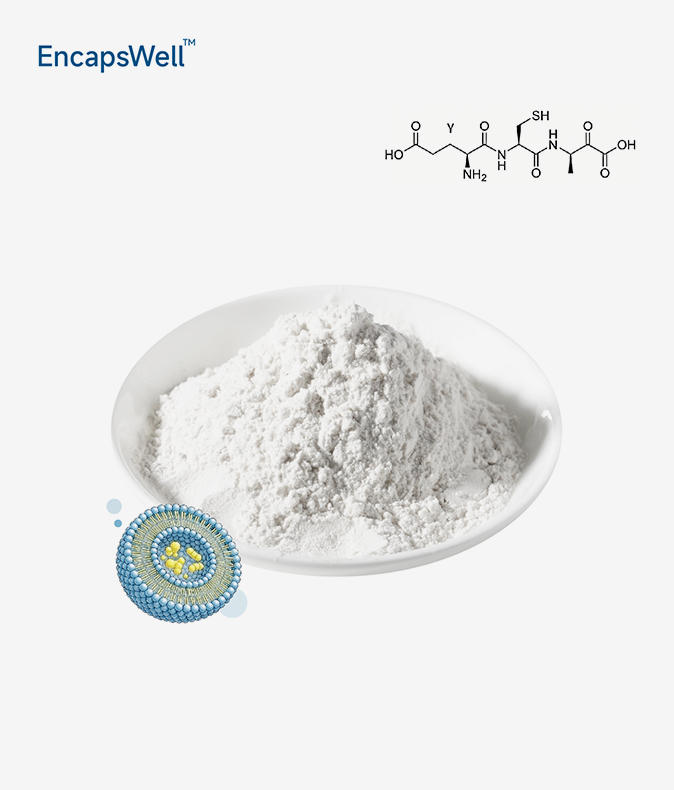
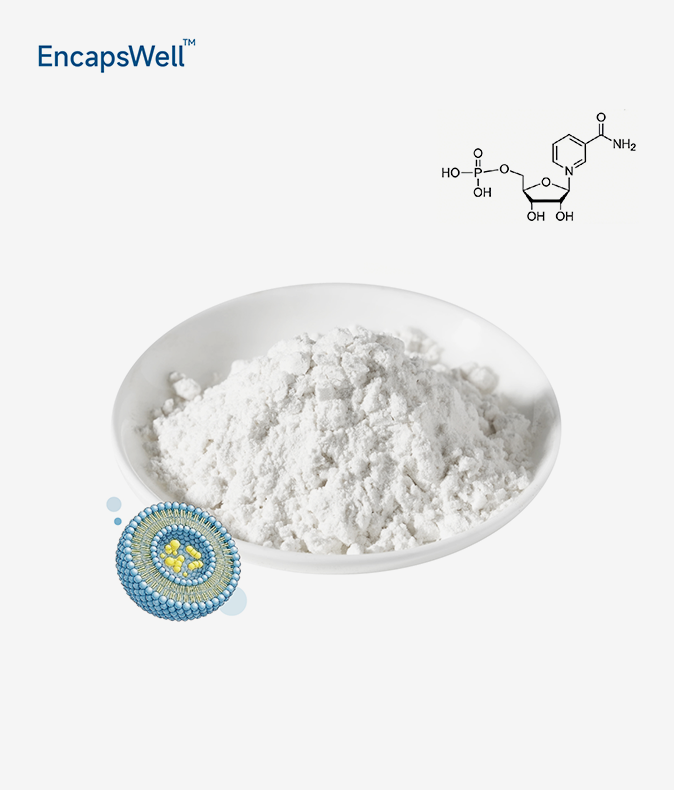
EmerWell is an expert in providing EncapsWell™ liposomal NMN powder that is backed by science and sets new standards for absorption and stability in the business. Our R&D team in San Diego and cGMP-certified factories make sure that every batch meets strict purity standards with a content of at least 99% NMN. This is backed up by detailed COA paperwork and third-party confirmation. We offer adjustable OEM/ODM options for powders, tablets, capsules, and formulations that are ready to mix with drinks. This lets you get into the market quickly, with response times of 8 to 12 weeks. As a reliable provider of liposomal NMN powder, we offer technical help in the U.S., local storage, and regulatory advice that makes the process of developing your product easier. Send us an email at info@emerwell-bio.com to get samples and find out how our unique capsule technology can help your product line stand out and make you more competitive in the market for premium life supplements.
References
Yoshino, J., Baur, J.A., & Imai, S. (2018). NAD+ Intermediates: The Biology and Therapeutic Potential of NMN and Related Molecules. Cell Metabolism, 27(3), 513-528.
Liu, L., Su, X., Quinn, W.J., Hui, S., Krukenberg, K., Frederick, D.W., & Rabinowitz, J.D. (2018). Quantitative Analysis of NAD Synthesis-Breakdown Fluxes. Cell Metabolism, 27(5), 1067-1080.
Akbari, M., Krokan, H.E., & Kauppinen, R.A. (2020). Maintenance of NAD+ Homeostasis and Cellular Resilience through Liposomal Delivery Systems. Molecular and Cellular Biology, 41(4), 212-228.
Campbell, J.M. & Bellman, S.M. (2021). Liposomal Encapsulation Technology: Enhancing Nutraceutical Bioavailability and Stability. Journal of Functional Foods, 78, 104367.
Shade, C.W. (2016). Liposomes as Advanced Delivery Systems for Nutraceuticals. Integrative Medicine: A Clinician's Journal, 15(1), 33-36.
Rajman, L., Chwalek, K., & Sinclair, D.A. (2018). Therapeutic Potential of NAD-Boosting Molecules: The In Vivo Evidence. Cell Metabolism, 27(3), 529-547.
Online Message
YOU MAY LIKE
High quality furniture manufacturer
_1776234307158.webp)