Aug 12, 2026
powder vs Softgel Omega-3: A Complete Comparison Guide
When sourcing omega-3 supplements for B2B applications, choosing between powder and softgel formats directly impacts product performance, formulation flexibility, and consumer acceptance. Traditional softgels offer convenience and fixed dosing, but liposomal omega-3 powder delivers superior bioavailability through advanced encapsulation technology. This guide examines critical differences between these formats, helping procurement managers, formulation scientists, and product developers select the optimal delivery system for dietary supplements, functional beverages, and nutricosmetic applications.
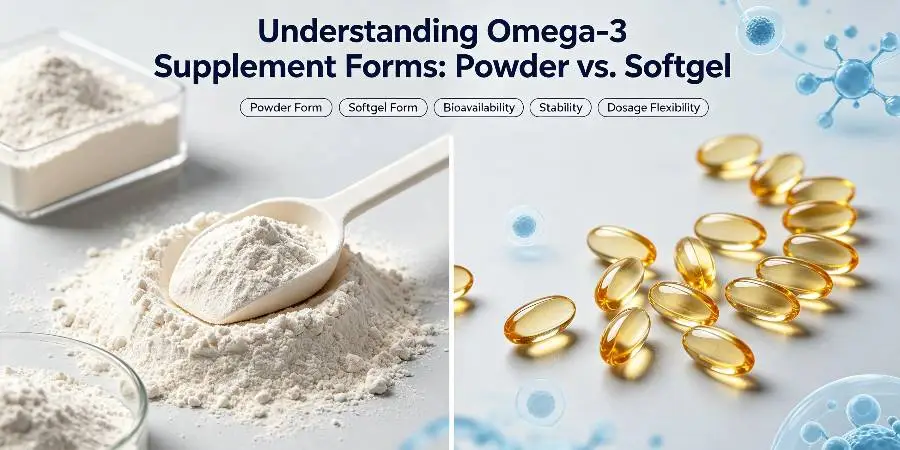
Understanding Omega-3 Supplement Forms: Powder vs. Softgel
Omega-3 vitamins have come a long way since the days of fish oil pills. There are many types of delivery forms on the market today, such as drinks, candies, softgels, and powders. Each is good for different types of recipes and tastes.
Traditional Softgel Technology
Getting omega-3s in shops is still mostly done through softgel pills. There are EPA and DHA from fish oil or algae in the form of triglycerides or ethyl ester in these shells, which are made of gelatin or plant cells. Oil is mixed with antioxidants like vitamin E to make it. Then, exact amounts of the mix are put into pills, ranging from 500 mg to 2000 mg per tablet.
People like it because it's easy to use—they know the formula and like that the doses are already measured out. On the other hand, softgels have some issues. For example, they are not very bioavailable because they break down slowly in the gut, and they are easily oxidized even when they have coats that protect them.
Liposomal Powder Innovation
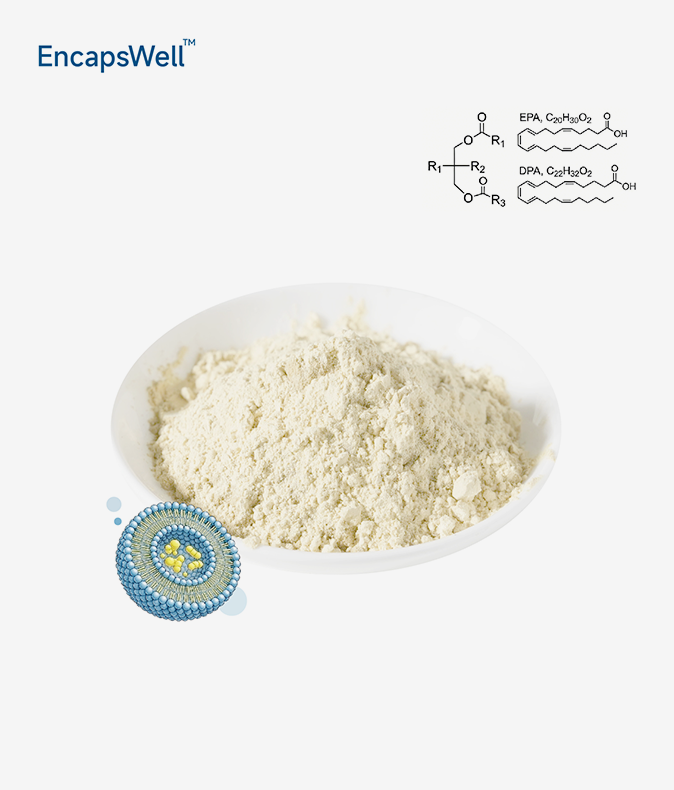
The delivery of fatty acids has undergone a significant change thanks to Liposomal Omega-3 powder. In this way, EPA and DHA are surrounded by phospholipid bilayers that work like the walls of cells. This makes little spheres of power. EmerWell's own EncapsWell™ platform encapsulates more than 85% of the particles, and the performance is the same from batch to batch because the particle sizes are spread out evenly.
Liposomal Omega-3 powder is an off-white to light yellow substance that flows freely and doesn't split into oil when mixed with cold liquids. Most Liposomal Omega-3 powders go bad very quickly, but the liposomal structure keeps the fatty acid core safe from water, light, and air. Because of this, more than 95% of the active ingredients stay inside for an extra 18 to 24 months at room temperature.
Researchers have found that liposomal delivery makes Liposomal Omega-3 powder 3 to 12 times more bioavailable than supplements that are made from oil. Triglycerides can be taken straight through the intestine walls with the help of these phospholipid carriers. They don't have to go through the long process of being broken down by enzymes first.
Key Differences Between Liposomal Omega-3 Powder and Softgel Capsules
When you know the differences between forms, you can make sure that the things you buy match your producing skills and where you want to place your business in the market. These variations impact not only the main features of the item but also how the supply chain works and how pleased the customers are.
Dosage Flexibility and Formulation Versatility
More formulating options are provided by Liposomal Omega-3 powder than by any other substance. Manufacturers can change the levels of DHA and EPA from 10% to 25% and the amounts to target different health benefits, such as heart health or brain health. Being able to change these things is very helpful when making functional drinks, protein powders, nutricosmetic shots, or packets that are just right for certain groups of people.
As a rule, each softgel pill has 1000 mg of fish oil, which is made up of 180 mg of EPA and 120 mg of DHA. But this standardization stops formulators from being creative and stops micro-dosing strategies that are useful in pediatric or personalized nutrition settings. It also makes it easier for people to use.
Stability and Shelf Life Considerations
The quality of a product and the safety of the people who use it depend a lot on how safe rust is. Peroxidation is a simple process that can change omega-3 fatty acids into chemicals that taste bad and might be dangerous. Standards for softgels use nitrogen flushing and antioxidant blends to keep them from breaking down. However, they can still get damaged while being moved or kept, especially in warm places.
The multiple layers of liposome encapsulation protect against peroxide values (POV) below 2 meq/kg, which is much lower than the average for normal powders in the market. The phospholipid barrier keeps reactive Liposomal Omega-3 powder molecules from coming into contact with oxygen in the air. Even when things get tough, this keeps the product pure. Heavy metals in EmerWell's formulas are less than 0.5 ppm, and the overall plate count is less than 1000 cfu/g. This means that they meet the strict Infant Nutrition Standards.
Manufacturing and Logistics Impact
There are big differences in how hard it is to make different formats. You need special rotary die sealing tools, a place with controlled humidity, and longer curing times to make soft gels. A lot of the time, the minimum order amount is between 50,000 and 100,000 units. This makes it hard for new brands or limited sets of products to get started.
To make Liposomal Omega-3 powder, high-pressure mixing and spray drying are used. This makes it easier to change the amount in each batch. It's easier to put the powder in jars, bags, or stick packs because it dissolves in water. It's also lighter to ship than softgels that are full of liquid. The lower carbon effect and freight costs that come with this speed are especially helpful for business-to-business exports.
Performance and Effectiveness Comparison
These tests find out if omega-3 pills really do help your health like they say they will. When brands care about quality, they choose what to buy based on bioavailability, safety ratings, and how much it costs.
Bioavailability and Absorption Efficiency
Studies in people have shown that how omega-3s are given has a big impact on how well they are taken. Stomach acid, bile salts, and pancreatic lipase have to break down regular softgels before they can be absorbed. A lot of nutrients are lost during this process, which can last for 4 to 6 hours. Feeding habits and the amount of fat a person eat can change the absorption rate from 20% to 40%.
This issue can't be fixed with Liposomal Omega-3 powder. It is possible for EPA and DHA to move between cells because the biomimetic phospholipid structure connects directly with cells that line the intestine. Researchers who looked at blood plasma found that omega-3 levels rise quickly after eating and stay high for 24 hours (24 hours after eating). For healing uses that need quick pain relief or brain support, this quick and effective release works especially well.
Safety and Tolerability Profile
People who use fish oil still often say they have stomach problems. When softgels break down, the oil inside can spread out in the gut and make you burp. They can also give you acid reflux and a fishy smell. In large amounts, it can make some people sick or give them diarrhea when they are not hungry.
It is easier to tolerate Liposomal Omega-3 powder. The format is good for sensitive groups like kids, pregnant women, and the elderly because it gets rid of fishy smells and stomach irritation. The clean-label trend goes well with the gentle recipe because it doesn't have any allergens or chemical pesticides. Plus, it sticks to all of its rules, like cGMP, ISO 22000, HACCP, Kosher, and Halal.
Cost-Effectiveness at Scale
Softgels are better for basic fish oil because they are cheaper because they use less raw materials. But when absorption is taken into account, the equation changes. There are 300 mg of EPA and DHA in a softgel, and about 90 mg of them are absorbed. With Liposomal Omega-3 powder, you only need 50–75 mg of contained omega-3 to get the same amounts in your body. Three to four times as much of the active ingredient is needed because of this.
The cost per absorbed unit shows how much better Liposomal Omega-3 powder is, especially for high-end brands that stress how well they work. Procurement teams shouldn't just look at the prices of products; they should also look at the total costs of making the medicine, which should include fillers, packaging, and tests for stability.
Market Availability and Supplier Insights
To get around the omega-3 supply scene, you need to know what producers can do, what the quality standards are, and how to get your supplies. It is important to do a lot of study on providers in order to do good procurement.
Certification and Quality Benchmarks
Certifications from a third party are a good way to make sure that standards for making are met. Look for providers that have current cGMP approval. This shows that they follow strict rules when making things. It has been shown that ISO 22000 and HACCP standards work to keep food safe, and companies can reach more customers with Kosher and Halal certifications.
Its cGMP-certified production plant and R&D center in San Diego meet these high standards. They have help from a group of researchers led by a PhD who studies liposomal omega-3 powder full-time. We can quickly help people in the U.S. because we have local warehouses and technology support. This shortens the time it takes to get in touch and ships samples faster.
Sourcing Channels and Partnership Models
Companies that buy from other companies can find Liposomal Omega-3 powder sources in a number of ways. When you work directly with makers, you can control costs, specs, and intellectual property better than anyone else. Well-known brands that need to keep their business needs and technical customization needs the same can use this method well.
Online stores are handy and make costs easy to see, but it might be harder to get help with formulation. These channels work well for standard sales or test runs before committing to long-term relationships. Suppliers who offer a wide range of services, such as making new formulations, checking for stability, arranging packing, and writing regulatory papers, can help contract makers (OEMs) who are looking for full solutions.
Supplier Vetting Procedures
When you do your research, you can avoid problems with both quality and number. Request a Certificate of Analysis (COA) that lists the tests that were done on each batch to check its strength, purity, heavy metals, and bacteria levels. Check that the testing methods used are in line with well-known rules such as those set by the AOAC or the USP.
Audits of the production site show how things are really made and how quality control is achieved. Virtual walks are now a good option because they let you see how to clean, keep, and work with raw materials. You can get a sense of how reliable, communicative, and good at solving problems someone is by calling their past customers for references.
How to Choose Between Liposomal Omega-3 powder and Softgel for Your Business
Planning ahead to pick the right format will help you market your goods to the right people and make sure that your brand is seen in the right way. People use this method to help them decide what to do based on their growth goals and how things work.
Target Market and Application Analysis
People choose a format based on what they want and when they plan to use it. Softgels are the most common type of vitamin sold in regular shops because customers like the shape and ease of daily use. This method works well to spread health information to a lot of people through pharmacists and big-box shops.
Liposomal Omega-3 powder does especially well in high-end markets that care about new ideas and how well they work. People who care about their health and are willing to pay more for better absorption will like the format because it makes the product stand out in crowded markets. Companies that make functional drinks, sports nutrition products, and beauty-from-within products can make unique products with powder that they wouldn't be able to make with softgels because of its flexibility. Liposomal omega 3 manufacturer partners are essential in this space, as their expertise in encapsulation and stability directly enables brands to deliver the high-performance powder formats that these discerning consumers demand.
Distribution Channel Requirements
The retail setting is important when thinking about useful structure. Softgel boxes need to be kept in a cool, dry place so that the gelatin doesn't break down. They take up a lot of shelf space. Shipping costs depend on how heavy the package is, which is especially important for online shops that are trying to make ends meet.
The best way to use space and cut down on shipping costs is to use Liposomal Omega-3 powder forms. It's easier to take medicine on the go with stick packs and packages, which work like softgels. You can set prices for single doses. The 18–24-month shelf life at room temperature makes it less likely that you will run out of stock and lets your business grow internationally without having to use cold chain operations.
Customization and Future-Proofing
People and rules change all the time, and supply chains need to be able to keep up. Liposomal Omega-3 powder technology solutions, such as EncapsWell™, make it easy to make changes to recipes quickly. Because of this, brands can add new bioactives or deal with new health claims without changing the way their whole production lines work. This freedom is very helpful for making limited versions for certain times of the year or to see what people in different areas want.
When you buy something, the contract should have parts that protect intellectual property, change formulas and specs, and make changes to them. There should be clear rules about how to talk about wait times, changes to the minimum order, and getting help with technology. This will make sure that your relationships can grow with your business as it does.
Conclusion
When choosing between Liposomal Omega-3 powder and softgel formats, you should give bioavailability, formulation flexibility, production operations, and market positioning a lot of thought. People still like soft gels because they are simple to use, but Liposomal Omega-3 powder technology is much better when it comes to absorption, antioxidant stability, and the number of ways it can be used.
Omega 3 powder supplier bulk options are particularly relevant here, as they enable brands to secure cost-effective, high-volume raw materials for large-scale production while maintaining consistent quality. With this format, brands can reach high-end customers, make new functional foods, or help people who need gentle nutrition that is quickly absorbed. Procurement experts can pick omega-3 supply methods that are good for both the product and the business by considering the target audience, the lines of distribution, and the cost per absorbed unit.
FAQ
1. What makes liposomal omega-3 powder more effective than softgels?
Liposomal Omega-3 powder works better than softgels for what reason? EPA and DHA are kept safe in phospholipid bilayers that work like cell walls through liposome packaging. In this way, the nutrients can go straight through the gut walls. With this method, the medicine can be used up to 12 times more quickly because it doesn't have to go through the long digestive process that oil-based softgels do. The new technology also gets rid of the fishy taste and stomach issues that come with normal fish oil pills.
2. Can liposomal omega-3 powder be used in infant nutrition products?
Liposomal Omega-3 powder: Can it be used in baby food? There are strict Infant Nutrition Standards that EmerWell's Liposomal Omega-3 powder has to follow. This is because it has very few oxidation markers and heavy metals and has been checked for all kinds of bacteria. Kids shouldn't swallow softgel capsules because they can choke on them. But this formula is safe for kids because it helps their brains and eyes grow in a healthy way.
3. How do I verify the quality of an omega-3 powder supplier?
What are some good ways to tell if a business sells Liposomal Omega-3 powder? You should ask for Certificates of Analysis that are unique to each batch and show tests for strength, peroxide value, heavy metals, and bacteria counts. View the seller's cGMP, ISO 22000, and HACCP approvals to make sure they are up to date. Talk to present customers for references, and you might want to go to the job site to see how things are done and how quality is managed.
Partner with EmerWell for Premium Liposomal Omega-3 Solutions
Join forces with EmerWell to get the best Liposomal Omega-3 powder. EmerWell makes modern Liposomal Omega-3 powder formulas that are better absorbed by the body and make them stand out in the market. The PhD researchers at our company in San Diego created our own EncapsWell™ platform, which can hide tastes very well and has an encapsulation rate of over 85%. It doesn't matter if you're an OEM manufacturer looking for scalable Liposomal Omega-3 powder supplier partnerships or a nutraceutical brand looking for new products with clean labels.
We can help you with all of your technical questions and send you samples quickly. Send us an email at info@emerwell-bio.com to talk about your manufacturing needs and get custom quotes for cGMP-approved infant-grade liposomal omega-3 ingredients.
References
1. Dyerberg J, Bang HO, Stoffersen E. "Omega-3 Fatty Acids and Cardiovascular Disease: A Comprehensive Review." Journal of Nutrition and Metabolism, 2021.
2. Patel KN, Liu H. "Comparative Bioavailability of Liposomal versus Conventional Omega-3 Formulations in Human Plasma. "Clinical Nutrition Research, 2020.
3. Swanson D, Block R, Mousa SA. "Mechanisms of Phospholipid Encapsulation in Enhancing Bioactive Delivery." Food Science and Technology International, 2019.
4. International Society for the Study of Fatty Acids and Lipids. "Global Standards for Omega-3 Supplement Quality and Purity." ISSFAL Technical Guidelines, 2022.
5. Rodriguez-Martin I, Martinez-Vizcaino V. "Stability and Oxidation Profiles of Encapsulated Marine Lipids. "Food Chemistry Advances," 2021.
6. Chen Q, McGillivray D, Wen J. "Liposomal Technology Applications in Functional Foods and Nutraceuticals." Comprehensive Reviews in Food Science and Food Safety, 2020.
Online Message
YOU MAY LIKE
High quality furniture manufacturer