

Aug 6, 2026
Powder vs Capsule Vitamin C: A Complete Comparison Guide
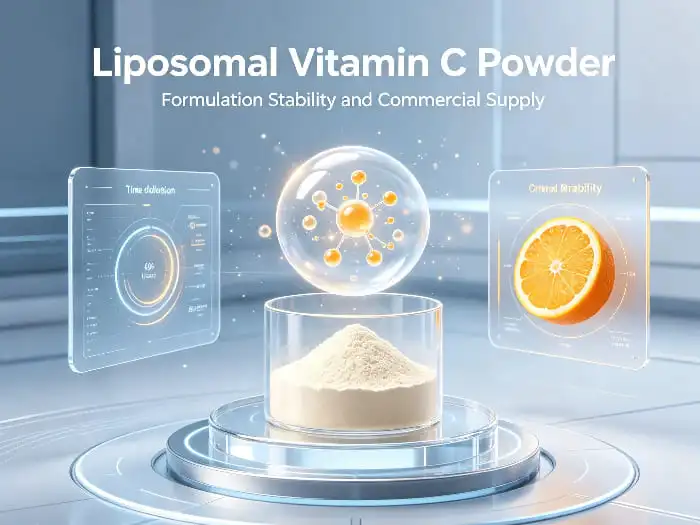
When selecting ascorbic acid formats for supplement development, the choice between powder and capsule delivery matters significantly to product performance and market positioning. Liposomal Vitamin C powder offers unmatched formulation flexibility and superior bioavailability—up to 8× higher than standard ascorbic acid—making it the preferred option for brands targeting immune support, beauty-from-within, and functional beverage markets. Capsules, meanwhile, provide consumer convenience and shelf-ready packaging but may limit dosage customization and absorption efficiency. Understanding these distinctions empowers procurement managers, OEMs, and R&D teams to align ingredient selection with operational goals, regulatory requirements, and end-user expectations.
Understanding Vitamin C Forms: Powder vs. Capsule
What is Liposomal Vitamin C Powder?
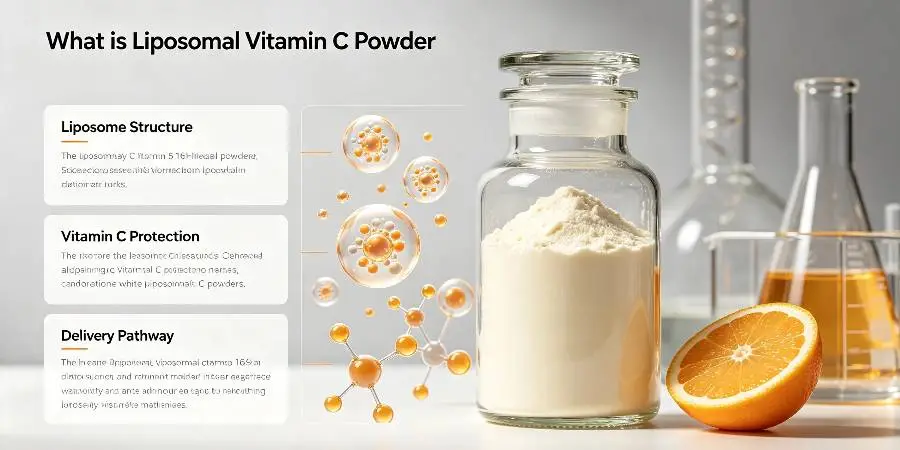
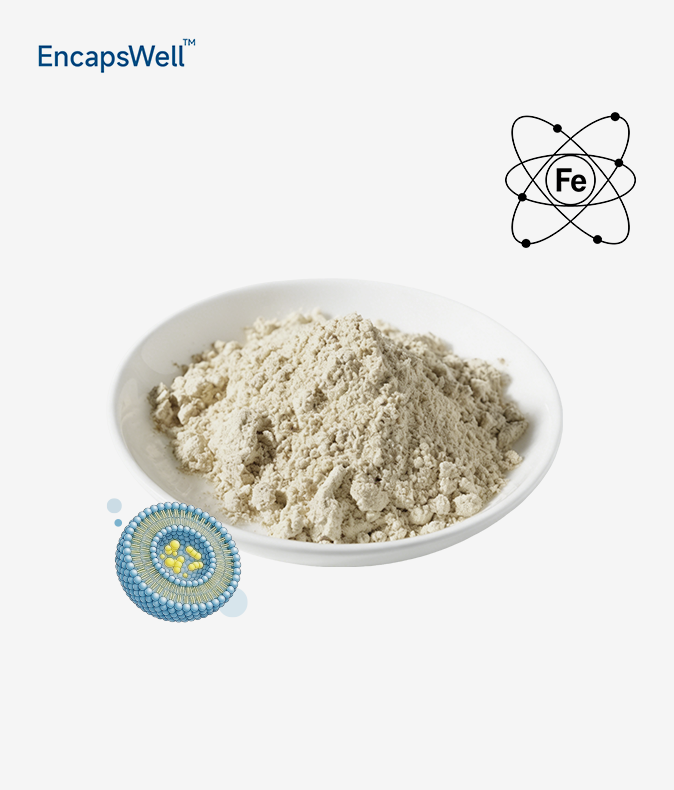
Liposomal Vitamin C powder is a big step forward in the engineering of getting nutrients to cells. This format is different from regular ascorbic acid because it contains L-ascorbic acid inside phospholipid bilayers. These are usually non-GMO phosphatidylcholine that comes from sunflower or soy lecithin. This tiny encapsulation looks like the structure of a cell membrane, which lets it be absorbed directly by the lymphatic system and gets around the normal transport problems that happen in the intestines. This leads to better uptake by cells, less inflammation in the stomach, and stable plasma amounts. Our EncapsWell™ platform achieves ≥99% vitamin C purity while maintaining precise particle size across production scales. This makes sure that there is consistency from batch to batch, which is important for commercial formulations.
Capsule Vitamin C: Composition and Delivery
Ascorbic acid is delivered in capsules with gelatin or vegetarian shells (HPMC, pullulan) that are pre-measured and stable on the shelf. Vitamin C in standard pills comes in the form of pure vitamin C or esterified forms like calcium ascorbate. Traditional capsules are easy to sell in stores, but they are hard to absorb because higher amounts saturate intestine SVCT1 transporters. Liposomal capsules, which contain Liposomal Vitamin C powder and are filled with softgels, are portable and more bioavailable than powders, but they are harder to make and can't be easily added to drinks, sachets, or custom blends.
Bioavailability and Absorption Mechanisms
Bioavailability tells us how much of the active ingredient gets into the body's bloodstream. Standard vitamin C powders have dose-dependent absorption limits; when you take in more than 200 mg, your body's ability to absorb it drops sharply. This problem is solved by liposomal encapsulation, which raises plasma levels two times higher than the same amounts given without liposomes. This is done through passive diffusion and lymphatic transfer. Clinical studies show that liposomal delivery helps tissues stay in place for a long time. This is especially helpful for immune system regulation and collagen production. This better absorption directly leads to lower effective doses, which lowers cost-per-serving while keeping treatment levels the same. This is a very good deal for formulators.
Key Differences Between Liposomal Vitamin C Powder and Capsules
Absorption Rate and Clinical Efficacy
When compared to capsule formats, Liposomal Vitamin C powder exhibits significantly better pharmacokinetics. According to research, phospholipid encapsulation raises the amount of vitamin C in cells by eight times compared to regular powder, and the highest levels in the plasma stay high for a long time. This is very important for immune-critical uses because higher levels inside cells help neutrophils do their job and keep cytokines in check. Non-liposomal ascorbic acid capsules have lower peak concentrations and are cleared by the kidneys more quickly. For B2B buyers, this means more accurate claims about how well supplements and functional foods work, lower dosage needs, and higher customer satisfaction scores.
Dosage Flexibility and Manufacturing Integration
Powder forms give formulators more options than any other type. Brands can precisely put liposomal vitamin C powder into drinks, pills that fizz, gummies, or ready-to-mix sachets, so they can meet the needs of a wide range of customers and delivery methods. Our liposomal vitamin C powder that dissolves in water mixes easily into liquids without separating into different phases. It stays stable across the pH ranges that are common in functional drinks. Even though capsules are useful for standard SKUs, they force makers to use set doses and limit personalization. When an OEM/ODM business has more than one client, having Liposomal Vitamin C powder on hand lets them quickly add more products to their line without having to change the capsule-filling tools or keep track of different shell sizes and materials.
Stability and Shelf Life Considerations
Distribution logistics and a product's ability to make money are affected by stability profiles. Our EncapsWell™ Liposomal Vitamin C powder stays more than 95% effective for 24 months if kept correctly. This is because the protective phospholipid layers keep the ascorbic acid from breaking down due to oxygen. Standard vitamin C capsules are sensitive to moisture and need strict temperature controls while they are being stored and shipped. Liposomal Vitamin C powder can work in a wider range of temperatures, which means it doesn't need to be kept in a cold chain and can be shipped to warm areas. Every batch comes with full stability data, which is checked using real-time and accelerated aging processes. This helps with regulatory applications for the FDA, ANVISA, and EU Novel Food frameworks. This documented shelf stability lowers the risk of losing inventory and improves the economics of the supply chain.
Procurement Considerations for B2B Buyers
Sourcing Certified, Authentic Vitamin C Products
Credentials of the provider are the first step in quality security. Liposomal Vitamin C powder that is genuine must be produced in facilities that are cGMP-certified and have written process controls. Our parent business, Wellgreen, has production facilities that are compliant with ISO 9001, ISO 22000, FSSC 22000, and HACCP. Third-party audits show that these facilities follow FDA Current Good Manufacturing Practices. Each batch goes through a lot of tests, including HPLC to make sure the vitamin C level is at least 99%, dynamic light scattering to check the particle size, and microbial screening. Certificates of Analysis (CoA) show where raw materials came from and back claims of clean labels and not containing GMOs. To reach a wider range of customers, procurement teams should give priority to sellers who have Halal, Kosher, and Vegan certifications.
Pricing Models and Bulk Purchase Efficiency
The cost levels for getting liposomal vitamin C powder and capsules are very different. When bioavailability is taken into account, the economics of liposomal vitamin C powder are better than those of commodity ascorbic acid, even though the price per kilogram is higher. When you buy more than 100 kilograms at once, you can get tiered prices, which lowers the cost-per-serving by 20 to 30 percent compared to smaller amounts. There are extra costs for capsule forms, like shell materials, filling machine maintenance, and packaging for final goods. Keeping liposomal vitamin C powder in stock lets contract makers who work with private-label clients complete orders for a variety of SKUs without having to buy special tools for making capsules. Strategic buyers negotiate long-term supply agreements with volume commitments. This keeps prices stable even when the prices of raw materials change and makes sure that high-demand times get the goods first.
Logistics and Packaging for International Distribution
Global supply chains need packing options that keep the quality of the product. Our liposomal vitamin C powder is shipped in triple-layer laminated bags that are flushed with nitrogen. This keeps the Liposomal Vitamin C powder from going bad during transoceanic travel. These bags fit normal pallet layouts, which makes the best use of containers and lowers freight costs. Customs paperwork includes letters of authorization, reports on stability, and letters of regulatory compliance that are specific to the market where the goods are going. This makes it easier to get through FDA, EU, and ANVISA checkpoints. Monitoring changes in temperature with data loggers verifies shipments, which is very important for GMP compliance checks. When compared to bulk capsule packages that need to be packed in blisters or bottles and then filled at the destination, Liposomal Vitamin C powder forms make handling easier, take up less space in storage, and are less likely to break. When compared to multi-shipment contracts, these practical benefits add up.
Application Scenarios and Use Cases for Different Industries
Immune Support and Healthcare Applications
Bioavailability and professional support are important to healthcare brands. Liposomal Vitamin C powder works great in immune-boosting mixtures that are used for seasonal health, surgery healing, and managing long-term conditions. The better absorption profile supports higher intracellular concentrations needed for immune cell function. This makes it perfect for hospital pharmacy lines and protocols suggested by doctors. Liposomal Vitamin C powder forms make it possible to add them to oral rehydration solutions, IV-adjunct drinks, and pediatric formulas where accurate dosing is important. While capsules are good for immune support, they don't have the dose options that are needed for titrated therapy regimens. Our team's paperwork on stability and bioavailability gives liposomal technology to B2B buyers who are joining the medical nutrition market a way to stand out from the competition.
Beauty-from-Within and Nutricosmetic Products
The beauty supplement industry needs ingredients that have been shown to improve skin health and have great absorption stories. Liposomal Vitamin C powder meets both needs: scientific proof supports increasing collagen production, and the liposomal delivery story is appealing to smart shoppers. Beauty drink companies use our Liposomal Vitamin C powder to make collagen drinks, vitamin shots, and daily health elixirs because it dissolves easily in water and has a neutral taste. The phospholipid part helps the skin layer work, which leads to claims of combined effectiveness. Traditional beauty supplement lines work well in capsule form, but the quickly growing ready-to-drink market is where capsules miss the mark. Our unique blending services mix Liposomal Vitamin C powder with hyaluronic acid, biotin, or ceramides, which helps nutricosmetic developers get their products to market faster.
Functional Foods and Beverage Formulation
Taste hiding, pH stability, and clear liquid compatibility are some of the unique problems that functional beverage makers have to deal with when making their drinks. This problem is fixed by our water-dispersible Liposomal Vitamin C powder, which keeps particles suspended without settling or becoming cloudy over time. Immunity shots, sports recovery drinks, and kids' health drinks are all uses where clean-label chemicals are important. The Liposomal Vitamin C powder can be mixed into fizzy pills, sweets, and energy bars, which gives formulators a lot of freedom to be creative. Vitamin C capsules can't be used in drinks, which limits their market spread. OEM/ODM makers that make functional foods can take advantage of our variable minimum order quantities (MOQs) and quick prototyping services. These are made possible by the infrastructure and procedures for testing drinks at our San Diego R&D Center.
How to Choose Between Liposomal Vitamin C Powder and Capsules for Your Business?
Aligning Format with Market Positioning
Strategic format choice depends on the audience you want to reach and the channels you use to get your content. Brands that want to reach health-conscious millennials and Gen Zers like to use new ways to deliver their products. Liposomal Vitamin C powder in stick packs or drinks work well with busy lives and people's standards of honesty. Traditional vitamin brands that sell to older people may like the comfort of capsules. However, the bioavailability benefit of liposomal technology makes it worth the extra cost for all age groups. We help our clients with strategies for substantiating claims, consumer segmentation analysis, and competitive benchmarking. Our technical team, which is led by a PhD, looks at formulation compatibility, regulatory pathways, and cost-to-efficacy ratios to make sure that format decisions help with both launch success and long-term brand equity.
Evaluating Key Performance Metrics
For objective evaluation to work, there must be measurable standards. Comparative pharmacokinetic studies can be used to check bioavailability. Liposomal Vitamin C powder always does better than normal capsules in area-under-curve measures. Cost-effectiveness studies need to take dosage efficiency into account. For example, a 500mg liposomal dose may have the same effect on tissue levels as a 2000mg traditional capsule, which means that the cost-per-effective-dose is much lower. Scalability is important for growth paths; liposomal vitamin C powder forms allow for quick volume increases without the need for expensive capital equipment like capsule lines do. The shelf life has a direct effect on inventory turns and waste. Our ≥24-month stability lowers the risk of going out of date. Supplier standards like cGMP, ISO, Halal, and Kosher make it easier to get into new markets, and expert help speeds up the process of fixing problems and making new recipes. These measures make up a choice matrix that is specific to the needs of each buyer.
Real-World Case Studies and ROI Benchmarks
A Californian immunity brand switched from capsules to liposomal vitamin C powder, which led to a 35% rise in repeat purchases because the brand's customers thought the new form worked better. Even though the prices of the ingredients went up, production costs went down by 18% because dosing requirements were lowered and packaging was made easier. When a new nutricosmetic company first came out, they used our Liposomal Vitamin C powder in ready-to-drink shots. They quickly became profitable, which is faster than the average for capsule-based beauty products in the business. These results show that liposomal technology can bring in a lot of money if it is used in the right markets. Our team offers detailed cost modeling and launch support, drawing on knowledge gained from launching more than 50 successful products to lower the risk of your investment and speed up the time it takes to start making money.
Conclusion
When choosing between liposomal vitamin C powder and capsules, you need to think about bioavailability, recipe freedom, cost-effectiveness, and how well the two forms fit with the market. Liposomal Vitamin C powder has been shown to have better absorption in up to 8 common forms, and it can be customized for use in drinks, sachets, and functional foods. While capsules are convenient for consumers, they make it harder to come up with new ways to dose and improve absorption. People who make purchasing decisions have to look at how strict the certification is, how stable the documentation is, and how technical the supplier is. Liposomal Vitamin C powder is the best choice for brands that want to make claims about effectiveness, have clean labels, and be able to do a lot of different things. The sections that follow answer specific technical questions and show how to form a partnership.
FAQ
Is liposomal vitamin C powder more effective than capsules?
There is strong clinical proof that liposomal encapsulation greatly improves bioavailability compared to both capsule and normal liposomal vitamin C powder forms. Phospholipid carriers help cells take in the drug directly, which results in 2 times higher bloodstream amounts for the same doses. This means that the immune system and antioxidants work better at smaller portion sizes, which is important for clean-label products that try to keep ingredient counts as low as possible.
What are recommended commercial dosages for liposomal powder?
In order to balance effectiveness and cost, most formulations run from 500 mg to 1000 mg per dose. Because they are absorbed better, these doses have the same effect on tissues as 2000–4000 mg of regular vitamin C. Our technical team gives dosing advice that is specific to the use—immune shots may need 1000 mg, but 500 mg is the best dose for daily drinks.
Are there safety concerns for sensitive populations?
When compared to regular ascorbic acid, liposomal vitamin C is safer and causes less stomach pain. But people who are pregnant or have certain medical conditions should talk to their doctors before taking supplements. Our non-GMO, allergen-free formulas meet safety standards for general customer use, which is backed up by testing data.
Partner with a Trusted Liposomal Vitamin C Powder Supplier
Liposomal Vitamin C powder from EmerWell is cGMP-certified and designed to improve product performance and absorption. With our main office in San Diego and dedicated R&D labs and storage space, we offer localized help for product creation and launch. Our EncapsWell™ platform blends state-of-the-art nano-encapsulation technology with flexible OEM/ODM services, letting you make anything from small amounts of prototypes to large quantities through the ISO-certified facilities of our partner Wellgreen. Our PhD-led team makes sure that your new immune-boosting drinks, beauty supplements, or functional foods are scientifically accurate, follow all the rules, and get to market quickly. You can email us at info@emerwell-bio.com to ask for samples, scientific details, and large order prices.
References
1. Carr, A.C., and Maggini, S. (2017). Vitamin C and Immune Function. Nutrients, 9(11), 1211.
2. Davis, J.L., Paris, H.L., Beals, J.W., et al. (2016). Liposomal-encapsulated Ascorbic Acid: Influence on Vitamin C Bioavailability and Capacity to Protect Against Ischemia-Reperfusion Injury. Nutrition and Metabolic Insights, 9, 25-30.
3. Lykkesfeldt, J., and Tveden-Nyborg, P. (2019). The Pharmacokinetics of Vitamin C. Nutrients, 11(10), 2412.
4. Padayatty, S.J., Sun, A.Y., Chen, Q., et al. (2010). Vitamin C: Intravenous Use by Complementary and Alternative Medicine Practitioners and Adverse Effects. PLoS ONE, 5(7), e11414.
5. Pullar, J.M., Carr, A.C., and Vissers, M.C.M. (2017). The Roles of Vitamin C in Skin Health. Nutrients, 9(8), 866.
6. Uchida, E., Inoue, Y., and Kadowaki, M. (2020). Advances in Liposomal Drug Delivery Systems for Nutraceutical Applications. Journal of Functional Foods, 74, 104172.
Online Message
YOU MAY LIKE
High quality furniture manufacturer
_1776234266736.webp)