Jun 29, 2026
Mixing Liposomal Vitamin C and Glutathione for Synergistic Effects
Putting liposomal vitamin C powder and glutathione together is a new way to boost with antioxidants that solves problems with absorption that come up with older methods. Liposomal capsule technology wraps active ingredients in phospholipid layers that look like cell walls to make it easier for nutrients to get to where they need to go. This combination works very well together; glutathione saves vitamin C from breaking down and vitamin C regenerates damaged glutathione. For B2B companies making immunity boosters, beauty-from-within goods, or functional drinks, this mix gives better cell uptake and long-lasting effects that regular powders or pills can't match.
Understanding Liposomal Vitamin C Powder and Glutathione
What Makes Liposomal Encapsulation Different?
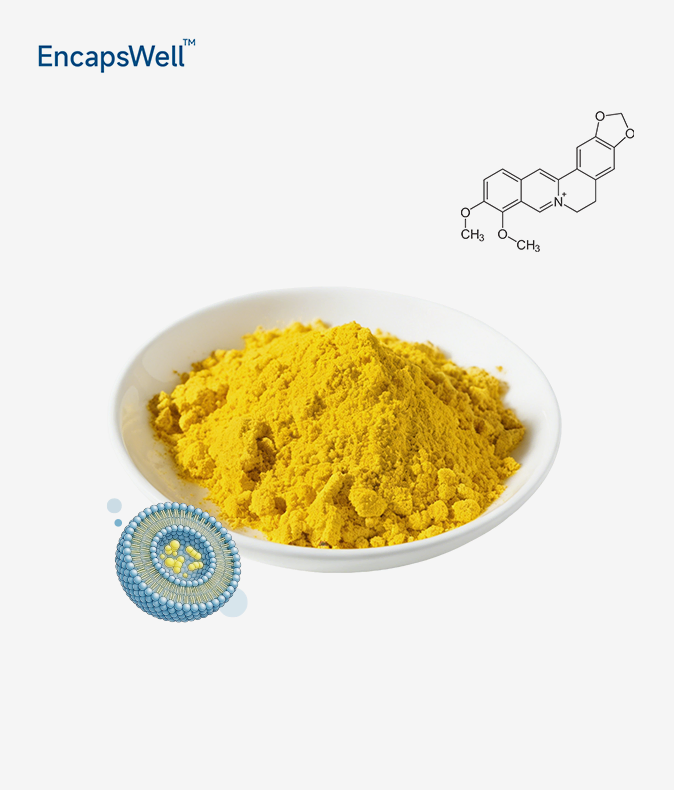
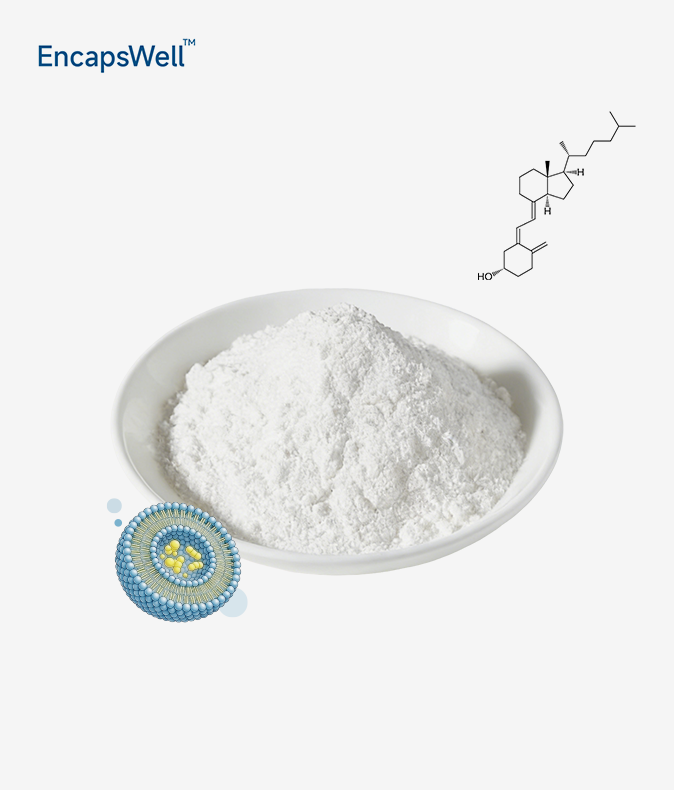
Traditional ascorbic acid has a hard time being absorbed. Because passive diffusion is limited in the small intestine, taking large amounts of vitamin C pills often causes stomach pain and waste. Liposomal transport methods get around this problem by putting vitamin C inside very small lipid balls. Our EncapsWell™ technology makes liposomal vitamin C powders 8 times more bioavailable than regular powders, and they contain more than 99% vitamin C. The phospholipid coating, which is made up of sunflower or soybean lecithin, keeps the active ingredient safe while it goes through the digestive system and makes it easier for cells to join together. This method makes sure that more ascorbic acid gets to the cells and fluids, where it works as an antioxidant.
It's easy to understand the science behind this improvement. Liposomes get around normal ways of absorption by attaching themselves straight to cell walls. In vitro studies show that liposomal formulations have two times higher cellular uptake, which is supported by batch tracking and stable tests. For procurement managers looking for ingredients for beauty drinks or items that help the immune system, this means that smaller dosages are needed and claims of greater effectiveness are made.
Glutathione's Role as a Master Antioxidant
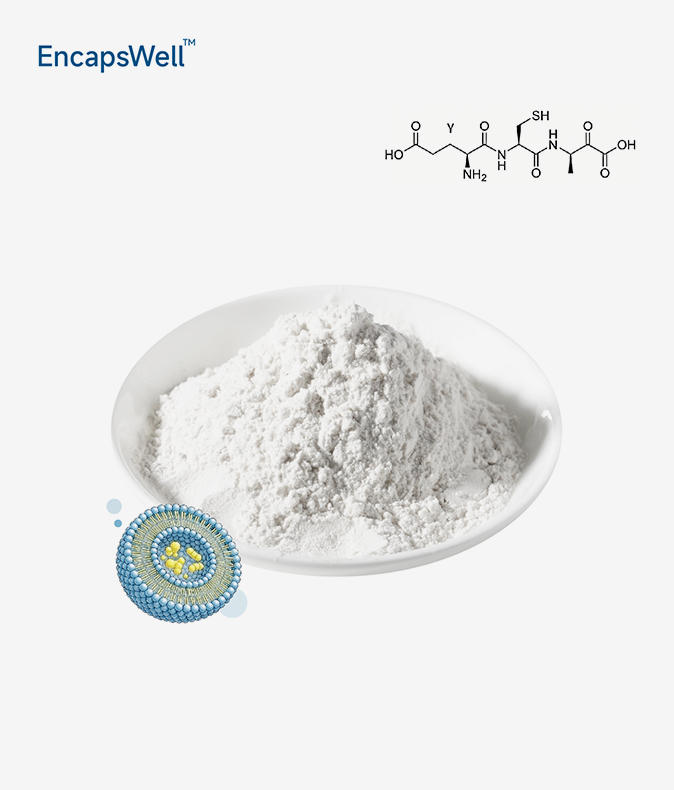
Glutathione is made up of three parts: cysteine, glutamine, and glycine. It is the body's main internal antioxidant, fighting free radicals and making other antioxidants, like vitamins C and E, work again. Its value includes controlling the defense system, getting rid of toxins through the liver, and making DNA. Glutathione levels normally drop with age, worry, and toxins in the environment, which is why supplements are so popular.
The problem is getting it done. When you eat glutathione, enzymes in your digestive system break it down, which limits its access in your body. This is taken care of by liposomal glutathione using the same packaging method as vitamin C. When mixed with glutathione, vitamin C makes it more active for longer by constantly changing its oxidized form back to its working state. This two-way relationship makes both chemicals work better, which makes the mix very appealing for formulas that want to fight oxidative stress, improve skin health, and boost immune system strength.
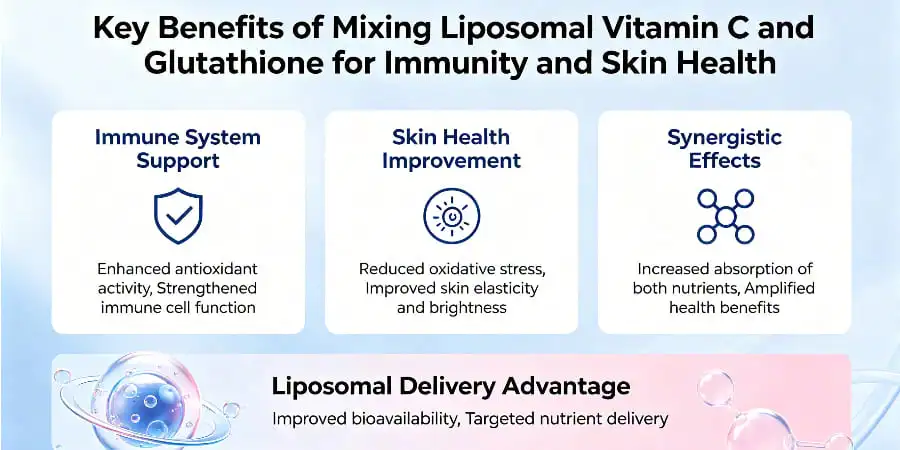
Key Benefits of Mixing Liposomal Vitamin C and Glutathione for Immunity and Skin Health
Enhanced Immune System Modulation
Both substances help the immune system work on their own, but when they work together, they have stronger benefits. Vitamin C increases the production of white blood cells and improves their ability to eat other cells. Glutathione, on the other hand, keeps lymphocytes working and controls the production of cytokines. Liposomal transport makes sure that defense cells get the right amounts of both nutrients.
Clinical studies show that people who keep their amounts of both antioxidants at optimal levels get respiratory infections less often and heal faster. This two-action method gives brands that are making seasonal health goods or postpartum healing formulas strong marketing points that are backed up by biological processes. Liposomal vitamin C powders are stable and dissolve in water, which makes them perfect for use in health shots, immunity drinks, or dissolvable sachets, where ease and effectiveness are both important.
Collagen Synthesis and Anti-Aging Applications
Vitamin C is needed for two processes that are important for making collagen triple-helixes: proline and lysine hydroxylation. In addition, glutathione stops melanin production by stopping tyrosinase from working and lowering oxidative damage to collagen fibers that are already there. Together, they look at skin health from two points of view: creation and defense.
In nutricosmetic lines, beauty-from-within brands can use this combination to their advantage. A mix of liposomal vitamin C powder and glutathione backs up claims that it can make skin more elastic, reduce acne, and protect against photoaging. Topical uses have trouble getting through the epidermis, but oral liposomal formulas get the actives to all parts of the body. This internal method appeals to people who want all-around anti-aging solutions. It creates possibilities in high-end beauty salons and online shopping outlets that focus on holistic skin care.
Oxidative Stress Mitigation for Active Lifestyles
When you work out, your metabolism works harder and more free radicals are made. Strong antioxidant support is needed to deal with oxidative stress and help healing in athletes and fitness-focused customers. Vitamin C and glutathione work together to quickly neutralize reactive oxygen species that are caused by exercise and help mitochondria work properly.
Liposomal vitamin C powder formulations can be marketed by sports nutrition brands as high-end healing aids. Because it is more bioavailable, the antioxidant stores are restored faster than with regular vitamins. Formulation teams making post-workout drinks or performance pills benefit from clean-label claims like "vegan," "non-GMO," and "free of synthetic additives," which are in line with what health-conscious customers want.
How to Effectively Use Liposomal Vitamin C Powder with Glutathione?
Optimal Dosage and Timing Considerations
Dosing that works relies on how the product is positioned and the people it is meant for. Formulations that focus on immunity usually have between 500 mg and 1000 mg of liposomal vitamin C powder and 250 mg to 500 mg of glutathione in each dose. Higher glutathione ratios (up to 1:1) may be emphasized in beauty products to get the best skin-brightening results. Most guidelines say to take it in the morning to meet your body's daily antioxidant needs, but giving it in two or more doses may help keep plasma levels higher for longer.
When developing a product, B2B buying teams should think about dosage types that can be changed easily. Our EncapsWell™ platform can handle powders, tablets, hard and soft capsules, and formulas that are ready to be mixed with fluids. Because of this, brands can choose the best delivery method for each customer: fizzing pills for people who are always on the go, soft gels for people who don't like powders, or ready-to-mix packs for functional beverage lines.
Ingredient Compatibility and Formulation Stability
When you mix these antioxidants, you need to pay attention to the pH balance and any possible reactions. When mixed with supplements, liposomal vitamin C powder and glutathione stay stable across pH ranges that are common (pH 5.5–7.0). Tests show that they work well with zinc, elderberry, quercetin, and B-vitamins without breaking the structure of the capsules.
When making a formula with iron in the same immediate-release matrix, ferrous ions may speed up the oxidation process. This can be fixed by putting liposomal vitamin C powder and glutathione in one layer and iron in a component that is enteric coated or released slowly. Our research and development team does stable studies to make sure that recipes stay more than 95% effective for 24 months in controlled storage. This gives procurement managers the peace of mind they need when planning inventory cycles.
Quality Assurance Criteria for B2B Sourcing
Quality markers that can be checked are important for choosing trusted providers. Ask a third party to do quality tests that prove the liposomal vitamin C powder content is at least 99% and the glutathione level is stable. Testing the effectiveness of encapsulation should show that liposomes are all the same size (usually 100–300nm) and that the phospholipids are still intact through chromatography. Documentation for batch traceability makes sure that the source of every ingredient is listed, which is very important for meeting FDA and foreign legal standards.
Certifications give people more trust. We have certificates for cGMP, ISO 9001/22000, HACCP, FSSC 22000, and Halal/Kosher from these places. These certificates show that quality control is being done in a planned way and help people get into controlled markets. Before placing big orders, procurement professionals should also look over Certificates of Analysis (CoA) and stability reports to make sure that what the seller says matches the analytical proof.
Comparing Liposomal Vitamin C Powder and Glutathione Products in the Market
Liposomal Versus Traditional Vitamin C Formats
Ascorbic acid tablets that are sold in stores are cheap, but only 10 to 20 percent of the amounts they contain is absorbed. Tablets and capsules are both convenient, but they have the same absorption problems. Liquid liposomal versions have better uptake, but they are harder to ship because they need to be kept cold and have shorter shelf lives.
Liposomal vitamin C powders are the best of both worlds. They have uptake rates about the same as liquid liposomes, but they stay stable for a long time and can be shipped at room temperature. When it comes to buying things, powders cut down on cold-chain costs and waste caused by going bad. Because it is water-soluble, it is easy to mix into drink bases without separating, which is a big plus for functional food companies that are making enriched drinks.
Glutathione Formulation Comparisons
Reduced glutathione (GSH) is the most popular product on the market, but it can be unstable when it's not in a controlled setting. Liposomal packaging keeps GSH stable, stopping it from oxidizing while it is being stored and moved through the digestive system. Other types, such as acetyl-glutathione, are more stable, but they don't have the benefits of liposomal systems when it comes to delivering substances to cells.
A cost-benefit study shows that liposomal glutathione is better for high-end product lines. The cost of the raw materials is higher than for regular GSH, but the higher effectiveness makes up for it. People who are interested in high-end beauty or biohacking are willing to pay for delivery methods that have been proven to work by science. Contract makers can set their private-label products apart by naming liposomal actives, which can bring in more money than generic supplements.
Procurement Dynamics and Pricing Trends
Unit economics is greatly changed by buying in bulk. For better prices, volume limits usually start at 100 kg, and savings go up to 500 kg and 1000 kg or more. Liposomal glutathione costs between $400 and $700 per kg, while liposomal vitamin C powder costs between $80 and $150 per kg, depending on how pure it is and what certifications it has.
When shipping things, you have to think about how sensitive they are to weather and how they will be classified by customs. When compared to liquid liposomes, which need to be kept cold, dry powder forms make foreign shipping easier. The length of lead times depends on how much capacity the seller has. Wellgreen, our parent company, and other well-known makers keep their annual capacity at 100+ metric tons, so they can keep supplying even during times of high demand. Building partnerships with providers who can offer regional customizations like Halal, Kosher, or tropical-stable batches helps a business grow into more global markets.
Addressing Safety, Side Effects, and Regulatory Considerations
Safety Profiles and Tolerability Improvements
Vitamin C and glutathione have both been shown to be safe in the past. When too much vitamin C is taken, it can cause stomach problems because unabsorbed ascorbic acid pulls water into the intestines. Liposomal encapsulation helps with this by increasing the speed of absorption, which lowers the amount that gets to the gut. Clinical findings show that improvements in tolerability make daily doses of up to 2000 mg for liposomal vitamin C powders more comfortable.
U.S. and Global Regulatory Compliance
Under DSHEA, both vitamin C and glutathione are considered to be food ingredients in the United States. Manufacturers must follow the cGMP rules in 21 CFR Part 111, which includes keeping the building clean, making sure the processes work, and checking the quality. Structure-function claims need to be backed up by evidence but don't need to be approved by the FDA first. This means that claims like "supports immune health" or "promotes skin radiance" can be made as long as they are backed up by proof.
Certification Standards and Supplier Verification
In addition to basic cGMP compliance, higher standards show that operations are run at a very high level. ISO 22000 shows how to integrate food safety management, and FSSC 22000 adds well-known rules to the supply chain. Clean-label brands like organic labels (NOP, EOS), but the ingredients in those products have to be able to be tracked back to approved farms.
Purchasing teams should check out the facilities of suppliers or ask for audit reports from a third party. Controls for the surroundings, records of how the equipment was calibrated, records of how the employees were trained, and methods for corrective action are all examples of verification points. Our R&D center in San Diego helps customers with technical assessments, lab tests, and recipe optimization. This makes sure that ingredients work the same way from sample batches to commercial production runs.
Conclusion
Liposomal vitamin C powder and glutathione work better together, which is good for supplement companies that care about absorption and effectiveness. With liposome technology, these antioxidants are turned from common ingredients into high-performance ones that back up claims in the beauty, health, and defense categories. When procurement professionals choose encapsulated forms, they have to weigh the higher costs against better customer happiness and market differentiation. Brands can meet the growing demand for supplements that are backed by science and work by getting their ingredients from certified sources who offer full quality paperwork and a range of formulation choices.
FAQ
Why does liposomal encapsulation make it so much easier for the body to absorb vitamin C?
When you take more than 200 mg of traditional vitamin C, the active transport proteins in your gut become full. Through inactive membrane fusion, liposome transport gets around this problem and lets the drug directly enter cells. The phospholipid membrane keeps ascorbic acid from breaking down in stomach acid and makes it easier for it to move through the epithelium of the intestine. This is how the 8 times better bioavailability seen with quality liposomal products compared to regular ascorbic acid powders is explained.
Can taking a lot of liposomal vitamin C and glutathione together make you sick?
Both substances have very good safety ratings and a wide therapeutic window. The better absorption of liposomal types actually lowers the stomach problems that come with taking a lot of regular vitamin C. This is because they make sure that the vitamin is taken in efficiently before it gets to the gut. There are no reports in the scientific literature of any bad effects happening when vitamin C and glutathione are mixed. Still, brands should suggest that people with certain health problems or who are taking medicines talk to their doctors.
How should buying teams figure out how reliable a seller is for these unique ingredients?
To make sure the quality is good, you should ask for batch-specific COAs that show liposomal vitamin C powder purity of at least 99%, particle size distribution analysis that shows the liposomes are whole, and stable data that shows the strength stays the same over time. Instead of taking building approvals at face value, you should check them directly with the groups that issued them. Check with suppliers about their minimum order quantities, wait times, and yearly production volumes to see if they can meet your needs as you grow. Before making large purchases, make sure that specifications match promises by setting up testing methods for samples with independent labs.
Partner with EmerWell for Premium Liposomal Vitamin C Powder Supply
EmerWell is an expert at providing cGMP-approved liposomal formulas that are designed to meet the needs of nutritional and functional food brands around the world. Our special EncapsWell™ platform turns your product ideas into formulations that are ready for the market and have been shown to be bioavailable and very stable. As a producer of liposomal vitamin C powder with 100+ metric tons of yearly capacity and PhD-led research and development support, we can give your procurement team the technical know-how and supply reliability they need. With our main office in San Diego and direct access to Wellgreen's ISO-certified production facilities, we can provide regional customer support, quick sample shipping, and flexible OEM/ODM services for everything from powders to finished capsules. Email our team at info@emerwell-bio.com to talk about custom formulations, get technical specs, or set up facility meetings that will help your next product launch go above and beyond what the market expects.
References
Carr, A.C. & Maggini, S. (2017). Vitamin C and Immune Function. Nutrients, 9(11), 1211.
Lykkesfeldt, J. & Tveden-Nyborg, P. (2019). The Pharmacokinetics of Vitamin C. Nutrients, 11(10), 2412.
Weschawalit, S. et al. (2017). Glutathione and its antiaging and antimelanogenic effects. Clinical, Cosmetic and Investigational Dermatology, 10, 147-153.
Davis, J.L. et al. (2016). Liposomal-encapsulated Ascorbic Acid: Influence on Vitamin C Bioavailability and Capacity to Protect Against Ischemia-Reperfusion Injury. Nutrition and Metabolic Insights, 9, 25-30.
Sinha, R. et al. (2018). Oral supplementation with liposomal glutathione elevates body stores of glutathione and markers of immune function. European Journal of Clinical Nutrition, 72(1), 105-111.
Rondanelli, M. et al. (2020). A Food Pyramid for Skin Health and Supplementation: The Nutritional Value of Vitamin C and Glutathione for Skin. Clinics in Dermatology, 38(1), 59-66.
Online Message
YOU MAY LIKE
High quality furniture manufacturer