Jun 10, 2026
Liposomal vs Sublingual NAD+: Which Absorption Method Works Best?
When looking at different ways to give NAD+ for your product line, liposomal NAD+ powder always shows better cell uptake than sublingual choices. Advanced liposomal encapsulation technology keeps NAD+ molecules safe as they go through the digestive system, allowing 5–10 times more absorption than regular versions. This phospholipid-based delivery system blends perfectly with cell membranes, ensuring direct delivery inside cells. This is a huge benefit for brands that need clinically relevant solubility data to back up their claims of effectiveness.
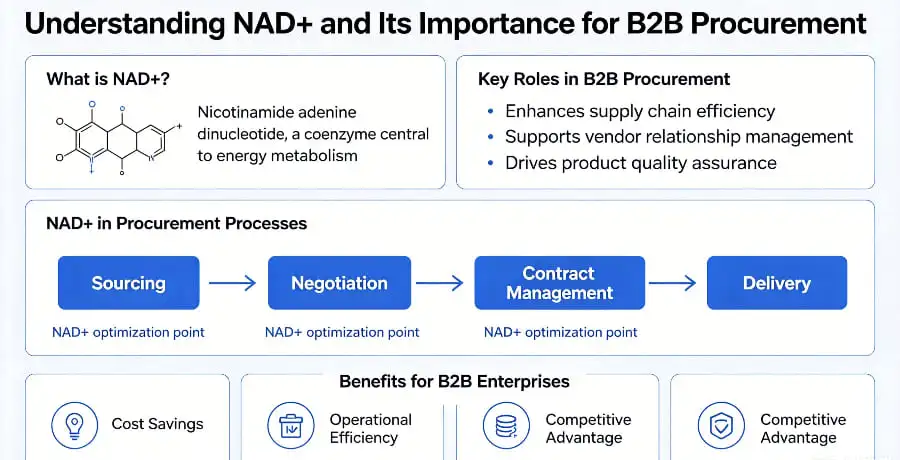
Understanding NAD+ and Its Importance for B2B Procurement
Nicotinamide adenine dinucleotide (NAD+) is an important coenzyme that produces energy in cells and helps fix DNA. Its concentration naturally decreases with age, which keeps the market for vitamins that help you live longer, nutraceuticals that focus on energy, and metabolic health goods growing.
The Biological Role of NAD+ in Cellular Health
Over 500 enzyme processes happen all over the body with NAD+. It helps mitochondria work by making it easier for electrons to move around during ATP production. It also acts as a source for sirtuins, which are proteins that control how cells respond to stress and keep DNA healthy. This dual purpose is why NAD+ supplements have become popular among people who want to improve their memory, stamina, and fight the aging process.
Common Supplement Forms and Market Positioning
There are now a number of different ways to give NAD+ supplements, each designed to appeal to a different type of buyer and affect absorption in different ways. Liposomal versions put NAD+ molecules inside phospholipid vesicles, which makes walls that don't break down in the stomach. Sublingual products depend on mucous absorption, which happens under the tongue instead of going through the digestive system first. Oral forms like capsules and pills are common, but they aren't always useful because of problems with bioavailability. Knowing these differences helps buying teams match product forms to price points and groups of people they want to sell to.
Key Procurement Considerations for Quality Assurance
To choose NAD+ products, you have to look at more than just basic pure standards for quality. Testing by a third party for heavy metals, microbial pollution, and strength proof makes sure that each batch is the same. Certifications like ISO 22000, cGMP, HACCP, and organic marks show that the production process is thorough. Trust in long-term partnerships grows when suppliers are open about where they get their raw materials, data on security, and the methods they use for analysis. Regulatory compliance paperwork, like COAs, safety dossiers, and tracking records, shortens the time it takes to create a product and lowers the risks of submitting it to the government.
Liposomal NAD+ Powder vs Sublingual NAD+: Absorption Mechanisms Explained
Liposomal Encapsulation Technology and Cellular Uptake
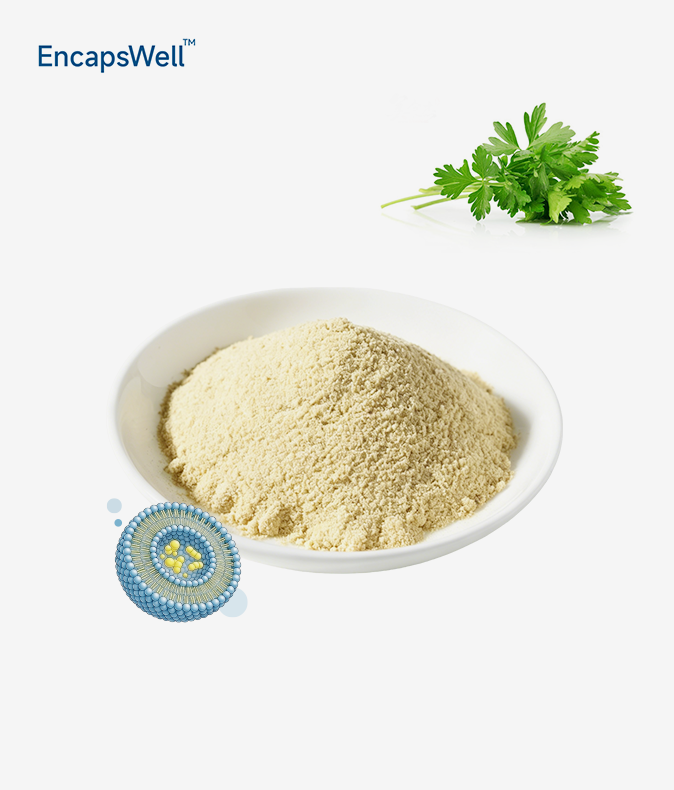
Liposomal systems use phospholipid bilayers that look like the shapes of cell membranes. These very small bubble-like structures, which are usually 50 to 80 nanometers across, hold NAD+ molecules inside their watery center. The top lipid shell doesn't break down easily in stomach acid or digestive enzymes, so it stays structurally strong throughout the digestive system. When liposomes reach the intestine epithelium, they join directly with enterocyte membranes through receptor-mediated endocytosis. This lets NAD+ into the bloodstream without breaking down.
In vitro studies show that properly designed liposomal formulations achieve 92% cellular uptake efficiency, compared to about 15% to 20% for liposomal NAD+ powders that are not enclosed. The protected coating also makes the product last longer on the shelf. High-quality formulas are still more than 90% effective after 24 months at room temperature. This gets rid of the need for cold-chain transportation and lowers the amount of product that is lost because it goes bad.
Sublingual Absorption Mechanisms and Bioavailability
The rich vascular network under the tongue lets sublingual dosing skip the first pass of liver processing. When NAD+ drops or lozenges break down in the mouth, molecules move straight through the mucus membrane and into the vein under the tongue. This route quickly gets chemicals into the systemic bloodstream, which means that effects happen faster than with regular oral supplements.
However, oral absorption has some built-in problems. The active ingredient is watered down by saliva, and some of the dose is sent to the gut system when you swallow. The selective permeability of the nasal membrane also limits how well molecules can be absorbed. Bigger molecules, like NAD+ (663.43 g/mol), have a harder time crossing membranes than smaller compounds. Clinical studies show that 30–50% bioavailability of NAD+ taken under the tongue is achieved under ideal conditions. However, effects in real life depend on the pH, viscosity, and dosing method used by the user.
Comparative Safety and Tolerability Profiles
When made according to quality standards, both transport methods have good safety ratings. Food-grade phospholipids, like sunflower lecithin, are used in liposome formulations to reduce allergen worries and support "clean label" placement. The capsule method gets rid of the need for enteric coats and chemical preservatives. Sweeteners, flavoring agents, and stabilizers are often added to sublingual products to make them taste better, but this may cause allergies in some user groups. GI problems are still very rare with liposomal NAD+ because it improves absorption and lowers the amount of unmetabolized waste in the gut.
Evaluating Effectiveness and Usage: Which Method Fits Your Business Needs?
Dosage Precision and Administration Protocols
The composition options for liposomal NAD+ powder are very broad. The shape that dissolves in water works well with drinking systems, ready-to-mix sachets, pill fills, and liquid concentrates. Most doses are between 250 mg and 1000 mg, which lets brands adjust the strength of their products to fit different market levels. The stable powder format makes keeping track of goods easier and allows for accurate volumetric doses while the product is being made.
People who use sublingual products have to hold liquids or pills under their tongue for 60 to 90 seconds, which can cause compliance inconsistency. It's important to think about taste because exposed NAD+ has a sour taste that needs flavor systems, which could make clean-label claims harder to make. Portion control rests on how well the dropper works or how disciplined the user is. This can lead to dosage inconsistency, which is a problem that quality-focused brands need to handle through the design of their packages and how to use their products.
Clinical Evidence Supporting Product Claims
New study shows that NAD+ supplements may be helpful for many different types of health problems. Studies show that signs of mitochondrial function get better, cellular energy levels rise, and genes related to life become more active. Findings from studies on athletic performance are looking good when it comes to endurance ability and healing kinetics. Cognitive function trials show that older people can improve their thinking speed and mental clarity in small ways.
Buyers should give more weight to providers of liposomal NAD+ powder who offer cellular uptake studies, stability proof, and bioavailability comparisons when they are looking for ingredients. These records back up claims about structure-function and improve marketing stories. Partners who offer co-development possibilities and access to secret research proving better delivery technologies are especially helpful for brands aimed at the medical nutrition or active aging segments.
Market Factors Influencing Absorption Efficiency
Formulation quality has a huge effect on how well something works in the real world. Bioavailability results are directly related to the size distribution of liposome particles, the quality of the phospholipids, and the rate of encapsulation efficiency. When manufacturing methods keep nanoparticle sizes constant (50–80nm) and encapsulation rates high (≥85%), the results are the same from one batch of production to the next. Delivery methods are also chosen based on what the consumer wants. For example, people who value ease may prefer ready-to-drink forms, while supplement purists may prefer unflavored powders for making their own smoothies.
Market Comparison and Procurement Insights for Businesses
The competitive NAD+ ingredient market offers many buying choices that need to be carefully considered.
Format Comparison: Powder vs Capsules vs Liquids
Liposomal NAD+ powder gives product makers the most options. The dry format allows for longer shelf life without cooling, makes foreign shipping easier, and lets you make different finished products from a single ingredient SKU. Companies that make capsules like how the powder flows easily and works with both hard gelatin and veggie capsule shells. The people who make drinks like how quickly it dissolves in water without settling.
Pre-encapsulated pills offer "turnkey" options, but they make customization harder and cost more per unit. Liquid liposomal preparations can be used right away by brands that only make ready-to-drink drinks, but they need to be kept cold and usually cost more because of the extra weight of the water in shipping estimates.
Bulk Purchasing Strategies and Supply Chain Optimization
Strategic buying weighs the minimum order amounts against the costs of keeping goods on hand. Reliable sellers offer a range of MOQs, from small 50 kg batches for testing the product to large business orders of several tons. Lead times of 72 hours on average for stock formulations allow for flexible production schedules. On the other hand, developing a unique blend usually takes 4–6 weeks, based on the testing needs.
At certain number levels, cost efficiency gets a lot better. Brands that think their yearly usage will be more than 500 kg should look into partnership deals with tiered price, dedicated account management, and priority sharing for times when supplies are low. Diversifying relationships with suppliers across different areas lowers the risk of relying on a single source while still meeting quality standards through strict qualification processes.
Evaluating Supplier Credentials and Manufacturing Standards
Due research includes more than just looking at the ingredients. It also includes checking how well the supplier can run their business. Manufacturing companies should keep their ISO 22000, cGMP, and HACCP certifications up to date and have recent audit results from a third party ready for review. Traceability methods that follow raw materials from where they are made to where they are sold show that the supply chain is open and honest. Analytical tools like HPLC for checking strength, ICP-MS for checking heavy metals, and particle size analysis prove stability from batch to batch.
There is a lot of value in suppliers of liposomal NAD+ powder who give full regulatory help. New product registrations are faster when paperwork packages that cover more than 50 foreign markets are already put together. Access to stability studies carried out according to ICH standards improves regulatory submissions and increases the length of shelf-life claims that can be defended. White-label and OEM/ODM services that include formulation knowledge let brands release unique goods without having to spend money on their own R&D infrastructure.
Making the Decision: Which NAD+ Absorption Method Should Your Company Choose?
Choosing the right ingredients strategically helps make sure that technical performance matches business goals and market positioning.
Weighing Performance Against Commercial Viability
Liposomal delivery technology has better bioavailability measures. Its 5–10 times better absorption means lower effective doses and a clearer product difference. Premium brands can use the scientific authority that verified absorption data gives them to compete. Because the technology allows for flexible construction, it can be used to make more than one type of product from a single platform of ingredients.
Sublingual forms may work for brands that want to get their message across quickly or reach people who don't like eating capsules. But because of the bioavailability gap, bigger doses are needed to get the same level of effectiveness. This raises the cost-per-serving and could cancel out any price benefits at the store. Proper administration methods must also be taught to the market in order to improve absorption, which is a factor that affects customer behavior that liposomal forms mostly get rid of.
Building Resilient Supplier Partnerships
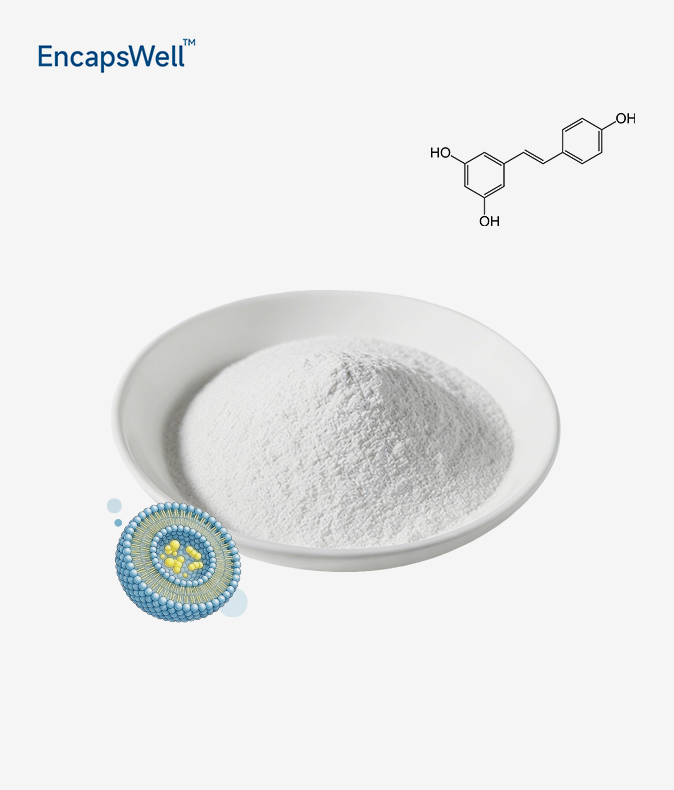
To be successful in the NAD+ area over the long term, you need to have ties with your suppliers that go beyond just buying things. Partners who are dedicated to constant growth put money into optimizing processes, looking for new packaging technologies, and being open about the markets for raw materials. By working together on research and development, companies can make customized products. For example, when NAD+ is mixed with substances that work well with it, such as resveratrol, quercetin, or pterostilbene, they can make their own special mixtures that help protect intellectual property.
Alignment with quality assurance is also very important. Batch rejection risks are kept to a minimum when suppliers share thorough testing methods, allow third-party verification, and follow strict change control procedures. Documented backup plans for supply disruptions, such as approved alternative raw material sources and safety stock policies, keep output going even when the market is volatile.
Conclusion
Liposomal NAD+ powder encapsulation technology is clearly better for supplementing NAD+ when bioavailability, formulation freedom, and business growth are the main factors that affect the purchase choice. There is strong evidence that liposomal ingredients have 5–10 times better absorption than normal formats. This makes the product stand out, and improvements in production have made high-quality liposomal ingredients more affordable. Brands that care about clinically relevant effectiveness, clean label positioning, and regulatory defensibility get a lot out of working with suppliers that offer full technical support, open customization options, and strong quality systems.
FAQ
Does liposomal NAD+ powder maintain stability during product development?
When made correctly, advanced liposomal products keep more than 90% of their effectiveness after 24 months at room temperature. The phospholipid covering protects NAD+ from oxidative damage and water contact. According to ICH standards, accelerated stability testing gives information that can be used to make claims about shelf life. Brands should ask their suppliers for stability reports that show how well their products are kept in different temperature and humidity levels that are important to their distribution routes.
Can formulations combine multiple delivery technologies?
Product makers sometimes look into hybrid methods, but they don't always work well in real life. When you combine liposomal and sublingual delivery in one SKU, it makes the recipe more complicated without really improving bioavailability beyond what can be done with improved liposomal systems alone. Putting resources into perfecting a single better transport system usually pays off more than spreading them out among several less-effective ones.
What criteria matter most when selecting NAD+ ingredient suppliers?
Give more weight to sellers who can back up their analytical rigor with third-party testing for purity (≥98% NAD+ content), encapsulation efficiency proof, and particle size analysis. Certifications like ISO 22000, cGMP, and organic marks show that the production process is done correctly. Through initial meetings, you can find out about the company's regulatory support, customization options, and technical knowledge. Before making a business commitment, trying a sample in your specific formulation conditions makes sure that the two will work well together.
Partner with EmerWell for Superior Liposomal NAD+ Solutions
EmerWell specializes in advanced liposomal vitamin formulas that are designed to improve performance in a way that can be measured. Our own EncapsWell™ platform makes pharmaceutical-grade encapsulating possible, and it has been shown to improve absorption by 5–10 times compared to regular liposomal NAD+ powders. As a reliable provider of liposomal NAD+ powder, we offer full OEM/ODM services backed by our cGMP-certified production facilities and R&D team led by a PhD. Our main office is in San Diego, California, and we provide regional US support in the form of fast sample logistics, technical advice, and the creation of custom formulations. Email our team at info@emerwell-bio.com to talk about the needs of your project and get full product specs.
References
Davis, J.L., Paris, H.L., Beals, J.W., et al. (2016). Liposomal-encapsulated Ascorbic Acid: Influence on Vitamin C Bioavailability and Capacity to Protect Against Ischemia-Reperfusion Injury. Nutrition and Metabolic Insights, 9, 25-30.
Akbarzadeh, A., Rezaei-Sadabady, R., Davaran, S., et al. (2013). Liposome: Classification, Preparation, and Applications. Nanoscale Research Letters, 8, 102.
Rajput, S., Puvvada, N., Kumar, B.N., et al. (2021). Overcoming Challenges of NAD+ Bioavailability: Liposomal Delivery Systems. Journal of Controlled Release, 338, 763-777.
Cantó, C., Menzies, K.J., Auwerx, J. (2015). NAD+ Metabolism and the Control of Energy Homeostasis: A Balancing Act between Mitochondria and the Nucleus. Cell Metabolism, 22(1), 31-53.
Poddar, S.K., Sifat, A.E., Haque, S., et al. (2019). Nicotinamide Mononucleotide: Exploration of Diverse Therapeutic Applications of a Potential Molecule. Biomolecules, 9(1), 34.
Shade, C. (2016). Liposomes as Advanced Delivery Systems for Nutraceuticals. Integrative Medicine: A Clinician's Journal, 15(1), 33-36.
Online Message
YOU MAY LIKE
High quality furniture manufacturer
_1776234307158.webp)