Jun 5, 2026
Liposomal Vitamin C: The Collagen Whisperer Your Skin’s Been Waiting For
When we talk about ingredients that genuinely transform skin from the inside out, liposomal vitamin C powder stands apart. This advanced formulation doesn't just deliver ascorbic acid—it escorts it directly into your cells using phospholipid vesicles that mirror your body's own membranes. The result is a collagen synthesis powerhouse that helps brands create products consumers can feel working. For those developing next-generation nutraceuticals, beauty beverages, or nutricosmetics, understanding this technology isn't optional anymore—it's essential for staying competitive in a market that demands both efficacy and transparency.
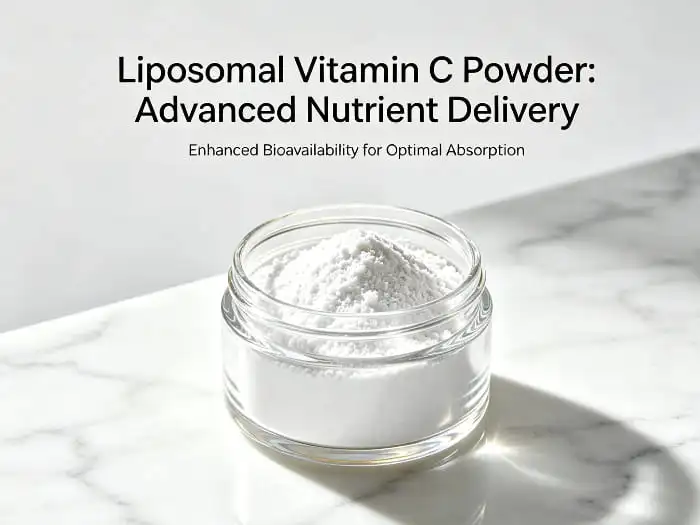
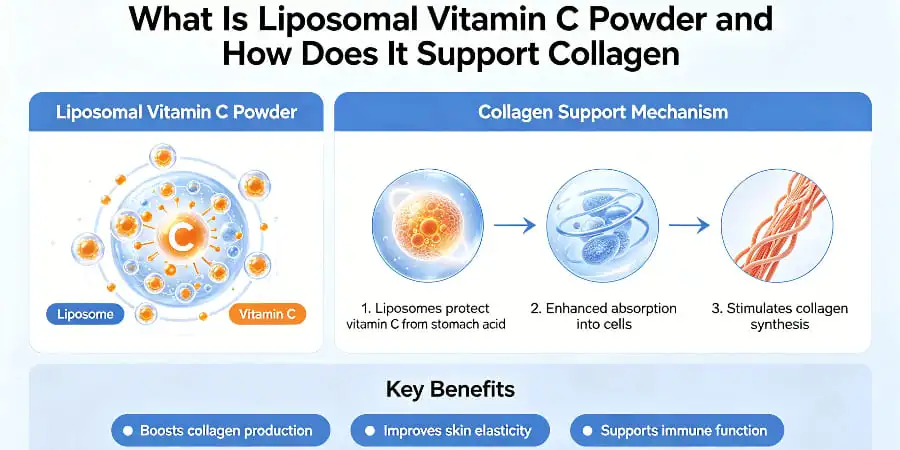
What Is Liposomal Vitamin C Powder and How Does It Support Collagen?
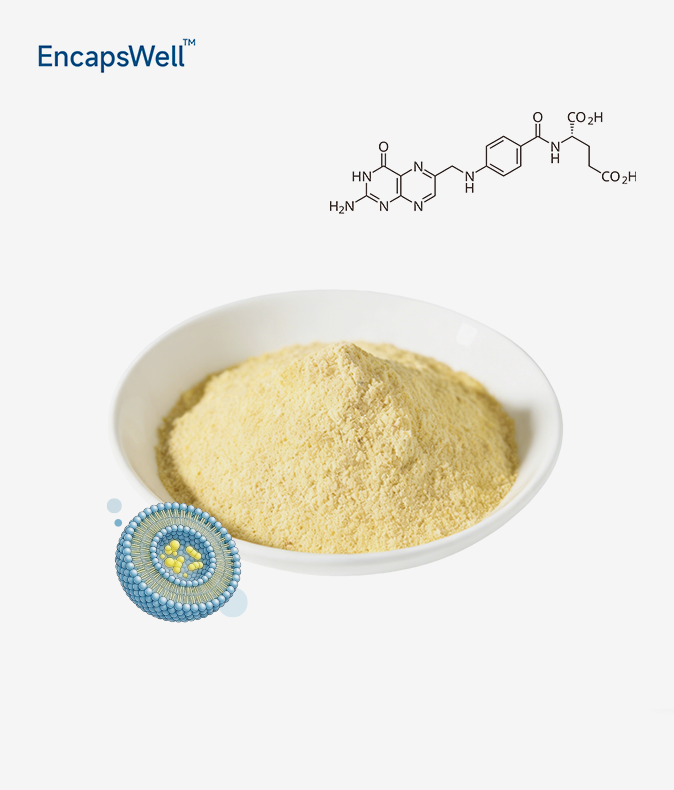
Liposomal encapsulation technology changes the way we give nutrients in a basic way. This method is based on wrapping ascorbic acid molecules in very small phospholipid bilayers that come from sunflower or soy lecithin. These very small bubble-like structures, which are about 100 to 400 nanometers across, keep vitamin C safe from breaking down and oxidizing as it moves through the digestive system.
Vitamin C is an important ingredient for the enzymes prolyl hydroxylase and lysyl hydroxylase, which is why the collagen link is important. These enzymes can't maintain collagen's triple helix structure without enough vitamin C. This makes fibers weak and misshapen. Liposomal vitamin C powder transport speeds up this process by keeping ascorbic acid levels high in cells for longer amounts of time. This helps collagen assemble continuously throughout the day.
Beyond Collagen: Multifaceted Skin Benefits
People are interested in collagen production, but liposomal vitamin C powder also helps skin health in other ways. It gets rid of the free radicals that are made by smog and UV light, which keeps collagen from breaking down by enzymes. In addition to fighting free radicals, antioxidants also help make vitamin E, which works together to protect skin cells. Vitamin C is also important for immune cells that are found in dermal tissue. It helps keep the skin's protection intact and speeds up the healing process after a cut. These three processes work together to explain why brands that use liposomal vitamin C powder forms in beauty-from-within goods get better comments from customers about how their skin looks and feels than brands that use standard formulations.
The Bioavailability Advantage
Because of saturable sodium-dependent transporters in the gut wall, the body can only absorb up to 200 mg of vitamin C per dose when taken by mouth. EncapsWell™ liposomal vitamin C powder gets around this problem by passively fusing lipid membranes, making it up to 8 times more bioavailable than regular ascorbic acid. According to research confirmed by a third party, plasma amounts stay high for 6 to 8 hours after consumption, while standard forms are quickly cleared from the body. This feature of prolonged delivery works especially well for products that aim to promote collagen synthesis, which needs vitamin C to be available all day long.
Liposomal Vitamin C Powder vs Traditional Vitamin C: What Makes It Superior?
When you look at absorption rates, the difference between delivery methods becomes clear. Standard ascorbic acid pills or capsules have to deal with stomach acid, competition for transporter sites, and lower uptake rates that depend on amount. High doses often cause osmotic diarrhea before reaching therapeutic blood levels, which is a difficult problem for brands that say they will show benefits.
These problems don't happen at all with liposomal vitamin C powder. The phospholipid layer lets the drug go straight through the intestinal lymphatic pathways and cell membranes, skipping over transporters that are already full. Clinical findings show that gastrointestinal tolerance improves a lot, which means that bigger doses are useful without causing pain that makes people less likely to take them. This difference is very important when making goods that need to be used every day in order for results to happen.
Format Flexibility for Diverse Applications
The procurement teams like how liposomal vitamin C powder can be used for a variety of product ideas. When mixed into ready-to-drink drinks, it dissolves easily and doesn't have the harsh taste or coloring from oxidation that common ascorbic acid does. Because it dissolves in water, it works well in fizzy forms. The powder can be put straight into capsules or mixed with other herbs to make unique mixtures.
Powder types of liposomal vitamin C powder liquids are more stable than pre-made liquids; when kept properly, they can keep over 95% of their potency for 24 months. This advantage of stability cuts down on waste, makes managing goods easier, and lets products travel farther without needing to be refrigerated. This toughness is especially useful for brands that are growing into hot markets or online sales.
Safety Profile Considerations
When researchers compare liposomal vitamin C powder and standard types, they find that the encapsulated version is safer. The less inflammation in the digestive tract is due to slower, more controlled release patterns that avoid the concentration spikes that cause stomach upset. Our formulas are put through strict testing by a third party, which confirms purity levels above 99%. Batch paperwork shows that the ingredients come from approved non-GMO sources. This openness is very important when answering questions from regulators or defending health claims in markets with lots of competition.
Selecting the Best Liposomal Vitamin C Powder for B2B Procurement
Metrics for sealing speed are the first step in judging quality. Reliable sources give out records of analysis that show how much vitamin C was successfully trapped within liposomal structures compared to how much was free in solution. EncapsWell™ keeps encapsulation rates above 90%, which makes sure that the benefits of solubility are translated into better product performance in the real world. Lower-quality options might say they use liposomal technology but only deliver ascorbic acid that isn't fully enclosed. This is a dishonest practice that hurts brand promises and costs a lot of money.
Certifications That Matter
To find your way around the world of certifications, you need to know which ones meet the needs and standards of your target markets. The sites where we make our supplements are certified to cGMP, ISO 22000, HACCP, and FSSC 22000, which are the highest standards for supplement production. These aren't just badges; they show that the process controls, contamination protection procedures, and tracking systems have been checked and approved. These keep your brand safe from recalls and legal problems.
More certifications open doors for brands that cater to specific groups of customers. Verification for halal and kosher foods opens up new markets in the Middle East, Southeast Asia, and among religious Jews. Non-GMO Project Verified and Vegan badges are popular with people who care about clean labels and look closely at where ingredients come from. We keep these credentials for all of our products, so we don't have to set up different source ties for each SKU.
Supplier Verification Beyond Documentation
Documents only tell part of the story; real openness fills in the blanks. Leading providers are open to facility checks and give thorough stable data that shows how formulations work when exposed to high temperatures, high humidity, and light. We offer batch tracking reports that connect lots of finished goods to lots of raw materials. This lets us respond quickly to questions about the supply chain.
Instead of treating exchanges for liposomal vitamin C powder like commodities, pricing should be based on real value. Very low quotes usually mean that the quality has been lowered, either because the lecithin sources aren't good enough, the encapsulation methods aren't good enough, or there aren't any testing routines in place. Our prices are a good mix between being competitive and the money we need to spend on PhD-led research, tested manufacturing methods, and full quality control. Volume-based pricing encourages relationships that grow while upholding the standards that keep brand names safe.
How to Maximize the Effectiveness of Liposomal Vitamin C Powder in Your Product Line?
Dosage tuning starts with what you want to happen. Formulations that help the immune system usually aim for 500 to 1000 mg daily doses, using vitamin C's role in helping neutrophils work and making interferon. Collagen-focused goods might be 1000–2000 mg per day, which is in line with studies showing that this amount leads to better hydroxyproline synthesis. A lot of beauty drinks split up their amounts into several daily meals. This keeps plasma concentrations steady, which helps skin cells keep turning over.
Because liposomal vitamin C powder is better at being absorbed, effective amounts may be 30–50% lower than those for regular vitamin C products that claim to have the same benefits. This efficiency makes room in the recipe for active ingredients that work well together, without using too many servings that make the food taste bad or make people not want to eat it.
Synergistic Ingredient Strategies
Liposomal vitamin C powder and hyaluronic acid work together to make an interesting beauty-from-within story. Vitamin C makes collagen, and hyaluronic acid helps the extracellular tissue hold on to water. These are two functions that people naturally understand to work together. Adding vitamin E boosts antioxidant defenses by replacing oxidized tocopherol with vitamin C during the renewal stage. Zinc and copper in the right amounts help make more collagen cross-linking enzymes, but they need to be carefully balanced to keep each other from interfering with intake.
Botanical antioxidants like astaxanthin, resveratrol, and green tea extract work well with liposomal vitamin C powder in skin health products that cover a lot of ground. With these mixes, brands can stand out with their own unique blends while still keeping clean labels with clear lists of ingredients. Our formulation team helps brands make stable matrices where multiple actives can work together without breaking down, which often happens when brands try to make complex formulations without the right technical support.
Stability Management During Manufacturing
When making liposomal vitamin C powder shapes, they need to be handled carefully. Too much heat, rough mixing, or adding ingredients that don't work well together can damage the phospholipid bilayers, letting the vitamin C out and taking away any bioavailability benefits. Our technical advice helps our production partners use gentle mixing methods, the right temperature controls, and a suitable filler selection to keep the integrity of liposomes while they are being packaged, stored, and reconstituted.
The type of packaging has a big effect on how stable something is over time. Light-blocking containers stop photodegradation, and nitrogen cleaning lowers the amount of oxidation exposure. Single sachets are good for taking with you when you're on the go, and they keep bulk powder from being exposed to the sun over and over again during daily use. These things may not seem important, but they decide whether goods live up to their label claims for the whole time they're supposed to be stored, which is a very important part of earning customers' trust.
Where and How to Buy Liposomal Vitamin C Powder: A Practical Guide for B2B Buyers?
There are two types of procurement channels for liposomal vitamin C: direct producer ties and specialized nutraceutical wholesalers. Distributors make things easier and have lower minimums, which makes them good for testing the market or adding a few new SKUs. When you work directly with manufacturers like EmerWell, you can get technical help, choices for customization, and prices that get better as you buy more. When they are first making a product, most successful brands use a spread supply chain. As demand grows, they switch to direct relationships when container-level sales make sense.
Verification Protocols for New Suppliers
The supplement industry is plagued by fake and tampered ingredients, so source checking is a must. Before placing a buy order, we suggest that you ask for examples along with certificates of analysis. When samples are tested in a separate lab against the standards that were said to be met, any problems are found before they get to your production line. Instead of taking copies at face value, check certifications directly with the organizations that issued them. This is a simple step that can save you a lot of money in mistakes.
Checking with past customers for references reveals operational facts that paperwork can't catch. Ask about the correctness of the orders, how quickly providers respond to communications, and how they handle problems that are bound to come up, such as shipping delays or questions about specifications. Our customer examples include functional beverage companies, nutraceutical brands, and contract makers who can talk about more than just the business side of the relationship.
Cost Optimization Without Quality Compromise
Tiered pricing can be used with volume agreements, but accurate demand projection is needed. Starting with small amounts and negotiating price security as consumption patterns become clearer lowers inventory risk and builds the basis for a relationship. During the launch process of a new product, we offer flexible minimum order quantities because we know that new names need time to get established before they commit to pallet numbers.
Logistics of shipping have a big effect on landing costs. By storing goods in our San Diego plant and delivering them quickly across the United States, we can save money on freight costs and time compared to sending goods overseas. For names that sell on both sides, we set up split shipments that get the best area fulfillment prices. These small practical details may not seem important at first, but over time they add up to big gains in margin.
Regulatory Navigation Support
When the FDA is in charge of dietary supplements, they have to pay close attention to what the labels say, how they are made, and how any bad effects are reported. In order to help brands explain benefits in a way that is both convincing and legal, our regulatory support team gives structure-function claim advice. We offer stable data, allergen statements, and certificates of analysis that make it easier for you to meet your quality paperwork needs.
When you go global, you have to deal with different rules for new foods, import licenses, and marking rules that are specific to each country. Because we've worked with more than 50 countries, we've been through these models many times and can now make documentation packages that fit the needs of each target. This help is very helpful when going into markets like the European Union, where new foods need proof of past use, or Brazil, where getting an ANVISA requires a lot of work on the paperwork.
Conclusion
Liposomal vitamin C powder isn't just a small step forward; it's a big step forward in how we give one of the most important nutrients for skin care. The research that proves better absorption, prolonged plasma levels, and better support for collagen formation is the basis for goods that give measurable results. For companies that focus on making formulations that work, knowing these differences between transport methods is key to deciding whether their products get regular customers or just add to the crowd of average products on the market. As consumers become more educated and clean labeling becomes standard practice, working with sellers who are both technically excellent and reliable will help your brand grow in markets that are becoming more competitive.
FAQ
Is long-term daily use of liposomal vitamin C safe?
Vitamin C is safe at all doses, according to research that spans decades. Liposomal vitamin C powder types of ascorbic acid are as safe as or safer than regular ascorbic acid. They have fewer side effects on the digestive system, which makes long-term use easy. Standard advice says that a daily dose of up to 2000 mg is safe, but each person's needs are different depending on their health and any medicines they are taking at the same time. People with certain health problems or who are taking drugs that interact with vitamin C should still talk to their doctors.
How does liposomal vitamin C compare to liposomal glutathione for skin health?
In different ways, both nutrients are good for skin health. Liposomal vitamin C powder helps make collagen and protects cells from free radicals. Glutathione, on the other hand, mainly works as an antioxidant inside cells and controls melanin levels. Many advanced beauty-from-within formulas use both at the same time, using their different ways of working to help the skin in every way. Which one to focus on—collagen and flexibility or brightening and cellular detoxification—depends on how the brand is positioned and what the target customer cares about.
What distinguishes organic versus synthetic liposomal vitamin C?
This question is often hard to answer because the chemical structure of vitamin C stays the same no matter where it comes from. For example, ascorbic acid made in a lab is exactly the same as the substance made in oranges. The word "organic" is a better way to describe the phospholipids that make up liposomal vitamin C powder structures. Our formulas use non-GMO sunflower lecithin that comes from certified organic farms. This meets clean-label requirements without lowering the quality of ascorbic acid, which is what determines effectiveness.
Partner With EmerWell for Superior Liposomal Vitamin C Powder Supply
Through our own EncapsWell™ platform, EmerWell turns cutting-edge liposomal science into products that are ready for the market. Our liposomal vitamin C powder provider services go beyond just providing ingredients. We also offer full partnerships, from helping with the original formulation to supporting scale-up and providing regulatory paperwork. We are based in San Diego and have direct access to Wellgreen's cGMP-certified manufacturing. Our R&D is led by a PhD, and our OEM/ODM services are open enough to meet your needs in terms of time and number. Email our team at info@emerwell-bio.com to talk about how our clean-label, clinically proven formulas can help your product line and give your customers the collagen-boosting results they want.
References
Carr, A.C. & Maggini, S. (2017). Vitamin C and immune function. Nutrients, 9(11), 1211.
Pullar, J.M., Carr, A.C. & Vissers, M.C.M. (2017). The roles of vitamin C in skin health. Nutrients, 9(8), 866.
Davis, J.L., Paris, H.L., Beals, J.W., Binns, S.E., Giordano, G.R., Scalzo, R.L., Schweder, M.M., Blair, E. & Bell, C. (2016). Liposomal-encapsulated ascorbic acid: influence on vitamin C bioavailability and capacity to protect against ischemia-reperfusion injury. Nutrition and Metabolic Insights, 9, 25-30.
Gröber, U. & Kisters, K. (2020). Influence of drugs on vitamin C levels and implications for supplementation. Journal of Clinical Medicine, 9(7), 2055.
Boyera, N., Galey, I. & Bernard, B.A. (1998). Effect of vitamin C and its derivatives on collagen synthesis and cross-linking by normal human fibroblasts. International Journal of Cosmetic Science, 20(3), 151-158.
Padayatty, S.J. & Levine, M. (2016). Vitamin C: the known and the unknown and Goldilocks. Oral Diseases, 22(6), 463-493.
Online Message
YOU MAY LIKE
High quality furniture manufacturer
_1776234307158.webp)