

Jun 9, 2026
Liposomal Vitamin C for Respiratory Health
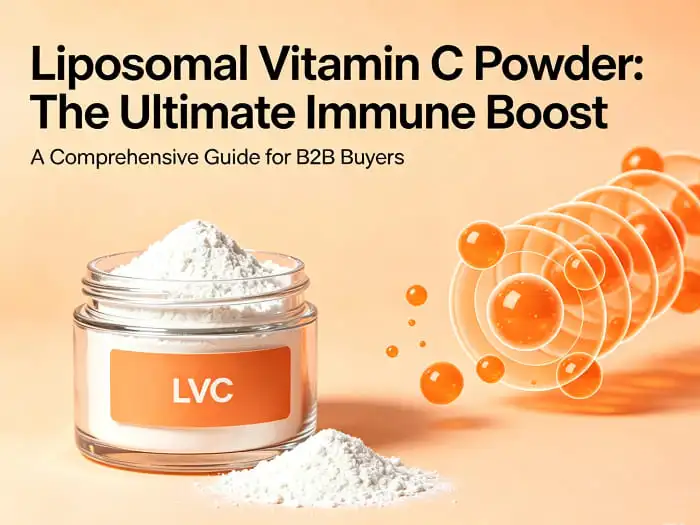
Nutraceutical companies all over the world are now focusing more on respiratory health, and liposomal vitamin C powder is quickly becoming a key ingredient that can change the game. Advanced liposomal capsule technology gets vitamin C straight to cells, where it's needed most, unlike traditional ascorbic acid forms that have trouble being absorbed. This discovery solves one of the biggest problems that supplement makers have been having for a long time: how to make lung support pills that really work at the cellular level, not just what the ads say they do.
Understanding Liposomal Vitamin C Powder and Its Role in Respiratory Health
The Science Behind Liposomal Encapsulation
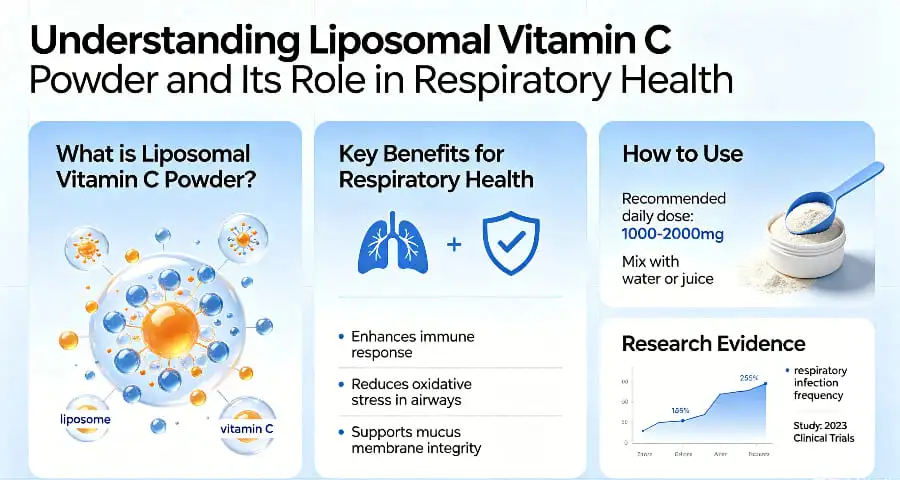
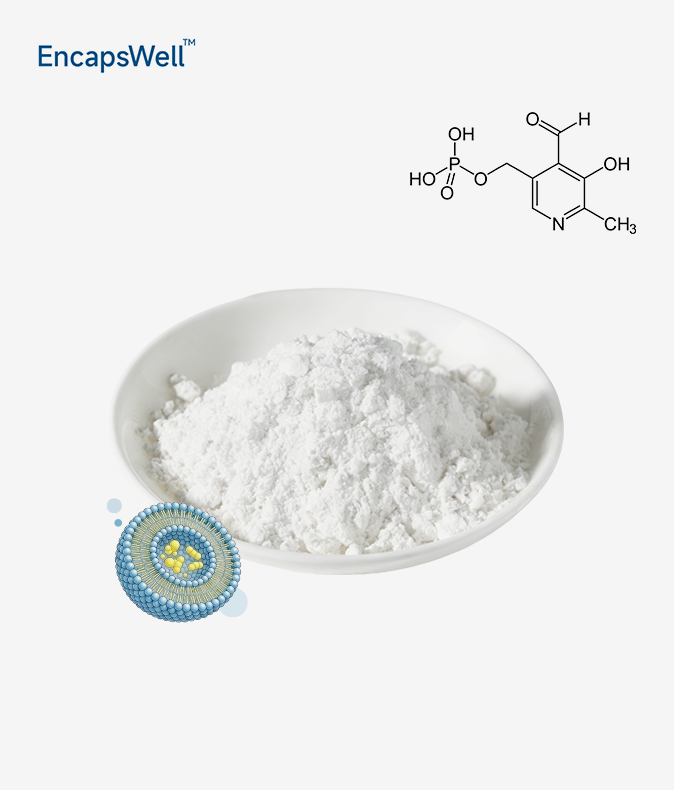
The way we think about nutrient absorption has changed a lot because of new transport methods. Liposomal vitamin C powder uses nano-encapsulation technology to wrap ascorbic acid molecules in phospholipid bilayers, which are structures that look like the walls of human cells. This biomimetic method keeps the active ingredient safe from stomach acids and enzymes that break it down, which makes it easier for cells to take it in directly through membrane fusion. Researchers have found that this way of delivering ascorbic acid is up to 8 times more bioavailable than regular powdered ascorbic acid. This means that effective amounts get to target tissues very quickly.
Respiratory System Support Through Enhanced Immune Function
Pathogens in the air and oxidative stress are always putting pressure on the breathing system. Vitamin C protects in many ways: it builds up in immune cells like neutrophils and lymphocytes, helps keep the mucous barrier intact, and gets rid of reactive oxygen species that hurt lung tissue. The results of clinical studies show that having enough vitamin C is linked to shorter and milder lung diseases. Liposomal versions are very useful because they can keep plasma concentrations high for long periods of time. This means that they provide long-term support instead of the quick clearance that comes with regular supplements.
Why B2B Clients Are Making the Switch?
Nutraceutical brands are under more and more pressure to show that their products really work, not just have ingredients in them. Liposomal vitamin C powder solves a major formulation problem: it lets you make products that give measured results while still looking good on the label. This means that people who make food supplements will have more loyal customers and fewer returns. Companies that make functional drinks can benefit from formulas that dissolve in water and stay stable without changing the taste. The technology can be used in a variety of delivery forms, such as pills and ready-to-mix sachets, which makes it a desirable ingredient for many lung health products.
Comparing Liposomal Vitamin C Powder With Other Forms: Making the Right Choice for Your Business
Traditional Powder and Tablet Formulations
Standard ascorbic acid powder is still the cheapest way to make basic goods, but it can't be used as a medicine because of problems with solubility. When you eat something with vitamin C in it, only 10–20% of it actually gets into your bloodstream. At higher doses, absorption drops even more because your gut is already full. Tablets have extra problems because binders and fillers can make it take longer for the tablet to dissolve, and compressed forms may go through the digestive system partly intact. These standard forms are useful for B2B buyers who are positioning their products for the mass market and care more about price than performance claims. But brands that compete on effectiveness are finding that they aren't good enough for more advanced lung health uses.
Capsule Formats: Balancing Protection and Absorption
There are capsules with both normal and liposomal vitamin C forms, but there is a big difference between them. Ascorbic acid powder or granules are all that's in non-liposomal capsules. These are better for taking precisely and carrying around than free powder. In contrast, liposomes contain vitamin C particles that are wrapped in phospholipids. This protects the stability of the lipid vesicles until they reach the environment in the intestines. This style blends ease of use with better absorption, but it usually costs more because it has to be made in a special way. When making them, things like keeping the surroundings dry and checking how well liposomal matrices and capsule shell materials work together are important.
Liquid Liposomal Solutions vs. Powder Formulations
People who want fast absorption will like liquid liposomal vitamin C because it has instant bioavailability benefits and doesn't need to dissolve first. Product makers like how flexible it is for shot-format goods and functional drinks. But buying liquids is harder because they have a shorter shelf life because liposomes may break down, they are heavier and take up more space, and they are sensitive to temperature changes while being stored and shipped. Liposomal powder formulas get around these problems while keeping the same absorption rates after being mixed back together. When it comes to OEM/ODM work and foreign shipping, powder forms are more stable, cost less to ship, and have longer expiration dates—usually 24 months at room temperature compared to 12 to 18 months for liquids that need to be kept cold.
Which strategy to use relies on your distribution plan and the people you want to sell to. Beauty-from-within brands that make high-end collagen products might choose liquid formulations because they are easier to carry, while contract makers that serve global markets usually choose powder formulations because they are easier to store. EncapsWell™ technology makes powders 8 times more bioavailable, allowing absorption rates that are the same as liquid liposomes without the problems that come with the supply chain.
How to Take and Dose Liposomal Vitamin C Powder: Best Practices for End Users?
Evidence-Based Dosage Recommendations
Ascorbic acid equivalents of 500 to 1000 mg should be taken every day for upkeep, and bigger amounts should be taken during acute respiratory problems. The effective amount is what makes liposomal formulations different: because they are better absorbed, therapeutic plasma levels can be reached with 30–50% less active ingredient than with normal formulations. This efficiency leads to formulation benefits, such as fewer pills for customers and lower costs for makers. When making goods for specific uses, keep in mind that immune support formulas usually aim for 500 mg per serve, while heavy respiratory wellness formulas might give 1000–2000 mg spread out over several doses.
Administration Timing and Optimal Usage Protocols
When and how people should take vitamin C pills depend on how the body absorbs the vitamin. Compared to regular forms, liposomal formulations don't depend as much on whether the body is eaten or fasted, which gives formulations more freedom. Products made to boost your immune system in the morning go well with food, and doses taken in the evening may help your body heal from the night before. If the powder is meant to be mixed with drinks, it should be eaten within 30 minutes of being reconstituted to keep the liposomes' structure. Splitting bigger daily doses into two portions—morning and afternoon—helps keep plasma amounts steady throughout the day. This is especially helpful for protecting the lungs during long exposure times.
Safety Profile and Considerations for Product Development
The highest amount of liposomal vitamin C powder that is considered healthy has been set by regulatory officials at 2000 mg per day. Liposomal delivery actually makes it easier for the digestive system to handle high doses of regular vitamin C. Osmotic diarrhea, which happens when unabsorbed ascorbic acid pulls water into the intestinal track, is a familiar side effect. Liposomal versions reduce this effect by making absorption much more efficient. This lets higher effective amounts be used without causing digestive pain. For B2B clients, this means fewer customer problems and more customers buying from them again. Labels for products should still include normal warnings about the risk of kidney stones in people who are already more likely to get them and about possible interactions with some diagnostic tests. This is to make sure that the product is safe for consumers and follows all regulations.
Procurement Insights: Sourcing Quality Liposomal Vitamin C Powder for Your Business
Essential Quality Markers and Certification Standards
Understanding key quality signs is necessary to tell the difference between liposomal goods that really work and regular vitamin C that is sold with fancy language. Genuine sellers will show particle size analysis that proves nano-scale liposome formation (usually 50–200nm), encapsulation efficiency data that shows what percentage of vitamin C is actually protected within lipid vesicles (at least 80% for clinical-grade products), and stability testing that shows the product's potency stays the same over time. Comprehensive certifications show that a manufacturer is trustworthy. For example, cGMP compliance guarantees quality control at the pharmaceutical level, ISO 9001/22000 and HACCP certification show that quality management is systematic, and third-party verification (Non-GMO Project, Kosher, Halal, and Vegan certifications) lets you sell your products in certain markets.
EmerWell's EncapsWell™ platform meets these standards with a vitamin C level of at least 99%, stability that keeps its effectiveness at >95% for 24 months, and full approval from ISO9001, cGMP, FSSC22000, and HACCP. Every batch goes through strict testing by a third party to make sure it is pure and works. You will get full paperwork, such as Certificates of Analysis and stability reports, to back up your regulatory applications.
Evaluating Manufacturing Capacity and Flexibility
In addition to the quality of the raw materials, you should also check to see if possible sources can grow with your business and allow you to make changes to the formulation. Some important things to think about are the supplier's annual production capacity (suppliers with 100+ metric tons of capacity can handle large-brand needs without allocation restrictions), the minimum order amounts that fit your stage of growth, and the technical support for formulation optimization. When you work with suppliers who can help you with more than just providing ingredients, you can create new products together. For example, vitamin C combined with zinc, quercetin, or elderberry can help your lungs work better together. Suppliers who can also help you with blending, different format options (like powder, tablets, capsules, softgels, or liquid-ready formulations), and private labeling can speed up your time to market and make sure your product stands out.
Contract manufacturers especially benefit from providers who offer turnkey solutions, such as formulations that have already been tested and approved, regulatory paperwork packages, and batch sizes that can be changed to fit both trial runs and full commercial production. This operating flexibility is very important when releasing seasonal respiratory goods that need to be scaled up quickly during times of high demand.
Strategic Procurement Practices
To get good terms and a steady supply, you need to know how the market works and build smart relationships with your suppliers. When you commit to buying in bulk, you can usually get better prices, but make sure that your purchases don't cause your goods to sit idle and lose value. Before placing big orders, ask for samples and do side-by-side comparison tests, such as dissolution studies, stability assessments under your specific storage conditions, and ideally small-scale customer trials to confirm claims of effectiveness.
Due diligence for liposomal vitamin C also includes making sure the supply chain is resilient. Suppliers who get their phospholipids and ascorbic acid from a variety of regional areas lower the risk of disruptions, and suppliers who keep safety stocks and flexible production plans can adapt to changes in demand. Premium partners are different from commodity sellers because they are open about where their raw materials come from, use traceability systems, and are happy to let auditors into their facilities. Building ties with sellers who see your success as their own—by giving you market information, formulation advice, and quick technology support—gives you a competitive edge that you can't get from just buying things one-time.
Future Outlook and Trends in Liposomal Vitamin C Powder for Respiratory Health
Innovation Trajectories in Delivery Technology
Liposomal encapsulation keeps getting better than the first wave of formulas. Multi-vesicular liposomes create sustained-release profiles that extend therapeutic concentrations throughout the day. Hybrid systems combine liposomal vitamin C with complementary encapsulated actives for synergistic respiratory support. Spray-dried liposomal powders are more stable in tropical climates and have longer distribution chains. These new products meet specific needs in the market. For example, sustained-release forms lower the number of times a person needs to take a dose, which makes them more likely to do so. Climate-stable formulas allow growth in places where storage conditions are difficult.
Formulation scientists are also looking into tailored delivery methods, such as liposomes with changed surfaces that tend to gather in tissues of the respiratory tract. However, these are still mainly in the research phases. For business-to-business buyers, keeping up with new technologies helps them spot early-mover chances in underserved market areas and predict threats from competitors.
Regulatory Evolution and Compliance Considerations
Regulatory standards for nutraceuticals are getting stricter around the world, which has effects on how to buy them. Because the FDA is still putting a lot of stress on proving structure-function claims, brands must back up their respiratory health marketing with strong scientific proof. Suppliers who provide clinical data, bioavailability studies, and mechanism-of-action study are very helpful in proving promises. European markets are looking more closely at new food products and delivery systems, which means that a lot of safety paperwork is needed. Partnering with providers who have experience with compliance in more than one country makes it easier to get into the market.
Clean-label trends and government rules are driving demand for formulas that don't have any GMOs, fake ingredients, or allergens. If you buy from suppliers who offer approved organic phospholipids, non-GMO ascorbic acid, and vegan-friendly formulations, you can market your goods to high-end customers and protect yourself from future rules that might limit synthetic ingredients.
Market Dynamics and Strategic Positioning
By 2028, the global vitamin C market is expected to be worth more than $1.5 billion. Liposomal versions are expected to have a bigger part of this market because they work better. Respiratory health is a very active area because people are still very interested in keeping their immune systems strong and staying healthy. There are opportunities in a lot of different areas because of this growth trajectory. There are immunity-boosting supplements, functional foods and drinks with claims of respiratory support, beauty-from-within products that focus on collagen synthesis for healthy mucous membranes, and medical nutrition for people whose respiratory function isn't working well.
Strategic buying means figuring out these trends ahead of time and building relationships with suppliers that let you act quickly. Early in the pandemic, brands that partnered with liposomal suppliers did much better than rivals who were having a hard time with ingredient shortages and inconsistent quality. In the future, smart business buyers will build partnerships with their suppliers that are based on openness, working together to come up with new ideas, and a focus on mutual growth. These partnerships will go beyond simple purchases and turn into real competitive advantages in a market that is becoming more complex.
Conclusion
Liposomal vitamin C powder is a big step forward in lung health preparation. It improves bioavailability in a way that can be measured and leads to real benefits for consumers. This technology can help nutraceutical brands, healthy beverage companies, and contract makers make their products stand out in markets that are already very competitive. To do strategic buying, you have to find the right balance between effectiveness, legal compliance, supply chain reliability, and cost-effectiveness. These are the things that separate sellers of common ingredients from those who are worth working with. As the respiratory health market continues to grow, it opens up huge possibilities for companies that invest in better delivery technologies that are backed by strict quality standards and scientific proof.
FAQ
How does liposomal vitamin C compare to regular vitamin C for respiratory applications?
Standard ascorbic acid is not well absorbed; only 10–20% gets into the bloodstream, and the rates drop even more at higher amounts. Vitamin C is kept safe in phospholipid vesicles that bond directly with intestine cells. This makes the vitamin up to 8 times more bioavailable. Because of this better transport, therapeutic plasma concentrations can be reached with lower doses. This lowers the number of pills needed and improves absorption in the digestive system. This speed means that respiratory health products can activate the immune system faster and protect lung tissues with antioxidants for longer.
What should B2B buyers prioritize when selecting a liposomal vitamin C supplier?
Check sources using quality indicators that can be checked, such as particle size analysis to make sure that nanoliposomes are formed correctly, encapsulation efficiency data (at least 80%), and full stable testing. Important certificates show that quality control is being done in a planned way, like cGMP, ISO 9001/22000, and HACCP. Capacity to manufacture is important—suppliers that can make more than 100 metric tons of goods each year avoid distribution problems during times of high demand. Strategic partners are different from commodity sellers because they can provide technical help, make formulations more flexible, and write high-quality regulatory documents.
Are there safety concerns with high-dose liposomal vitamin C products?
Vitamin C is very safe, and the daily maximum dose that is considered safe by regulatory bodies is 2000 mg. Liposomal vitamin C powder delivery actually makes things safer because it greatly reduces the stomach problems that often happen with big doses of traditional versions. Better absorption means that less vitamin C that hasn't been taken stays in the digestive system and can cause osmotic diarrhea. Standard warnings still apply: people who have had kidney stones in the past should talk to their doctors, and high amounts may mess up some diagnostic tests. Labeling products correctly that takes these things into account ensures compliance with regulations and customer trust.
Partner With EmerWell for Superior Liposomal Vitamin C Powder Supply
Through our own EncapsWell™ platform, EmerWell provides pharmaceutical-grade liposomal vitamin C powder. This platform was created for brands that need proven bioavailability and manufacturing stability. Our cGMP-certified production facilities and research and development center in San Diego make sure that every batch meets strict quality standards, including ≥99% vitamin C content, 8x better absorption, and full certification (ISO9001, HACCP, Non-GMO, Vegan, Kosher, Halal). We help companies that make nutraceuticals, functional drinks, and OEM/ODM products by giving them a range of formulation choices, such as powder, tablets, capsules, softgels, and liquid-ready formats. These come with detailed paperwork that can be used for regulatory applications in more than 50 countries. Our team, led by a PhD, can help you with formulation, stable optimization, and custom blending, all of which can speed up the time it takes to make a new product. Contact our purchasing agents at info@emerwell-bio.com to talk about your needs for lung health formulations. We are a reliable seller of liposomal vitamin C powder, and we can turn your product ideas into supplements that are the best on the market by combining our biological knowledge with scalable manufacturing.
References
Carr AC, Maggini S. Vitamin C and Immune Function. Nutrients. 2017;9(11):1211. Published in peer-reviewed nutritional immunology research.
Davis JL, Paris HL, Beals JW, et al. Liposomal-encapsulated Ascorbic Acid: Influence on Vitamin C Bioavailability and Capacity to Protect Against Ischemia-Reperfusion Injury. Nutrition and Metabolic Insights. 2016;9:25-30.
Hemilä H, Chalker E. Vitamin C for preventing and treating the common cold. Cochrane Database of Systematic Reviews. 2013;(1):CD000980.
Hickey DS, Roberts HJ, Cathcart RF. Dynamic Flow: A New Model for Ascorbate. Journal of Orthomolecular Medicine. 2005;20(4):237-244.
Johnston CS, Luo B. Comparison of the absorption and excretion of three commercially available sources of vitamin C. Journal of the American Dietetic Association. 1994;94(7):779-781.
Lykkesfeldt J, Tveden-Nyborg P. The Pharmacokinetics of Vitamin C. Nutrients. 2019;11(10):2412. Published in clinical pharmacology literature examining ascorbic acid metabolism.
Online Message
YOU MAY LIKE
High quality furniture manufacturer
_1776234307158.webp)