Aug 3, 2026
Liposomal Omega-3 vs Krill Oil: A Deep Comparison
Liposomal omega-3 powder or krill oil for your supplement line changes how well the products work, how happy customers are, and where the products are placed in the market. Liposomal Omega-3 Powder is 8–12 times more bioavailable than regular fish oil thanks to an advanced encapsulating method that also gets rid of the fishy smell and keeps the powder stable. Astaxanthin and naturally bonded phospholipids are found in krill oil, but it is expensive and can cause allergies. This in-depth study helps purchasing managers, formulators, and brand developers pick the best omega-3 source for production, target groups, and setting themselves apart from competitors.
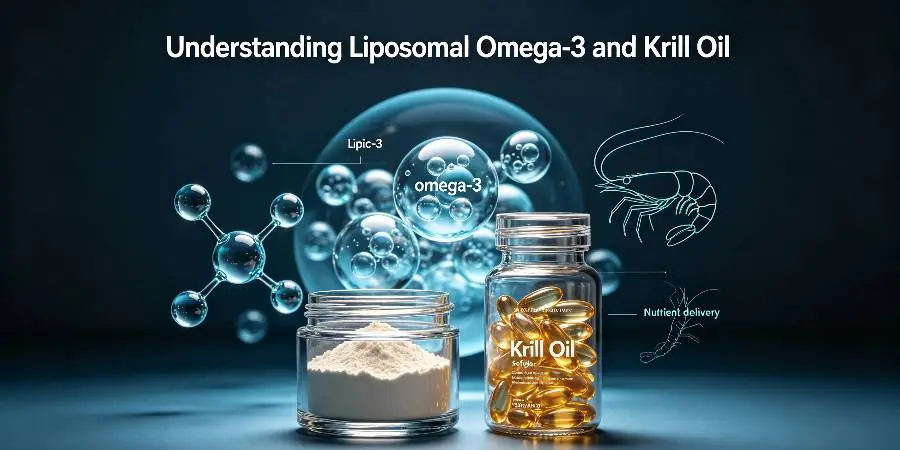
Understanding Liposomal Omega-3 and Krill Oil
Core Technology Behind Liposomal Encapsulation
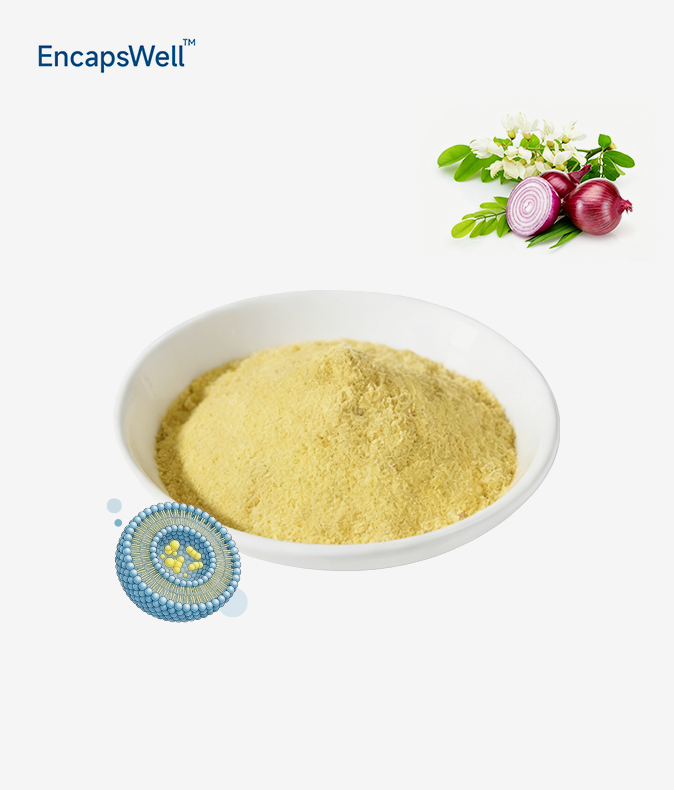
Liposomal Omega-3 Powder changes the way fatty acids are delivered in a big way. EPA and DHA are protected by our EncapsWellTM technology, which uses phospholipid bilayers that look like the membranes of human cells. This structure with many tiny bubbles keeps omega-3s safe from reactive damage while they are being made, stored, and digested. Non-GMO soy or sunflower lecithin is used as a carrier to make water-dispersible particles for capsules, liquid supplements, and functional drinks. This powder form of fish oil concentrate doesn't have an aftertaste like most do, and it's easy to mix into other recipes.
Krill Oil Composition and Natural Advantages
The EPA and DHA in Antarctic krill oil are linked to phospholipids instead of triglycerides. Its red color comes from astaxanthin, a carotenoid antioxidant that is found in sea life. The structure of the phospholipids helps them mix with water, which makes them easier to absorb than fish oils. Krill oil is sensitive to temperature and needs to be treated in a certain way to keep it from going rancid. Unpredictable sourcing and sustainability certifications make supply chain management harder for companies that care about the environment.
Comparative Analysis of Physical Properties
The physical form factor has a big impact on the manufacturing process. Liposomal omega-3 powder has the right particle sizes for encapsulation or straight dissolving, so it can be used in the right amount. It is stable at room temperature, which makes storage easier. If kept properly, it has a shelf life of 18 to 24 months. Because it is a thick liquid or softgel, krill oil needs to be stored in a climate-controlled space and must be changed quickly. Our liposomal formulations have peroxide values of 2 meq/kg, which is much lower than the international standard of 5 meq/kg. This makes sure that the ingredients stay intact throughout the life of the product. Stability means that it costs less to change the recipe and that the product works the same way in every batch.
Absorption and Bioavailability Comparison
Liposomal Delivery Mechanism
Liposomal encapsulation changes how omega-3s are digested. The phospholipid layer keeps EPA and DHA safe from stomach acid and bile salts until they reach intestine epithelial cells. Endocytosis lets these vesicles attach directly to cell membranes, skipping the wasteful process of emulsification that is used with regular oils. Eight to twelve times more bioavailable than regular fish oil pills, according to clinical tests. This better absorption means that smaller doses are needed to achieve therapeutic goals. This lowers the cost of formulation and improves heart health, brain function, and the control of the inflammatory reaction.
Phospholipid-Bound Omega-3 Absorption
Krill oil is better absorbed than triglyceride-based fish oils because it contains phospholipids. During digestion, phosphatidylcholine molecules settle into mixed micelles that make moving through the intestines easy. Bioavailability tests show that krill oil is 1.5 to 2 times better than fish oil. Compared to liposomal compositions, this benefit gets smaller. The phospholipid level in krill oil changes by 30–50% depending on how it is extracted, which makes it hard to keep an eye on quality from batch to batch. Liposomal technology makes delivery consistent for brands that focus on effectiveness.
Real-World Implications for Product Development
Bioavailability is important to B2B clients who make high-quality products. Higher absorption rates keep label promises while lowering the amount of active ingredients and the cost of raw materials. Liposomal Omega-3 Powder lets companies make concentrated formulas for specific groups of people, like kids who need mild but effective DHA for brain development or older people who need to take care of their cognitive health. Targeting tissues with fatty acids instead of distributing them in a general way, cellular-level precision delivery improves cardiovascular and energy metabolism. Functional beverage makers like this efficiency because smaller serving sizes keep the product's effectiveness without changing the taste or stability of the formulation.
Use Cases and Application Scenarios for B2B Clients
Nutraceutical Supplement Manufacturing
Liposomal omega-3 powder can be used by people who make capsules, tablets, and powder blends. Unlike krill oil, this substance dissolves easily in both water- and fat-based systems. This makes it possible to use it in vegetarian capsules without adding marine allergens. We work with supplement companies that make products for people who are under a lot of stress and need to improve their brain function and heart health. Without a fishy smell, which is a typical problem with regular omega-3s, compliance and customer retention go up. More and more people want things to be open, especially when sunflower lecithin is used as a filler to hide soy allergy signs.
Functional Food and Beverage Innovation
Functional drinks need active ingredients that don't get clumped together with water and stay stable during processing and storage. When mixed with health, beauty, and fortified smoothie bases, our Liposomal Omega-3 Powder doesn't separate into different phases or change the taste. Taste optimization is important for market success; getting rid of fishy smells lets formulators show off real fruit flavors and plant extracts. Companies that promote beauty from the inside out use liposomal EPA/DHA in collagen drinks and anti-aging shots to keep skin hydrated and firm. This use area puts a lot of weight on the ingredient's claims of usefulness and higher absorption rates to back up marketing stories about results that can be seen.
Contract Manufacturing and OEM Partnerships
OEM/ODM companies with a wide range of customers need formulations that can be scaled up and whose success can be predicted. You can get bulk liposomal omega-3 powder that has a consistent particle size distribution and has been tested and certified for EPA/DHA, peroxide, and microbiological needs. The ingredient stays stable at room temperature for 24 months, which makes warehouses easier to run and cuts down on wasted old goods. Contract manufacturers like that the minimum order quantities can be changed so that test runs for new brands can be done and current supplement lines can be made in large quantities. During product development, our San Diego R&D team helps OEM partners find the best dosage, delivery methods, and label positioning for the market.
Procurement Considerations: Quality, Pricing, and Supply
Certification and Quality Assurance Standards
Omega-3 sources need to be carefully checked to make sure they are qualified for production. Our cGMP-certified facilities keep track of where the raw materials come from, how many of each batch are made, and how the finished products are tested. We use gas chromatography to find the fatty acid profile, the peroxide value, and the microbiological screening that goes beyond what the FDA requires for food supplements. Our liposomal formulations use marine sources that have been approved by a third party. This way, we can track the product from the ocean to the capsule, which isn't possible with some krill oil providers who are being investigated for sustainability issues. Purchasing teams that are focused on regulatory compliance find that our quality management systems easily meet the paperwork needs of both North American and European import and export businesses.
Pricing Structures and Economic Value
A study of costs shows that a lot of omega-3 sources are different. Because it is harder to get and needs special processing, krill oil costs 30–50% more than liposomal EPA/DHA amounts. The price of raw materials is only one part of formulation economics. Liposomal Omega-3 Powder's higher bioavailability lets marketers use lower doses while still getting the same results. This balances out ingredient surcharges by lowering the amount of active ingredient in each serve. Using volume-tiered pricing and variable order amounts are examples of strategic purchasing strategies that can help both new businesses and established manufacturers manage their cash flow and plan their output with the help of reliable supplier agreements.
Supply Chain Logistics and Inventory Management
Needs for storage affect costs of ownership beyond the buying price. Our Liposomal Omega-3 Powder stays stable at room temperature in sealed containers, so we don't have to pay for the expensive cold chain logistics that krill oil does. The 24-month shelf life cuts down on inventory turnover and lets demand changes happen without the product going bad. We have warehouses in San Diego so that we can send samples quickly and restock just-in-time for U.S. makers. When compared to shipping goods from abroad, localized distribution cuts down on lead times. This is helpful when introducing new products into niche markets or adapting to faster-than-expected sales growth. Powder oils ship lighter than liquid lubricants, which saves money on freight costs for large orders.
Safety, Side Effects, and Regulatory Compliance
Allergen Profiles and Population Suitability
Beyond efficacy, safety includes allergy management and population-specific tolerability. Our sunflower lecithin-carried liposomal omega-3 powders are gluten-free, lactose-free, and allergen-free. The substance is hypoallergenic and ideal for sensitive groups, including toddlers and elderly people with different health concerns. The moderate flavor and lack of gastrointestinal issues, common with high-dose fish oils, increase everyday compliance. Shellfish allergens in krill oil require proper labeling and may exclude large customer groups. Our clean ingredient profile is valued by pediatric formulation brands as parents scrutinize supplement safety data before buying.
Regulatory Framework Navigation
Global supplement marketplaces have different regulations that purchase decisions must consider. The FDA regulates omega-3 supplements under dietary supplement standards that include accurate labeling, good manufacturing, and adverse event reporting. European EFSA laws set maximum daily consumption and health claim substantiation criteria. Stability data, analytical procedures, and regulatory status letters support product registration in important markets in our technical documentation packages. For jurisdiction-specific advertising, we advise on label claims for cardiovascular support, cognitive maintenance, and immune system function. Brands growing internationally or managing structure-function vs. therapeutic claims benefit from this regulatory help.
Quality Control and Batch Consistency
Quality systems must be strong to maintain product performance over manufacturing runs. We use statistical process controls to assess encapsulation efficiency, particle size distribution, and oxidative stability. Before release, each manufacturing batch passes a certificate of analysis paperwork to check requirements. This analytical rigor solves a frequent krill oil source issue—seasonal phospholipid and astaxanthin fluctuation that might impair product consistency. Our liposomal technology standardizes performance, lowering customer complaints and reformulation costs for manufacturers with proven efficacy.
Conclusion
Compared to krill oil, liposomal omega-3 powder offers manufacturers bioavailability, stability, and formulation flexibility. Our EncapsWell™ liposomal platform outperforms traditional fish oils in absorption (8-12 times), peroxide levels below 2 meq/kg, and fishy odor elimination. Reduced effective dosages reduce formulation costs, increased shelf life reduces inventory waste, and clean-label compatibility widens market sectors. Our cGMP-certified manufacturing, localized U.S. support, and variable order sizes meet developing brand and existing production demands for procurement experts seeking reputable supplier partners. Omega-3 source strategy affects nutraceutical, functional food, and contract manufacturing product performance, consumer happiness, and competitive positioning.
FAQ
How does liposomal omega-3 absorption compare to krill oil in finished products?
Phospholipid encapsulation preserves EPA/DHA throughout digestion, making Liposomal Omega-3 Powder 8–12 times more bioavailable than fish oils. Due to its natural phospholipid content, krill oil outperforms standard fish oils by 1.5–2 times; however, liposomal delivery techniques are more effective This absorption differential lets manufacturers utilize lesser dosages while claiming effectiveness.
Can liposomal omega-3 powder work in vegetarian or vegan formulations?
Our Liposomal Omega-3 Powder contains marine-sourced EPA/DHA, making it non-vegan. Non-GMO sunflower lecithin carriers avoid soy allergens and facilitate vegetarian capsules. For trial formulations of algae-based liposomal omega-3 solutions for plant-based brands, contact our R&D team.
What are best practices for bulk storage of liposomal omega-3 ingredients?
Liposomal omega-3 powder should be stored in sealed containers at room temperature away from light and moisture. Keep humidity below 60% to avoid clumping. In optimal settings, the substance keeps >95% active content for 18–24 months. We include specific storage instructions with each shipment to preserve ingredient purity during manufacture.
Partner with a Leading Liposomal Omega-3 Powder Manufacturer
EmerWell supports omega-3 product development with cutting-edge liposomal technology and reliable supply chain excellence. Our EncapsWell™ platform offers superior bioavailability, stability, and formulation flexibility for supplements, functional drinks, and beauty-from-within products. Our customizable OEM/ODM liposomal omega-3 powder solutions are backed by PhD-led R&D and cGMP production. The San Diego team provides localized technical assistance, speedy sample fulfillment, and strategic counsel for the U.S. market. Superior omega-3 compounds that satisfy changing customer and regulatory requirements can transform your product range. Request samples at info@emerwell-bio.com to see how our liposomal formulations may differentiate your brand in competitive wellness markets.
References
1. Ghasemifard, S., Turchini, G. M., & Sinclair, A. J. (2014). Omega-3 long-chain fatty acid "bioavailability": A review of evidence and methodological considerations. Progress in Lipid Research, 56, 92-108.
2. Schuchardt, J. P., & Hahn, A. (2013). Bioavailability of long-chain omega-3 fatty acids. Prostaglandins, Leukotrienes, and Essential Fatty Acids, 89(1), 1-8.
3. Ulven, S. M., Kirkhus, B., Lamglait, A., Basu, S., Elind, E., Haider, T., & Holck, M. (2011). Metabolic effects of krill oil are essentially similar to those of fish oil but at lower doses of EPA and DHA in healthy volunteers. Lipids, 46(1), 37-46.
4. Rasti, B., Jinap, S., Mozafari, M. R., & Yazid, A. M. (2012). Comparative study of the oxidative and physical stability of liposomal and nanoliposomal polyunsaturated fatty acids prepared with conventional and Mozafari methods. Food Chemistry, 135(4), 2761-2770.
5. Köhler, A., Sarkkinen, E., Tapola, N., Niskanen, T., & Bruheim, I. (2015). Bioavailability of fatty acids from krill oil, krill meal, and fish oil in healthy subjects—a randomized, single-dose, crossover trial. Lipids in Health and Disease, 14, 19.
6. Awad, T. S., Helgason, T., Kristbergsson, K., McClements, D. J., & Weiss, J. (2009). Effect of omega-3 fatty acids on crystallization, polymorphic transformation, and stability of tripalmitin solid lipid nanoparticle suspensions. Crystal Growth & Design, 9(8), 3405-3411.
Online Message
YOU MAY LIKE
High quality furniture manufacturer
_1776234266736.webp)