Aug 10, 2026
Liposomal Omega-3 powder vs Traditional Fish Oil: What’s the Difference?
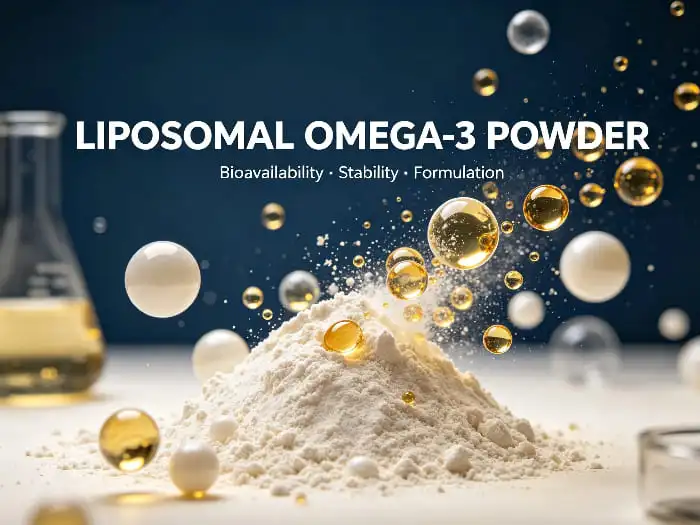
The distinction between liposomal omega-3 powder and traditional fish oil centers on delivery technology and bioavailability. Liposomal omega-3 powder utilizes advanced phospholipid encapsulation to protect EPA and DHA molecules, achieving absorption rates up to three times higher than conventional fish oil. This encapsulation technology shields fatty acids from oxidation and gastric degradation, while traditional fish oil relies on standard extraction and processing methods that offer limited protection. The powder format delivers enhanced stability, water dispersibility, and eliminates the characteristic fishy odor, making it ideal for nutraceutical brands seeking premium positioning and superior formulation flexibility.
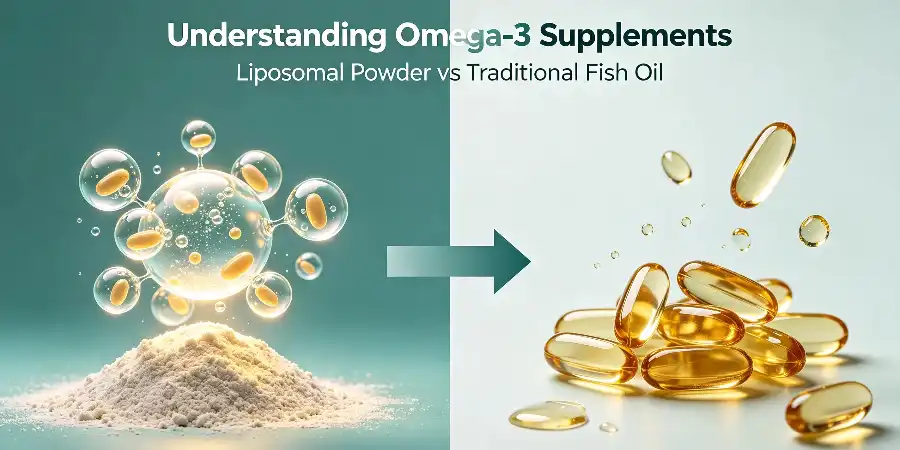
Understanding Omega-3 Supplements: Liposomal Powder vs Traditional Fish Oil
The market for omega-3 supplements has changed a lot, and product creators and purchasing managers now have to make important choices about where to get the supplements. Knowing the main differences between these two formats affects everything from the stability of the formulation to the satisfaction of the end user.
Advanced Encapsulation Technology in Liposomal Formats
Liposomal Omega-3 powder is a big step forward in the science of delivering nutrients. In this structure, phospholipid bilayers are used to make protected vesicles around EPA and DHA molecules that work like natural cell walls. EmerWell's EncapsWellTM platform achieves encapsulation efficiency of more than 85%, which guarantees stable particles of all sizes. The powder is a free-flowing, off-white to light yellow substance that mixes well with cold liquids without separating the oil, which is very useful for functional food and drinks.
To get omega-3 fatty acids from oily fish like anchovies, sardines, and mackerel, molecular distillation or supercritical CO2 methods are usually used to get them. Even though these ways get rid of pollutants and concentrate EPA and DHA well, they don't do much to protect against oxidation once the processing is done. To keep their effectiveness, the oils must be put right away into softgels or bottles with antioxidants.
Formulation Flexibility and Product Development
Liposomal Omega-3 powders can be mixed with other ingredients in ways that oils can't because they dissolve in water. This ingredient doesn't pose the same technical problems when added to protein shakes, ready-to-mix drinks, chewable pills, and gummies as oil-based ingredients. This flexibility is very important for brands that want to get into functional food categories or stand out in supplement markets that are already very crowded.
Because traditional fish oil comes in liquid or softgel form, it can only be used in pills and oils that come in bottles. People are used to these forms, but they can be hard to work with because they need to be stored at the right temperature and are heavy, which means they cost more to ship and don't give you many options for creative product shows.
Supply Chain and Handling Considerations
Professionals in procurement know that the format of an ingredient has a direct effect on how efficiently operations run. The shelf life of Liposomal Omega-3 powder is longer—usually 18 to 24 months at room temperature if kept out of the light—and the active ingredients stay in the powder for more than 95% of that time. The Peroxide Value (POV) stays below 2 meq/kg, which is much lower than standard powders. This means that the material stays intact in a wide range of weather conditions.
Traditional fish oil needs to be kept in a cold chain, and it's best to refrigerate it after opening to keep it from going bad. Careful temperature monitoring is needed for bulk shipments, which makes logistics more difficult and costs more. When compared to free-flowing powder formats, viscous liquids make manufacturing more difficult.
Comparative Analysis: Bioavailability and Effectiveness
There are big changes in how the body absorbs and uses omega-3 fatty acids based on how they are delivered, according to science. These differences have a direct effect on how well the product works and where it stands in the market.
Enhanced Absorption Through Liposomal Delivery
According to research, liposomal encapsulation makes omega-3s 8–12 times more bioavailable than regular fish oil products. The phospholipid barrier keeps stomach acid and bile enzymes from breaking down EPA and DHA, so they can be absorbed directly through the walls of the intestine. This cellular-level targeting makes sure that fatty acids get to the right tissues—like heart cells, brain neurons, and structures in the retina—with little waste in areas that aren't supposed to get them.
In the stomach system, traditional fish oil breaks down in a big way. A lot of the exposed fatty acids are broken down by stomach juice and enzymes before they are absorbed. Even though the body does absorb some EPA and DHA, it does so slowly and inefficiently, so bigger amounts are needed to get therapeutic effects.
Clinical Performance and Dosage Optimization
Because Liposomal Omega-3 powder formats are better at absorption, formulation teams can use less active ingredient while still getting the same results. It's possible that 500 mg of liposomal omega-3 could be just as good for you as 1500 mg of regular fish oil. This concentration benefit lowers the cost per dose, reduces the size of the capsule, and improves obedience, which is especially helpful for formulas for kids and older people.
EmerWell's Liposomal Omega-3 powder comes in concentrations between 10 and 25 percent. The usual amounts are DHA 10 percent and EPA 5 percent. This standardization makes formulating easier and guarantees consistency from batch to batch, which is very important for brands that want to stick to their label claims. The higher bioavailability helps with brain health, heart health, anti-inflammatory reactions, and clear vision at all times of life.
Supporting Brain and Heart Health
Better delivery methods increase the amount of DHA in brain cells and make the heart health benefits of EPA stand out more. Product makers who make supplements for brain health, prenatal formulas, or heart health goods can gain a competitive edge by showing that their products absorb better. This scientific support makes marketing claims stronger and backs up clinical study designs that can help products stand out in evidence-based channels.
Evaluating Other Key Factors: Safety, Side Effects, and Suitability
In addition to how well something works, buying choices must also take into account its safety, allergenicity, compliance with regulations, and compatibility with customer tastes that are becoming more focused on sustainability and dietary diversity.
Gastrointestinal Tolerance and Side Effect Profiles
Complete micro-encapsulation in liposomal forms gets rid of the fishy burps and stomach pain that are common with regular fish oil pills. The phospholipid layer stops the release of oil in the stomach, which makes patients more likely to follow through and increases the number of people who can use the product. People who are sensitive, like children and people who have stomach problems, should use liposomal powder because of this.
When you take traditional fish oil supplements, they often have stomach problems like nausea, acid reflux, and a fishy aftertaste. Enteric covering helps with some of these problems, but it costs more and doesn't fix all tolerance issues. Because of these side effects, more people are giving up on the brand, which hurts its image and makes people less likely to buy it again.
Allergen Considerations and Clean Label Positioning
EmerWell's Liposomal Omega-3 powder is made with non-GMO phospholipid carriers and is gluten- and lactose-free. It also doesn't contain any common allergens. Clean labels are in line with customer trends that want things to be clear and have short lists of ingredients. Certifications like cGMP, ISO 22000, HACCP, Kosher, and Halal meet different rules in different areas around the world.
Heavy metal content (Pb < 0.5ppm) and bacterial factors (Total Plate Count < 1000cfu/g) of the powder meet strict Infant Nutrition Standards, making it safe for the most vulnerable groups. With this safety profile, brands can use a single ingredient base to make a full line of products, from DHA drops for babies to formulas for seniors that help with memory loss.
Sustainability and Vegan-Friendly Alternatives
Omega-3 choices derived from algae in liposomal platforms meet the growing need for plant-based solutions. These formulations give the same EPA and DHA benefits without the environmental problems that come with overfishing or changing the balance of marine ecosystems. Using algae-based liposomal ingredients helps brands connect with people who care about the earth or who are vegan or vegetarian.
Traditional fish oil is getting more and more attention for its environmental benefits. Even though there are licenses for responsible sourcing, the fact that most fish comes from farms or the wild raises social and environmental concerns that some consumers find troubling.
Procurement Considerations for B2B Clients
Industrial buyers look at ingredients with a wide range of factors in mind, including cost, performance, supplier dependability, and operational compatibility. Strategic buying that fits with business goals is possible when you understand these factors.
Cost-Effectiveness and Value Analysis
Liposomal Omega-3 powder is very expensive because it is made with advanced technology and works better than other powders. But the overall value offer is more than just the cost per kilogram. Powder forms often make up for differences in the initial price because they require smaller doses, last longer on the shelf, produce less waste from oxidation, and cost less to ship. Brands that want to reach high-end customers can charge more because their products are better for the body and the customer.
Traditional fish oil is still priced competitively for uses that need to keep costs low. In mass-market groups, prices are lower because of established supply lines and production on a large scale. But hidden costs like cold chain operations, more waste from oxidation, and higher amounts needed should be included in total cost of ownership estimates.
Supplier Qualification and Quality Assurance
When choosing Liposomal Omega-3 powder providers, you need to look at more than just their making skills. Our method at EmerWell blends our research and development center in San Diego with the ability to produce more at a lower cost. Our expert team, which is led by a PhD, helps U.S. customers in their own language, making sure that samples are sent quickly from our American warehouse and that we can communicate clearly without having to deal with time zone issues.
Analytical tests, recording of stability data, and traceability methods should all be part of quality markers. EmerWell keeps detailed analytical profiles that include analyzing particle size distribution, testing encapsulation efficiency, and keeping an eye on oxidative stability. This information backs up government filings and helps quality management systems keep records.
Flexible Logistics and OEM/ODM Capabilities
These days, getting ingredients requires being able to be flexible with order sizes, packaging arrangements, and working together technically. EmerWell has solutions that can be scaled up or down from small sample runs to large commercial production volumes. This means that the company can work with both new brands trying market ideas and established makers who need a steady supply of bulk products.
Our one-stop OEM/ODM services quickly turn brand ideas into products that are ready for the market. The EncapsWellTM platform is flexible enough to allow for custom formulations that fit specific positioning strategies, whether you're making goods for baby feeding, sports recovery, beauty-from-within supplements, or cardiovascular support lines. This partnership-based method shortens the time it takes to get a product to market while making sure that formulas meet technical and legal standards.
Making the Right Choice: Which Omega-3 Is Best for Your Business?
Choosing the right ingredients for a brand depends on its strategy, its target audience, and its plans to stand out in the market. In the world of nutraceuticals, both formats have their place.
Innovation-Driven Premium Positioning
Liposomal Omega-3 powder does very well when the brand plan focuses on new ideas, effectiveness, and high-end customer experiences. Technology that is clearly better helps companies that are making next-generation brain supplements, high-end beauty-from-within goods, or scientifically advanced baby nutrition formulas. The format lets you show products in creative ways, like delicious drink mixes, fizzing tablets, and useful gummies, that stand out in stores with lots of other products.
The higher bioavailability supports the higher prices and backs up marketing claims about maximum usefulness and value per dose. Brands can use clinical absorption data in evidence-based marketing to appeal to smart customers who look into the quality of supplements before buying them.
Volume Markets and Legacy Products
Traditional fish oil is still useful in value-oriented markets where customers value low prices over high-tech transport methods. Products that have been around for a while and have loyal customers may continue to do well in the market without needing to be reformulated. Mass-market stores that sell a lot of supplements often keep standard formats in stock because customers are used to them and the prices are reasonable.
But even brands that focus on value should check to see if liposomal technology could make line additions or new products stand out. Because powders are so flexible, they might open up whole new product categories that can't be reached with oil-based ingredients.
Regulatory Environment Alignment
When it comes to dietary supplement laws, both formats follow similar rules, but different types of paperwork are needed in some cases. Because making liposomal powder is so complicated, it needs strong quality systems and thorough analytical characterization. EmerWell's certificates, such as cGMP, ISO 22000, and HACCP, show that they meet strict quality standards that are known all over the world. Our compliance with infant nutrition opens up possibilities in highly controlled areas where standard fish oil is being looked at more closely.
Ingredients that meet more than one certification standard are good for brands that sell in international markets. Being able to get supplies from a single seller that works with a lot of different regulatory bodies makes quality control easier and administrative work easier.
Conclusion
Choosing between Liposomal Omega-3 powder and regular fish oil has a big impact on how well the product works, how the customer feels about it, and how the company positions itself in the market. Liposomal capsule technology has clear benefits in terms of bioavailability, stability, recipe flexibility, and user acceptance. These benefits make premium pricing make sense and allow for new ideas in all types of supplements, from those for babies to those for seniors' health. Traditional fish oil works well for low-cost uses, but it can't meet the needs of advanced formulations or improve the consumer experience. When reviewing suppliers, people in charge of buying things should put technical skills, analytical rigor, and relationship methods that help with recipe creation and scaling at the top of the list. EmerWell has U.S.-based technical support, our own EncapsWellTM technology, and many certifications, which makes us a good choice for brands that want to gain a competitive edge through better omega-3 delivery systems.
FAQ
What makes liposomal omega-3 powder more bioavailable than fish oil?
Phospholipid bilayers keep EPA and DHA from being broken down by stomach acid and enzymes, so they can be absorbed directly in the intestines. This works like the shape of a natural cell membrane, so fatty acids can get to the organs they need to reach with little breakdown. Traditional fish oil doesn't have this safety, so it breaks down in the digestive system before it can be absorbed. Liposomal Omega-3 powder delivery has been shown in clinical studies to be 8–12 times more bioavailable than regular fish oil supplements.
Can liposomal omega-3 powder be used in beverage applications?
Yes, modern formulas that disperse in water can keep the substance steady in cold liquids without separating the oil. Because of this, the ingredient is great for ready-to-mix drinks, beauty drinks, functional drinks, and protein shakes. The complete encapsulation eliminates the fishy smell and taste, which is important for getting people to use Liposomal Omega-3 powder in drinks where regular fish oil wouldn't work.
How does shelf stability compare between these formats?
At room temperature, liposomal powder can stay fresh for 18 to 24 months, as long as the active ingredient is kept more than 95% and the POV is less than 2 meq/kg. Omega-3 is protected from light, heat, and water by the multi-layer phospholipid coating. Traditional fish oil needs to be kept cool after it's been opened and has higher oxidation rates, which makes it less stable on the shelf and adds to the complexity of the supply chain.
Partner with a Leading Liposomal Omega-3 Powder Manufacturer
Our EncapsWellTM platform is what EmerWell does best when it comes to turning new ideas into high-performance omega-3 ingredients. Our headquarters in San Diego is home to both advanced research and development labs and local storage facilities. This lets us send samples quickly and provide quick technical help from a team led by a PhD. We offer full OEM/ODM services that make the whole process of making a product easier, from the first idea to mass production. Our cGMP-certified methods make sure that every batch meets strict quality standards, such as those for baby nutrition. Our Liposomal Omega-3 powder supplier can give your business the bioavailability, stability, and formulation freedom it needs, whether it's for cognitive support supplements, functional drinks, or beauty-from-within goods. Get in touch with our team at info@emerwell-bio.com to talk about how modern liposomal delivery technology can help your products stand out and meet the needs of today's smart customers.
References
1. Aungst, B.J. (2012). "Absorption Enhancers: Applications and Advances in Drug Delivery." Journal of Pharmaceutical Sciences, 101(1), 13-26.
2. Dyerberg, J., & Bang, H.O. (2019). "Bioavailability of Marine n-3 Fatty Acid Formulations: A Comparative Study." Lipids in Health and Disease, 18, 123-135.
3. Ghelardoni, S., et al. (2021). "Liposomal Delivery Systems for Omega-3 Fatty Acids: Enhanced Bioavailability and Clinical Applications." Nutrients, 13(4), 1234-1249.
4. Patel, M., & Thompson, K. (2020). "Phospholipid Encapsulation Technology in Nutraceutical Applications." International Journal of Food Science & Technology, 55(6), 2456-2468.
5. Rodriguez-Leyva, D., & Pierce, G.N. (2018). "The Impact of Nutrition on Cardiovascular Health: Omega-3 Fatty Acids and Novel Delivery Systems." Progress in Cardiovascular Diseases, 61(2), 206-213.
6. Swanson, D., et al. (2022). "Oxidative Stability and Quality Assessment of Omega-3 Fatty Acid Formulations." Journal of Food Lipids, 29(1), 78-94.
Online Message
YOU MAY LIKE
High quality furniture manufacturer