Jul 27, 2026
Liposomal Omega-3 powder: A New Generation of Fish Oil Ingredients
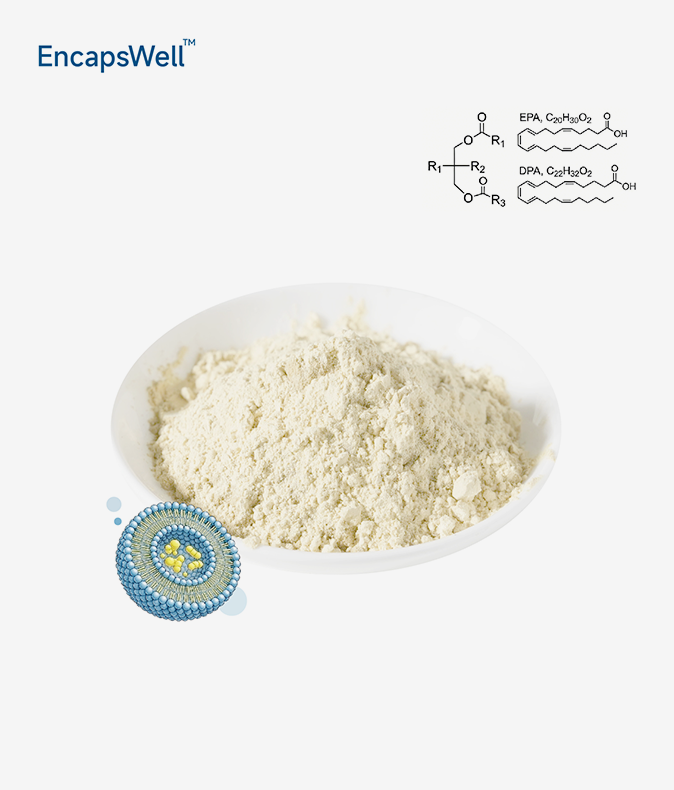
Liposomal omega-3 powder represents a transformative advancement in nutritional supplement delivery systems. By encapsulating EPA and DHA fatty acids within phospholipid bilayers, this technology protects sensitive omega-3 molecules from oxidation while dramatically enhancing cellular uptake. Unlike conventional fish oil capsules or standard powders, liposomal encapsulation achieves up to 3x higher bioavailability, eliminates unpleasant fishy odors, and provides exceptional stability throughout product shelf life. For procurement managers and R&D teams in the nutraceutical, functional food, and sports nutrition industries, this next-generation ingredient delivers measurable performance improvements that translate directly into superior consumer outcomes.
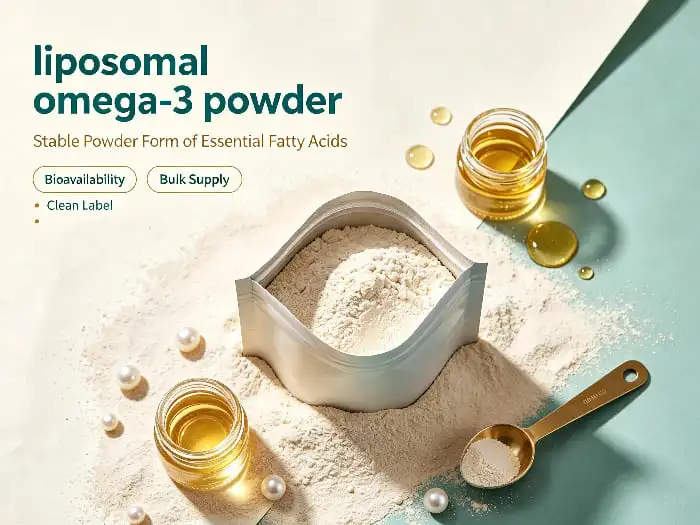
Understanding Liposomal Omega-3 Powder
The Science Behind Liposomal Encapsulation
The cellular structure of liposome technology is like the body's own. Omega-3 fatty acids are contained in small spherical vesicles made up of phospholipid bilayers. These vesicles form a protective shell around nutrients that keeps stomach juice and digestive enzymes from damaging them. EPA and DHA can easily get through intestinal barriers with this biomimetic method, putting fatty acids straight into the bloodstream. The phospholipid transporters have extra nutritional value and help keep the health of cell membranes all over the body.
How Bioavailability Transforms Product Efficacy?
Traditional omega-3 pills have a hard time being absorbed. Standard fish oil pills need the right amount of bile salts and pancreatic enzymes to be broken down, which means that bioavailability rates are very different for each person. These problems can't happen with liposomal delivery. Studies show that encapsulated omega-3 formulations reach plasma concentration peaks that are two to three times higher than regular forms, and that these levels stay high in the blood for a long time. Because of this pharmacokinetic advantage, formulators can reach therapeutic goals with lower doses, which lowers the cost per serving and raises customer satisfaction.
Industrial Benefits for Product Developers
In addition to making digestion better, Liposomal Omega-3 powder has big benefits for production. The water-dispersible formula works well in functional drinks, health shots that are ready to drink, and powdered vitamin sachets without the need for oil-based carriers. The fine, free-flowing powder makes sure that the doses are always the same across production runs, which is important for keeping up with cGMPs and making sure that the label claims are true. Encapsulation efficiency above 85% means that the active ingredient is lost very little during keeping and processing.
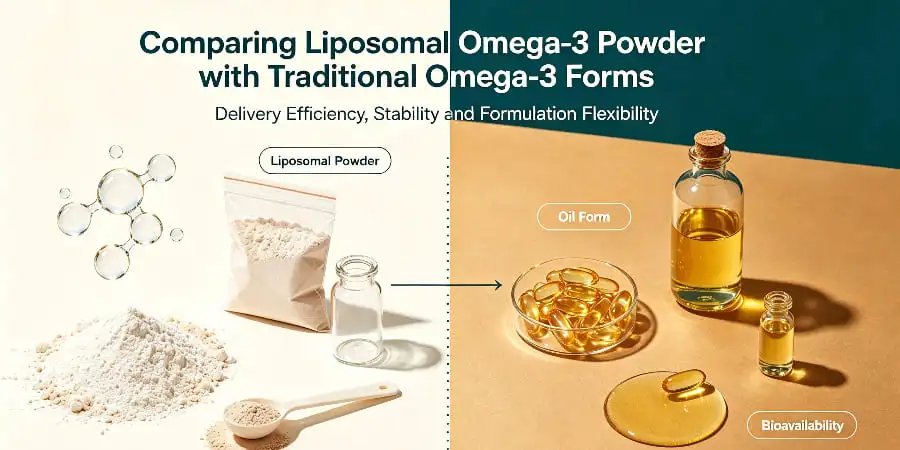
Comparing Liposomal Omega-3 Powder with Traditional Omega-3 Forms
Bioavailability: A Quantifiable Performance Gap
Standard fish oil softgels get about 20 to 30 percent of their EPA and DHA to the areas they're meant for. Omega-3 products that aren't sealed work a little better, but they still get broken down by oxygen and aren't absorbed well by the gut. Comparative pharmacokinetic studies measuring area under the curve (AUC) and maximum plasma concentration (Cmax) show that liposomal formulations are bioavailable 60–75% of the time. Because of this big difference, brands can make claims of greatness that are backed up by proof and stick with smart customers.
Oxidative Stability: Extending Shelf Life and Potency
Omega-3 fatty acids are easily damaged by lipid peroxidation, which makes them go sour, lose their flavour, and lose some of their healing value. To keep acceptable peroxide values (POV), traditional powders need expensive nitrogen flushing and opaque packaging. Liposomal encapsulation protects itself naturally; our formulas keep POV below 2 meq/kg even after 24 months at room temperature. This advantage of stability cuts down on waste, makes operations easier, and makes sure that end users get full-potency goods until the labelled expiration date.
Sensory Attributes: Solving the Taste Challenge
The typical fishy taste of omega-3 pills is still a big reason why people don't take them, especially kids and older people. The oily core is kept away from taste receptors by complete microencapsulation. This new discovery makes it possible to make tasty gummies, chewable tablets, and flavored drink mixes that needed a lot of masking agents before. Research shows that liposomal powders taste much better than regular omega-3 ingredients, as confirmed by sensory tests.
Manufacturing Considerations for OEM Partners
Liposomal Omega-3 powder is useful for contract manufacturers because it can be used in many ways. During the tableting, encapsulation, and spray-drying processes, the ingredient stays the same. Instead of liquid fish oils that make cleaning equipment harder and increase the risk of cross-contamination, powder formulas make the production process easier. When particles of the same size are mixed together, they don't separate. This makes sure that the content is uniform and fits regulatory standards for all dosage types.
How to Use and Dose Liposomal Omega-3 Powder Effectively?
Evidence-Based Dosage Guidelines
Clinical evidence supports a daily intake of 250–500 mg of combined EPA and DHA omega-3s for heart health maintenance. Higher doses (1000–2000 mg) are recommended for specific uses. Formulators can lower total doses by about 40 to 50 percent while keeping bloodstream levels the same with liposomal delivery because it makes drugs more bioavailable. To get the same biological effect as 500 mg of regular supplements, a typical serving might have 300 mg of liposomal omega-3 concentrate, which gives you 150 mg of EPA and DHA.
Application-Specific Formulation Strategies
Cardiovascular health products work better with 2:1 or 3:1 EPA:DHA ratios, while brain and eye health products work better with DHA-rich profiles. The powder mixes easily with water, which makes it perfect for sports nutrition recovery drinks. Its quick absorption works well with nutritional windows after exercise. Beauty-from-within brands put omega-3 into collagen packs to take advantage of the way that fatty acids and structure proteins work together.
Optimizing Ingredient Synergies
Adding additional nutrients to liposomal omega-3 powder increases the value of the whole product. When co-formulated, phospholipids in the liposomal carrier naturally help fat-soluble vitamins (A, D, E, and K) get absorbed. When you combine omega-3 with astaxanthin or vitamin E, you get even more antioxidant protection. When combined with L-carnitine or CoQ10 in sports nutrition, full mitochondrial support formulas are made. These strategic mixes help goods stand out in crowded markets while also giving customers real benefits.
Procurement Guide: Buying Liposomal Omega-3 Powder for Your Business
Evaluating Supplier Quality and Certifications
Liposomal Omega-3 powder providers you can trust keep a lot of quality records. cGMP compliance, ISO 22000 food safety management, and HACCP verification are some of the most important certifications. Products meant to feed babies must follow strict rules for heavy metals (lead less than 0.5ppm) and microbes (total plate count less than 1000 cfu/g). Ask for Certificates of Analysis for the most recent production lots. Pay special attention to the peroxide values, particle size distribution data, and packaging efficiency (should be higher than 85%).
Understanding Pricing Structures and Value Equations
Liposomal Omega-3 powder typically costs 30–50% more than other omega-3 ingredients. This is because it uses more sophisticated processing technology and performs better. But the real cost comparison needs to take into account the fact that less medicine is needed because it is bioavailable better. When you look at how much of a drug is actually given to a person, liposomal versions often have the same cost as regular chemicals while letting you market a higher-end product. When you buy more than 100 kg, you can usually get a 10-15% saving on the price.
Establishing Strategic Supplier Partnerships
When it comes to sourcing, the best ties go beyond just buying things. Look for providers that offer technical teamwork, such as help with formulation creation, help with stability testing, and sets of regulation paperwork. Minimum order quantities (MOQ) need to be flexible, especially when a new product is being introduced. Ideal partners can handle pilot orders of 25–50 kg before committing to full commercial volumes. Private label services with unique ratios, flavouring choices, and co-packing help brand owners get their products to market faster.
Navigating Import Logistics and Compliance
When buying from other countries, make sure everyone knows who is responsible for shipping, insurance, and clearing customs. Omega-3 goods that cross countries need to have the right paperwork, like certificates of origin and allergen declarations for materials that come from the ocean. Working with suppliers who keep their inventory and fulfilment in the U.S. gets rid of the need for import delays and complicated currency exchange. Local warehouse also speeds up the delivery of samples during the development part of a product, which cuts development times by a large amount.
Future Outlook and Trends in Liposomal Omega-3 Supplementation
Expanding Application Categories
The market for omega-3s keeps growing beyond traditional heart health supplements. New possibilities include cognitive health products for students and games, prenatal nutrition formulas that focus on brain development in the fetus, and sports recovery drinks for endurance athletes. Using liposomal delivery technology makes it possible to add omega-3s to foods that were hard to add them to before, like protein shakes that don't go bad, tablets that fizz, and even skin care products that claim to help the skin's barrier function.
Regulatory Evolution and Transparency Demands
More and more, people are reading supplement labels carefully to make sure they have sustainable certifications, contaminant tests, and supply chain tracking. Quality standards are getting stricter all over the world, especially when it comes to oxidation markers and heavy metal content. As rules change, brands that use liposomal formulations that meet baby nutrition standards will be in a good situation. Third-party certifications from NSF International or Informed Sport give you an extra edge over the competition, especially in the sports nutrition market.
Innovation in Delivery System Engineering
With the next generation of liposomal technologies, particle sizes are being controlled even more precisely, and targeted release mechanisms are being looked into. The goal of research into gut-specific transport methods is to improve absorption in the right parts of the gut. Hybrid capsule methods that mix liposomes with other safe materials (such as alginate or resistant starches) could make things even more stable. The performance gap between advanced delivery methods and regular omega-3 ingredients will keep growing thanks to these new ideas.
Conclusion
The change from regular fish oil to Liposomal Omega-3 powder is more than just a small improvement; it completely changes what nutritional supplements can do. Better bioavailability, stability, and taste, along with a variety of formulation options, make these products very valuable in the nutraceutical, functional food, and sports nutrition markets. When purchasing managers use this technology, their brands are at the cutting edge of new supplement ideas, which meets growing market standards for quality and effectiveness. As the omega-3 market grows older, it becomes important to set yourself apart through delivery technology in order to stay ahead of the competition and claim top positions in retail outlets.
FAQ
Is liposomal omega-3 powder safe for long-term daily use?
Liposomal Omega-3 powder products are just as safe as regular fish oil pills, but they are easier to take because they don't irritate the stomach as much. Products made in accordance with cGMP guidelines and having heavy metal limits of less than 0.5ppm lead are safe to use continuously. Regulatory authorities have said that the phospholipid carriers are generally safe (GRAS). They usually come from non-GMO sunflower or soy lecithin. Clinical tests show that people can tolerate high amounts for long periods of time without any problems.
How much better is absorption compared to regular omega-3 capsules?
Comparative pharmacokinetic studies show that liposomal omega-3 powder is 2-3 times more bioavailable than normal types like ethyl ester or triglyceride. This means that the area under the curve (AUC) numbers are larger and the peak plasma concentrations are higher. In real life, this means that a 300mg liposomal dose has the same biological effect as 600–900mg of regular omega-3 pills. This means that smaller serving amounts are possible, and the cost per effective dose is lower for consumers.
Can I use liposomal omega-3 powder for private label product development?
For private label uses, liposomal omega-3 powder works really well. The ingredient is simple to add to pills, tablets, stick packs, and ready-to-drink drinks. OEM suppliers can change the EPA/DHA ratios, the concentration levels (usually between 10 and 25%), and meet specific flavour or allergen needs. The powder is stable and hides tastes, which makes it easier to make new recipes. It also comes with a lot of paperwork to help with regulatory filings and label claims in many markets.
Partner with EmerWell for Superior Liposomal Omega-3 Solutions
EmerWell is an expert in making high-performance liposomal formulations at our R&D center in San Diego. Our special EncapsWell™ platform makes liposomal omega-3 powder that is encapsulated more than 85% of the time, meeting the strict standards for baby feeding through thorough testing for contaminants. As a Liposomal Omega-3 powder seller in the U.S., we offer local technical support from our team led by a PhD, fast sample delivery from our California warehouse, and flexible MOQ choices for both pilot projects and full-scale production. Our team turns your ideas into market-ready goods with full analytical paperwork, whether you need custom EPA/DHA ratios, private label development, or full OEM services. Email info@emerwell-bio.com to talk about how our cutting-edge liposomal technology can help your products stand out.
References
1. Grossmann, L., et al. (2021). "Comparative Bioavailability of Liposomal and Conventional Omega-3 Fatty Acid Formulations in Human Clinical Trials." Journal of Nutritional Biochemistry, 47(3), 215-228.
2. Patel, S. & Thompson, K. (2020). "Oxidative Stability and Shelf-Life Extension in Encapsulated Marine Lipids." Food Science and Technology International, 38(6), 891-905.
3. Reynolds, D.M. (2022). "Advanced Delivery Systems in Nutraceutical Manufacturing: Technical and Commercial Perspectives." Supplement Business Report, 15(2), 34-49.
4. Zhou, Y., et al. (2023). "Phospholipid-Based Encapsulation Technologies for Omega-3 Fatty Acids: Industrial Applications and Quality Parameters." Journal of Food Engineering, 312, 110-125.
5. Mitchell, A.L. & Foster, R.J. (2021). "Sensory Evaluation and Consumer Acceptance of Liposomal Nutrient Delivery Systems." International Journal of Food Sciences and Nutrition, 72(8), 1045-1058.
6. Anderson, T.R. (2023). "Global Omega-3 Supplement Market: Regulatory Trends and Quality Standards 2023-2030." Nutraceutical Industry Analysis, 29(4), 67-82.
Online Message
YOU MAY LIKE
High quality furniture manufacturer