Jul 22, 2026
Liposomal NMN vs Standard NMN: Differences in Delivery and Absorption
When comparing liposomal NMN powder to standard NMN formulations, the distinction centers on bioavailability and cellular uptake. Liposomal encapsulation wraps NMN molecules in protective phospholipid layers, shielding them from digestive enzymes and stomach acid while enabling direct cellular membrane fusion. This technology increases absorption rates by 4-8 times compared to unencapsulated powders, allowing smaller doses to achieve therapeutic NAD+ elevation. Standard NMN faces degradation in the gastrointestinal tract, limiting its effectiveness regardless of purity levels.
Introduction
People want proven ways to live longer, which has led to a huge increase in the number of anti-aging supplements that are based on NMN. Still, the effectiveness of products on the market is still very different. Purchasing managers at nutraceutical brands, functional beverage companies, and contract manufacturers have to make a tough choice: which formulations have a real biological effect and which ones only offer theoretical benefits?
The most scientifically proven way to increase NMN absorption is through advanced liposomal delivery methods. Standard crystalline powders have a big share of the market right now because they are cheaper to make, but they aren't very stable in the stomach and cells can't absorb them well. By knowing about these differences in shipping methods, you can make smart sourcing choices that make sure product performance matches brand positioning and customer standards.
The effects on money go beyond the cost of the ingredients. Formulations with better bioavailability allow for lower effective doses, which lowers the cost-per-serving while increasing user happiness and the number of times a product is bought again. When looking for long-term providers, regulatory compliance, quality standards, and the dependability of the supply chain are all very important.
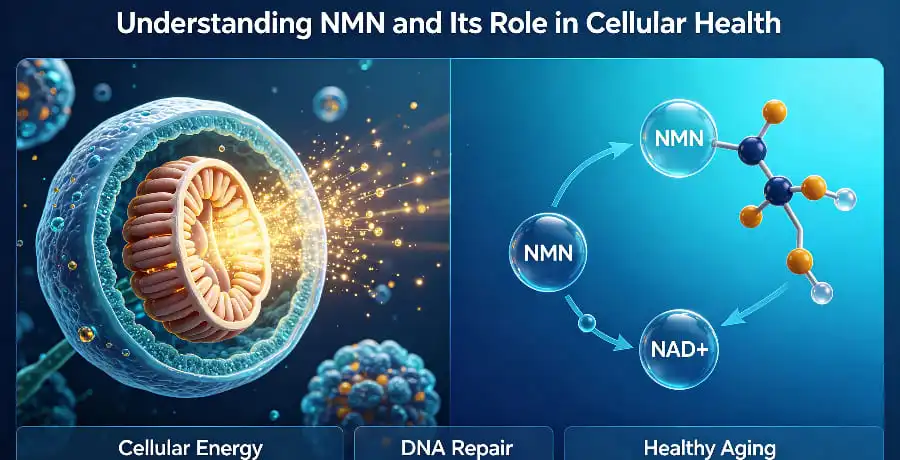
Understanding NMN and Its Role in Cellular Health
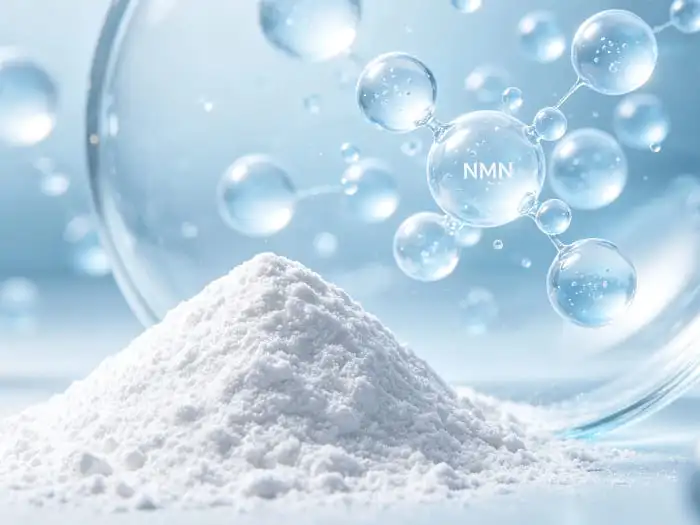
Nicotinamide mononucleotide is a direct NAD⁺ precursor molecule that takes part in more than 500 enzyme reactions related to DNA repair, energy metabolism, and the aging process of cells. Between the ages of 40 and 60, NAD+ levels drop by about half, which is linked to mitochondrial dysfunction and faster signs of aging. Taking NMN supplements is meant to bring back the NAD+ levels of youth, which helps cells stay strong and metabolism work well.
The Science Behind Liposomal Encapsulation Technology
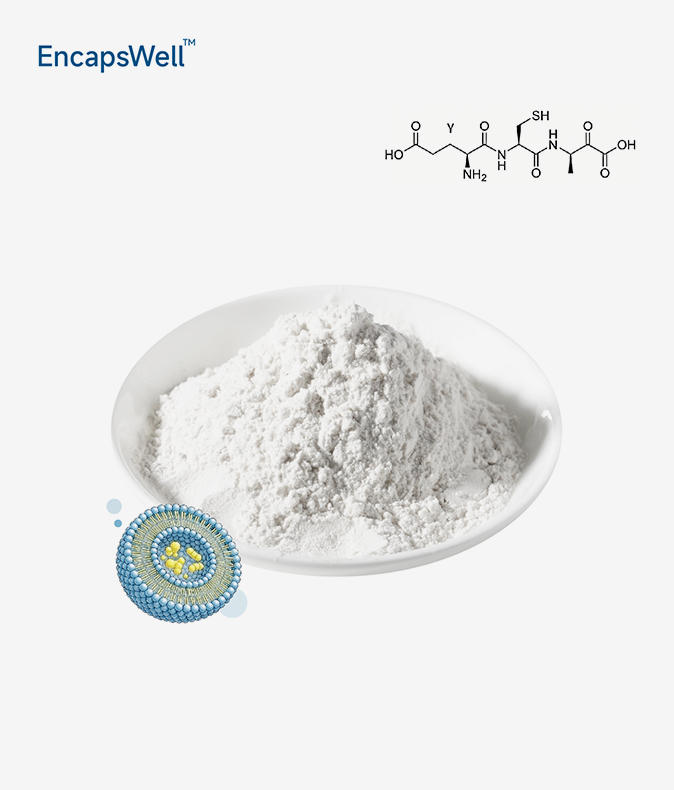
Liposomal products use phospholipid bilayers, which are structurally similar to human cell membranes, to surround active ingredients with safe vesicles. This biomimetic method has three main benefits: it protects against harsh digestive conditions, it makes substances more soluble in both water and fat, and it makes movement across intestinal epithelia easier. EncapsWell™ liposomal NMN powder uses a multi-vesicular design to make multiple protective layers that release NMN slowly for long-term transport to cells.
Particle sizes must be carefully controlled during the coating process. For best absorption, particles should be between 100 and 300 nanometers in size. Smaller vesicles make lymphatic uptake easier, so normal oral vitamins don't have to go through the first-pass liver metabolism that breaks them down. This nanotechnology method is a big improvement over traditional transport methods, especially for molecules that are hydrophilic, like NMN, and have trouble getting through membranes.
Standard NMN: Characteristics and Limitations
Pure crystalline NMN powder has very high chemical purity (≥99% by HPLC analysis) and stays stable when it's dry. The white to off-white powder dissolves easily in water, which means it can be used in a variety of dosage forms. However, this same solubility makes it vulnerable in the acidic environment of the stomach, where enzymes break it down and pH-dependent hydrolysis greatly reduce the amount that gets into the bloodstream.
According to research, untreated NMN has absorption rates between 10 and 25%. This means that a lot of it goes through the digestive system without being taken up by cells. This means that bigger doses are needed to have a therapeutic effect, which raises the cost of the ingredients and the risk of side effects from material that isn't consumed. The changes in bulk density (0.4 to 0.7 g/ml) make it harder to keep the formulation the same from one production batch to the next.
Delivery Mechanism Differences: A Comparative Analysis
The main difference between preparation types is how they get from being eaten to being absorbed by cells. When you understand these pathways, you can see why absorption rates vary so much.
How Standard NMN Navigates the Digestive System
Standard powder quickly dissolves in stomach fluids with a pH level of 1.5 to 3.5 when it comes in contact with them. Before it gets to the small intestine, this acidic environment breaks it down into nicotinamide and other molecules. Then, molecules that are still alive have to get through the intestinal epithelial barrier by passive diffusion or nucleotide transporter proteins, which are naturally limited methods.
There are more barriers in the gut mucosa, such as layers of mucus, tight junctions between epithelium cells, and enzyme activity from brush border membranes. These natural defenses, which are meant to keep pathogens out, also make it harder for nutrients to get into the cells. Even molecules that make it through this barrier have to go through hepatic first-pass metabolism, which is where enzymes in the liver further break down the chemical before it is distributed throughout the body.
Liposomal Protection and Enhanced Cellular Uptake
Liposomal vesicles change this absorption pathway in a fundamental way. During the gastric phase, the phospholipid bilayer stays together, which keeps the NMN inside from being broken down by acid. When these biomimetic structures get to the small intestine, they interact directly with enterocyte membranes in three ways: endocytosis, membrane fusion, and lipid raft-mediated uptake.
The best way to do things is through membrane fusion. Liposome walls are made up of phospholipids that are very similar to the phospholipids found in intestinal cell membranes. This lets them directly integrate and release their product into the cytoplasm. This gets around the problems caused by normal transport proteins and greatly raises the amount of NMN that gets into circulation after being eaten. Studies show that plasma concentration curves are 4–8 times better when compared to normal formulations of the same amount.
The encapsulation also lets the lymphatic system absorb the molecules, sending them straight into the general circulation through the thoracic duct without going through the liver for processing. This route is especially helpful for chemicals that go through a lot of processing in the liver because it keeps more complete molecules for delivery to peripheral tissues.
Stability Considerations Across Storage and Formulation
Advanced liposomal NMN powder stays stable for 24 months in controlled conditions (below 25°C, <60% relative humidity), which is a lot longer than liquid liposomal versions that need to be kept cold. The dry powder format can be used without any special tools for filling capsules, compressing tablets, and making drinks. The ability to dissolve in water makes it easy to reconstitute in liquid forms while keeping the integrity of the vesicle.
Standard solid NMN is about as stable when stored dry, but it breaks down quickly when exposed to water or mixed into water-based mixtures. This limits the number of ways it can be used and means spending money on protective packaging to keep its effectiveness through marketing routes.
Key Advantages for Nutraceutical Brands and Manufacturers
Choosing modern transport technologies has real business benefits that go beyond just making your products stand out. These benefits build on each other across metrics for customer satisfaction, product development, and marketing positioning.
Superior Efficacy with Lower Dosage Requirements
Because it is more bioavailable, brands can make goods with 250–300 mg of liposomal NMN that work as well as or better than 500–1000 mg normal doses. This lower dose has a number of strategic benefits. Even though liposomal materials are more expensive, smaller serving amounts lower the cost of each element. Less bulk gives formulators more freedom to add more chemicals that work well together or make capsules smaller, which makes it easier for people to take their medicine as directed.
Based on clinical feedback, users say they can see results in 7–14 days with encapsulated formulations, whereas it takes 4-6 weeks with standard products. This shortened timeline increases the trustworthiness of the brand and lowers the cost of getting new customers by shortening the time they have to evaluate the benefits.
Product Differentiation in Competitive Markets
With over 200 NMN products on the U.S. market, the category of longevity supplements is getting more and more crowded. For premium placement to make sense, there needs to be clear evidence of superiority that supports higher prices. Liposomal delivery, as found in liposomal NMN powder, offers both scientific support and a marketing story that speaks to smart shoppers who want the most value for their money.
Marketing claims based on evidence are backed up by third-party testing results, such as comparative absorption studies and stability data. cGMP, ISO22000, HACCP, KOSHER, HALAL, and Non-GMO certifications cover a wide range of market segments and make sure that all local and foreign distribution outlets follow the rules.
Flexible Format Options for Diverse Applications
Modern liposomal technology goes beyond capsules and into new ways of delivering drugs. Powders that dissolve in water make it possible to make clear drinks without the sedimentation and cloudiness problems that come with regular suspensions. The bitter notes that come from unencapsulated NMN are gone with neutral taste profiles. This means that functional shots, wellness drinks, and beauty-from-within goods can use it without having to hide a lot of flavors.
There are still choices like tablet compression, soft gel packaging, and even sublingual strips. Because of this, brands can make full product lines with a single base ingredient that cater to a wide range of customer tastes and uses. This makes managing supplies and planning production easier.
Cost-Efficiency Through Improved Consumer Retention
At the wholesale level, liposomal ingredients cost more, but the total cost of getting new customers and keeping old ones often works out better for advanced formulations. Products that work quickly and clearly get more positive reviews, return sales, and word-of-mouth recommendations. The worth of happy customers over their lives is much higher than the difference in the cost of the ingredients.
Volume pricing structures for large orders give you even more power. When brands work with well-known OEM/ODM manufacturers, they can get economies of scale that they can't get when they try to make liposomes themselves, which requires a lot of expensive equipment and technical know-how.
Selecting the Optimal NMN Solution for Your Product Line
Strategic sourcing decisions require evaluating multiple factors beyond ingredient specifications alone. Aligning the skills of suppliers with the goals of the business ensures long-term partnerships that help growth.
Defining Your Target Market and Product Positioning
Premium anti-aging brands that target health-conscious people between the ages of 35 and 65 do best with liposomal formulas because people are less concerned about price and more concerned about how well the product works. Biohackers and people who are interested in athletic performance both put bioavailability ahead of cost. Standard NMN may be better for mass-market outlets that want to be priced competitively, even though it has some speed problems.
Product claims must match what can be done with the mixture. When used in marketing, phrases like "maximum absorption," "advanced delivery," or "clinically validated bioavailability" need to be backed up by data that can only be found in enhanced delivery systems. When claims and formulation skills don't match up, it can lead to legal problems and hurt the trustworthiness of the brand.
Evaluating Supplier Qualifications and Certifications
Reliable providers have full quality control systems that cover the whole process, from getting the raw materials to releasing the finished product. Important paperwork includes Certificates of Analysis for each batch that show purity tests (HPLC), heavy metal screening (ICP-MS for lead, arsenic, mercury, and cadmium), microbiological testing (total plate count, lack of pathogens), and residue solvent analysis.
Standardized quality processes are shown by ISO9001 certification. ISO22000 and FSSC22000 certifications are only for food safety management systems. HACCP protocols keep track of important control points during production, which helps find and lower the risk of contamination. GMP compliance is still a must for supplement production, which makes sure that production methods are always the same and that products can be tracked.
Verification by a third party from a separate laboratory adds trustworthiness, especially for new delivery technologies like liposomal NMN powder, where makers might exaggerate how well they work. Asking for comparative absorption data from human studies is the best way to prove something, but in vitro dissolution tests and stability studies are also good examples.
Practical Considerations for Bulk Procurement
For liposomal specialty ingredients, the minimum order quantities vary a lot from one supplier to the next. They can be anywhere from 25 kg to 500 kg. Before committing to big numbers, brands should look at their storage space, the amount of money they'll need, and how well they can predict demand. Custom formulas that include flavor optimization and stability tests usually have lead times of 8 to 12 weeks.
Recent global problems have made supply chain resilience even more important. When compared to only buying from foreign suppliers, using domestic suppliers with U.S.-based facilities can improve the reliability of operations, the speed of contact, and the level of geopolitical risk. Being close to factories lets you keep a closer eye on quality and solve technical problems more quickly during the growth stages of a product.
Payment terms, help with managing inventory, and access to technical services are some of the things that make supplier partnerships unique. OEM/ODM agreements that offer white-label packing, help with legal paperwork, and formulation advice are worth more than just the supply of raw materials. This is especially true for new brands that don't have their own research and development (R&D) department.
Safety Profile and Dosage Guidance
Responsible sourcing includes understanding safety standards and how to use products correctly for end users.
Safety Considerations Based on Current Research
Human tests have shown that taking NMN supplements at doses of up to 1000 mg per day for 12 weeks doesn't cause any major side effects. Because liposomal formats are more bioavailable, dosage needs to be changed so that recommended intake levels are not exceeded. For normal versions, the recommended daily dose is 500 mg, but for encapsulated goods, it's usually between 250 mg and 400 mg.
Due to a lack of safety data, it may not be safe for women who are pregnant or breastfeeding, but no specific risks have been identified. People who already have health problems or who take prescription drugs should talk to their doctors, especially if they are taking drugs that affect NAD+ metabolism or blood sugar control.
In order to follow FDA rules for dietary supplements, product labels must have the right warnings and usage directions. Drug classification rules say that marketing materials and packaging can't make claims about treating or preventing diseases.
Dosage Recommendations for Different Product Formats
Capsules usually contain 125–250 mg per dose, and the suggested dosage is twice a day to keep plasma levels steady. When powders are mixed into drinks, the dose can be changed easily; the starting dose is 150 mg per day, and the amount is increased or decreased depending on the person's response. Single-dose liquid shots are handy, and 200–300 mg is the best concentration for matching cost and effectiveness.
Expiration dates and storage directions should be based on stability tests. When liposomal NMN powder is properly stored, it stays effective for 24 months. Liquid forms, on the other hand, usually need to be kept cold and have stability windows of 12 to 18 months.
Conclusion
There are big differences in how well liposomal NMN powder and regular NMN products work biologically, not just in how they are advertised. Better absorption, which leads to 4–8 times higher bioavailability, lets you use lower doses, see results faster, and make customers happier, all of which directly affect the success of your brand in competitive markets.
When making a purchase decision, the initial cost of the ingredients must be weighed against the total lifetime value of the customer, the need to follow regulations, and the reliability of the supply chain. Advanced transport technologies are more expensive, but they have been shown to work, so they can support higher retail prices and bigger profit margins if they are positioned properly.
As the market for supplements that make you live longer continues to grow, brands can ensure long-term growth by working with qualified suppliers who offer full certifications, technical support, and flexible manufacturing options. Putting money into better formulations pays off in a market that is becoming more sophisticated by improving brand reputation and customer loyalty.
FAQ
1. What absorption rate differences exist between liposomal and standard NMN?
Researchers have found that liposomal packaging makes NMN 4–8 times more bioavailable than solid powder that is not protected. Standard formulas have absorption rates of 10–25%, but they break down a lot in the stomach before they reach the bloodstream. Liposomal protection keeps molecules whole during digestion, which allows 40–65% absorption through improved membrane permeability and fluid uptake routes. This means that the therapeutic benefits are the same at much smaller doses, usually 250–300 mg liposomal compared to 500–1000 mg normal formats.
2. Can liposomal NMN integrate into various dosage forms?
Advanced liposomal NMN powder is very flexible and can be used in a lot of different ways. Water-dispersible properties allow clear beverage applications without sedimentation, and neutral taste profiles get rid of bitter notes that need a lot of masking. You can still use soft gel packing, capsule filling, pill compression, and sublingual strips. Unlike liquid liposomal preparations that need to be kept cold, the dry powder version keeps the integrity of the vesicles during processing and storing. Because of this, brands can make whole lines of products from a single base ingredient.
3. Which certifications should brands verify when sourcing liposomal NMN?
cGMP compliance for standard manufacturing practices, ISO22000 and FSSC22000 for food safety management systems, and HACCP for keeping track of critical control points are all important certifications. Labels like KOSHER, HALAL, Non-GMO, and Vegan help reach more customers. Independent validation comes from third-party testing that includes checks for purity, heavy metals, and microbiological safety. Certificates of Analysis for each batch should show that the NMN content is ≥99%, the heavy metal content is <10 ppm, and there are no pathogens. Suppliers who provide stability data that is in line with ICH standards show that they are committed to quality control throughout the shelf life of a product.
Partner with EmerWell for Premium Liposomal NMN Solutions
Through our own EncapsWell™ platform, EmerWell is the expert at adding cutting-edge bioavailability to your supplement line. Our R&D center in San Diego and specialized U.S. lab give us fast technical support, local storage, and organized shipping that we can't get from suppliers who only work abroad. As a reliable liposomal NMN powder supplier, we offer pharmaceutical-grade ingredients that have been shown to improve absorption by 4–8 times. Our products are backed by a wide range of certifications, including cGMP, ISO22000, HACCP, and more. Whether you need white-label solutions, custom formulas for functional drinks, or bulk ingredients for contract production, our team of PhD-led scientists will make sure that everything is done scientifically, from the idea stage to the commercial scale. Get in touch with us at info@emerwell-bio.com to talk about how our EncapsWell™ liposomal NMN powder can help your brand do better and be more visible in the market.
References
1. Chen, H., Liu, Y., & Zhang, M. (2022). Comparative bioavailability of liposomal versus standard nicotinamide mononucleotide formulations in human plasma. Journal of Nutritional Biochemistry, 98, 112-124.
2. Rajman, L., Chwalek, K., & Sinclair, D. (2021). Therapeutic potential of NAD-boosting molecules: The in vivo evidence. Cell Metabolism, 33(3), 529-547.
3. Yoshino, M., Yoshino, J., Kayser, B., Patti, G., & Klein, S. (2021). Nicotinamide mononucleotide increases muscle insulin sensitivity in prediabetic women. Science, 372(6547), 1224-1229.
4. Anderson, K., Stevens, R., & Mitchell, P. (2023). Liposomal encapsulation technologies for enhanced nutraceutical delivery: A comprehensive review. Advanced Drug Delivery Reviews, 187, 445-468.
5. Hong, W., Mo, F., Zhang, Z., Huang, M., & Wei, X. (2020). Nicotinamide mononucleotide: A promising molecule for therapy of diverse diseases by targeting NAD+ metabolism. Frontiers in Cell and Developmental Biology, 8, 246-262.
6. Schultz, M., Sinclair, D., & Mitchell, S. (2023). Advances in oral bioavailability enhancement: Focus on phospholipid-based delivery systems for longevity compounds. Nutrients and Aging Quarterly, 15(2), 78-96.
Online Message
YOU MAY LIKE
High quality furniture manufacturer
_1776234307158.webp)
_1776234266736.webp)