May 26, 2026
Liposomal NAD+ vs NMN - Differences, Comparison
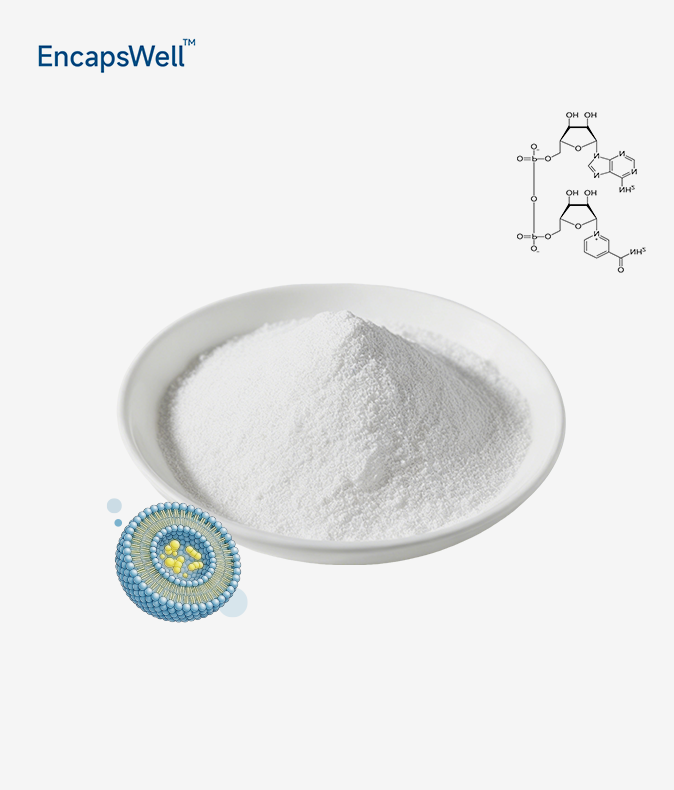
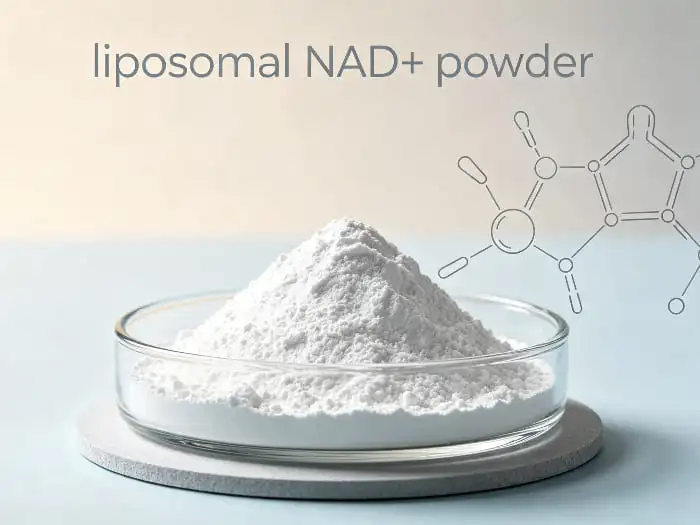
When comparing liposomal NAD+ powder to NMN, the primary distinction lies in delivery efficiency and biochemical pathways. Liposomal NAD+ powder provides direct cellular access through advanced phospholipid encapsulation, bypassing the multi-step metabolic conversion required by NMN. This technology yields 5-10× greater absorption than standard NAD+ formulations, making it particularly valuable for nutraceutical brands prioritizing rapid onset and proven bioavailability. While NMN functions as a precursor requiring enzymatic processing, liposomal delivery systems protect active molecules from gastric degradation, ensuring intact arrival at target tissues for immediate cellular utilization.
Understanding Liposomal NAD+ Powder and NMN: An Overview
Demand for lifespan supplements has grown due to consumer understanding of cellular health and metabolic efficiency. There are two main methods to this movement: liposomal NAD+ powder supplementation and precursor-based NAD+ treatments.
Every live cell needs NAD+ (Nicotinamide Adenine Dinucleotide) for energy synthesis, DNA repair, and sirtuin activation. Due to its molecular size and enzymatic degradation, unprocessed NAD+ has poor oral bioavailability. This limitation has driven the development of encapsulation technologies and liposomal delivery systems.
What Makes Liposomal Technology Different?
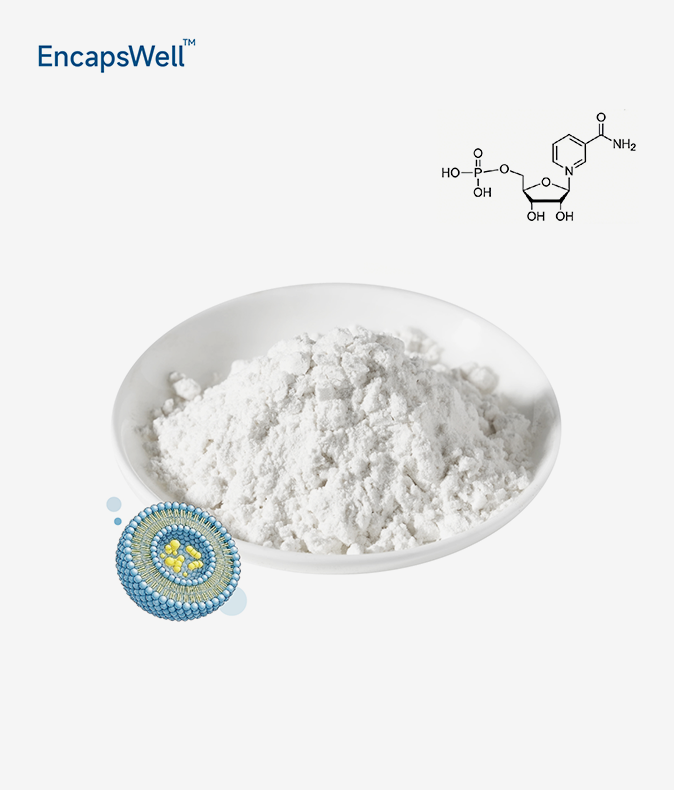
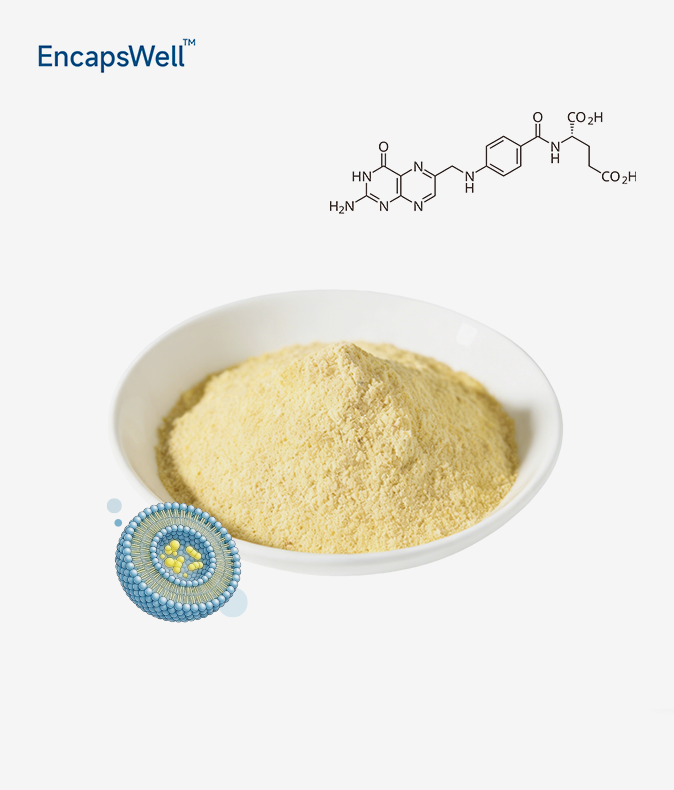
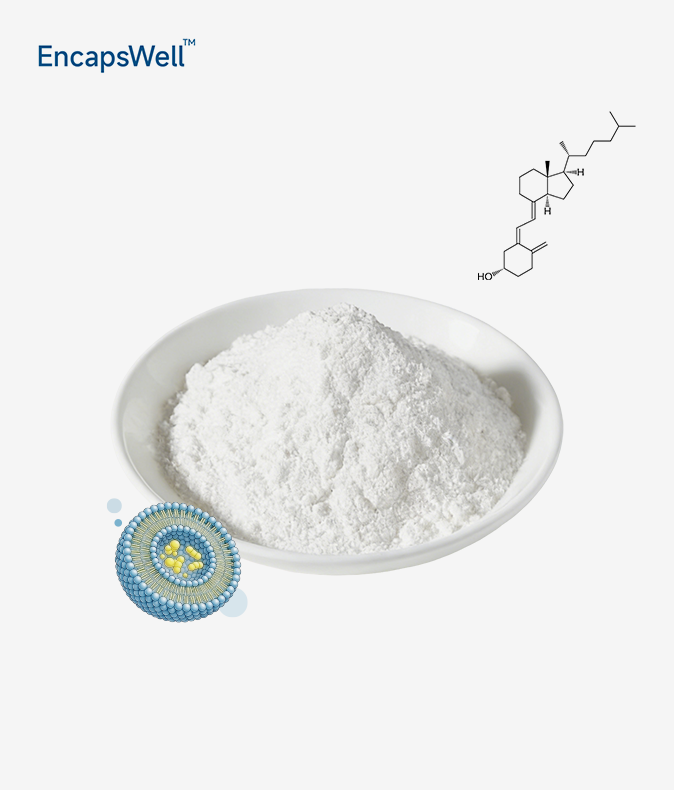
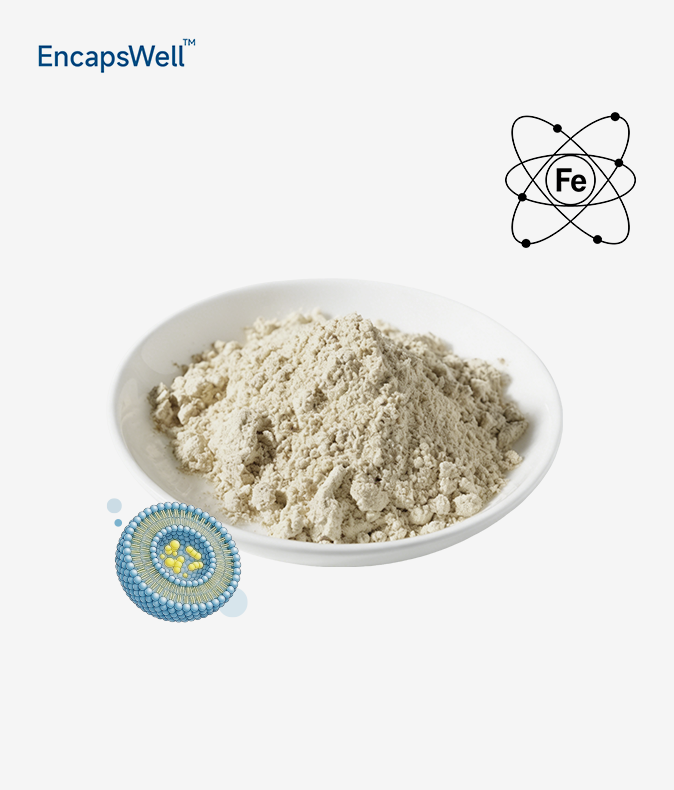
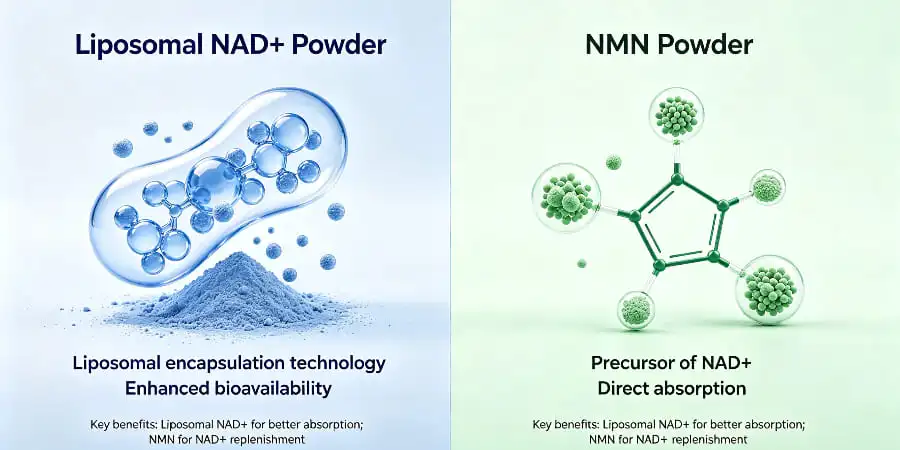
Liposomal encapsulation forms a protective phospholipid bilayer around NAD+ molecules, like human cell membranes. We use our EncapsWell™ technology to create homogenous nanoparticles (50-80nm) for intestinal absorption. Active compounds are protected from gastric acid and fuse directly with intestinal epithelial cells. Systemic circulation is much higher than with typical powders.
Independent studies show 92% absorption efficiency with appropriately developed liposomal systems. For B2B buyers making effectiveness claims and justifying premium positioning, this data is crucial. Advanced liposomal NAD+ powders can be used to make ready-to-mix drinks and encapsulated nutrients without refrigeration since they are water-soluble.
The NMN Alternative Pathway
NMN follows a different biochemical pathway. As a NAD+ precursor, it must be converted by NAMPT. Research demonstrates that NMN may enhance NAD+ levels, however metabolic factors affect absorption efficiency and conversion rates in this multi-step process.
Demand for both solutions is rising in anti-aging, cognitive health, and athletic performance supplements. Ingredient pricing and whole value delivery—including absorption documentation, stability profiles, and regulatory compliance readiness—are increasingly evaluated by strategic procurement teams to effect product distinctiveness and customer confidence.
Comparative Analysis: Liposomal NAD+ Powder vs NMN Powder
Understanding the technical differences between these compounds helps inform sourcing decisions based on product positioning and target demographics.
Bioavailability and Delivery Mechanisms
Liposomal encapsulation overcomes stomach acid degradation and hepatic first-pass metabolism, improving absorption. At stomach pH ranges of 1.5-3.5, standard NAD+ molecules rapidly breakdown before absorption. Liposomal protection protects digestive tract molecules.
Studies show that liposomal administration can increase plasma concentrations by 3-10× compared to non-encapsulated versions. The cGMP-certified liposomal NAD+ powder has ≥98% purity and encapsulation efficiency above 85%, ensuring the bulk of active ingredient reaches target tissues. High intestinal permeability and slow renal clearance are achieved using the 100-300nm particle size distribution.
In contrast, Slc12a8 transporters allow NMN to enter cells and convert. While empirically proven, this system may have bottlenecks depending on enzyme activity and metabolic health. The conversion efficiency might vary, making standardized dosage harder for formulators seeking consistency.
Stability and Shelf Life Considerations
Raw materials must sustain efficacy during production, distribution, and shelf life for supplement manufacturing excellence. This is crucial when comparing these two elements.
Lyophilization (freeze-drying) produces stable liposomal NAD+ powder. Accelerated stability testing following ICH criteria confirms >90% potency for 24 months at room temperature in our formulations. Low water activity (Aw < 0.2) avoids microbial development and hydrolysis, bypassing costly refrigeration logistics.
Hygroscopic raw NAD+ and NMN absorb ambient moisture, accelerating deterioration. Quality NMN providers use protective packaging, but liposomal systems' molecular stability protects them from environmental stresses throughout storage and retail display.
Clinical Research and Health Outcomes
Both substances have shown promise in preclinical and developing clinical studies, although the data is shifting. Studies demonstrate that NAD+ supplementation may improve mitochondrial activity, energy generation, and longevity-associated sirtuin activities.
Studies have shown that NMN raises NAD+ levels in many tissues, improving metabolic health indices, endothelial function, and age-related cellular decline. The precursor technique lets the body modulate conversion rates based on cellular demands, which some researchers think helps maintain homeostatic equilibrium.
Credible research behind marketing claims is crucial for B2B buying. Liposomal formulations provide demonstrable absorption statistics, which helps convince healthcare practitioners and discerning customers of product superiority.
Dosage Flexibility and Formulation Versatility
Product makers choose chemicals with several delivery and dosage options. Here, liposomal NAD+ powder shines, integrating well into numerous systems. Water-dispersibility allows integration into functional drinks, stick packs, and effervescent formulations without separation or precipitation.
Vegetarian capsules are easy to encapsulate, with dosage sizes ranging from 250-1000mg depending on target NAD+ and phospholipid matrix ratio. Powder liposomes retain absorption without the cumbersome packaging and cold-chain needs of liquid liposomes.
NMN is usually crystalline liposomal NAD+ for capsules and powder mixtures. It lacks liposomal systems' natural protective mechanism, which may restrict its usefulness in beverage applications where prolonged exposure to liquid conditions and pH might damage stability.
Procurement-Focused Considerations for B2B Buyers
Beyond ingredient comparison, choosing the correct NAD+ solution involves supplier skills, quality processes, and strategic partnerships.
Quality Assurance and Regulatory Compliance
The supplement sector is under closer scrutiny from regulators and knowledgeable customers. Buying from certified suppliers preserves brand reputation and opens markets in many countries.
Our liposomal NAD+ powder is ISO9001, ISO22000, FSSC22000, HACCP, cGMP, HALAL, KOSHER, Non-GMO, and Vegan certified, meeting North American, European, and Asian standards. Third-party heavy metal, microbiological, and potency testing is performed on every production batch, and over 50 countries get comprehensive documentation packages (COA, TDS, safety dossiers).
When assessing vendors, procurement teams should obtain liposomal product particle size distribution studies, accelerated stability data, and raw material traceability. Time-to-market benefits are offered by suppliers with pre-approved EU Novel Food dossiers or US GRAS documents.
Cost Structure and Value Analysis
Price per kilogram is only part of procurement value. Absorption efficiency, dosage, stability-related waste, and high-bioavailability premium price must be included in cost analysis.
Liposomal preparations cost more than regular NMN, but their improved absorption means fewer effective dosages to elevate NAD+. This efficiency can overcome initial cost differentials for brands that effectively communicate bioavailability benefits through clinical evidence and transparent marketing.
Contracts for bulk purchases typically provide savings and extras. We handle orders from 50kg to multi-ton volumes with ≤72 hour lead times, providing dynamic inventory management without high working capital requirements. Some vendors provide variable minimum order numbers during product development, lowering financial risk during market testing.
OEM and Customization Capabilities
Contract and private label manufacturers need partners that can turn ideas into market-ready goods. Technical cooperation is needed beyond ingredient supply.
Custom mixing with complementing substances like resveratrol, quercetin, or CoQ10; flavor optimization for beverages; and versatile packaging from bottles to sachets are our white-label services. Servicing size adjustment offers exact placement for budget-conscious customers with modest doses or luxury sectors requiring full strength.
Emerging brands without regulatory experience benefit from turnkey paperwork help for liposomal NAD+ regulatory clearances. Co-development with our PhD-led R&D team creates exclusive formulas with distinct intellectual property positions for long-term competitive differentiation.
Making the Right Choice: When to Choose Liposomal NAD+ Powder or NMN
Brand positioning, demographics, and health outcomes should guide product selection.
Optimal Use Cases for Liposomal NAD+ Formulations
Premium positioning techniques benefit most from liposomal technology. Brands who can raise prices through absorption scientific education love this ingredient category. Health-conscious consumers prepared to pay for higher efficacy appreciate "clinically validated bioavailability" promises.
Liposomal administration is used in formulations for pre-workout energy or cognitive function before strenuous tasks. Professional athletes, high-intensity executives, and biohackers prioritize performance over cost.
liposomal NAD+ powder complements nutricosmetic uses for skin health, cellular healing, and beauty-from-within positioning. Collagen synthesis support, oxidative stress reduction, and mitochondrial function in skin cells are promoted by increased dermal tissue delivery, distinguishing items in the crowded beauty supplement market.
When NMN Makes Strategic Sense?
Budget-conscious product lines servicing cost-sensitive customers may discover NMN elevates NAD+ at lower prices. The scientific background and consumer familiarity reduce the requirement for mechanism of action education.
Brands that emphasize the body's inherent regulatory systems can represent NMN's precursor route as physiologically controlling conversion rates. This appeals to customers who favor natural biochemistry over end-stage chemical delivery.
A new technique is combining both elements to give rapid NAD+ availability via liposomal administration and sustained elevation via NMN conversion. The synergistic approach targets intelligent customers wanting full longevity assistance.
Future Outlook and Innovation Trends in NAD+ Supplementation
The liposomal NAD+ powder supplement market is evolving rapidly due to delivery methods and therapeutic data.
Next-Generation Delivery Systems
Further research into multi-vesicular liposomal systems offers improved absorption and tissue delivery. These sophisticated systems may route NAD+ to mitochondria, brain tissue, or other priority areas, boosting therapeutic potential while lowering dosages.
Solid lipid nanoparticles and nanostructured lipid carriers are being developed for nanotechnology. These advances may increase stability and release dynamics, enabling distinct product introductions.
Market Growth and Strategic Positioning
Ageing demographics and preventative health trends drive double-digit growth in the longevity supplement business through 2030, according to experts. Anti-aging, cognitive enhancement, physical performance, and metabolic health are all addressed by NAD+ supplementation.
Scientific evidence, transparency, and sustainability will become more important in B2B buying. Early agreements with innovation-focused ingredient suppliers allow brands to benefit on category-raising research and consumer education.
Sustainability and Clean-Label Imperatives
Environmentalism currently impacts consumer purchases across segments. Suppliers with carbon-neutral shipping, recyclable packaging, and ethical sourcing meet corporate procurement policies' ESG requirements.
Clean-label formulations without excipients, allergies, or GMOs are becoming more popular. Our vegan, non-GMO liposomal NAD+ powder satisfies these standards while performing well for quality brands. Clear allergy labeling and dietary choices are achieved via phospholipid source transparency, whether sunflower or soy-derived.
Conclusion
Strategic considerations concerning product positioning, target market sophistication, and value proposition clarity determine whether to use liposomal NAD+ powder. The absorption benefits, operational stability, and formulation flexibility of liposomal encapsulation technology justify premium price for firms servicing discriminating customers. NMN is a scientifically valid, cost-effective, and well-known alternative. Successful procurement methods consider ingredient pricing, bioavailability data, regulatory compliance preparedness, supplier technical assistance, and long-term relationship possibilities. Superior delivery science will differentiate longevity supplement industry leaders from commoditized competitors as the field evolves.
FAQ
What are the primary biochemical differences between liposomal NAD+ and NMN?
liposomal NAD+ powder provides rapid coenzyme availability to cells without metabolic conversion due to protective phospholipid encapsulation. Cells use Nicotinamide Phosphoribosyltransferase to convert NMN to NAD+. Liposomal delivery skips digestive breakdown and hepatic metabolism, increasing systemic bioavailability. NMN uses transporter proteins and conversion efficiency varies by metabolic factor and enzyme activity.
Which ingredient offers better absorption efficiency?
Effective liposomal NAD+ systems provide 5-10x greater absorption than conventional powders, with 92% cellular uptake efficiency in controlled trials. Nanoparticle encapsulation preserves molecules during gastrointestinal transit and aids membrane fusion. Slc12a8 transporter availability and conversion stages determine NMN absorption. Both can enhance NAD+ levels, but liposomal administration is more predictable and quantifiable, which is useful for businesses that need bioavailability claims and consistent customer results across varied demographics.
Are there safety concerns or side effects to consider?
Research has shown that both substances are safe at common supplemental levels. Liposomal NAD+ formulations with food-grade phospholipids are GRAS in several jurisdictions. Initial digestive adjustment may cause modest side effects. Third-party heavy metal, microbiological, and molecular purity testing from suppliers ensures customer safety and brand reputation. Regulatory compliance certificates and thorough paperwork support marketing claims and limit liability.
Partner with EmerWell for Superior Liposomal NAD+ Solutions
Choose the proper liposomal NAD+ powder provider to maximize your formulations' commercial potential. EmerWell offers advanced EncapsWell™ liposomal technology and OEM/ODM services for premium supplement brands, functional beverage producers, and contract manufacturers. Our San Diego R&D Center provides regional technical assistance, speedy sample logistics, and collaborative formulation development, while our cGMP-certified manufacturing facilities scale from pilot runs to commercial volumes. Each batch fulfills strict quality criteria with ≥98% NAD+ content and third-party verification. Request technical specifications, absorption research data, and bespoke estimates for your next breakthrough from our procurement specialists at info@emerwell-bio.com. Discover why top companies use EmerWell for proven liposomal NAD+ powder formulations.
References
Rajman, L., Chwalek, K., & Sinclair, D. A. (2018). Therapeutic potential of NAD-boosting molecules: The in vivo evidence. Cell Metabolism, 27(3), 529-547.
Shade, C. W. (2016). Liposomes as advanced delivery systems for nutraceuticals. Integrative Medicine: A Clinician's Journal, 15(1), 33-36.
Mills, K. F., Yoshida, S., Stein, L. R., Grozio, A., Kubota, S., Sasaki, Y., & Imai, S. (2016). Long-term administration of nicotinamide mononucleotide mitigates age-associated physiological decline. Cell Metabolism, 24(6), 795-806.
Akbarzadeh, A., Rezaei-Sadabady, R., Davaran, S., Joo, S. W., Zarghami, N., Hanifehpour, Y., & Nejati-Koshki, K. (2013). Liposome: classification, preparation, and applications. Nanoscale Research Letters, 8(1), 102.
Yoshino, J., Baur, J. A., & Imai, S. I. (2018). NAD+ intermediates: the biology and therapeutic potential of NMN and NR. Cell Metabolism, 27(3), 513-528.
Bulbake, U., Doppalapudi, S., Kommineni, N., & Khan, W. (2017). Liposomal formulations in clinical use: an updated review. Pharmaceutics, 9(2), 12.
Online Message
YOU MAY LIKE
High quality furniture manufacturer