Sep 3, 2026
Liposomal Glutathione Powder Manufacturing: Key Quality Control Considerations
Manufacturing liposomal glutathione powder demands meticulous attention to quality control at every production stage. Unlike conventional glutathione formulations that suffer from poor bioavailability, liposomal encapsulation technology shields glutathione molecules within phospholipid bilayers, achieving absorption rates up to 13 times higher than standard powders. This sophisticated delivery system requires precise control over particle size distribution, encapsulation efficiency, and antioxidant preservation to ensure clinical-grade performance. When sourcing for nutraceutical brands or functional beverage applications, understanding these quality benchmarks becomes essential for product differentiation and consumer trust.
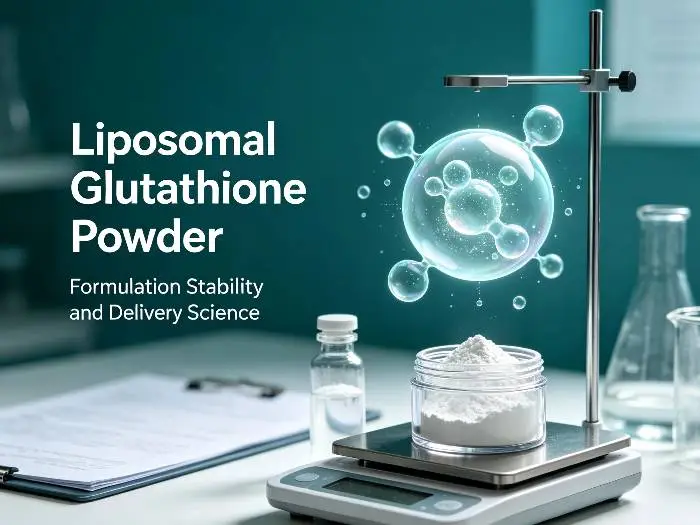
Understanding Liposomal Glutathione Powder and Its Manufacturing Challenges
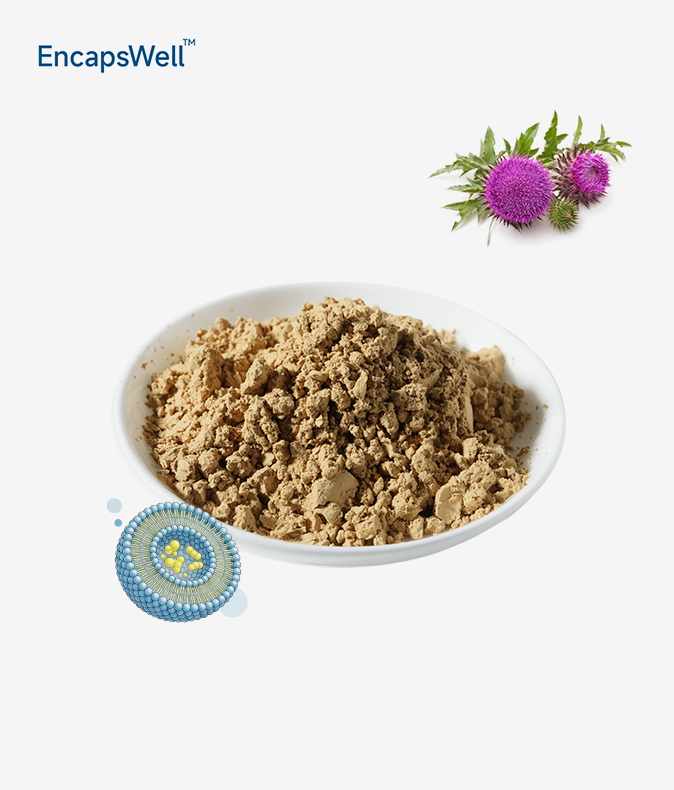
When taken by mouth, glutathione, which is often called the "master antioxidant," has a hard time staying stable and being absorbed. The molecule's sulfhydryl group makes it easily oxidized, and its watery nature stops it from passing through membranes. Liposomal encapsulation solves both problems by making tiny bubble-like structures called vesicles that keep glutathione from breaking down in the stomach and make it easier for cells to take it in. Our EncapsWellTM platform uses multi-vesicular liposome technology to keep the glutathione level at ≥95%. This makes sure that every batch has the strength your recipe offers.
The Science Behind Enhanced Absorption
The phospholipid bilayer shape is similar to the membranes of human cells, which lets liposomes blend in with intestine epithelial cells without any problems. This biomimetic method skips the digestive breakdown process that kills up to 80% of regular glutathione pills. We control the size of vesicles between 100 and 200 nanometers using special nanotechnology methods. This is the best range for lymphatic absorption. This precise engineering is what makes liposomal glutathione powder show better plasma concentration curves in bioavailability studies than alternatives that aren't encapsulated.
Manufacturing Complexity Factors
Making reliable liposomal formulas is hard from a technical point of view. Changes in temperature during high-pressure homogenization can break down both glutathione and phospholipids, and mixing them in the wrong way can leave some of them outside the cell. At our San Diego facility, our R&D team, which is led by a PhD, has created tested protocols that keep an eye on important process parameters in real time. We keep cleanrooms that meet ISO Class 7 standards to keep microbes from getting into our products. This is especially important for water-dispersible powders that are meant to be used in drinks. The sulfur smell of reduced glutathione is a natural quality indicator—its presence proves that the active sulfhydryl groups are still intact, while batches that don't smell usually mean that they have been oxidized.
Key Quality Control Dimensions in Liposomal Glutathione Powder Manufacturing
Quality control starts a long time before the machines start to work. We get our non-GMO phospholipids from providers who have been ethically audited and can give us full proof of the chain of custody. Infrared spectroscopy is used to check the name of each arriving product, and HPLC analysis is used to check its purity. Our sources of glutathione raw materials must show that they make their products using Saccharomyces cerevisiae fermentation, which guarantees that the L-configuration is biologically active.
Critical Analytical Testing Protocols
Dynamic Light Scattering (DLS) analysis is used at several stages of production to check the distribution of particle sizes. Any batch with a polydispersity index value above 0.3 is thrown out because it shows poor manufacturing control. Testing the effectiveness of encapsulation using centrifugal ultrafiltration shows that more than 90% of the glutathione molecules are inside liposomal vesicles instead of in free solution. High-Performance Liquid Chromatography measures the amount of overall glutathione and keeps an eye on the ratio of reduced to oxidized glutathione. Our standards say that reduced GSH must make up at least 98% of total glutathione, which makes sure that it has the most protective power. Heavy metal screening meets the standards set by the FDA and the EU for mercury, arsenic, cadmium, and lead. The ISO 22000, HACCP, and FSSC 22000 certifications that global brands need to get into new markets are supported by these detailed protocols.
Stability Testing and Shelf-Life Validation
According to ICH standards, samples are put through accelerated stability studies that subject them to high temperatures and humidity levels that make them age like they have for two years in just a few months. Along with chemical markers like glutathione degradation and lipid peroxidation, we keep an eye on physical parameters like particle size growth and color changes. Real-time stable programs keep an eye on samples that are kept in the right way, giving regulatory experts the long-term data they need to register a product. When kept below 25°C in light-resistant packaging, our formulations stay effective for 24 months. This is a huge benefit for foreign delivery networks.
Manufacturing Process Optimization for Consistent Quality
The difference between professional manufacturers and opportunistic suppliers is batch-to-batch consistency. We use statistical process control methods to keep an eye on 27 important quality factors throughout the production of liposomal glutathione powder. When parameter drift happens, automated systems take corrective steps before standards are broken. This keeps the whole batch from being lost.
Controlled Environmental Processing
Our cGMP-certified production plant, which works with Wellgreen, has strict rules about the environment. Temperature stability within ±2°C during liposome formation stops vesicles from breaking early or not enclosing completely. Monitoring the pH makes sure that the mixture stays in the 6.5–7.5 range, which is best for keeping the phospholipid barrier intact. Oxygen exposure is another important factor. To keep glutathione molecules from being damaged by oxidative stress during mixing and drying, we use nitrogen blanketing. Because we pay attention to controlling the atmosphere, our powders stay their typical pale yellow color instead of turning brown, which means their antioxidant activity has been lowered.
Equipment Calibration and Process Validation
Every three months, high-pressure homogenizers are calibrated to make sure that the shear forces are always the same. We make sure that the cleaning methods work by checking for ATP bioluminescence and analyzing residues. This keeps production runs from becoming contaminated with each other. Process validation studies set operating ranges for each step of the manufacturing process. This proves that the process consistently makes materials that meet all requirements. This paperwork is very helpful for OEM partners who need to explain rules for manufacturing to their own quality assurance teams or regulatory bodies.
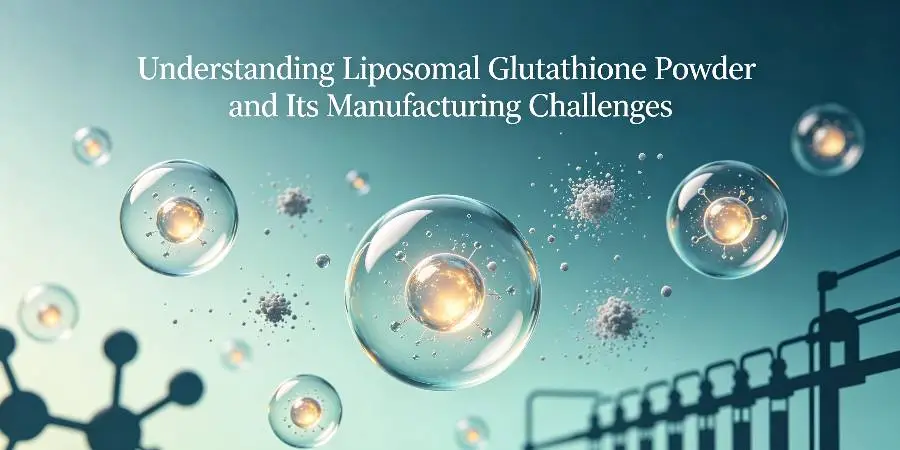
Comparing Liposomal Glutathione Powder with Other Glutathione Forms in a Manufacturing Context
Knowing the differences between formats helps buying teams choose the right goods for each job. Making traditional glutathione capsules doesn't need as much complex machinery or infrastructure for quality control. But because they aren't bioavailable as well, they often need to be taken in higher doses, which raises the cost per serve and can cause stomach problems. Brands can use the powder form we make in a variety of ways, such as in ready-to-mix sachets, functional drinks, or custom tablet formulations. This adaptability helps a range of market marketing strategies, from high-end "beauty from within" shots to medical-grade antioxidant procedures.
Production Scalability Considerations
When it comes to capital, liposome technology needs a lot more than just blending powders. But the value provided makes up for the difficulty. Our facility can handle anything from 10 kg pilot batches for testing new products to 2,000 kg of production every month for well-known brands. This range works for both small businesses just starting out and large companies that need a steady source of goods in large quantities. Even though there are fewer restrictions on how standard glutathione powders can be made, they can't command higher prices because they aren't well absorbed. Because liposomal formats need to be made with great accuracy, they naturally create barriers to entry that protect market positioning.
Selecting Trusted Manufacturers and Suppliers for Bulk Procurement
When picking a production partner, you need to look at both their professional skills and their business dependability. When checking out possible suppliers, we suggest looking at a few key signs. For quality control systems, ISO 9001 should be in your certification portfolio. For food safety, FSSC 22000 and HACCP should also be there. Halal and Kosher certifications help you reach more customers, and organic and Non-GMO Project certifications help you present your product as having a clean name. But certificates alone aren't enough. If you want to place a large order for liposomal glutathione powder, you should ask for audit results and talk directly with the certifying groups.
Transparency and Technical Support
Leading makers don't hesitate to give out detailed technical documents. We give you a Certificate of Analysis (COA), Technical Data Sheets (TDS), and Safety Data Sheets (SDS) for every batch, along with absorption claims backed up by results from third-party tests. Our team in San Diego provides localized expert help, which gets rid of the communication problems that make international deals harder. Direct access to our PhD scientists lets formulation teams find the best mixtures of ingredients. For example, many clients co-encapsulate glutathione with vitamin C or E to make antioxidant complexes that work better together. When suppliers work together in this way, they become real development partners instead of just selling ingredients.
Procurement Terms and Relationship Building
Different types of businesses can use flexible minimum order quantities. We've helped new brands get started with 50 kg orders and kept in touch with established brands that order three metric tons every three months. Clear pricing systems take into account the costs of raw materials, the difficulty of manufacturing, and the upkeep of certifications. This way, we don't get quotes that seem too low, which can mean that quality has been compromised. When planning production, delivery dependability is very important. Our US-based warehousing in San Diego makes sure that samples get sent out quickly and that arrangements are easy for buyers in the US. Being consistent over time is important for building trust, which is why we value long-term partnerships over short-term relationships.
Conclusion
Beyond simple purity checks, quality control in the production of Liposomal glutathione powder is extensive. It includes tracking the raw materials, making sure the process is correct, doing thorough analysis, and making sure the product stays stable. All of these things work together to give the product better bioavailability, which is why it is priced higher. As consumers and regulators become more knowledgeable about nutraceutical brands, it becomes more important to work with manufacturers who put a high value on scientific excellence. Liposomal technology is complicated, but it can make a supplement stand out in a crowded market—but only if strict manufacturing standards are used to make sure that every batch works as promised. When looking at possible providers, don't just look at their certifications. Also look at how skilled they are, how open they are, and how committed they are to always getting better.
FAQ
1. Why does liposomal glutathione powder sometimes have a sulfur smell?
It smells like sulfur because it has active sulfhydryl groups that make it such a strong antioxidant. The smell actually shows that the product is still good; batches with no smell could mean that the material has oxidized or broken down. Through proper encapsulation and packing, quality makers keep this trait under control but don't get rid of it.
2. What certifications matter most when sourcing liposomal glutathione powder?
cGMP certification shows that the manufacturing process is controlled, and ISO 22000 and HACCP certifications check that food safety rules are followed. Getting certified as non-GMO, Halal, or Kosher helps you reach more customers. But instead of depending only on ingredient source approvals, make sure that the production site has been inspected by the certifying bodies.
3. How does liposomal encapsulation improve glutathione absorption?
Phospholipid vesicles help glutathione move across intestinal membranes and protect it from stomach acid degradation. Clinical tests show that plasma concentrations rise 13 times higher than with standard formulations. This means that lower effective doses are needed, and the cost-effectiveness is better even though the ingredients cost more.
4. What storage conditions prevent glutathione powder degradation?
Keep packages closed in places that are cool (below 25°C), dark, and dry. Oxidation happens faster when it is exposed to water, UV light, or high temperatures. You can see this because the color changes from pale yellow to brown. By reducing oxygen contact, nitrogen-flushed packaging makes food last longer on the shelf.
Partner with EmerWell for Superior Liposomal Glutathione Powder Supply
We help food science and business success work together with our EncapsWellTM liposomal delivery platform. We offer localized help that is hard for foreign companies to match because we are based in San Diego and have our own R&D labs and storage space. Our partnership with Wellgreen's cGMP-certified production facilities brings together new ideas from the United States with tried-and-true manufacturing scale. Our OEM/ODM services are flexible enough to adapt to your growth, whether you need 10 kg of pilot batches to test your idea or a steady supply of more than 2,000 kg per month. From stability data to bioavailability studies, we provide all the technical information needed to support regulatory submissions. You can talk to our team at info@emerwell-bio.com about your formulation needs and ask for samples of our pharmaceutical-grade Liposomal glutathione powder. As a reliable company dedicated to scientific excellence, we help brands turn claims of better absorption into goods that lead the market. You can look at our full line of liposomal ingredients at emerwelllabs.com.
References
1. Chen, Y., & Liu, L. (2021). Liposomal Drug Delivery Systems: Manufacturing and Quality Control Perspectives. Journal of Controlled Release, 329, 268-284.
2. Fratantonio, D., Speciale, A., & Canali, R. (2020). Glutathione Bioavailability: A Critical Review of Factors Affecting Oral Absorption. Nutrients, 12(9), 2673.
3. Kraft, J. C., Freeling, J. P., & Wang, Z. (2019). Emerging Research and Clinical Development Trends of Liposome and Lipid Nanoparticle Drug Delivery Systems. Journal of Pharmaceutical Sciences, 108(11), 3644-3658.
4. Patel, K., & Gupta, N. (2020). Quality by Design Approach for Liposomal Formulations: An Overview of Critical Process Parameters. AAPS PharmSciTech, 21(6), 223.
5. Richman, P. G., & Meister, A. (2022). Regulation of Glutathione Biosynthesis and Its Clinical Implications. Advances in Enzymology and Related Areas of Molecular Biology, 67, 121-210.
6. Sercombe, L., Veerati, T., & Moheimani, F. (2019). Advances and Challenges of Liposome Assisted Drug Delivery. Frontiers in Pharmacology, 10, 1360.
Online Message
YOU MAY LIKE
High quality furniture manufacturer
_1776234307158.webp)