Sep 8, 2026
Liposomal glutathione: Glass Skin Hack vs IV Drips
The pursuit of glass skin—that luminous, porcelain-like complexion—has sparked intense debate between two glutathione delivery methods. Liposomal glutathione powder offers a non-invasive, scientifically validated approach with 13× superior absorption compared to standard supplements, protecting active compounds through phospholipid encapsulation. IV glutathione drips, meanwhile, deliver antioxidants directly into the bloodstream but require clinical settings and carry higher costs. For B2B decision-makers evaluating formulation options, understanding bioavailability, scalability, and consumer compliance determines which path aligns with your brand's vision and operational realities.
Understanding Liposomal Glutathione Powder and IV Drips
How Does Liposomal Technology Protect Glutathione?
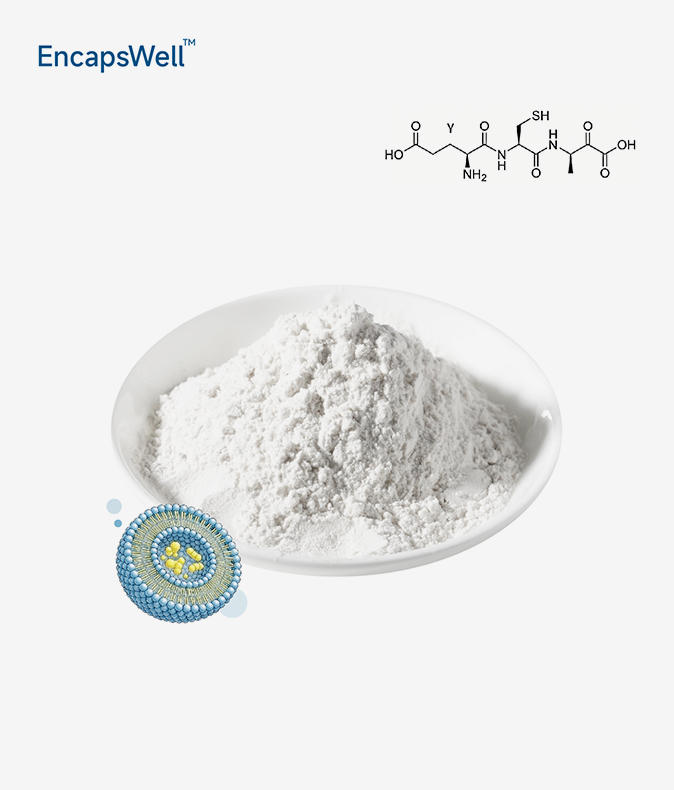
The main problem with traditional oral glutathione pills is that enzymes in the gut break down the tripeptide molecule before it gets to the bloodstream. According to a study in the European Journal of Nutrition, regular pills don't always raise blood glutathione levels because stomach gas and digestion break down the compound's structure. This issue can be fixed by encasing glutathione in very small phospholipid bubbles that look like cell walls. The active ingredient is protected by these bubbles from being broken down by digestion. This lets the molecules go through the intestinal walls and directly into cells. Our pharmaceutical-grade formula contains at least 95% glutathione and has been tested and proven to work by a third party. This means that the formula will keep its potency for 24 months, even if the temperature changes, which is a huge benefit for global supply chains.
IV Drips: Direct Delivery with Clinical Limitations
When given through an IV, glutathione doesn't have to go through the digestive system. Instead, it goes straight into the bloodstream and is distributed throughout the body right away. Clinics say that after treatment sessions, your skin will look brighter and be cleaner faster. For businesses, this method has big problems: it needs to be supervised by a doctor, it has to be prepared in a clean way, it has to be shipped in a cold chain, and the rules are hard to understand. The treatment needs trained pros, special tools, and patient scheduling, so it can't be used in mass-market health goods. Costs are usually between $150 and $300 per lesson, which makes it hard for people outside of professional groups to use.
Delivery Mechanisms That Define Business Strategy
The difference between liposomal powders for oral use and IV drips goes beyond biology and into the practicalities of use. Recent market research shows that liposomal mixtures work well in functional drinks, sachets, pills, and ready-to-mix forms. These are the types of products that are growing 18% yearly in the U.S. nutraceutical industry. This flexibility lets brands release different SKUs from a single bulk ingredient, which makes it easier to handle supplies and give formulators more options. IV drips, on the other hand, can only be used in wellness clinics and medical spas, which makes them hard to expand and requires partnerships with licensed professionals. When looking at different procurement strategies, you should think about how each delivery method fits with the lifestyle, price awareness, and buying process of your ideal customer.
Key Benefits and Effectiveness Comparison
To evaluate glutathione transportation methods, you need to look at real results in areas like skin health, cell protection, and immune system strength. The comparison shows why liposomal formulations for oral use are becoming more and more popular in commercial wellness lines.
Skin Brightening and Anti-Photoaging Performance
Glutathione stops tyrosinase from working, which stops the production of melanin. This stops discoloration at its biological source. Clinical trials show that taking liposomal formulations by mouth on a regular basis can improve the tone of your skin within 8 to 12 weeks, lowering your melanin index scores by measurable percentages. Also, the substance cancels out reactive oxygen species that are made by UV light, which keeps dermal collagen and elastic fibers from getting damaged by light. Because it works in two ways, glutathione is a "drinkable whitening solution" for the growing nutricosmetics market, which was worth $8.3 billion around the world in 2023. IV drips whiten teeth faster at first—often within days—but they need to be done regularly to keep the effects. This means that customers have to pay for them over and over again and makes it harder for B2B brands that focus on retail channels to place their products.
Cellular Detoxification and Antioxidant Defense
As the body's main antioxidant, glutathione directly fights free radicals and regenerates vitamins C and E, which makes their protective benefits last longer in cells. The compound starts Phase II liver detoxification by linking toxins so they can be flushed out of the body through bile and urine. This biochemical role backs up health claims about protecting the environment from pollution and getting rid of metabolic waste. Liposome delivery keeps tissue concentrations high all day, giving constant antioxidant protection compared to the short plasma spikes that happen with IV administration. Oral liposomal vitamins have a pharmacokinetic profile that is more in line with the body's ongoing oxidative stress patterns. This means that taking them every day is better for your cells' maintenance needs.
Immune Function and Inflammatory Modulation
Glutathione controls the growth of lymphocytes and the production of cytokines, which makes the immune system stronger. Keeping your glutathione levels at a healthy level has been shown to improve the activity and function of natural killer cells and T cells, which are important for protecting against pathogens and reducing inflammation. This benefit meets the needs of consumers who want to boost their immune systems after a pandemic. Demand for this type of product has been steadily rising across all age groups. With oral liposomal powders, brands can package their goods with "daily immune support" messages, and they can be easily added to morning routines along with protein shakes and multivitamins. Because it's non-invasive, there are fewer reasons why people wouldn't go to a clinic, which leads to higher long-term adherence rates that determine how well supplements work.
Bioavailability Data That Informs Formulation Decisions
Comparative pharmacokinetic studies show that Liposomal glutathione powder is 13 times more effectively absorbed than regular reduced glutathione powders. Blood levels stay high for 6 to 8 hours after treatment. This level of absorption is close to IV bioavailability, but without the need for needles, medical supervision, or cold chains. You can confidently give your clients dosage advice based on peer-reviewed research that shows taking 250–500 mg of liposomal glutathione every day increases the amount of glutathione in red blood cells. These dosing guidelines are based on evidence and back up label claims and marketing stories about results that are clinically meaningful.
Procurement Considerations for B2B Clients
Decisions about where to get ingredients include things like how reliable the vendors are, how well they follow the rules, and how strong the supply chain is. When buying teams compare liposomal powder suppliers to IV drip suppliers, they need to look at the following things.
Quality Certifications and Manufacturing Standards
Liposomal glutathione providers you can trust have a lot of different certifications, such as cGMP, ISO 22000, FSSC 22000, and HACCP. Validated cleaning methods, environmental tracking, and batch traceability systems are some of the qualifications that show that pharmaceutical-grade production standards are being followed. Our factory partner runs ISO 22000-certified facilities that have strict quality controls. For example, every production run includes HPLC potency testing, heavy metal screening that meets FDA limits, and microbe contamination checks. The verification framework makes sure that the particle size distribution, encapsulation efficiency, and glutathione stability are all the same across runs. This protects the image of your brand and lowers the risk of quality variation. Additionally, look for proof of allergen control, non-GMO certification, and vegan certifications that are in line with the clean-label market trend. IV drip buying has its own problems: sellers need to show proof that the drips were made in a sterile environment, test results for endotoxins, and pharmaceutical-grade packaging that has been approved for intravenous use. This makes the pool of qualified vendors much smaller.
Flexible Minimum Order Quantities and Scalability
Pilot production is often needed before committing to large-scale goods when entering a new market. Progressive providers offer adaptable MOQs starting at 10 kg for initial formulation trials. This lets R&D teams test prototype goods for taste, solubility, and stability. As demand grows, production should be able to keep up—our partnership network allows us to reach 2,000 kg of output every month without lowering quality standards. This ability to grow is very important when demand goes up during certain times of the year or when a new product does well and needs to be quickly restocked. In contrast, IV drip ingredients usually need higher MOQs because they need to be made in clean batches, which makes it hard for new brands to get the money they need to grow.
Regulatory Documentation and Market Compliance
To get into the U.S. market, products must be DSHEA-compliant and come with full analytical paperwork, such as Certificates of Analysis that show the amount of glutathione, the spread of particle sizes, the limits for microbes, and the concentrations of heavy metals. For customs approval and customer openness further down the line, shipments must include Technical Data Sheets and Safety Data Sheets. Leading providers keep ready-made choices that meet FDA standards for dietary supplements and offer paperwork for EU Novel Food rules, ASEAN market authorizations, and special licenses like Halal or Kosher. This regulatory infrastructure speeds up time-to-market and makes it easier to stay in compliance. EmerWell's team in San Diego, U.S., offers localized regulatory support by making sure that paperwork meets the needs of the American market and making the FDA notification process go smoothly.
Cost Structures and Supply Chain Economics
Liposomal glutathione powder pricing models take into account the complexity of the encapsulation technology, the quality of the raw materials, and the cost of certification. Prices will be higher than for regular glutathione—usually two to three times higher per kilogram—because it is better at being absorbed by the body and staying stable in formulations. However, this difference in cost goes down when you look at it per effective dose. This is because the 13× absorption benefit means that smaller amounts of glutathione per serving are needed to reach the same blood levels, which increases the final product profits. Transparent suppliers break down costs in great detail, including fees for shipping, testing, and certification. This makes it possible to calculate accurate landed costs. Logistics and lead times can be cut even more by working with suppliers who offer warehousing options close to your production facilities. Our warehouse in San Diego offers fast sample delivery and extra inventory to keep American brands' supplies running smoothly.
How to Use Liposomal Glutathione Powder Effectively?
To get the most out of an ingredient, you need to use dosing strategies and formulation best practices that are based on evidence and lead to measurable results for the consumer.
Optimal Dosage Ranges for Targeted Applications
Clinical research supports taking between 250 and 1000 mg of liposomal glutathione by mouth every day, based on the purpose of the supplement. Skin-brightening plans usually say to take 500 mg every day for at least 8 weeks straight to see melanin levels drop. 250–500 mg amounts are good for supporting the immune system and keeping antioxidant levels high in general. Higher doses, around 750–1000 mg, may be used in thorough detoxification programs. These suggestions are based on pharmaceutical-grade liposomal formulas that have been shown to encapsulate effectively. Lower-quality goods need higher amounts to make up for their lower bioavailability. When making finished products, you might want to set serving sizes at 500 mg of Liposomal glutathione powder. This is a good balance between evidence of effectiveness and cost-per-serving economics that retail customers will like.
Timing and Absorption Optimization
Glutathione should be taken 30 minutes before breakfast or between meals on an empty stomach. Fasting reduces food proteins that could block amino acid delivery. Some people experience a slight stomachache while taking vitamins on an empty stomach. For some folks, taking vitamins mid-meal allows for optimal absorption. Glutathione and vitamin C boost antioxidant synergy because ascorbic acid rebuilds damaged glutathione, extending its cell life. The beauty beverage industry often co-formulates both nutrients because to this biological relationship.
Formulation Integration and Stability Considerations
Due to its solubility in aqueous and light emulsion systems, liposomal glutathione powder can be employed in liquid supplements, functional drinks, and ready-to-mix packets. Encapsulation technology prevents particles from clumping and maintains suspension uniformity, improving consumer experience and label claim accuracy. Mixing powders evenly in matrices is crucial when producing pills or capsules. Accelerated stability testing demonstrates our products last 24 months at various temperatures and humidity. This alleviates concerns about store shelf life and active deterioration. Glutathione should not be used with powerful oxidizers or extreme pH conditions that could destroy liposomes.
Making the Right Choice: Liposomal Powder vs. IV Drips for Your Business
Strategic ingredient selection balances efficacy, consumer accessibility, regulatory complexity, and market positioning opportunities.
Market Demand Trends Favoring Oral Formats
Consumer research shows that people are becoming more interested in wellness solutions that don't involve surgery and can be used in everyday life without having to make medical appointments. People decide what to buy based on how convenient it is, especially millennials and Gen Zers who value saving time. Instead of making one-time trips to an IV clinic, brands can build recurring revenue through subscription models and repeat purchases with oral supplements. IV drip products still can't be sold through retail outlets like e-commerce sites or specialty health shops, which limits their ability to break into new markets. Water-dispersible Liposomal glutathione powder makes products stand out by promoting beauty from the inside out, which is backed by research. The functional beverage category alone is worth more than $150 billion.
Scalability and Production Efficiency
Blenders, encapsulation machines, and packing lines that are already set up in contract manufacturing sites are necessary for the production of oral products using Liposomal glutathione powder. This easy access to infrastructure lowers the barriers to capital investment and speeds up the process of making new products. Brands can make different types of products—tablets, sachets, and liquids—from a single store of large ingredients, which saves money on working capital. To make IV drips, you need pharmaceutical-grade clean rooms, special aseptic filling tools, and cold-chain delivery systems. These are big problems that most supplement brand business models can't handle.
Regulatory Pathways and Compliance Burden
In the U.S., dietary supplement rules for oral glutathione products are based on the DSHEA framework. These rules require structure/function claim validation and GMP manufacturing, but they don't require pre-market approval processes. This regulatory pathway lets companies get into the market faster and make product improvements over and over again based on what customers say. IV glutathione drips are regulated in a way that isn't clear-cut. In some places, they are considered medical procedures that need to be supervised by a doctor, while in others, they are considered pharmaceutical products that need a lot of safety information. These complicated compliance issues create legal risks and market limits that don't work with strategies for scalable brand growth.
Building Brand Differentiation Through Technology
High-end liposomal formulas show scientific skill that goes beyond basic supplements and improves how people see the brand. Consumers who are informed and looking for proof of effectiveness respond well to marketing stories that focus on nanotechnology, absorption optimization, and PhD-engineered delivery systems. The real benefits of the product—no needles, no meetings, and no downtime—can be turned into strong value offers for digital marketing platforms. Advertising your goods as "clinical-grade oral alternatives to IV therapy" will get people who are looking for glutathione benefits and get rid of the problems that come with medical-related services.
Conclusion
Glutathione has become a big topic of talk in the wellness world thanks to the "glass skin" phenomenon. This has created big business-to-business possibilities for companies that offer scientifically proven delivery methods. Liposomal glutathione powder is the best option for commercial product development because it has bioavailability similar to an IV, is easy for consumers to use, can be made on a large scale, and is clear from a regulatory point of view. The 13× absorption advantage over regular supplements, backed up by third-party validation and stability data, gives marketers the proof they need to make claims about how well the product works. Pharmaceutical-grade liposomal formulations give modern health brands the performance and freedom they need to succeed in crowded markets, whether they're making beauty drinks, daily supplement pills, or functional shot products.
FAQ
Is long-term liposomal glutathione supplementation safe for daily use?
A lot of clinical research has shown that glutathione is safe to take for long amounts of time. For example, studies have shown that daily use for more than 12 months has no negative effects. As an innate antioxidant that is made by human cells, taking extra supplements doesn't mess up bodily processes; instead, they support them. The liposomal delivery method lowers the stomach problems that can happen with big doses of normal glutathione. Quality control during production is very important. Pharmaceutical-grade formulas made according to cGMP guidelines make sure that the product is pure and doesn't contain any contaminants. Always tell end users to talk to their doctors before taking glutathione with prescription drugs, even though there aren't many known links between the two.
How quickly can consumers expect visible skin brightening results?
It usually takes between 8 and 12 weeks of steady daily supplementation before you can see a measurable decrease in melanin. There is variation between people based on their skin tone, how much sun they get, and their overall antioxidant status. Some users say that their skin's clarity and shine get a little better within 4 to 6 weeks, which is likely due to the antioxidants in the product. However, longer-term use is needed for major brightening. This timeline lines up with the cycles of skin cell turnover and changes in melanocyte activity. Teaching people about realistic standards keeps them from giving up too soon and encourages them to keep buying.
Can liposomal powder replace IV drips for immune support and detoxification?
When taken regularly, oral liposomal versions raise systemic glutathione levels to the same level as IV treatment. This means that they can be used as alternatives to IV therapy for immune system support and detoxification. The sustained daily dosing method keeps tissue concentrations steady, which is better for protecting cells over time than IV spikes that happen every so often. Both methods make clinical markers better, such as red blood cell glutathione levels and oxidative stress biomarkers. Long-term health plans are more convenient and cost-effective when they are given orally. IV drips may still be better in emergency situations that need immediate help, but daily supplements work better for preventive health, which is where most commercial brands operate.
Partner with a U.S.-Based Liposomal Glutathione Powder Supplier
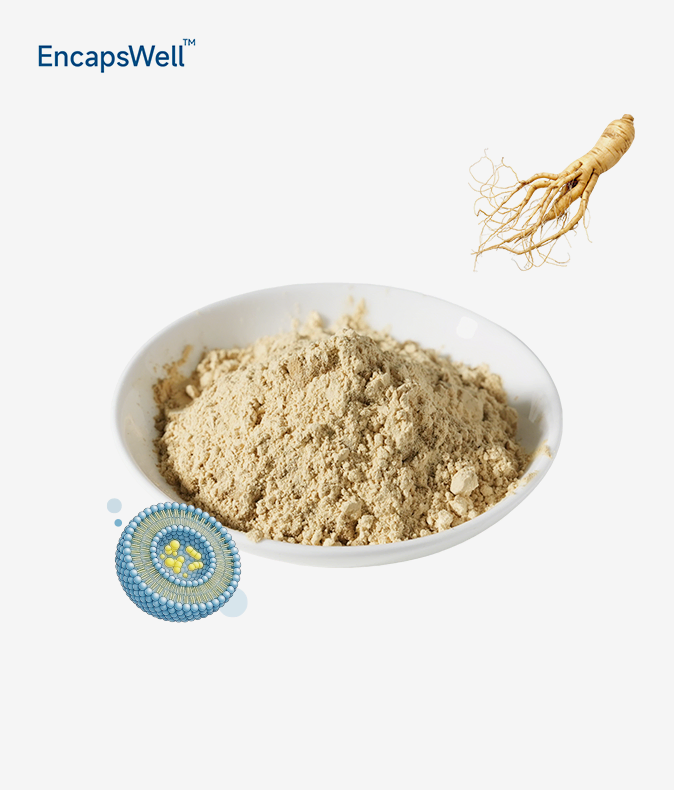
Through our own EncapsWell™ liposomal platform, EmerWell turns health ideas into products that are ready for the market. We are based in San Diego, California, and offer localized technical help, fast sample shipping from our U.S. warehouse, and PhD-led R&D review to make sure your formulations meet the needs of the American market. Our pharmaceutical-grade Liposomal glutathione powder is ≥95% pure and has 13 times better absorption. It comes with a lot of certifications, such as cGMP, ISO 22000, Non-GMO, and Vegan ones. Our OEM/ODM services are flexible enough to meet the needs of a wide range of businesses, whether they need small runs to test new products or mass production up to 2,000 kg per month. We offer a wide range of dosage forms, including powders, pills, capsules, and liquid-ready formulas, so you can get all of your products from one reliable source. Get in touch with us at info@emerwell-bio.com to talk about how our liposomal technology can help your brand stand out in the wellness market.
References
1. Schmitt B, Vicenzi M, Garrel C, Denis FM. Effects of N-acetylcysteine, oral glutathione (GSH) and a novel sublingual form of GSH on oxidative stress markers. PLoS One. 2015;10(3):e0116427.
2. Richie JP, Nichenametla S, Neidig W, et al. Randomized controlled trial of oral glutathione supplementation on body stores of glutathione. European Journal of Nutrition. 2015;54(2):251-263.
3. Allen J, Bradley RD. Effects of oral glutathione supplementation on systemic oxidative stress biomarkers in human volunteers. Journal of Alternative and Complementary Medicine. 2011;17(9):827-833.
4. Sinha R, Sinha I, Calcagnotto A, et al. Oral supplementation with liposomal glutathione elevates body stores of glutathione and markers of immune function. European Journal of Clinical Nutrition. 2018;72(1):105-111.
5. Weschawalit S, Thongthip S, Phutrakool P, Asawanonda P. Glutathione and its antiaging and antimelanogenic effects. Clinical, Cosmetic and Investigational Dermatology. 2017;10:147-153.
6. Lomaestro BM, Malone M. Glutathione in health and disease: pharmacotherapeutic issues. Annals of Pharmacotherapy. 1995;29(12):1263-1273.
Online Message
YOU MAY LIKE
High quality furniture manufacturer
_1776234307158.webp)