Jul 15, 2026
Is Liposomal Vitamin C the Future of Vitamin Supplementation?
The old forms of ascorbic acid weren't very accessible. Taking liposomal vitamin C helped. Liposomal Vitamin C Powder uses phospholipid encapsulation to improve absorption eight times more than regular supplements while still being flexible and durable enough for industrial use. Liposomal formulations could help companies set their products apart by using high-performance ingredients that have been proven to work in science and meet the changing needs of customers for effectiveness and clarity.
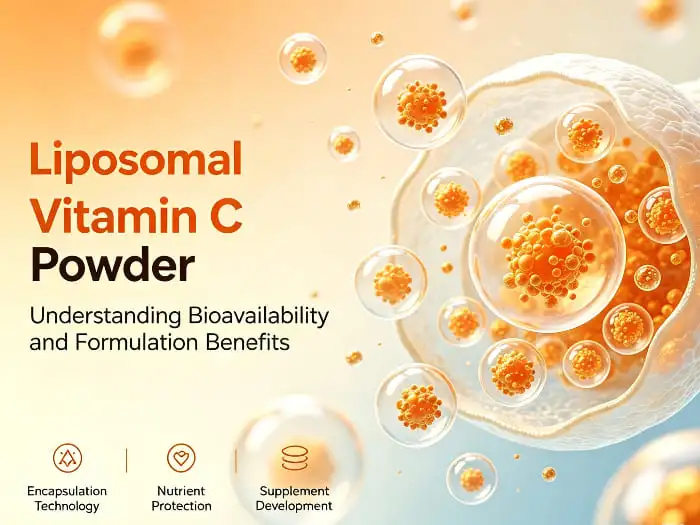
Understanding Liposomal Vitamin C Powder
Liposomes change how vitamin C is absorbed in a big way. Liposomal vitamin C powders have the active vitamin in small phospholipid droplets that look like the membranes of human cells.
The Science Behind Enhanced Absorption
Special proteins in the GI epithelium control how much vitamin C the body can absorb. By getting rid of ascorbic acid, saturation lowers blood levels. Putting liposomes inside them gets rid of this limitation. The phospholipid bilayer around each vitamin C molecule makes it easier for cells to take it in by letting the membranes fuse together instead of transporters being needed for absorption.
Core Structural Advantages
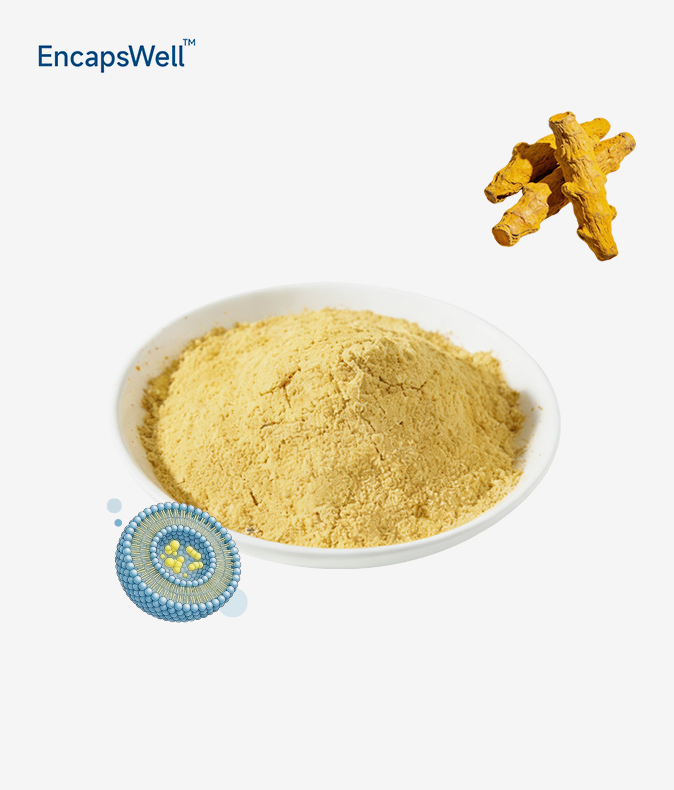
The EncapsWellTM platform makes exact nano-encapsulation possible, which creates particles that are all the same size, between 50 and 200 nanometers. When making a lot of something, consistency is important because differences between batches can affect how stable and effective the method is. Liposomal Vitamin C Powders with a purity level of above 99% and an encapsulation efficiency level of above 90% keep the active ingredient safest during storage and transit through the intestines.
Stability in Various Formats
Modern liposomal vitamin C powders that dissolve in water are a hit with procurement teams. This makes it easy to add to drinks, fizzy mixes, ready-to-mix pouches, and functional foods, where regular ascorbic acid might have problems with pH stability and masking flavors. Lipid encapsulation lowers stomach acidity, but taking vitamin C pills with a lot of vitamin C makes your stomach hurt.
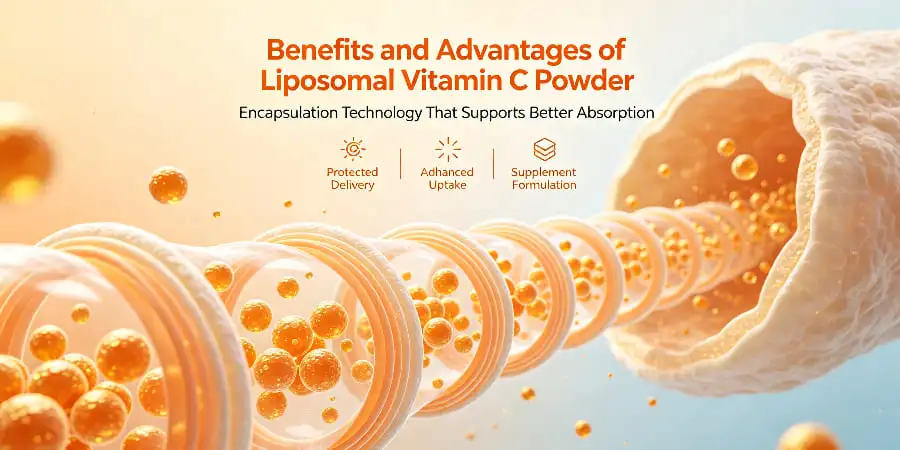
Benefits and Advantages of Liposomal Vitamin C Powder
In addition to improving bioavailability, liposomal administration also helps with the development and marketing of products.
Superior Bioavailability Translates to Formulation Efficiency
Because absorption rates are eight times better than with normal powders, formulators can meet their effectiveness goals with lower doses. Efficiency cuts down on the cost of raw materials and stomach problems, which could make customers less likely to follow through. There is clinical evidence that liposomal supplements keep plasma vitamin C levels higher for longer than regular supplements. This makes the antioxidant and immune system functions better.
Versatility Across Product Categories
Liposomal vitamin C powder is the most versatile ingredient for making products all over the world. Companies that make nutraceuticals can make sachets that help the immune system, and companies that make functional drinks can add liposomal vitamin C powder to wellness shots or powder mixes without changing the taste. There are clear labels for collagen- and phospholipid-based vitamin C delivery systems that say "beauty from the inside out."
One large ingredient can be used to make capsules, tablets, effervescent solutions, and liquids, which simplifies inventory management and allows for more product lines. This gives contract makers the most benefit because one raw material may meet the dosage needs of different clients.
Regulatory and Quality Advantages
Access to global markets requires a lot of skills. Good liposomal substances are fully compliant with cGMP, ISO 9001, ISO 22000, FSSC 22000, HACCP, Halal, Kosher, and the Non-GMO Project and are kosher. With these certifications, businesses can go into countries with strict rules and attract smart customers who care about ingredient transparency and source integrity.
Marketing and regulatory claims are backed up by purity and function testing done by a third party. For brands with complicated distribution networks, stability data collected over 24 months in a variety of storage conditions shows that the formulation is strong.
How to Choose the Best Liposomal Vitamin C Powder for Your Business?
Picking suppliers is more than just meeting standards. Strategic procurement is affected by things like technology, consistent manufacturing, regulatory alignment, and the dependability of the supply chain.
Evaluating Manufacturing Technology and Expertise
Liposome synthesis changes the quality of the product. Microfluidics and high-pressure homogenization make it easier to package things and spread out particles of different sizes. Ask providers about the size of the particles and how well they are encapsulated. TEM pictures of vesicle structural stability can be bought from reputable companies.
PhD-led R&D knows a lot about technology. To make liposomal vitamin C powder, you need good lipid chemistry, colloidal stability, and bioavailability. Research-based providers may be able to help with formulation, stability, and customization when a new product is being made.
Certification Depth and Regulatory Support
Management of quality vs. certificates. Officials from cGMP keep strict records of production and paperwork. For retailers and food service businesses to get FSSC 22000 and ISO 22000 certifications, they need to manage food safety.
Look at the vendors' regulatory help that goes beyond certificates. Analysis certificates, ICH stability reports, and export paperwork help the sourcing and quality teams cut down on paperwork and speed up the time it takes to get products to market.
Supply Chain Reliability and Scalability
Product scaling and getting into new markets rely on how much can be made. If suppliers with 100 metric tonnes of yearly production don't use secondary sourcing, their growth paths may change how uniform their formulations are. Regional storage and quick sample fulfillment can change inventory and development time.
Well-known brands need a steady supply to ship their products all over the country or the world, but smaller businesses can buy good ingredients without keeping them on hand. Lead time, batch scheduling, and clear information about capacity are all signs of maturity.
Purchasing and Supply Chain Insights for Liposomal Vitamin C Powder
Procurement teams can get better prices without sacrificing quality or availability if they know how the market works and how their suppliers are connected.
Identifying Quality Manufacturers and Distributors
Liposomal substances are a field where biotech and nutraceuticals compete. Companies that have their own technology, quality standards, and regulatory records can form strategic relationships with each other. By helping with formulation, OEM and ODM turnkey solutions make it faster to launch a product.
The partner's client portfolio should be part of the review. Contract, nutritional, functional food, and beauty-from-within providers are flexible and know how to work with the market. Because they have experience with regulations and formulations, they offer better technical support.
Pricing Models and Procurement Strategy
Because they are more complicated and don't work as well, liposomal substances cost more than ascorbic acid. The price is based on the number of orders, customizations, the scope of approval, and value-added services. Long-term supply agreements based on demand guarantee both capacity and price.
The best way to buy things is to find a balance between price efficiency, the cost of holding inventory, and the life of the products. When you make a bigger pledge, volume-based tiering lowers the price per unit. Scaling conditions that were negotiated and smaller first orders lower financial risk and make it easier to work with suppliers when a new product comes out.
Storage and Handling Considerations
Good keeping keeps the quality and shelf life of liposomes. Good providers lower the temperature, light, and humidity. Most liposomal vitamin C powders that are sealed and have a moisture barrier can be kept at room temperature. Liquid liposomes should stay cold.
When you buy something, you should think about these things to avoid quality problems and losing money. Suppliers who know how to run their businesses put items in bulk barrels for large production runs or for smaller samples and investigations.
Future Trends and Market Outlook for Liposomal Vitamin C Supplementation
Liposomal supplement technology follows industry trends toward evidence-based formulations, clean ingredients, and customized nutrition.
Clean Label and Transparency Demands
Consumers learn about ingredients, procedures, and additions. Vitamin C, non-GMO phospholipids, and minimal excipients are in clean-label liposomal vitamin C powders. Simple language promotes knowledgeable buyers and pure, successful marketing.
Beyond ingredient panels, supply chain sustainability is clear. Corporate sustainability buyers and clients prioritize ethical sourcing, energy efficiency, and recyclable packaging.
Technological Innovation and Combination Formulations
Studies are being done on liposomal vitamin C powder, zinc, quercetin, elderberry, and glutathione. Complex formulae meet health goals better than single-nutrient solutions, helping them stand out in supplement markets.
Future platforms will co-encapsulate several actives in liposomes. As combination items become popular, suppliers earn early.
Regulatory Evolution and Market Access
Post-pandemic immune health awareness has raised regulatory scrutiny of supplement efficacy claims and customer acceptance of premium, science-backed products. Clinical trials and bioavailability assist lipid formulations meet regulatory and commercial requirements.
Strategic suppliers update significant market rule formulations and papers. This proactive approach protects clients from market shocks and reformulation costs.
Conclusion
The bioavailability, stability, and formulation flexibility of liposomal vitamin C powder technology increase supplement formulation. Liposomal delivery is required for next-generation supplement portfolios' rigorous manufacturing, regulatory, and clinical efficacy. Recognizing these benefits and collaborating with technologically advanced suppliers lets procurement directors adjust product offers to market expectations. Liposomal excellence in vitamin C supplementation in nutraceuticals, functional foods, and beauty-from-within is the new standard for cellular absorption and consumer compliance.
FAQ
What makes liposomal vitamin C different from regular vitamin C supplements?
Liposomes improve cellular absorption and retain ascorbic acid after digestion with phospholipid vesicles. Overcoming transporter-dependent supplement constraints boosts bioavailability eight times over powders.
Can liposomal vitamin C powder be used in beverage formulations?
Advanced liposomal vitamin C powders are specifically engineered for water solubility and stability across various pH ranges, making them suitable for beverages, effervescent solutions, and functional drinks. The encapsulation buffers acidity, improving taste profiles while maintaining nutrient stability throughout product shelf life.
What certifications should quality liposomal ingredients carry?
cGMP, ISO 9001, ISO 22000, FSSC 22000, HACCP, Halal, Kosher, Non-GMO and vegan certifications address production quality, consumer preferences, and market access. Third-party purity and bioavailability testing are affirmed.
How does liposomal technology impact dosage requirements?
Due to increased absorption, formulators can achieve therapeutic goals with lower dosages than traditional supplements. When raw material prices and high-dose conventional vitamin C's gastrointestinal side effects drop, user happiness rises.
Partner with EmerWell: Your Trusted Liposomal Vitamin C Powder Supplier
EmerWell provides pharmaceutical-grade liposomal encapsulation utilizing EncapsWell™ technology, invented in San Diego and produced in scalable cGMP facilities. Our Liposomal Vitamin C Powder has 8x bioavailability, ≥99% purity, ISO 22000, HACCP, non-GMO, and vegan certifications, unlike typical formulas. With scientific accuracy and manufacturing consistency, our PhD-led technical team provides bulk ingredients for large-scale production, bespoke formulation development, or flexible OEM/ODM solutions for capsules, tablets, drinks, and ready-to-mix forms. Fast sample logistics from regional warehouses, US customer service, and regulatory file analysis. Ask info@emerwell-bio.com how an expert liposomal vitamin C powder producer can increase your product line with scientifically proven, market-ready formulas.
References
1. Davis, J.L., Paris, H.L., Beals, J.W., et al. (2016). "Liposomal-encapsulated Ascorbic Acid: Influence on Vitamin C Bioavailability and Capacity to Protect Against Ischemia-Reperfusion Injury." Nutrition and Metabolic Insights, 9:25-30.
2. Hickey, S., Roberts, H.J., and Miller, N.J. (2008). "Pharmacokinetics of Oral Vitamin C." Journal of Nutritional & Environmental Medicine, 17(3):169-177.
3. Gopi, S. and Balakrishnan, P. (2021). "Evaluation and Clinical Comparison Studies on Liposomal and Non-Liposomal Ascorbic Acid (Vitamin C) and Their Enhanced Bioavailability." Journal of Liposome Research, 31(4):356-364.
4. Łukawski, M., Dałek, P., Borowik, T., et al. (2020). "New Oral Liposomal Vitamin C Formulation: Properties and Bioavailability." Journal of Liposome Research, 30(3):227-234.
5. Chambial, S., Dwivedi, S., Shukla, K.K., et al. (2013). "Vitamin C in Disease Prevention and Cure: An Overview." Indian Journal of Clinical Biochemistry, 28(4):314-328.
6. Carr, A.C. and Maggini, S. (2017). "Vitamin C and Immune Function." Nutrients, 9(11):1211.
Online Message
YOU MAY LIKE
High quality furniture manufacturer
_1776234307158.webp)