Aug 26, 2026
How to Evaluate the Purity of Liposomal Omega-3 Powder Before Buying
Before purchasing liposomal Omega-3 powder, check for Certificates of Analysis to verify their purity and concentration of EPA/DHA, oxidative stability markers (peroxide and anisidine values), contaminant screenings for heavy metals and PCBs, as well as third-party certifications such as cGMP and ISO 22000. Procurement professionals need to need comprehensive evidence on encapsulation efficiency, consistency of particle size and traceability of raw materials. Analytical claims are validated by sample testing, supplier audits and trial runs to make sure the component satisfies formulation requirements for bioavailability, stability and regulatory compliance in nutraceutical, functional food and nutricosmetic applications.
Understanding the Importance of Purity in Liposomal Omega-3 Powder
The liposomal packing method is a huge step forward in the delivery of omega 3s. This biomimetic approach encapsulates EPA and DHA in phospholipid bilayers that mimic natural cell membranes. Not like the typical fish oil tablets or liquid concentrates. When omega-3 is delivered via liposomes, researchers showed absorption may be enhanced up to three times compared to other forms. This is the reason why bioavailability is among the most critical considerations for formulators when they are developing high-performance products.
This higher absorption potential is directly affected by how pure something is. Omega-3 molecules that are contaminated or broken down make it harder for cells to take them in and may pose poisoning risks. Oxidation byproducts, heavy metal residues, and the wrong kind of emulsifiers make products less effective and make it harder to follow the rules. In competitive markets, purity verification protects both the safety of end users and the brand's image for making supplements for brain health, cardiovascular health, or baby nutrition.
Why Purity Matters Beyond Basic Specifications
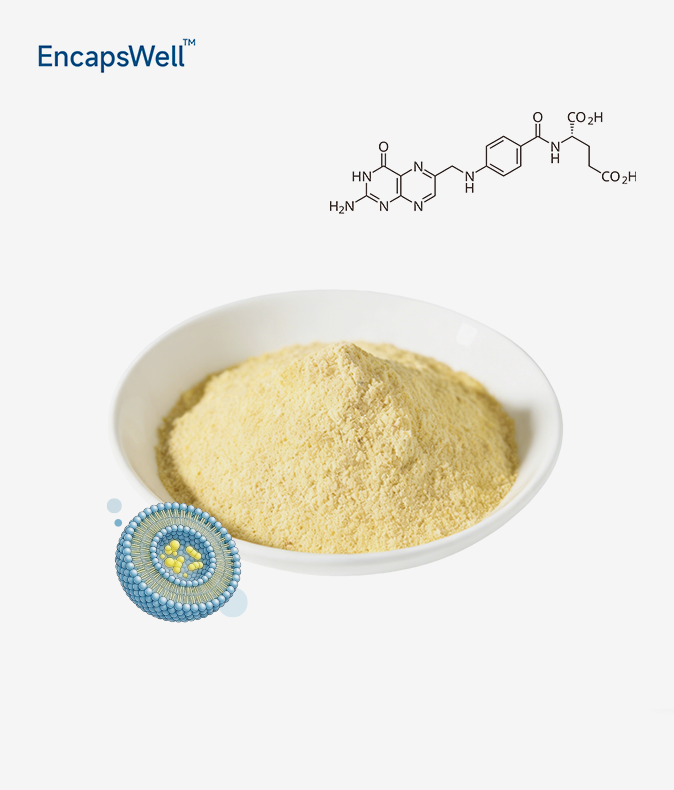
The encapsulation process can introduce variables that change the quality of the final product. Oxidative stability and bacteria load are affected by the sources of phospholipids, the settings in which they are made, and the way they are stored. Off-white to light yellow should stay the same across batches; changes in color often mean that the product is getting worse or is contaminated. For water-dispersible formulations to work, they need to make stable suspensions where the oil doesn't separate. This means that both the omega-3 core and the phospholipid shell need to be very pure. Because of these specialized requirements, suppliers must be carefully evaluated in more depth than just meeting the basic requirements.
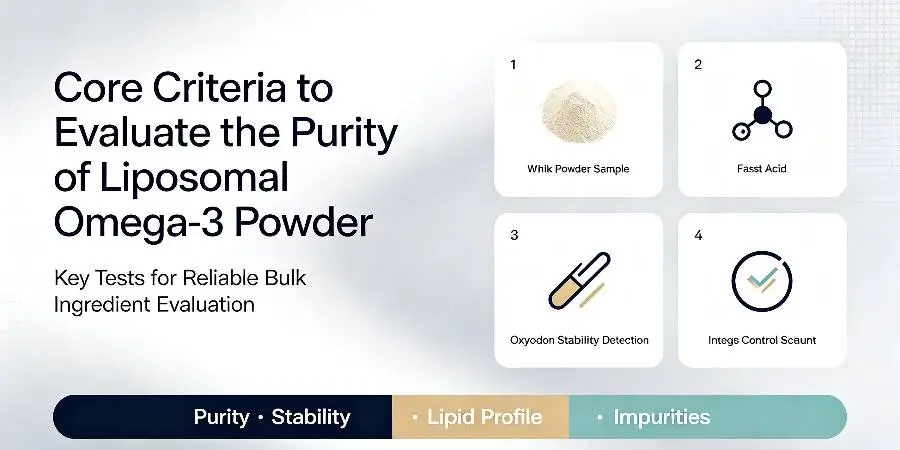
Core Criteria to Evaluate the Purity of Liposomal Omega-3 Powder
To objectively judge the quality of ingredients, procurement teams need clear analytical benchmarks. Certificates of Analysis are the best way to make sure something is real, but knowing what to look for turns raw data into useful procurement intelligence.
EPA and DHA Concentration Accuracy
Standard liposomal formulations usually have amounts between 10% and 25%. For example, DHA is usually 10% and EPA is usually 5%. These concentrations should be proven by analytical testing within a ±5% range. Gas chromatography with flame ionization detection is a reliable way to profile fatty acids. It can tell the difference between EPA, DHA, and other omega-3 types and find fillers or adulterants that falsely raise total omega-3 counts.
Oxidative Stability Markers
The most important sign of oxidative durability is the peroxide number. High-purity liposomal formulations keep POV below 2 meq/kg, which is a lot less than traditional fish oil powders, which usually have more than 5 meq/kg. The isidine value measures secondary oxidation products, and the real freshness profile can be seen when both of them are added together. When multi-layer phospholipid protection is used in advanced products, they show great resistance to damage even when exposed to light, high temperatures, and moisture.
Analytical Testing Methods and Their Significance
Dynamic light scattering measures particle size distribution, and HPLC chromatography finds the phospholipid makeup and makes sure the coating is intact. Bioavailability and product effectiveness are always the same when nanoparticles are uniform between 50 and 200 nanometers. Mass spectrometry can find tiny amounts of contaminants that other methods might miss. This gives complete purity assurance for delicate uses like medical nutrition products or infant nutrition products where safety margins are essential, making liposomal Omega-3 powder a reliable choice for these applications.
Manufacturing Quality Certifications
When a factory gets cGMP approval, it means that they follow strict quality control rules during the whole producing process. Kosher and Halal certifications make it easier to sell your products in more markets, while ISO 22000 and HACCP certifications show that you manage food safety in a planned way. Specialized contaminant screening methods make sure that strict pediatric safety standards are met for baby feeding uses. These standards include very low heavy metal limits and microbial controls.
Supply Chain Transparency and Traceability
Reliable suppliers give full records of how the raw materials got from marine sources to being extracted, cleaned, and put into capsules. This includes processing records for each batch, non-GMO verification for phospholipids, and third-party sustainability certifications for fish oil sources. Transparency lets you figure out the risks and shows that the seller cares about quality above and beyond what the law requires. This method is shown by the EncapsWellTM platform, which achieves encapsulation efficiency levels higher than 85% by following strict manufacturing guidelines that are recorded at each stage of production.
Common Impurities and How They Affect Liposomal Omega-3 Powder Quality
Knowing where pollution comes from helps procurement workers spot red flags when evaluating suppliers and set up the right testing procedures for raw materials that come in.
Oxidation-Driven Degradation
Omega-3 fatty acids are easily oxidized, which can cause bad smells, tastes, and chemicals that could be dangerous to you. Oxidized lipids make free radicals that work against the anti-inflammatory effects that people expect from omega-3 supplements. Values of peroxide higher than 2 meq/kg mean that the food wasn't properly protected while it was being processed or stored. Proper liposomal structures provide multiple layers of defense, greatly increasing shelf life even at room temperature while keeping potency from production to use by consumers.
Heavy Metals and Environmental Contaminants
Omega-3 ingredients that come from marine sources might have mercury, lead, cadmium, arsenic, PCBs, and dioxins that have built up in oceanic food chains. Different places have different rules about what is allowed, but good suppliers follow stricter rules than just the bare minimum. Lead levels should stay below 0.5 ppm, and the whole range of contaminants should be thoroughly screened for. When compared to activities in industrial zones with bad air quality controls, manufacturing sites in controlled environments pose less of a threat to environmental contamination, which is especially important for liposomal Omega-3 powder production.
Microbial Contamination Risks
Total plate counts above 1000 cfu/g show that production or packing was not clean enough. Liposomal formulations with phospholipids make conditions that are rich in nutrients that can help microbes grow if the pH and water activity aren't controlled properly. Pathogenic microbes, such as Salmonella, E. All finished goods must test negative for E. coli and Staphylococcus aureus. Better methods for checking for microbes give brands that are aimed at people with weak immune systems or babies extra safety.
Adulterants and Quality-Reducing Additives
Some sellers use too many fillers, low-quality emulsifiers, or artificial antioxidants to cut costs while keeping the product's look acceptable. These additives might get in the way of bioavailability, change the way something tastes, or cause allergic reactions in people who are sensitive. Formulations with clean labels that only use important ingredients like omega-3 concentrate, high-quality phospholipids, and few natural antioxidants work better without hurting the purity of the product or the trust of consumers.
How to Source High-Purity Liposomal Omega-3 Powder: Best Practices for B2B Buyers
Systematic review of suppliers and actual verification steps before agreeing to large-scale purchases are needed for successful procurement.
Supplier Reputation and Track Record Assessment
Look at a potential partner's reputation in the industry, customer reviews, and history of following the rules. Suppliers who have long-term ties in the nutrition, functional food, and nutricosmetic industries have shown they can meet a wide range of product needs. Companies that do business in well-known places like the US benefit from strict FDA oversight and a culture of quality awareness that leads to consistently great products. This benefit is best shown by EmerWell's operations in San Diego, which combine American quality standards with local technology help and easier logistics.
Sample Testing and Pilot Production Validation
Ask for analytical data packages to be sent with samples. These should include CoA documentation, particle size distribution analysis, and results from stability testing. Third-party tests should be done to confirm what the seller says, with a focus on EPA/DHA levels, oxidative markers, and contaminant screening. Pilot production runs show how the ingredient works in your unique formulation matrix. They check things like how well it masks tastes, how stable the suspension is, and how well it works with other actives. This step-by-step method lowers the risk before committing to large purchases.
Negotiating Quality Assurance Terms
The terms of the contract should spell out accepted ranges for key quality factors of liposomal Omega-3 powder, standards for consistency from batch to batch, and procedures for dealing with materials that don't meet the specifications. Include rules for supplier audits, access to documentation, and regular checks on the product's stability throughout its lifecycle. Talk about the availability of expert help, especially for fixing problems with formulation or increasing production numbers. Suppliers with research teams run by PhDs can give useful information that speeds up product development and cuts down on the cost of repeated reformulation cycles.
Post-Purchase Support and Long-Term Partnership
Quality relationships go beyond the first transaction. Check with providers to see how quickly they respond to quality problems, how willing they are to help you change the recipe, and how much they can produce as your business grows. When compared to direct imports from overseas makers, local warehousing in the US cuts down on wait times and makes regulatory paperwork easier. With technical help from labs in the United States, new problems can be solved quickly, production schedules can be kept, and market commitments can be kept.
Case Study: Successful Evaluation and Procurement of Liposomal Omega-3 Powder
A medium-sized supplement company making a high-end line of brain health products needed a Liposomal Omega-3 powder that met strict quality standards and had no taste for use in chewable tablets. The buying team set goals that included encapsulation efficiency above 85%, POV below 2 meq/kg, heavy metal amounts well below legal limits, and uniform particle size to support consistent absorption.
A structured method was used to analyze three possible suppliers by the team. One candidate was thrown out because they didn't have enough stability data or the right certifications. Tests of samples from the other sources showed big differences in how well they did. Even though both passed basic purity standards, only one showed the high level of oxidative stability and taste covering needed for the chewable form.
Pilot production tests showed that the ingredient from the chosen supplier worked well with the rest of the ingredients and kept the suspension stable for the desired shelf life, without separating or giving the product an off taste. A third-party lab checked and confirmed the supplier's scientific data, which gave people more faith in the quality's ongoing stability. The procurement team negotiated terms for quality assurance that include sampling batches every three months, audits of the facility once a year, and priority technical support.
After two years of working together, the brand has had no quality issues with the omega-3 ingredient. Consistency from batch to batch has made it possible to plan output more accurately, and the supplier's desire to offer technical advice has made it possible to expand the line to include liquid and powder forms. This success shows that careful testing for purity and choosing a strategic supplier can bring long-term benefits that go far beyond initial cost concerns.
Conclusion
It takes both technical know-how and practical purchasing tactics to figure out how pure liposomal Omega-3 powder ingredients are. The quality of the product and the image of the brand are kept safe by analytical proof such as COA review, independent testing, and pilot production validation. Understanding common flaws and how they affect things lets you evaluate risk in a smart way, and systematically evaluating suppliers makes sure that you can work with them for a long time.
Liposomal formulations have special needs, like particles that are uniform, don't oxidize easily, and are encapsulated very well. To meet these needs, suppliers must have advanced manufacturing skills and a strong commitment to quality. People who work in procurement take the time to carefully evaluate ingredients to make sure they meet regulatory standards and deliver on bioavailability claims in a wide range of uses, from baby nutrition to nutricosmetics.
FAQ
1. What analytical tests confirm liposomal omega-3 powder purity?
Gas chromatography accurately measures EPA and DHA levels, and peroxide and anisidine values check for oxidative stability. ICP-MS (inductively coupled plasma mass spectrometry) checks for heavy metals and contaminants, and dynamic light scattering makes sure that the particle sizes are all the same. To make sure the encapsulation is still intact, full certificates of analysis should include tests for microbes, moisture levels, and phospholipid composition.
2. How do liposomal formulations compare to standard fish oil for safety?
High-quality liposomal powders are safer because they are purified more during production and are encased in a protected layer that stops oxidation. Heavy metal levels are usually lower than in regular fish oils, and the lack of a liquid oil phase means there are no rancidity risks during storage. When it comes to omega-3 supplements, products that meet baby nutrition standards have the best safety margins.
3. Which certifications indicate trusted liposomal omega-3 suppliers?
For manufacturing quality systems, look for cGMP certification. For food safety management, look for ISO 22000 certification. For danger analysis methods, look for HACCP certification. Kosher and Halal licenses show that there is more control of quality and help businesses reach more customers. Infant feeding compliance and third-party toxin testing certificates give you more peace of mind for certain uses. Suppliers who have more than one foreign approval usually have higher quality standards than those who only meet the minimum requirements set by regulators.
Partner with EmerWell for Premium Liposomal Omega-3 Powder
EmerWell's operations are based in San Diego, and our proprietary EncapsWellTM platform helps procurement teams find a trusted Liposomal Omega-3 powder provider. Our PhD-led research team achieves capsule efficiency of over 85%, with the best particle size consistency and oxidative stability in the business. We keep stock locally so that we can take quick samples, and we offer technical support through our dedicated U.S. laboratory. This way, we don't have to deal with the communication problems and quality concerns that come with buying from other countries.
Our cGMP, ISO 22000, HACCP, Kosher, and Halal licenses, along with our baby nutrition-grade purity standards, make us a reliable partner for brands that expect the highest quality. We offer flexible MOQ options and OEM/ODM services that shorten the time it takes to get your products to market, whether you're making cognitive health supplements, functional drinks, or nutricosmetic formulations. You can email us at info@emerwell-bio.com to ask for analytical documentation, set up sample shipping, or talk about custom formulation solutions that are made to fit the needs of your product.
References
1. Raatz, S. K., Redmon, J. B., Wimmergren, N., Donadio, J. V., & Bibus, D. M. (2009). Enhanced absorption of omega-3 fatty acids from emulsified compared with encapsulated fish oil. Journal of the American Dietetic Association, 109(6), 1076-1081.
2. Galli, C., & Risé, P. (2009). Fish consumption, omega-3 fatty acids and cardiovascular disease: The science and the clinical trials. Nutrition and Health, 20(1), 11-20.
3. Arab-Tehrany, E., Jacquot, M., Gaiani, C., Imran, M., Desobry, S., & Linder, M. (2012). Liposome: A review of manufacturing techniques and targeting strategies. Current Nanoscience, 8(3), 439-468.
4. Ismail, A., Bannenberg, G., Rice, H. B., Schutt, E., & MacKay, D. (2016). Oxidation in EPA- and DHA-rich oils: An overview. Lipid Technology, 28(3-4), 55-59.
5. Akoh, C. C., & Min, D. B. (2008). Food Lipids: Chemistry, Nutrition, and Biotechnology (Third Edition). CRC Press, Boca Raton, Florida.
6. McClements, D. J. (2015). Encapsulation, protection, and delivery of bioactive proteins and peptides using nanoparticle and microparticle systems: A review. Advances in Colloid and Interface Science, 253, 1-22.
Online Message
YOU MAY LIKE
High quality furniture manufacturer
_1776234307158.webp)