Jul 3, 2026
How to Choose the Best Liposomal Vitamin C Powder for Energy?
Selecting the right liposomal vitamin C powder for energy formulations requires balancing bioavailability, purity, and manufacturing scalability. Liposomal encapsulation technology wraps ascorbic acid in phospholipid bilayers, protecting it through digestion and delivering it directly into cells—achieving up to 8× higher absorption than standard forms. For B2B buyers developing energy supplements, functional beverages, or nutricosmetics, this translates to more effective formulations, stronger consumer outcomes, and enhanced product differentiation in competitive markets.
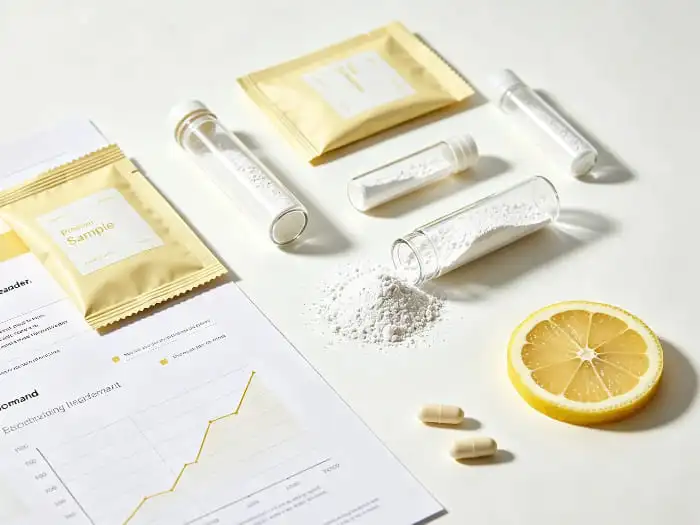
Understanding Liposomal Vitamin C Powder and Its Benefits for Energy
Liposomal transport methods change the way that cells get vitamin C. Ascorbic acid that is normally taken in breaks down quickly in the gut, and only about 20% of it is absorbed. Liposome forms change this by looking like the membranes of cells. This lets vitamin C get through stomach hurdles and into the bloodstream without any problems.
Why Bioavailability Matters for Energy Formulations
Cellular energy production rests on how well mitochondria work, and vitamin C is an important part of making carnitine, which is needed to get fatty acids into mitochondria so they can be turned into energy. Better solubility means that more vitamin C gets to the mitochondria, which helps with long-term energy rather than short-term boost. A study in the Journal of Nutritional Biochemistry showed that liposomal vitamin C powder kept plasma amounts 1.5 times longer than regular doses. This meant that it provided longer-lasting antioxidant protection during oxidative stress.
Functional Benefits for B2B Product Development
The flexibility of liposomal vitamin C powder is useful for procurement workers who are making energy-focused nutraceuticals. It helps the immune system during times of high stress, fights free radicals that make you tired after exercise, and speeds up the healing process by increasing collagen production. For companies that make functional drinks, water-dispersible liposomal powders can be easily added to ready-to-drink mixes without changing the taste or safety. This is a big plus over regular ascorbic acid, which can make drinks taste sour or break down when heated.
Regulatory and Safety Considerations
Our EncapsWell™ liposomal vitamin C powder stays more than 99% pure, as shown by tests done by a third party. This clean-label description is in line with FDA GRAS status and EFSA Novel Food rules, so your products will always meet international standards. Safety data shows compatibility across a wide range of populations, including children and pregnant women, when dosed correctly. This is an important factor for brands that want to target the maternity nutrition or family health segments.
Core Criteria to Evaluate When Choosing Liposomal Vitamin C Powder
Buying choices are based on three things: the quality of the ingredients, how well they absorb, and the level of approval. Each factor has a direct effect on how well the recipe works and how easy it is to get into the market.
Purity and Sourcing Standards
Pharmaceutical-grade ascorbic acid (≥99% purity) and phospholipids from ethical sources, usually sunflower or soy lecithin, are the building blocks of good liposomal vitamin C powder formulas. Our manufacturing partner, Wellgreen, makes sure that every batch of raw materials comes from certified sources and includes Certificates of Analysis (CoA) that show the amount of heavy metals, microbes, and solvent residues. Non-GMO Project Verification and Vegan approvals help you reach a bigger market, especially in North America and Europe where people care a lot about clean labels.
Encapsulation Efficiency and Particle Size Control
Nanoscale accuracy is important. Liposomal particles, which are about 100 to 300 nanometers long, help cells take in things better without setting off defensive reactions. With microfluidics and high-pressure homogenization, particles are spread out evenly, and the difference between batches is less than 2%. This consistency stops formulation fails during scaling, which happens a lot when going from test runs to mass production. To check if a seller is telling the truth, ask for particle size distribution reports (PSD) and encapsulation success data (usually 85–95%).
Absorption Rates and Dosing Flexibility
Depending on the audience, energy formulas that work need between 500 mg and 1000 mg of liposomal vitamin C powder per dose. Athletes who have just finished a hard workout may need bigger amounts, but normal levels work well in wellness drinks for daily immune support. Our EncapsWell™ platform lets you change the dose in different forms, like powders for stick packs, liquids for shots, or pills for ease of use. This way, you can adapt delivery to meet the needs of your customers without having to go through the trouble of reformulating.
Compliance with Global Quality Frameworks
Check sources for more than just basic certifications. Pay close attention to whether they follow cGMP (current Good Manufacturing Practices), ISO 22000 (food safety management), and HACCP (hazard analysis procedures). From getting the raw materials to the finished packaging, these systems make sure that they can be tracked. Our team in San Diego helps with local regulations, such as giving advice on FDA NDI (New Dietary Ingredients) and shipping paperwork for places like Brazil (ANVISA) and the Middle East (Halal approval).
Comparing Liposomal Vitamin C Powder with Other Forms: What B2B Buyers Should Know
Format choice affects everything, from how much it costs to make to how people feel about it. Knowing the pros and cons of powders, pills, and liquid liposomes helps you make better purchases.
Liposomal Powder vs. Capsules and Liquids
Liposomal vitamin C powder gives contract makers who are making private-label goods more options. They can be put into effervescent pills, ready-to-mix packs, or chews without having to go through the step of encapsulation that is needed for hard or soft capsules. This cuts production time by 30%. It is easy to take liquid liposomal vitamin C directly from the bottle, but it can be unstable when shipped and stored, especially in warm places. Our water-soluble powder solution stays more than 95% effective for 24 months at room temperature, which is better than many liquid competitors.
Liposomal Technology vs. Traditional Ascorbic Acid
Standard vitamin C pills depend on passive diffusion, which stops working after about 200 mg of the dose and the extra vitamin C is flushed out of the body. By using active transport processes, liposomal vitamin C can reach saturation values that are closer to 1,000 mg. This makes the ingredients cheaper per effective amount, which makes up for the fact that liposomal powders cost more up front. When companies sell high-end energy solutions, being able to say "clinically validated absorption" supports their higher prices and builds trust with customers.
Evaluating Supplier Reputation and Credentials
Longevity of the brand and openness about how the products are made separate trustworthy partners from dishonest ones. Check out providers by looking at third-party checks (like NSF or Informed-Sport certifications), stability studies that have already been published, and customer reviews from well-known supplement brands. Our relationship with Wellgreen, a center that can handle more than 100,000 metric tons of goods a year, protects the supply chain during times of high demand, which is very important for OEM/ODM clients who are launching seasonal products.
Procurement Tips: How to Source High-Quality Liposomal Vitamin C Powder Efficiently
Strategic buying finds a balance between quality, cost, and the dependability of logistics. Using structured buying methods lowers risks and gets the best total cost of ownership.
Identifying Trusted Supply Channels
Direct ties with manufacturers cut out markups for middlemen and give you access to technical help. Businesses that need smaller quantities or faster shipping work with distributors, but the prices are usually 15–25% higher. Online B2B markets like Alibaba are convenient, but you need to do a lot of research before you buy from them. Ask for samples, independent lab tests, and audits of the production site. With local storage, our EmerWell team in San Diego speeds up this process and makes it possible for quick sample delivery and in-person talks.
Negotiating Bulk Pricing and Contract Terms
With volume agreements, tiered pricing systems can be used. People who buy more than 500 kg a year can get 10–20% savings, longer payment terms (Net 60), and first choice for production schedule. Make sure you know the minimum order quantity (MOQ) ahead of time. Trial orders as low as 25 kg can be accepted by flexible suppliers, which is important for brands that are trying new formulas. Prices for liposomal vitamin C powder can be locked in through yearly agreements that review prices every three months based on raw material indices. This protects against changes in the market.
Managing Logistics and Inventory
Lead times for unique formulations are between 4 and 8 weeks, based on the production queue and the standards for approval. Set aside 60–90 days of inventory in case shipping takes longer than expected, especially for foreign sales that need to go through customs checks. Our San Diego site offers just-in-time delivery to customers on the West Coast, which cuts down on the cost of storage. Use batch-coding systems to keep track of how long your products will last on the shelf and to change your stock quickly, so your products work their best at retail.
Making the Final Decision: Matching Product Choice to Business Needs
Formulations meet both technical performance and market positioning goals when ingredient specs are in line with target uses.
Segmenting by Application Category
Energy supplement companies focus on high-dose forms (1,000 mg per serving) that look good on the label. They often mix liposomal vitamin C powder with adaptogens like rhodiola or B-vitamins to make the benefits stronger. Companies that make functional drinks need powders that can dissolve in water and stay stable in neutral pH settings (2.5–4.0), keeping the drinks clear without forming crystals. Beauty-from-within brands focus on collagen co-formulation. For anti-aging positioning, our EncapsWell™ platform allows unique blends with marine collagen peptides, hyaluronic acid, or CoQ10.
Evaluating Supplier Performance Metrics
Real-time help is part of quality testing, not just certifications. Check to see if providers can answer technical questions quickly (under 24 hours is ideal), if they are willing to work with you to create new formulations, and if they can provide marketing materials like white papers or effectiveness studies. Scalability is important for brands that want to grow. Make sure that your sources can boost production by 50–100% a year without lowering quality. Our PhD-led research and development team works together to improve the recipe and ensure the stability of liposomal vitamin C under your specific packaging conditions, rigorously testing for oxidation and encapsulation integrity.
Building Long-Term Strategic Partnerships
The supply line is weak because of transactional ties. Strategic partners put money into your success by giving you advice on regulations, co-branding chances, and exclusive marketing deals in new markets. Every three months, business reviews look at quality trends, predict demand, and make sure that innovation roadmaps are in sync. Our EmerWell relationship model includes specialized account management, localized goods in the U.S., and clear contact across time zones. These features help B2B buyers who are buying abroad with common problems.
Conclusion
To pick the best liposomal vitamin C powder for energy recipes, you need to look at its bioavailability, safety, certifications, and the supplier's abilities. Advanced encapsulation technologies, such as EncapsWell™, offer measured absorption benefits that lead to better product performance and happier customers. Procurement pros get ingredients that support innovation, regulatory compliance, and market difference by putting cGMP compliance, flexible customization, and strategic supplier relationships at the top of their list of priorities. That's not all a good partner does; they become an extension of your research and development team, speeding up the time it takes to get a product to market and giving you a long-term edge over your competitors.
FAQ
1. Is liposomal vitamin C safe for pregnant women and children?
Yes, liposomal vitamin C is usually thought to be safe for people of all ages when taken in the right amounts. Our formulas meet FDA GRAS standards and don't have any man-made ingredients in them. Women who are pregnant usually need 85 mg a day, and kids ages 4 to 8 need 25 mg. Our flexible dosing allows for specific formulas for these groups. Always tell people to talk to their doctors before taking any new vitamins, especially if they are pregnant.
2. What's the optimal time to consume vitamin C for energy benefits?
Vitamin C helps your body absorb iron from breakfast foods and keeps cortisol levels stable during times of high stress. Eating it in the morning gives you the most energy support throughout the day. Pre-workout doses (30–60 minutes before exercise) can help athletes lower reactive stress during exercise. Unlike regular vitamin C, which peaks in two hours, sustained-release liposomal versions keep plasma levels steady for eight to twelve hours.
3. How does liposomal absorption compare to intravenous vitamin C?
Liposomal delivery gets 70–90% of the bioavailability of intravenous delivery at a much lower cost and without the need for professional monitoring. While giving something through an IV causes 100% absorption right away, liposomal versions are better for consumer goods because they are easier to use, can be scaled up, and are easier to regulate. This makes them perfect for nutraceutical uses instead of clinical treatments.
Partner with EmerWell: Your Trusted Liposomal Vitamin C Powder Supplier
EmerWell is an expert in providing cGMP-approved liposomal vitamin C powder that changes the way your energy mixes work by making them more bioavailable and stable. Our EncapsWell™ platform lets you make any changes you want. For example, you can mix it with active ingredients that work well together, like zinc or quercetin, or you can make ready-to-sell forms like fizzy pills, sweets, and drink powders. With Wellgreen's 100+ metric ton production capacity and regional support in San Diego, we can quickly meet samples, give regulatory advice, and make sure that all CoA paperwork is clear. Get in touch with us at info@emerwell-bio.com to talk about your next product launch with a maker of liposomal vitamin C powder who is dedicated to your success.
References
1. Carr, A.C., & Maggini, S. (2017). Vitamin C and immune function. Nutrients, 9(11), 1211.
2. Davis, J.L., Paris, H.L., Beals, J.W., et al. (2016). Liposomal-encapsulated ascorbic acid: Influence on vitamin C bioavailability and capacity to protect against ischemia-reperfusion injury. Nutrition and Metabolic Insights, 9, 25-30.
3. Lykkesfeldt, J., & Tveden-Nyborg, P. (2019). The pharmacokinetics of vitamin C. Nutrients, 11(10), 2412.
4. Institute of Medicine. (2000). Dietary Reference Intakes for Vitamin C, Vitamin E, Selenium, and Carotenoids. Washington, DC: National Academies Press.
5. Padayatty, S.J., Sun, H., Wang, Y., et al. (2004). Vitamin C pharmacokinetics: Implications for oral and intravenous use. Annals of Internal Medicine, 140(7), 533-537.
6. Grosso, G., Bei, R., Mistretta, A., et al. (2013). Effects of vitamin C on health: A review of evidence. Frontiers in Bioscience, 18, 1017-1029.
Online Message
YOU MAY LIKE
High quality furniture manufacturer