

Sep 4, 2026
How to Choose a Reliable Liposomal NAD+ powder Supplier?
Choosing a reliable supplier for liposomal NAD+ powder hinges on verifying manufacturing certifications, bioavailability data, and supply chain transparency. The ideal partner offers third-party testing, flexible customization, and robust regulatory documentation to ensure your formulations meet market demands. This comprehensive guide walks you through the critical evaluation criteria that distinguish reputable suppliers from unreliable vendors, helping you secure a partnership that supports product efficacy and business growth.
Understanding the Procurement Challenges of Liposomal NAD+ Powder
Finding high-quality NAD+ formulations with modern delivery methods can be hard, which could affect the success of your product. Because liposomal capsule technology is so specific, not all suppliers have the technical know-how or facilities to make batches that are always the same.
Quality Variations Across the Supply Chain
There is a big difference in the purity levels and encapsulation effectiveness of NAD+ chemicals sold around the world. Some providers say they offer liposomal delivery without properly characterizing the nanoparticles. This makes goods that act more like physical mixtures than real liposomal formulations. Bioavailability is a key selling point for your goods, and particle size variation has a direct effect on it. When you compare suppliers, you'll find that encapsulation efficiency rates range from 60% to over 90%. This has big effects on how well the product works and how happy the customers are.
Regulatory Complexity in International Trade
Different markets have different rules about what ingredients can be in supplements. The US Food and Drug Administration (FDA) wants companies to follow cGMP standards, and European markets want companies to follow EFSA rules and Novel Food laws. To avoid customs delays or problems with getting to the market, your supplier must be able to easily handle these systems. Documentation problems, like not having enough stability data, missing Certificates of Analysis, or heavy metal testing that isn't thorough enough, can slow down your production schedule and make customers less trusting.
Manufacturing Scalability and Customization Constraints
Many suppliers are great at making small batches, but they have trouble when orders get big enough to be commercial quantities. This limitation becomes clear when your brand becomes popular and needs a steady supply of larger amounts. In the same way, rigid formulation choices make it harder to make your goods stand out by using custom mixes, dosage forms, or other delivery methods that your target market wants.
Key Criteria to Evaluate When Choosing a Liposomal NAD+ Powder Supplier
Systematically evaluating possible partners saves your investment and sets up your goods to do well in the market. The following criteria can be used to tell the difference between suppliers who are capable and those who are missing key skills.
Certification Depth and Third-Party Validation
Suppliers who are trustworthy keep a full range of certifications that show they care about quality and safety. In addition to basic business licenses, you should also check for ISO 22000, FSSC 22000, HACCP, and cGMP compliance for each facility. Instead of random testing, these licenses show that quality management is done in a planned way. Independent labs' third-party verification shows that the claimed specs match the real product qualities.
Ask for recent test results that show the purity of the NAD+ content (ideally ≥98%), the particle size distribution using Dynamic Light Scattering, the encapsulation efficiency readings, and heavy metal screening for cadmium, lead, arsenic, and mercury. When suppliers are sure of their quality, they provide this paperwork openly instead of negatively.
Technical Expertise and R&D Capabilities
To understand how liposomal transport works, you need to know a lot about phospholipid chemistry, nanoparticle building, and making things more stable. Suppliers with dedicated research and development teams, especially those led by PhD-level scientists who have published in the field, have the technical knowledge to solve formulation problems and come up with new ideas with your brand. Ask possible partners how they do particle engineering.
For example, how do they manage the size of liposomes? How do they keep aggregation from happening? Liposomal NAD+ powder is a specific formulation that raises further technical questions: Can they show in vitro uptake data that compares their liposomal form to regular solid NAD+? The ability of a supplier to answer these questions with specific data points shows how knowledgeable they really are, not just how much they say they know.
Manufacturing Infrastructure and Quality Control Systems
You can look at work settings by visiting supplier sites in person or online. For modern manufacturing of advanced delivery systems, you need controlled environments, equipment that has been tested to make nanoparticles, and strict batch testing protocols. The factory needs to show that it can track its raw materials and know where each phospholipid source and active ingredient comes from and what quality standards it must meet.
Validated Standard Operating Procedures and quality checks during the process are needed for batch-to-batch uniformity. Find out how they test for stability. For example, do they do rapid shelf-life studies that follow ICH guidelines? Can they show proof that their powder mix stays effective for more than 24 months at room temperature? These details show which providers are spending money on good equipment and which ones are cutting corners.
Customization Flexibility and OEM/ODM Capabilities
Differentiating your brand often comes down to different ingredients, serving sizes, or ways of delivering them. Genuine OEM/ODM suppliers work together to create unique blends by mixing NAD+ with compounds that work well with it, such as resveratrol, quercetin, or trimethylglycine, depending on the purpose you want to use it for. They should be able to handle different dosage forms, like spray-dried granules for tablet compression, free-flowing powders for drinks, or liquid-ready concentrates for drinks that are already made. Flexible minimum order amounts help with trying new products and getting into new markets without requiring too much inventory.
How to Verify a Supplier's Reliability and Trustworthiness
Due diligence includes more than just technical details; it also includes operational dependability and business honesty. Careful screening keeps your brand's image safe and saves you money on costly problems.
Reputation Assessment Through Multiple Channels
Look at the supplier's position in the market through a number of different views. How long have they been in the nutrition business? Do they keep working with well-known names in places where there is a lot of competition? While client testimonials can be helpful, it's important to read them carefully and make sure they're specific. General praise isn't as useful as specific accounts of solving problems or building long-term relationships. Check quality registries and industry databases to make sure the certification is real. Use professional networks to get honest feedback from people in the same industry about potential partners' past work.
Transparent Communication and Documentation Standards
Reliable sellers answer questions quickly and give specific details instead of vague generalizations. They give full information about the product, including a list of all the ingredients and their CAS numbers, an overview of the manufacturing process, and a lot of safety information. Liposomal NAD+ powder is a complex specialty ingredient, so sellers should also be ready to address formulation-specific challenges. Ask for samples that come with Certificates of Analysis that show the test results for that batch. Check out how the provider answers questions about problems or limitations; an open conversation about wait times, capacity limits, or formulation limits shows that the business is honest.
Logistics Competency and After-Sales Support
To be successful in international procurement, sellers need to know about export rules, shipping rules for nutritional ingredients, and the right way to package products so they stay intact while they're in travel. Ask them how they handle customs paperwork and how long they've been sending to the countries you want to reach. Reliable partners keep enough inventory on hand to avoid running out and give clear information about when they will reorder. Support after delivery is just as important: how do they handle problems with the product? What kinds of promises or return plans do they have? Suppliers who want to keep working with you for a long time put money into responsive customer service and technical support after the sale.
Aligning Supplier Selection with Your Business Needs and Compliance Requirements
Your business model tells the seller what skills they need to have in addition to basic product quality. To get the most out of speed and market access, different types of businesses need different kinds of help.
Matching Supplier Capabilities to Your Procurement Model
As contract makers, brands need suppliers who know how to handle bulk powder, can give expert advice for processing further down the line, and can fix problems with formulations. Businesses that focus on distribution need providers that can keep track of their goods well, make sure their products are always available, and make the reordering process easy. Suppliers who offer co-development services, intellectual property security, and exclusive supply deals can help companies that are putting out their own formulations. Make your business plan clear to possible partners, and then check to see how enthusiastic they are and how much experience they have working with clients like yours.
Regulatory Alignment for Target Markets
Market-specific rules require suppliers to know what the needs are in each region. In order for products to be sold in the United States, sellers must provide proof of NDI notices if they apply, as well as proof of label claims for bioavailability statements. Novel Food has to follow NAD+ ingredient standards and test methods that are approved by the EFSA in order to be sold in Europe. Suppliers that work with more than one international market stay up to date on regulatory changes and make changes to their documentation packages as needed. Ask the provider for market-specific dossiers that are important to your distribution plan to make sure they can help you enter the market legally.
Supply Chain Risk Management
Having a wide range of suppliers lowers your risk, but having too many suppliers makes quality control harder. Set up primary and secondary suppliers with similar quality standards to make sure the business can keep running even when demand goes up or there are other problems that were not expected. Look at how the suppliers get their raw materials. Suppliers that rely on a single source for phospholipids are more likely to be vulnerable than suppliers that have a wider range of ingredient networks. Talk about backup plans: what would the provider do if there weren't enough raw materials, rules changed, or production stopped?
Case Studies and Success Stories from B2B Clients
The results of real-life buying projects show how choosing the right suppliers can give a business concrete benefits. These examples show how thorough screening and aligning partnerships can have a real effect.
Enhanced Product Performance Through Superior Bioavailability
A medium-sized nutritional supplement company changed the way their regular NAD+ pills work by adding a supplier's liposomal powder, which has been shown to improve absorption by 5 times. Inside six months of release, customer reviews showed clear energy improvements compared to the previous product, which led to 34% higher rates of return purchases.
The brand used the supplier's in vitro absorption data in their marketing materials to make their anti-aging pill stand out in a crowded market. This success came from choosing a supplier who not only gave them ingredients but also data to back up their claims of faster delivery—and that supplier was a liposomal NAD+ manufacturer whose expertise in encapsulation and bioavailability directly enabled the product's superior performance and credible substantiation.
Streamlined Regulatory Approval for European Markets
A business that makes functional drinks that wants to sell them in Germany teamed up with a supplier that offers Novel Food dossiers that are already put together and testing paperwork that is EFSA-compliant. This planning cut the time it took for governmental approval from about 18 months to seven months, which sped up their entry into the market and helped them make more money. Because the supplier knew about European regulatory frameworks, there were no costly mistakes or document changes that often happen when businesses expand internationally. This case shows how important it is to have sources who have a track record of understanding regulations in target areas.
Cost Optimization Through Scalable Manufacturing
An OEM manufacturer saw huge increases in demand for a private-label supplement for longevity that contained Liposomal NAD+ powder. Their first provider couldn't handle more than small orders, which caused delays in delivery and unhappy customers. By switching to a supplier with industrial-scale production capabilities and ≤72-hour lead times, backorders were eliminated, and through volume pricing, costs per unit were cut by 23%. The new supplier's inventory management system gave updates on availability in real time, which made it easier to plan production. This change shows how manufacturing scalability has a direct effect on the ability of a business to grow.
Lessons from Supplier Partnership Failures
When a health brand chose a source based only on price, they had a lot of problems. Three batches in a row showed decreasing NAD+ purity levels and differences in particle size, which meant the product wasn't working. Customer comments hurt the brand's image, and the process of reformulating took six months and cost a lot of money. This experience made me realize that when a product's effectiveness and the reputation of the company are at stake, the lowest price is rarely the best deal. This costly mistake could have been avoided by carefully checking the technical details and quality control systems.
Conclusion
To find a reliable partner for Liposomal NAD+ powder, you need to carefully look at their technical skills, quality control systems, knowledge of regulations, and ability to run their business smoothly. Give more weight to suppliers who can show you bioavailability data that can be checked, as well as those who have full certifications and manufacturing capabilities that can grow with your business. NAD+ powder bulk supplier selection is a critical part of this evaluation, because the source of your raw material directly impacts every downstream process. The choice to buy includes more than just unit price.
It also includes risk management, following the rules, and the possibility of a long-term relationship. Your provider becomes an extension of your quality control system and has a direct effect on how well your products do in the market and how well they do in sales. Spend enough time on due research, make sure all claims are backed up, and choose partners who are dedicated to being open and always getting better. Getting ingredients can go from being a necessary evil to a smart way to beat the competition if you have the right relationship with your suppliers.
FAQ
What factors most significantly influence liposomal NAD+ absorption rates?
The main factor that determines how well cells take in particles is their size. Liposomes between 100 and 300nm help absorption through epithelial cells in the gut. The amount of active ingredient that stays in the body after being broken down in the stomach is based on how well the phospholipid bilayers encapsulate NAD+. When compared to standard solid NAD+, which goes through a lot of first-pass metabolism, high-quality products achieve 85–90% encapsulation efficiency, which greatly increases absorption. Quality of the phospholipid source is also important; phosphatidylcholine from non-GMO sunflowers or soy is best for membrane compatibility. Proper production methods that stop particles from sticking together keep the separate liposomal structure that is needed for better absorption.
How can I verify the authenticity of bulk liposomal powder orders?
Ask for full Certificates of Analysis that list the NAD+ content found by HPLC tests, the particle size distribution found by Dynamic Light Scattering, and the capsule efficiency data. Genuine suppliers give documentation that is specific to each batch instead of general specification sheets. For important orders, you might want to hire a third-party independent testing service and send samples to approved laboratories for confirmation. Visual inspection can give you some ideas. Real liposomal powders usually look like fine, off-white to white powders that mix with water to make milky suspensions. This is different from solid NAD+, which dissolves more clearly.
What advantages do liposomal powders offer over traditional NAD+ capsules or tablets?
Liposomal forms make drugs 5–10 times more bioavailable by using a safe delivery method that skips stomach acid breakdown. Powder forms give formulators more options because they can be mixed into drinks, made into unique mixes, or used in different dosage forms. Because they are water-soluble, they are easier to use in beverages and are more stable than liquid liposomal goods. Powder stays stable at room temperature for 24 months or more, which gets rid of the need for refrigeration that makes storing and distributing liquid liposomal products harder. Better absorption means that less of a supplement is needed to have the same biological effects. This saves money and makes it easier for people who take multiple supplements to carry around their capsules.
Partner with EmerWell for Premium Liposomal NAD+ Powder
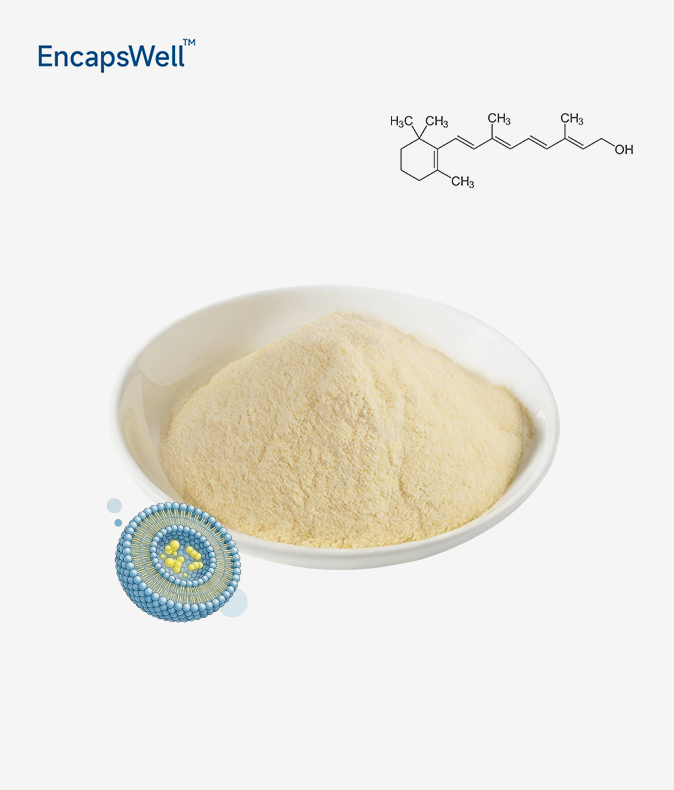
EmerWell is an expert at providing cutting-edge Liposomal NAD+ powder that meets strict quality standards and has high bioavailability. Our EncapsWell™ platform is the result of years of exclusive research and development by our PhD-led R&D team in San Diego, California. We have our own labs and local storage for fast sample shipping across the United States. We offer full OEM/ODM services that can be customized for powder, tablet, capsule, and liquid-ready formulations.
A third party tests each batch to make sure it is at least 98% pure NAD+ and meets the standards set by ISO 22000, cGMP, and HACCP. Whether you're making anti-aging supplements, drinks that give you energy, or formulations that help your brain, our technical team can help you turn your ideas into products that are ready to sell. Email our team at info@emerwell-bio.com to talk about your particular needs, get detailed documentation, or set up a sample review. Get in touch with a Liposomal NAD+ powder supplier that knows how precise your brand needs it.
References
1. Braidy, N., & Liu, Y. (2020). NAD+ therapy in age-related degenerative disorders: A benefit/risk analysis. Experimental Gerontology, 132, 110831.
2. Hosseini, L., Vafaee, M. S., & Badalzadeh, R. (2021). Melatonin and nicotinamide mononucleotide attenuate myocardial ischemia/reperfusion injury via modulation of mitochondrial function and hemodynamic parameters. Fundamental & Clinical Pharmacology, 35(5), 920-930.
3. Schultz, M. B., & Sinclair, D. A. (2016). Why NAD+ declines during aging: It's destroyed. Cell Metabolism, 23(6), 965-966.
4. Shade, C. (2016). Liposomes as advanced delivery systems for nutraceuticals. Integrative Medicine: A Clinician's Journal, 15(1), 33-36.
5. Akbarzadeh, A., Rezaei-Sadabady, R., Davaran, S., Joo, S. W., Zarghami, N., Hanifehpour, Y., & Nejati-Koshki, K. (2013). Liposome: classification, preparation, and applications. Nanoscale Research Letters, 8(1), 102.
6. Trammell, S. A., Schmidt, M. S., Weidemann, B. J., Redpath, P., Jaksch, F., Dellinger, R. W., & Brenner, C. (2016). Nicotinamide riboside is uniquely and orally bioavailable in mice and humans. Nature Communications, 7, 12948.
Online Message
YOU MAY LIKE
High quality furniture manufacturer
_1776234307158.webp)