May 26, 2026
How Liposomal Vitamin C Benefits Your Health
Modern phospholipid encapsulation makes liposomal vitamin C powder up to 8 times more bioavailable than traditional ascorbic acid tablets, establishing it as a more effective delivery format for high‑performance formulations. This advanced nutrient delivery method preserves the active compound during processing, enabling cellular absorption without gastrointestinal compromise. Product developers and procurement managers increasingly adopt this format for high‑efficiency immune support, antioxidant protection, and collagen‑boosting formulations. Its demonstrated efficacy and formulation versatility meet consumer wellness expectations while supporting scalable production across nutraceutical, functional beverage, and nutricosmetic applications.
Understanding Liposomal Vitamin C Powder
What Makes Liposomal Encapsulation Different?
Traditional vitamin C tablets suffer from poor absorption. At doses above 1,000 mg, conventional ascorbic acid achieves only approximately 20% intestinal absorption; the remainder is excreted unused. The body relies on SVCT1 and SVCT2 transport proteins, which saturate rapidly, limiting further uptake.
Liposomal vitamin C powder fundamentally changes this outcome through biomimetic technology. Active ascorbic acid or sodium ascorbate is encapsulated within phospholipid bilayers derived from non‑GMO sunflower or soy lecithin, forming 100–400 nm vesicles that resemble human cell membranes.
These nano‑carriers reconstitute into functional liposomes upon contact with digestive fluids. Rather than competing for saturated transporter proteins, liposomes fuse directly with intestinal epithelial cells via endocytosis or membrane fusion. This bypass mechanism allows nutrients to enter systemic circulation and achieve plasma levels unattainable with conventional powders. Research indicates that this approach sustains elevated blood levels for extended periods, maximizing therapeutic windows for immune modulation and antioxidant defense.
Core Technical Parameters for Quality Assessment
When evaluating potential suppliers, procurement teams should look for technical indicators that distinguish premium formulations from simple blends.
-
Particle size distribution measured by Dynamic Light Scattering (DLS): uniform particles in the 100–400 nm range indicate reliable manufacturing processes.
-
Encapsulation efficiency (EE): the percentage of vitamin C protected within liposomes versus free material. Commercial liposomal vitamin C powders typically exhibit EE values between 50% and 70%, depending on the drying method used (freeze‑drying or spray‑drying).
-
Phospholipid source: functionality and market positioning are influenced by lecithin composition. Phosphatidylcholine (PC)‑enriched lecithin (>50% PC) enhances molecular binding and absorption. Sunflower‑derived phospholipids serve brands avoiding soy and allergens.
-
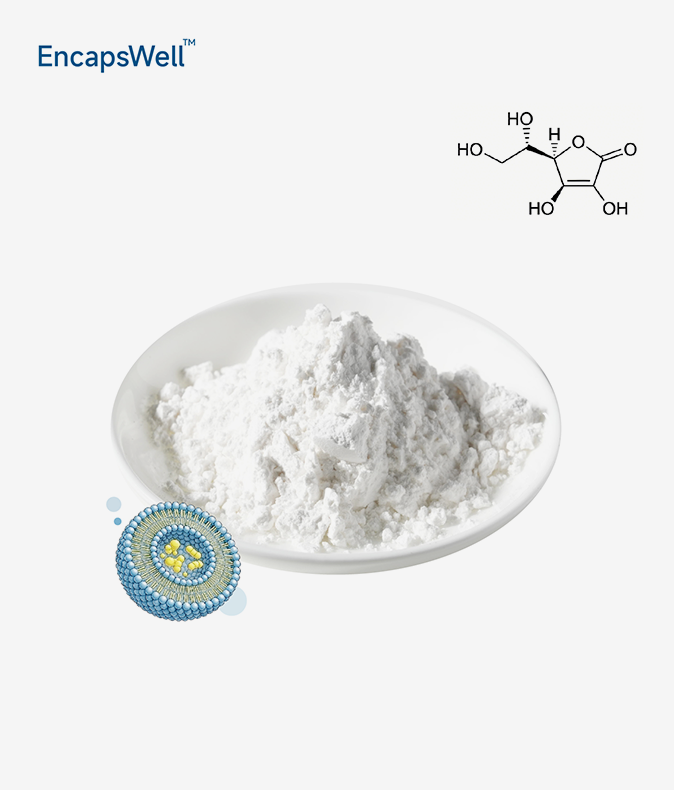
Physical appearance: quality powders appear white to pale yellow, free‑flowing, and neutral‑tasting, which is particularly important for beverage applications where the harsh taste of exposed ascorbic acid can deter consumption.
-
Stability data: reliable products retain >95% potency for 24 months under standard retail conditions—significantly longer than liquid liposomal forms, which are prone to oxidation and microbial contamination.
Safety Profile and Regulatory Compliance
For brands seeking consumer market access, long‑term product safety is paramount. Liposomal vitamin C powder maintains the established safety record of ordinary ascorbic acid while eliminating typical gastrointestinal issues. Phospholipid encapsulation buffers acidity, preventing the osmotic diarrhea often associated with high vitamin C intake. This gentler profile enables therapeutic dosages of 1,000–3,000 mg per day without digestive distress—valuable for immune crisis support or intensive antioxidant protocols.
Comprehensive certification packages are essential, as target markets vary in regulatory requirements. Our EncapsWell™ platform complies with regulatory standards in over 50 countries, including FDA dietary supplement regulations for the U.S. market, EU Novel Food requirements, and ANVISA standards for Brazil. ISO 9001, ISO 22000, HACCP, and cGMP certifications provide audit‑ready documentation. Halal, Kosher, Non‑GMO Project Verified, and Vegan Society certifications broaden market appeal and support clean‑label positioning.
Key Health Benefits of Liposomal Vitamin C Powder
Enhanced Immune System Function
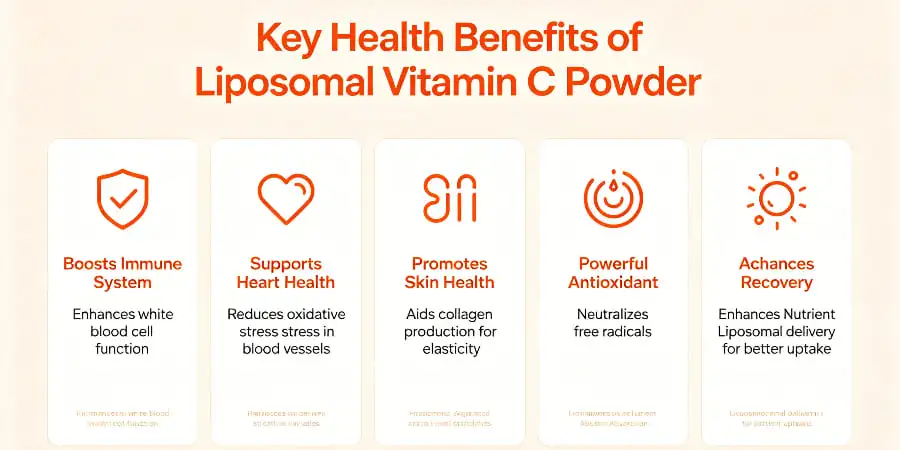
Vitamin C acts as a cofactor for numerous immune cell activities, yet conventional supplements often fail to deliver adequate levels. Liposomal encapsulation addresses this gap. With bioavailable vitamin C entering the circulation, white blood cells can achieve intracellular concentrations 10–100 times higher than plasma levels, supporting neutrophil migration, lymphocyte proliferation, and antibody production. These mechanisms contribute to milder illness episodes and faster recovery.
Clinical studies show that liposomal transport maintains therapeutic plasma concentrations for up to 24 hours, whereas conventional supplements peak quickly and are rapidly excreted in urine. This sustained stability is particularly valuable during periods of immune stress or seasonal challenges, where constant antioxidant defense is critical. Formulation engineers developing cold/flu products or year‑round immune support lines can leverage this pharmacokinetic advantage for bioavailability‑backed product claims.
Powerful Antioxidant and Cellular Protection
Oxidative stress accelerates aging, impairs cardiovascular function, and drives chronic inflammation. As the body‘s primary water‑soluble antioxidant, vitamin C neutralizes reactive oxygen species, protecting DNA, proteins, and lipid membranes from damage. Liposomal delivery enhances these protective benefits: research indicates that cells achieve up to twice the ascorbic acid concentration compared to conventional ascorbic acid, translating into more effective free radical scavenging.
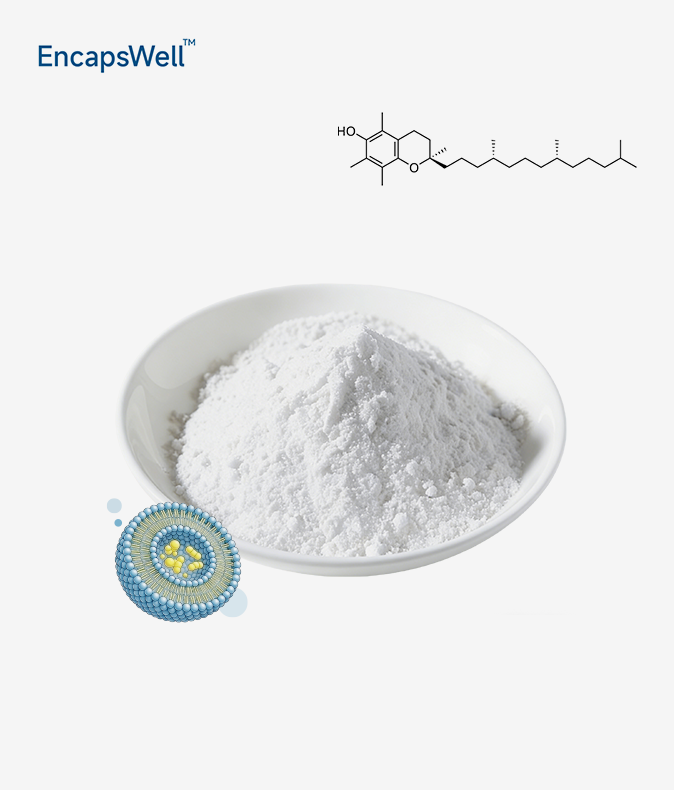
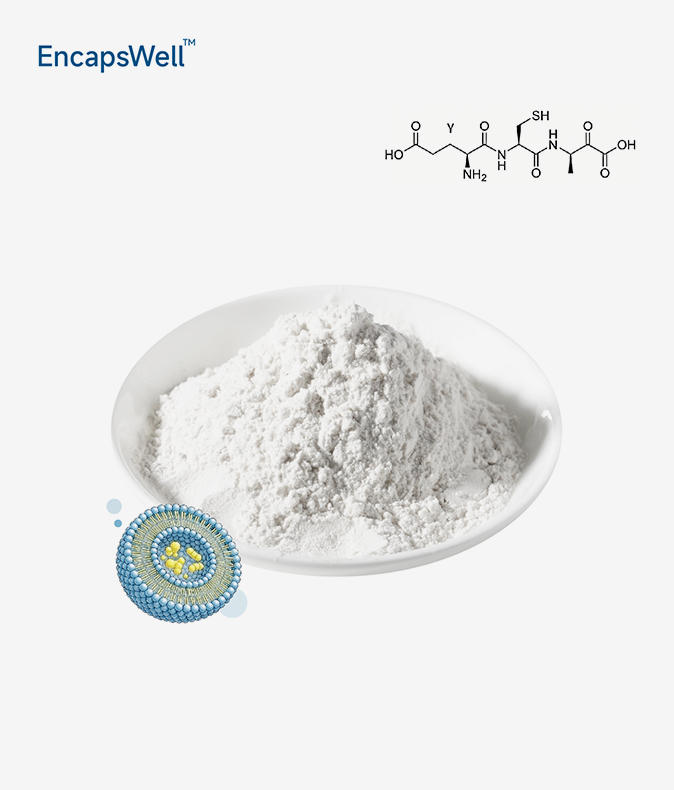
Beyond direct antioxidant activity, vitamin C regenerates vitamin E and glutathione, amplifying cellular defense networks. Combining liposomal vitamin C with synergistic antioxidants such as quercetin, resveratrol, or alpha‑lipoic acid supports enhanced recovery and overall wellness. Brands targeting active seniors, athletes managing exercise‑induced oxidative stress, or urban consumers exposed to environmental pollutants can position liposomal vitamin C as a foundational preventive ingredient supported by mechanistic science.
Skin Health and Collagen Synthesis Support
The nutricosmetics market increasingly seeks ingredients with proven skin benefits, making liposomal vitamin C a strong beauty‑from‑within active. Vitamin C is an essential cofactor for functional collagen fiber formation. Additionally, the phospholipids used in liposomal formulations directly support skin barrier function and cellular proliferation through phosphatidylcholine.
Plasma retention studies demonstrate that liposomal formulations maintain vitamin C levels far longer than conventional supplements, which are rapidly cleared and have limited tissue interaction. This pharmacokinetic advantage allows lower dosages to achieve the same cutaneous effects, reducing formulation costs while preserving efficacy. Formulators of anti‑aging beverages, beauty shots, and collagen‑boosting tablets can leverage both vitamin C and phospholipid components to differentiate their products from less effective alternatives.
Cardiovascular and Metabolic Advantages
Emerging research suggests liposomal vitamin C powder improves endothelial function, lipid management, and blood pressure regulation. The vitamin supports nitric oxide utilization, enhancing blood flow and capillary tone. Liposomal delivery ensures adequate vitamin C reaches vascular walls, where these benefits occur—something that conventional tablets often fail to achieve due to poor absorption.
Liposomal vitamin C is a versatile ingredient addressing inflammation, oxidative damage, and energy metabolism. Its enhanced absorption profile enables precision dosing to achieve plasma levels associated with positive cardiovascular clinical outcomes, supporting structure‑function claims within regulatory frameworks.
How to Use and Dose Liposomal Vitamin C Powder Correctly?
Recommended Dosing Guidelines
Optimal dosage depends on the application and target group:
-
Maintenance / daily wellness: 500–1,000 mg per day to replenish tissue stores and support immune and antioxidant functions. Suitable for multivitamins, general health supplements, and preventative wellness products.
-
Immune support during stress or seasonal challenges: 1,000–2,000 mg per day, divided into two servings to maintain plasma levels.
-
Intensive antioxidant support, post‑surgery recovery, or sports performance: up to 2,000–3,000 mg per day under professional guidance. Liposomal vitamin C at these higher doses does not cause the gastrointestinal distress that makes high‑dose conventional regimens difficult.
Formulators should include clear dosage instructions and usage examples on packaging to help consumers use products appropriately and comply with dietary supplement labeling requirements.
Mixing and Administration Best Practices
Proper preparation preserves liposome structure and maximizes absorption. The powder disperses readily in cold water, juice, smoothies, or plant‑based milk alternatives with gentle stirring or shaking. High‑shear mixing or liquids above 60°C (140°F) may disrupt phospholipid structures and reduce encapsulation efficiency.
Vitamin C is best absorbed on an empty stomach or with light meals. Unlike acidic conventional forms, liposomal vitamin C can be taken without food, offering greater dosing flexibility.
Designers of ready‑to‑mix sachets, effervescent tablets, and liquid concentrates should evaluate their formulations for liposome stability. Minerals such as iron and copper, or certain proteins, can affect vitamin C stability over time, potentially requiring formulation adjustments. Working with experienced liposomal technology suppliers helps manufacturers overcome these challenges and ensure finished products retain their bioavailability benefits throughout shelf life.
Quality Assurance in Commercial Production
DIY liposomal preparations lack the technology and quality control needed for consistent results. Authentic liposomal structures require precise phospholipid‑to‑active ratios, particle size control, and encapsulation verification—demanding specialized equipment and expertise.
When comparing suppliers, B2B buyers should request evidence of particle size distribution, encapsulation efficiency, and comparative absorption studies that demonstrate superiority over simple vitamin C‑lecithin blends.
cGMP compliance for liposomal vitamin C ensures batch‑to‑batch consistency—critical for brand reputation and regulatory compliance. Our Wellgreen facility provides real‑time purity checks, batch traceability, and stability data supporting label claims. This rigorous approach protects brands against formulation failures, regulatory issues, and consumer complaints that can arise from poorly manufactured liposomal products.
Comparing Liposomal Vitamin C Powder with Other Forms
Bioavailability Advantages Over Capsules and Tablets
Capsules and tablets are popular for convenience but suffer from poor absorption. Standard vitamin C in capsule or compressed form must fully disintegrate, survive gastric acid, and compete for saturated transporter proteins—resulting in low bioavailability. Liposomal vitamin C powder, when reconstituted in water, transforms into functional delivery vehicles compatible with cell membranes, overcoming these absorption barriers.
Clinical studies show liposomal formulations achieve up to 8 times higher plasma concentrations than conventional capsules. This efficacy gap widens at higher doses, where conventional nutrient absorption becomes increasingly inefficient. Brands can thus develop lower‑dose products that perform as well as mega‑dose formulations, reducing costs while improving outcomes. Higher bioavailability also minimizes urinary nutrient loss, extending therapeutic benefit between doses.
Stability and Shelf Life Considerations
Although liquid liposomal vitamin C is immediately bioavailable, it presents stabilization challenges. Aqueous environments accelerate hydrolysis, oxidation, and microbial contamination, often requiring preservatives and refrigeration, which complicates logistics and limits market reach.
Powder formats eliminate these limitations by removing moisture, remaining stable at room temperature for approximately 24 months without preservatives or special handling. This stability simplifies international shipping, reduces cold‑chain costs, and enables product distribution in regions without refrigeration—particularly valuable for brands exporting globally.
Our EncapsWell™ liposomal powder uses antioxidants and desiccant packaging to maintain >95% label claim throughout shelf life, validated by accelerated stability testing and real‑time aging studies under controlled temperature and humidity.
Cost-Effectiveness for Bulk Procurement
B2B buyers should consider ingredient yield rather than raw price per kilogram. Liposomal vitamin C costs more than ascorbic acid, but its 8‑fold higher absorption transforms cost calculations. Brands can produce effective products with lower active ingredient loads, reducing per‑unit cost while improving outcomes and encouraging repeat purchases.
Bulk purchasing offers economies of scale. Our MOQ structures accommodate emerging brands testing the market as well as established corporations requiring metric‑ton volumes for national distribution. Long‑term supplier relationships, volume pricing tiers, and just‑in‑time shipping improve inventory management and working capital. Strategic sourcing with fully integrated manufacturers like EmerWell and Wellgreen—with >100 metric tons annual capacity—shields brands from market disruptions caused by intermediaries or under‑capitalized suppliers.
Procurement Insights: Buying Liposomal Vitamin C Powder in Bulk
Evaluating Supplier Qualifications and Manufacturing Capabilities
Careful supplier selection prevents costly mistakes that damage product quality, regulatory standing, and brand reputation. Qualified liposomal vitamin C powder manufacturers should demonstrate technical expertise through PhD‑led R&D teams, published validation studies, and transparent production processes. Request particle size distribution data, encapsulation efficiency percentages, phospholipid source documentation, and comparative absorption studies.
Manufacturing sites should be quality‑focused and operationally robust. cGMP certification is the baseline for supplement manufacturing, documenting all processes, validating procedures, and maintaining batch records. Advanced certifications such as ISO 22000, HACCP, and FSSC 22000 demonstrate system‑level quality integration beyond GMP compliance. Verify these credentials through third‑party audit reports rather than self‑certification claims.
Customization and Private Label Opportunities
In a crowded supplement market, unique formulations win. Leading liposomal manufacturers offer customization across:
-
Delivery formats: powders, effervescent tablets, soft gels, ready‑to‑drink liquids
-
Active ingredient combinations: vitamin C with zinc, quercetin, glutathione, or elderberry
-
Dosage strengths tailored to different market segments
Private label and co‑branding services accelerate time‑to‑market by using proven formulas while maintaining brand identity. Our OEM/ODM projects range from standard formula private labeling to fully bespoke development with proprietary ingredient blends, custom flavor systems, and unique packaging designs. Technical support teams assist from ideation through stability testing, regulatory documentation, and commercial manufacturing, ensuring smooth transition from prototypes to finished goods.
Regulatory Documentation and Compliance Support
Global market entry requires extensive, region‑specific documentation. U.S. brands must ensure dietary supplements meet GMPs, support structure‑function claims, and maintain adverse event reporting systems. European markets require novel food assessments, compositional data, and EU Regulation 1169/2011 labeling. Asian markets have varied registration, testing, and documentation requirements that can delay or block entry without advance preparation.
Working with suppliers experienced in multi‑market registrations simplifies brand expansion. Every order includes a comprehensive Certificate of Analysis (CoA) package with HPLC‑verified potency, heavy metal testing, microbiological analysis, and stability data supporting shelf‑life claims. Allergen declarations, GMO testing results, and raw material traceability documents help rapidly respond to retailer qualification requests and regulatory inquiries. This documentation structure is particularly valuable for new brands without in‑house regulatory specialists or established brands entering unfamiliar markets.
Conclusion
Liposomal vitamin C powder represents a technological breakthrough, overcoming the gastrointestinal limitations that have compromised supplement efficacy for decades. Phospholipid encapsulation delivers superior bioavailability, enabling lower effective doses, fewer side effects, and stronger immune support, antioxidant protection, skin health, and cardiovascular benefits.
For B2B procurement professionals, strategic advantage comes from partnering with certified manufacturers offering validated formulations, comprehensive certifications, and customization options aligned with brand marketing strategies and target market demands. Supplier relationships built on quality, regulatory support, and collaborative product development position brands to stand out in crowded markets while maintaining the practical stability required for long‑term growth.
FAQ
What absorption advantages does liposomal vitamin C powder actually provide?
liposomal vitamin C powder makes vitamin C eight times more bioavailable than normal ascorbic acid tablets, according to clinical study. The large benefit is due to phospholipid vesicles, which shield the active substance throughout digestion and allow direct membrane fusion instead of saturating transport proteins. Plasma concentration assays indicate 24-hour levels, although regular supplements peak and are excreted through urine within hours.
Can liposomal vitamin C powder be safely used long-term?
The form preserves vitamin C's safety while eliminating stomach issues associated with high-dose conventional tablets. Phospholipid buffering prevents osmotic diarrhea, making dosage easier. Global regulatory organizations concur that frequent vitamin C supplementation is safe. If you pick the appropriate provider, your items will fulfill purity criteria and not include impurities that might pose safety difficulties during long-term usage.
How should brands select qualified liposomal vitamin C powder suppliers?
Evaluate technical documentation including particle size analysis, encapsulation efficiency data, and comparative absorption validation. Verify manufacturing certifications such as cGMP, ISO 22000, and HACCP through third-party audit reports. Assess customization capabilities, regulatory support services, and supply chain reliability including production capacity and backup inventory policies. Request samples for internal testing and pilot production runs before committing to large-volume procurement contracts.
Partner with EmerWell for Superior Liposomal Vitamin C Powder Solutions
Using EncapsWell™ liposomal technology, EmerWell excels at supplement formulation innovation. Clients benefit from clinically validated bioavailability improvements. Our San Diego R&D center and cGMP‑certified manufacturing facilities provide OEM/ODM services including product formulation, stability testing, regulatory documentation, and small‑to‑large batch production.
As a liposomal vitamin C powder supplier, we offer flexible order quantities, support for multiple market requirements, and US‑based warehousing for rapid sample delivery. Product developers, procurement managers, and brand owners seeking a competitive edge through science‑backed, market‑ready formulations can contact our technical team at info@emerwell-bio.com to discuss specific application needs and receive technical specifications.
References
Carr AC, Maggini S. Vitamin C and Immune Function. Nutrients. 2017;9(11):1211.
Davis JL, Paris HL, Beals JW, et al. Liposomal-encapsulated Ascorbic Acid: Influence on Vitamin C Bioavailability and Capacity to Protect Against Ischemia-Reperfusion Injury. Nutrition and Metabolic Insights. 2016;9:25-30.
Lykkesfeldt J, Tveden-Nyborg P. The Pharmacokinetics of Vitamin C. Nutrients. 2019;11(10):2412.
Pullar JM, Carr AC, Vissers MCM. The Roles of Vitamin C in Skin Health. Nutrients. 2017;9(8):866.
Chambial S, Dwivedi S, Shukla KK, et al. Vitamin C in Disease Prevention and Cure: An Overview. Indian Journal of Clinical Biochemistry. 2013;28(4):314-328.
Hemilä H, Chalker E. Vitamin C for preventing and treating the common cold. Cochrane Database of Systematic Reviews. 2013;(1):CD000980.
Online Message
YOU MAY LIKE
High quality furniture manufacturer