

Aug 28, 2026
How Liposomal Omega-3 powder Is Used in Beverage Formulation
Liposomal Omega-3 powder revolutionizes beverage formulation with innovative phospholipid encapsulation technology that maintains EPA and DHA suspended in protective bilayers. This water dispersible formulation is stable in cold liquids and will not separate from oil, making it excellent for functional drinks, wellness shots and fortified beverages. The liposomal delivery technique addresses the most longstanding issues formulators confront in generating consumer-friendly, effective omega-3 drinks, by masking disagreeable fishy tastes and providing up to three times better bioavailability than conventional fish oil or standard omega-3 powders.
Understanding Liposomal Omega-3 Powder and Its Benefits in Beverages
The Science Behind Enhanced Bioavailability
By use of encapsulation technology, omega-3 fatty acids are enclosed in layers of phospholipids that are similar to natural cell membranes, so they are protected throughout processing and are more readily absorbed by the body through the walls of the intestines. Adequate clinical research have shown that liposomal delivery techniques result in much greater plasma levels of EPA and DHA than standard omega-3 supplements. This higher absorption means that manufacturers may use fewer active substances and yet receive the same therapeutic effect. It lowers the cost of the raw ingredients and improves the flavor of the beverages.
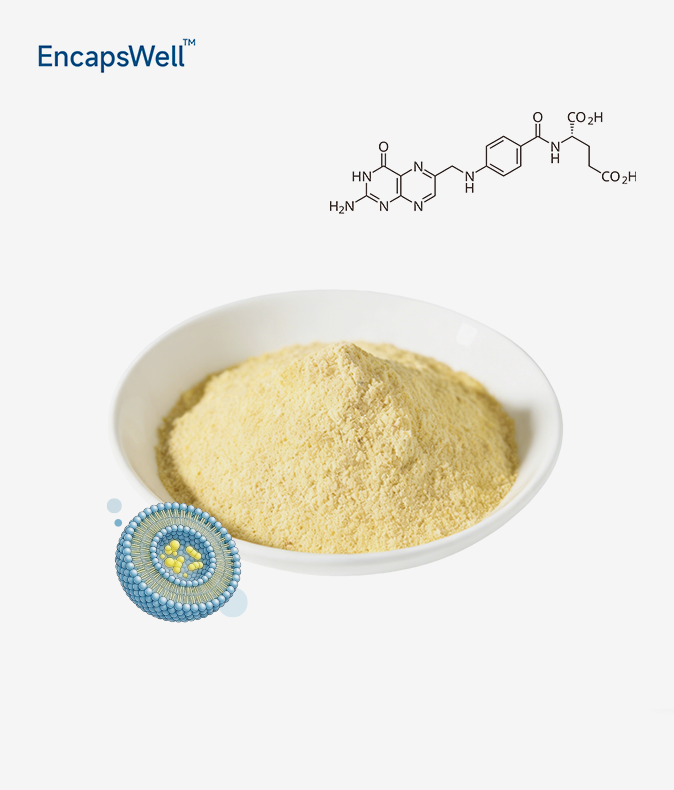
For example, our EncapsWellTM technology distributes nutrients as efficiently as possible, with capsule efficiencies of over 85%. The homogeneous particle size distribution also makes the emulsion exceptionally stable in water and prevents it from clumping and separating as other omega-3 emulsions do.
Cognitive and Cardiovascular Health Claims
Research indicates that EPA and DHA are very crucial for brain development, memory and heart health. These fragile fatty acids are protected from oxidative damage by the phospholipid covering. That means beverage firms are able to make health claims supported by research. The improved chemical bioavailability of Liposomal Omega-3 powder provides goods for brain function, cardiovascular health and management of inflammatory response a competitive advantage.
Omega-3 fatty acids that are delivered through liposomal technology are better able to reach cells where they are needed to reduce inflammation. This targeted delivery helps joint health formulas and wellness drinks made for active lives, which opens up new market possibilities outside of standard supplement categories.
Regulatory Compliance and Safety Standards
Quality certifications are very important for beverage companies that have to deal with complicated rules and regulations. Products that are certified as cGMP, ISO 22000, HACCP, Kosher, or Halal make it easier to get into markets in a wide range of areas and with a wide range of customers. Heavy metal levels below 0.5ppm for lead and peroxide levels below 2 meq/kg show that the product is oxidatively stable enough to last longer in stores.
Formulations carefully checked to meet Infant Nutrition Standards create new business possibilities in high-end drinks for kids and useful drinks for the whole family. These strict quality controls give procurement teams the confidence to ask for liposomal omega-3 ingredients for groups of people who are sensitive.
Technical Aspects of Incorporating Liposomal Omega-3 Powder into Beverages
Solving Dispersion Challenges in Aqueous Systems
Traditional omega-3 oils make it hard to make water-based drinks because they form oil drops that can be seen, rings around containers, and quickly separate during storage. These issues are solved by advanced water-dispersible liposomal powders, which have designed particle shapes that keep the powders in stable suspension in cold liquids. The fine, free-flowing, off-white to light yellow powder can be used in the same way as any other powder when making drinks, without the need for special emulsification tools.
The even distribution of particle sizes makes sure that all production batches work the same, which is very important for contract makers and OEM partners who have to manage many SKUs. Developers of drinks can put the powder right into mixing tanks, which makes the distribution even without heating cycles that break down delicate omega-3 compounds.
Taste Masking and Sensory Optimization
Complete micro-encapsulation blocks taste receptors from the oily core, getting rid of the fishy smells and aftertaste that people don't like in omega-3 goods. This new discovery makes it possible to add it to clear health waters, fruit-flavored functional drinks, and even neutral-tasting energy drinks without affecting the taste or smell. Formulators are given more freedom to include omega-3 benefits in a wider range of drinks, rather than just adding them to heavily flavored smoothies or protein shakes to hide bad tastes.
Sensory testing with groups of people shows that liposomal omega-3 drinks that are properly made get acceptance scores that are about the same as drinks that don't contain marine-derived ingredients. This profile is friendly to customers, which leads to repeat purchases and a good opinion of the brand, both of which are important for retail success.
Stability Across Beverage pH and Temperature Ranges
Protective phospholipid bilayers stay intact across a wide pH range that is common in functional drinks, such as neutral plant-based milks and acidic fruit drinks. Liposomal encapsulation protects omega-3 oils in multiple layers, which greatly extends their shelf life compared to bare omega-3 oils, which break down quickly when exposed to light and oxygen. When stored in the right way, products stay effective for 24 months at room temperature, meeting the needs of both national and international markets.
When beverage companies do rapid stability tests, they see that peroxide values and packaging efficiency don't change much under stress. This oxidative stability means that label promises can be trusted throughout the lifetime of a product. This lowers the risk of having to redesign the product and the number of customer complaints about off-flavors that appear during storage.
Comparing Liposomal Omega-3 Powder with Other Omega-3 Forms for Beverage Use
Bioavailability Advantages Over Traditional Formats
Standard fish oil capsules and liquid omega-3 supplements depend on digestion processes that are very different between people and change a lot when you eat. Liposomal delivery gets around many absorption barriers, so the drug is always bioavailable, even if a person eats a lot or has a slow digestive system. Pharmacokinetic tests that measure the amounts of EPA and DHA in the blood show that liposomal formulations hit peak levels faster and keep blood levels high for longer than options that are not encapsulated.
Non-Liposomal Omega-3 powders try to solve problems with how drinks are made, but they don't have the protective encapsulation that stops oxidation and taste problems. Most of the time, these alternatives need extra stabilizers, emulsifiers, and flavor masking agents, which makes ingredient labels harder to read and raises the cost of formulation. People like products with clear, short ingredient lists, and liposomal systems that work well with this taste are a good example of this.
Solubility and Manufacturing Efficiency
Liquid omega-3 oils make it harder to handle beverages because they need special pumping equipment, constant stirring while they're being filled, and strict cleaning rules between batches. Powder formats make it easier to keep track of inventory, lower shipping costs by making items lighter and smaller, and get rid of the need for cold chain storage, which adds to the cost of doing business.
Water-dispersible liposomal powders can be used in current beverage production processes with only minor changes. When compared to viscous oils, which make measurements less accurate, powder formats offer consistent flow and accurate dosing, which is appreciated by production teams. Because of these operating efficiencies, production costs are cheaper and filling lines move faster.
Supplier Selection Criteria for Quality Assurance
To find reliable makers, you need to look at how well they encapsulate, how uniform the particle sizes are, and how thorough their testing methods are. When suppliers give detailed certificates of analysis, stability data, and regulatory paperwork, buyers can be sure of the decisions they make. When you look at the technical specs and test the performance of beverage samples, you can tell the difference between properly designed liposomal systems and simple spray-dried omega-3 powders.
Suppliers who care about quality give scientific testing services that check the stability of the capsules, the amount of fatty acids, and oxidative markers throughout the product's shelf life. This technical help cuts down on the time it takes to make new drinks and lowers the risks that come with using ingredients that don't always work well together.
Procurement and Sourcing Strategies for Liposomal Omega-3 Powder in Bulk
Evaluating Manufacturer Capabilities and Certifications
A successful business-to-business purchase starts with a careful evaluation of the seller, which includes checking the licenses of the manufacturing facility, the quality management systems, and the production capacity. Manufacturers who follow cGMP guidelines and keep their ISO 9001:2015 and ISO 22000 certifications show that they are dedicated to consistent quality and food safety standards. These certifications make sure that products will meet the rules in all of their target markets, which cuts down on approval delays and compliance risks.
Supply chain transparency is becoming more important as consumers become more skeptical about where ingredients come from and how products are made. Beverage businesses can be honest about their commitments to quality standards and ethical sourcing when their suppliers let them track their products from the time they get the raw materials to the time they send the finished product.
Balancing Minimum Order Quantities with Inventory Management
When planning to buy in bulk, it's important to weigh the benefits of lower prices per unit against the costs of keeping inventory and the length of time a product will last. Building connections with manufacturers that offer flexible minimum order amounts can help during the launch phase of a product and during times of the year when demand changes. As beverage lines become more popular and reach stores across the country, procurement teams can move on to larger volume commitments that get better prices and faster delivery.
Logistics factors like packing types, storage needs, and wait times affect the total cost of ownership in addition to the unit price. Suppliers with warehouses in the US can cut down on shipping times and respond quickly to sudden increases in demand or the need to change the formula.
OEM and Private Label Partnership Opportunities
Contract makers and beverage brands that want to stand out can benefit from sources that offer help with design and formulation. Unique product positioning is made possible by OEM partnerships that offer customized omega-3 concentrations, proprietary blends with ingredients that work well together, and custom packaging options. Working together as a technical team on formulation problems that are specific to drinks shortens the development process and increases the chances of commercial success.
With private label programs, stores and new brands can get into the market for healthy drinks without having to spend a lot of money on research and development. Turnkey solutions, such as formula creation, legal paperwork, and packaging design for Liposomal Omega-3 powder, make it easier for new companies to get into the market while keeping high standards that make customers trust the brand.
Future Trends and Market Potential of Liposomal Omega-3 Powder in Beverages
Growing Consumer Demand for Functional Beverages
Market research shows that functional beverage categories will continue to grow, thanks to health-conscious consumers who want easy ways to get their nutrients. Omega-3 supplementation fills in known nutritional gaps in modern diets, especially for groups that don't eat fish. People who want alternatives to pills and capsules like beverage formats, which means that the market is open to more people than just people who take supplements.
Combining omega-3 supply with other nutrients that work together to improve health can lead to new ideas. Cosmetic supplement markets are interested in beauty-from-within drinks that contain collagen, vitamins, and omega-3s. People who live busy lives can get omega-3s, protein, electrolytes, and healing ingredients in sports nutrition drinks.
Sustainability and Clean Label Movement
Ethical buying practices and concerns about the environment are becoming more and more important in procurement choices. Suppliers who use sustainable fishing methods, get non-GMO certifications, and do little processing are in line with brand values that conscious customers care about. Being open about where ingredients come from and how they are made builds trust and helps with special positioning tactics.
Clean label trends prefer formulas that have clear ingredients and few extraneous chemicals. Liposomal encapsulation with food-grade phospholipids meets the standards for a clean label and gives customers the functional benefits they expect from high-end functional drinks. When technical performance and consumer preferences are in sync, there are long-term advantages over competitors.
Strategic Supply Chain Partnerships
Successful beverage brands know that their ingredient sources are more than just suppliers; they're also partners in creativity. Working together with makers to provide technical know-how, market research, and legal advice speeds up product development and cuts down on time to market. Suppliers with research facilities in the US and technical teams led by PhDs can help with formulation and make prototypes quickly.
By building long-term ties with dependable makers, you can be sure of consistent ingredients, supply security, and early access to new technologies. Beverage companies can keep the quality of their products high while expanding their businesses to meet rising demand thanks to these smart relationships.
Conclusion
The liposome encapsulation technology is a big step forward in making omega-3 drinks, as it solves long-standing problems with taste, stability, and bioavailability. The water-dispersible Liposomal Omega-3 powder format works well with manufacturing processes and has high absorption rates that back up strong health claims. Business-to-business buyers can get a competitive edge by working with sellers who offer a wide range of quality certifications, expert support, and flexible customization options. As markets for functional drinks continue to grow, choosing the right ingredients strategically is becoming more important for differentiating products and making money in this ever-changing category.
FAQ
1. What makes liposomal omega-3 powder suitable for beverage applications?
The advanced water-dispersible formulation makes it possible for stable suspension in cold liquids without oil separation. This gets rid of the problems that come with using regular fish oils in formulation. Complete micro-encapsulation hides fishy smells and tastes, making it possible to use in consumer-friendly drink forms across many categories.
2. How does bioavailability compare to standard omega-3 supplements?
Clinical pharmacokinetic studies show that liposomal delivery methods can increase the amount of EPA and DHA in the blood up to three times more than omega-3 supplements that are not contained. The phospholipid bilayers make it easier for the nutrients to be absorbed through the walls of the intestines. This means that the nutrients are always bioavailable, no matter when you eat or how well your digestive system works.
3. What certifications should B2B buyers prioritize when sourcing ingredients?
cGMP, ISO 22000, HACCP, Kosher, and Halal certifications should be checked by procurement teams that care about quality. When it comes to sensitive consumer applications, products that meet Infant Nutrition Standards offer extra peace of mind. Full records of all the analytical tests, such as encapsulation efficiency, peroxide values, and heavy metal screening, help with choosing the right ingredients and following the rules in all international markets.
Partner With EmerWell for Premium Liposomal Omega-3 Powder Solutions
EmerWell provides Liposomal Omega-3 powder that is highly advanced and designed especially for use in functional beverages. Our R&D center in San Diego and technical team, which is led by a PhD, offer full formulation support, from coming up with the first idea to mass production. As a reliable Liposomal Omega-3 powder supplier, we offer flexible minimum order quantities, private label customization, and US-based warehousing to make sure that samples are sent out quickly and that the supply stays steady. Our own EncapsWellTM platform has full cGMP, ISO 22000, and HACCP certifications and gets encapsulation efficiency of over 85%, which is the highest in the business. Email our team at info@emerwell-bio.com to talk about your needs for making drinks and find out how our high-quality materials can help your goods stand out in the functional beverage market.
References
1. Gioxari, A., Kaliora, A. C., Marantidou, F., & Panagiotakos, D. P. (2018). Intake of ω-3 polyunsaturated fatty acids in patients with rheumatoid arthritis: A systematic review and meta-analysis. Nutrition, 45, 114-124.
2. Hashimoto, M., Hossain, S., Al Mamun, A., Matsuzaki, K., & Arai, H. (2017). Docosahexaenoic acid: one molecule diverse functions. Critical Reviews in Biotechnology, 37(5), 579-597.
3. Liu, W., Ye, A., Liu, W., Liu, C., & Singh, H. (2013). Stability during in vitro digestion of lactoferrin-loaded liposomes prepared from milk fat globule membrane-derived phospholipids. Journal of Dairy Science, 96(4), 2061-2070.
4. Piran, P., & Sepahi, S. (2022). The impact of omega-3 supplementation on functional capacity and inflammatory markers in heart failure patients: A systematic review and meta-analysis. Clinical Nutrition ESPEN, 48, 100-110.
5. Tamjidi, F., Shahedi, M., Varshosaz, J., & Nasirpour, A. (2014). Design and characterization of astaxanthin-loaded nanostructured lipid carriers. Innovative Food Science & Emerging Technologies, 26, 366-374.
6. Weiser, M. J., Butt, C. M., & Mohajeri, M. H. (2016). Docosahexaenoic acid and cognition throughout the lifespan. Nutrients, 8(2), 99-125.
Online Message
YOU MAY LIKE
High quality furniture manufacturer
_1776234307158.webp)