Jul 24, 2026
How Liposomal Delivery Enhances Omega-3 Absorption
Liposomal transport technology changes omega-3 supplements by putting EPA and DHA inside phospholipid bilayers that look like the membranes of our cells. This biomimetic method keeps fragile omega-3 fatty acids from breaking down in the digestive system and being oxidized, while also making them easier for cells to take in directly. When made into liposomal omega-3 powder, this advanced encapsulation method makes the fish oil up to three times more bioavailable than regular capsules or powders. The tiny bubbles get around the stomach's harsh acids and blend in with the cell walls of the intestines, making sure that the EPA and DHA get to the bloodstream and tissues quickly. For companies that make nutraceuticals and functional foods, this means making products that really live up to their health claims for heart health, brain health, and anti-inflammatory health without needing huge amounts or making stomach pain.

Understanding Liposomal Omega-3 Powder
What Makes Phospholipid Encapsulation Different?
These polyunsaturated fatty acids are easily oxidized and break down quickly when they come into touch with enzymes in the stomach. This is a big problem with traditional omega-3 pills. Phospholipid encapsulation can fix this issue by creating safe spheres that surround the active ingredients. The tech moves fats through the lymphatic system in a way that is similar to how our bodies do it naturally. This lets omega-3s get into the bloodstream without getting destroyed.
The EncapsWell™ Platform Advantage
A detailed study of dynamic light scattering shows that EmerWell's unique EncapsWellTM multi-vesicular platform wraps things up more than 85% of the time. With engineered particle size distribution, the platform makes a powder that is off-white to light yellow and flows freely. This makes sure that every production batch is very consistent. If you are an R&D manager making drinks or capsules, this level of accuracy is important because the right dose and how the capsules dissolve directly affect how well the drugs work in the body. Our study team, led by a Ph.D. student from San Diego, perfected this way to solve the stability problems that common omega-3 ingredients have when they are stored and shipped.
Water Dispersibility for Versatile Applications
The oil-based omega-3 concentrates separate when they come in touch with water. But our new recipe keeps the omega-3s in cold liquids without letting any oil slicks form or settling. People want wellness drinks, protein shakes, and beauty drinks that taste clear and feel good in their mouths. This makes it easy to make those drinks. With this technology, you don't need harsh emulsifiers or high-shear processes, which can hurt the omega-3 structures that are already there.
Comparing Liposomal Omega-3 Powder with Traditional Omega-3 Forms
It's helpful to know how performance changes depending on how an omega-3 ingredient is delivered before you choose one for your line of products. This will help you get the best results for the least amount of money. Each form has pros and cons that change how things are made and how the customer feels about them.
Fish Oil Capsules: Convenience with Compromises
Lots of people still like standard softgels with fish oil in them, but they have some issues. It's hard to take vitamins regularly because they make you burp and taste fishy, which is bad for your long-term health. On top of that, the digestive system has to break up the structure of the oil before it can be absorbed. No two people go through this process the same way. It depends on their gut health and how much bile they make. As food sits on the shelf, the amount of peroxide in it often rises, which makes the food go bad right away. To make capsules, you need things other than gelatin or vegetarian options. This adds to the cost and makes it harder to keep the label clean.
Liquid Emulsions: Absorption at the Expense of Stability
Though liquid omega-3s don't need to be broken down like solid ones do, they do make you more likely to get oxidation. If you open a bottle, air will speed up the breakdown process. Requirements for refrigeration make distribution routes more difficult and limit the market's reach. It's important to hide the taste, which often means using sugar and flavors that go against the clean-label message. For functional food applications, volume dosing is not as accurate as powdered formats.
Krill Oil: Premium Pricing, Limited Scalability
The phospholipid content of krill oil naturally makes it more bioavailable, but worries about sustainability and price changes make it hard to buy in bulk. When harvesting in Antarctica, supply chain problems can make goods less available, which makes long-term manufacturing agreements risky. The astaxanthin content helps with marketing, but it adds color that makes neutral-toned formulations harder to work with.
Liposomal Powder: Engineered Performance
Encapsulated liposomal omega-3 powder combines the benefits of dry formats, which make them stable and easy to handle, with the benefits of phospholipid delivery, which makes them easier to absorb. Peroxide levels will stay below 2 meq/kg for 24 months at room temperature with our mix. This is better than oils that aren't protected. It's easy to add the powder to tableting, sachets, stick packs, and drink mixes. Product developers get more options for formulations without losing clinical effectiveness, and procurement teams like that prices are stable and supplies are reliable.
Procurement Considerations for Liposomal Omega-3 Powder
When choosing where to get parts for advanced delivery systems, you need to look at more than just the unit price. The right supplier relationship helps protect a brand's image and speeds up the time it takes to bring new products to market that are based on innovation.
Manufacturing Standards and Certifications
Facility certificates are the first step in quality assurance. Look for providers that follow cGMP, ISO 22000, and HACCP rules that keep records of process controls and can be tracked. Our San Diego headquarters maintains direct oversight of quality systems, with local lab capabilities for rapid analytical testing. Kosher and Halal approvals let us reach more customers, and our infant nutrition-grade testing for contaminants—including heavy metal testing to confirm lead levels below 0.5 ppm—opens pediatric and prenatal categories where safety margins are non-negotiable.
OEM and Private Label Flexibility
Partners who offer customisable formulas are good for contract makers and new brands. Standard amounts of 10% DHA and 5% EPA are good for promoting wellness, but therapeutic products may need different ratios to support claims about heart health or brain health. Our team works together to make suggestions on particle size changes, flavor system integration, and packaging format choices. By doing small-batch trial runs to check the stability and flavor profiles before committing to full production numbers, launch risk is lower.
Pricing Dynamics and Volume Economics
Liposomal encapsulation involves sophisticated processing that commands premium pricing compared to commodity fish oil. But because the Liposomal Omega-3 powder is more bioavailable, finished products can achieve the same clinical outcomes with lower doses. This lowers the cost of the ingredients by lowering the amount of active ingredient in each serving. Buying in bulk can save you money, which is especially helpful for well-known brands whose demand is predictable. Transparent pricing structures that account for raw material volatility, certification audits, and freight logistics enable accurate margin forecasting.
Clean Label and Sustainability Alignment
Consumer preferences increasingly favor minimally processed ingredients from traceable sources. Our non-GMO sunflower and soy lecithin options fit with the clean-label and allergen-free ideas. Marine omega-3s sourced from MSC-certified fisheries or algal alternatives address sustainability messages that are important for brands to stand out in competitive markets. Environmental claims should be backed up by proof that is easy to get from your provider for marketing purposes.
How to Use and Dosage Guidelines for Liposomal Omega-3 Powder?
Recommended Intake for Different Applications
Based on clinical research, the recommended doses of EPA and DHA range from 250 mg combined for general health maintenance to 2-4 grams daily for intensive heart health support plans. Liposomal delivery increases absorption, which means that formulations can reach appropriate plasma levels with lower amounts than regular vitamins. Sports nutrition products that help with recovery from exercise usually have 500 to 1000 mg per serving, while cognitive health formulas for older people may focus on DHA ratios that help keep neuronal membranes intact.
Formulation Integration Methods
The powder is easy to mix into functional waters, protein shake bases, and meal replacement drinks without the need for special tools. Blending at modest speeds stops foam from forming and makes sure that the mixture is spread out evenly. Standard pharmaceutical excipients, such as microcrystalline cellulose and magnesium stearate, have good flow properties for putting substances into vegetarian capsules or tablets. Sachet and stick pack forms make single-serve dosing easy and help people follow the directions, particularly for prenatal and pediatric products where accurate measurements are important.
Timing and Synergistic Ingredients
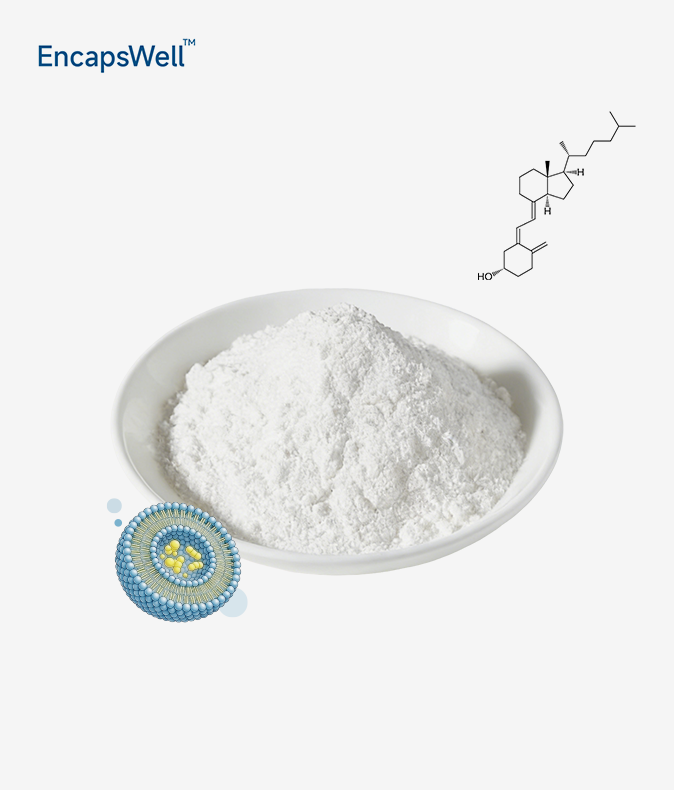
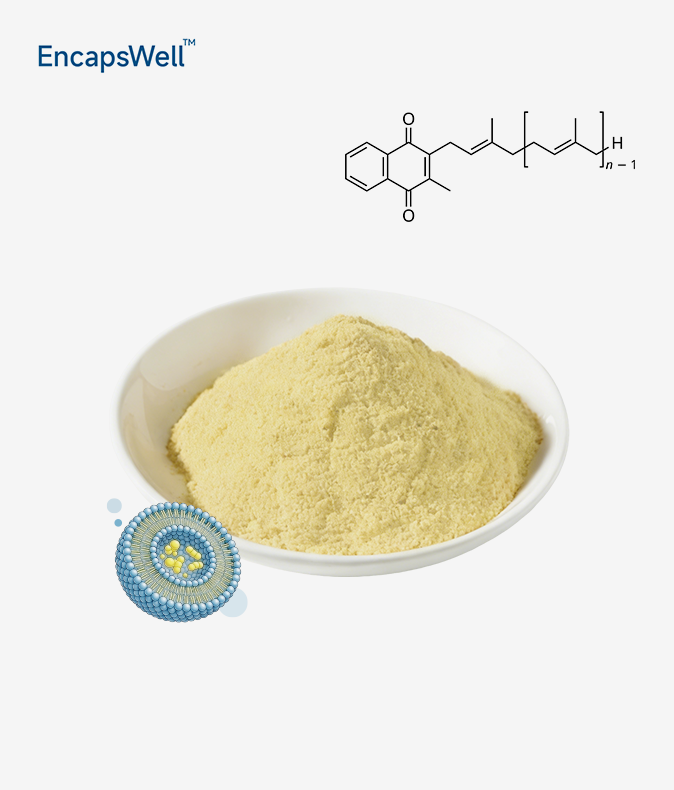
Liposomal Omega-3 powder absorption optimizes when consumed with meals containing dietary fats that stimulate bile release, though liposomal forms reduce this dependency compared to standard oils. Pairing with fat-soluble vitamins such as vitamin D or K2 creates synergistic cardiovascular and bone health formulations. Antioxidants, such as astaxanthin or vitamin E, keep omega-3s from oxidising, which makes finished products more stable for longer.
Safety Profile and Tolerance
At recommended doses, encapsulated omega-3 demonstrates excellent tolerance. The lipid coating stops the gastric irritation and acid reflux that can happen with taking a lot of fish oil. Anticoagulant medication users should consult healthcare providers before exceeding 3 grams daily due to EPA's mild blood-thinning effects, a precaution applicable to all omega-3 forms. Microbiology testing confirming total plate counts below 1000 cfu/g ensures products meet safety standards for immune-compromised populations.

Why Choose Liposomal Omega-3 Powder? A Rational Choice for B2B Buyers
Market Trends Driving Liposomal Adoption
Bioavailability proof is becoming more and more important to back up label claims in the global nutraceutical market. People look into ingredient technologies and expect clear information about how ingredients work and how they are absorbed. Liposomal delivery systems are what set them apart in the clinical world and turn skeptical browsers into loyal customers. Beauty-from-within groups really like this technology because the health benefits for the face rely on steady amounts of Liposomal Omega-3 powder in the tissues, which regular supplements have trouble doing.
Competitive Differentiation Through Technology
Generic fish oil competes primarily on price, making the category more like other goods. When brands use advanced delivery platforms, they get top placement and can charge higher retail prices because they work better. Third-party bioavailability studies, particle size specifications, and encapsulation efficiency data can be used in marketing messages to show that this product is better than others that use regular ingredients. This technical storytelling works for smart shoppers who do research before making a purchase decision.
Supplier Evaluation Criteria
Reliable supply chains separate successful launches from inventory disasters. Evaluate potential partners on lead time predictability, minimum order flexibility, and technical support responsiveness. Our US-based operations in San Diego give us benefits that overseas-only sources can't match, such as same-time-zone communication, domestic warehousing for rapid sample shipments, and on-site R&D advice. These operational details accelerate development cycles and resolve formulation challenges quickly.
Quality Assurance and Long-Term Partnership
After the first liposomal omega-3 powder product launch, successful brands require suppliers committed to continuous improvement and regulatory vigilance. Stability tests, oxidation tracking, and contamination screening should be standard, not premium services. Our in-house laboratory performs ongoing quality verification, with documentation supporting FDA GRAS status and compliance with evolving supplement regulations. Building relationships with suppliers who invest in technology advancement protects your brand as scientific understanding and consumer expectations evolve.
Conclusion
Liposomal encapsulation represents the next evolution in omega-3 supplementation, solving bioavailability and stability challenges that have limited traditional delivery formats. For product developers, procurement specialists, and brand managers, phospholipid-based powder formulations offer a pathway to differentiated products that deliver measurable health outcomes. The technology aligns with clean-label preferences, enables innovative product formats, and supports premium market positioning backed by absorption science. Selecting the right manufacturing partner ensures access to certified, stable ingredients with technical support throughout development and scaling phases. As consumers become smarter and regulators become more strict, investing in advanced delivery systems positions brands for sustained competitiveness in the dynamic nutritional supplement marketplace.
FAQ
How does liposomal omega-3 powder compare in effectiveness to standard fish oil capsules?
Researchers have found that liposomal encapsulation raises plasma levels of EPA and DHA by about three times compared to the same amounts of unencapsulated fish oil. The phospholipid bilayer protects omega-3s from oxidative damage during digestion and facilitates direct absorption through intestinal cell membranes. Standard pills need to be emulsified with bile salts, which can be done in different ways depending on how well the digestive system works for each person. This translates to more consistent clinical outcomes across diverse populations when using liposomal omega-3 powder formats.
Can I request custom formulations and private label services?
EmerWell specializes in tailored formulations through our EncapsWell™ platform. We work together to create unique EPA:DHA ratios, particle size requirements, and ways to combine them with other active ingredients like astaxanthin or CoQ10. Private label programs offer help with designing unique packaging, testing for stability in your specific format, and helping with regulatory paperwork. Minimum order quantities scale with product complexity, with pilot batches available for market testing before full-scale production commitments.
What factors influence pricing for liposomal omega-3 powder?
Pricing reflects encapsulation technology complexity, certification requirements, and omega-3 concentration. Higher encapsulation efficiency and tighter particle size distributions require advanced processing that adds cost. Certifications like Kosher, Halal, and infant-grade contaminant screening involve third-party auditing expenses. Volume commitments reduce per-unit costs through production efficiency gains. Transparent suppliers provide detailed quotations breaking down raw material, processing, testing, and logistics components for accurate budgeting.
Partner with a Trusted Liposomal Omega-3 Powder Manufacturer
EmerWell delivers advanced omega-3 delivery solutions backed by our San Diego-based Ph.D. research team and cGMP-certified manufacturing infrastructure. Our EncapsWell™ platform produces superior bioavailability formulations that differentiate your brand in competitive wellness markets. We offer comprehensive OEM services, from concept development through commercial scaling, with domestic warehousing enabling rapid sample delivery and responsive technical support. Whether you're launching innovative functional beverages, premium dietary supplements, or specialized sports nutrition products, our team provides the expertise and quality assurance your brand deserves. Contact us at info@emerwell-bio.com to discuss your liposomal omega-3 powder supplier requirements and discover how our technology can elevate your product portfolio.
References
1. Sugasini, D., Thomas, R., Yalagala, P. C., Tai, L. M., & Subbaiah, P. V. (2017). Dietary Docosahexaenoic Acid Supplementation: Comparison of Bioavailability of Different Forms in Mice. Nutritional Neuroscience, 20(9), 543-553.
2. Raatz, S. K., Redmon, J. B., Wimmergren, N., Donadio, J. V., & Bibus, D. M. (2009). Enhanced Bioavailability of EPA and DHA from Emulsified Oil Supplement Compared with Encapsulated Oil Supplement. Journal of the American Dietetic Association, 109(6), 1076-1081.
3. Schuchardt, J. P., & Hahn, A. (2013). Bioavailability of Long-Chain Omega-3 Fatty Acids. Prostaglandins, Leukotrienes, and Essential Fatty Acids, 89(1), 1-8.
4. Davidson, M. H., Johnson, J., Rooney, M. W., Kyle, M. L., & Kling, D. F. (2012). A Novel Omega-3 Free Fatty Acid Formulation Has Dramatically Improved Bioavailability During a Low-Fat Diet: The ECLIPSE Study. Journal of Clinical Lipidology, 6(6), 573-584.
5. Offman, E., Marenco, T., Ferber, S., Johnson, J., Kling, D., & Curcio, D. (2013). Steady-State Bioavailability of Prescription Omega-3 on a Low-Fat Diet Is Significantly Improved with a Novel Formulation. Clinical Pharmacology in Drug Development, 2(2), 141-150.
6. Lawson, L. D., & Hughes, B. G. (1988). Human Absorption of Fish Oil Fatty Acids as Triacylglycerols, Free Acids, or Ethyl Esters. Biochemical and Biophysical Research Communications, 152(1), 328-335.
Online Message
YOU MAY LIKE
High quality furniture manufacturer