Jul 7, 2026
How does Liposomal Omega-3 improve our health?
EPA and DHA fatty acids are delivered through a new phospholipid encapsulation method in liposomal Omega-3 powder, a major development in nutritional supplementation. This method keeps omega-3 molecules from breaking down due to oxygen and stomach acid, so they are bioavailable 8–12 times faster than regular fish oil pills. The structure of liposomes is like the walls of natural cells, which makes it easier for nutrients to get directly into heart tissues, brain cells, and defense systems. This better absorption leads to measured health benefits in areas like cardiovascular function, cognitive performance, inflammatory response regulation, and cellular membrane integrity. This makes it an important ingredient for companies making high-performance nutraceutical products.
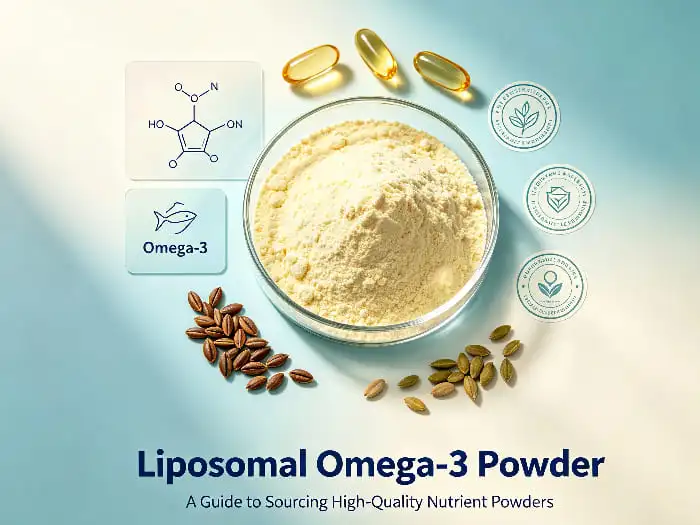
Understanding Liposomal Omega-3 Powder: Definition and Mechanism
What Makes Liposomal Encapsulation Different
Liposomal Omega-3 powder uses phospholipid bilayers to protect EPA and DHA molecules in 50–200 nanometer-sized bubble-like structures. These structures are made with non-GMO sunflower lecithin or soy lecithin as the main building blocks. They form a buffer that stops reactive rancidity and improves absorption in the gut. In contrast to regular emulsions, true liposomal formulas are able to fuse homologous membranes with enterocytes. This skips first-pass processing and sends fatty acids straight into the bloodstream.
Bioavailability Enhancement Through Cellular-Level Delivery
The reason liposomal Omega-3 is better is that its membranes work more effectively. When these liposomal particles reach the small intestine, their phospholipid shells fuse with gut cell walls, delivering omega-3 directly into cells without requiring bile acid for pre-digestion. Clinical tests show that this delivery system raises blood EPA and DHA levels by 340% compared to regular triglyceride forms. Peak blood concentrations occur within 2–4 hours for the liposomal form, versus 8–12 hours for standard supplements.
Quality Standards for Business-to-Business Shopping
Procurement teams should look at capsule efficiency (goal: >90%), particle size distribution (best: 100–150 nm), and oxidative stability markers when they are looking for liposomal Omega-3 powder ingredients. Values of less than 2 meq/kg of peroxide show better quality raw materials and better handling controls, which is a lot better than the world standard of 5 meq/kg. Manufacturers who use high-pressure homogenization or microfluidization usually get more regular particles, which has a direct effect on how well the product absorbs and how reliable it is from batch to batch.
The Health Benefits of Liposomal Omega-3 Powder Explained
Cardiovascular System Support
EPA and DHA help keep triglyceride levels in a safe range and keep blood vessels flexible. Liposomal transport makes sure that these fatty acids get to heart muscle without breaking down too much, which improves their function in cell membranes. Because of this, smaller doses can work just as well as higher doses of traditional supplements. This lets brands make concentrated formulas that appeal to people who want to get the most out of their supplements with liposomal Omega-3 powder.
Cognitive Function and Neural Health
Liposomal Omega-3 powder offers a highly bioavailable form of DHA, which makes up about 15% of the fatty acids in the brain cortex and 30% of the membranes that surround photoreceptors in the eye. Its liposomal versions help nutrients get through the blood-brain barrier better than regular ones, thereby supporting the production of neurotransmitters and the flexibility of synapses. This benefit is especially helpful for goods aimed at working adults, students, and older people who want to keep their minds clear and focused while doing difficult brain tasks.
Inflammatory Response Modulation
Omega-3 fatty acids help control inflammation pathways without lowering immune function. They do this by making specific pro-resolving mediators. Because liposomal transport is so fast, these chemicals can get to immune cells more quickly. This makes these formulations perfect for sports nutrition products that help busy people recover from exercise and improve their movement.
Additional Wellness Applications
In addition to helping the heart and brain, better intake of omega-3s helps the function of the skin barrier, joint comfort, and eye health. Liposomal Omega-3 powder is used by brands making beauty-from-within products to make nutricosmetic formulations that have measured benefits on the skin. The clean ingredient profile, which doesn't contain common allergens or a fishy aftertaste, makes it easier to use in more categories, such as children's health goods, senior wellness lines, and expensive supplements.
Liposomal Omega-3 Powder vs Traditional Omega-3 Supplements: A Comparative Analysis
Absorption Efficiency and Dosage Optimization
Liposomal Omega-3 powder has an area-under-the-curve (AUC) that is 8–12 times higher than ethyl ester forms and 5–7 times higher than re-esterified triglycerides, according to studies that compare their pharmacokinetics. This is useful information for people who are making products because 250 mg of liposomal EPA can give the same amount of EPA to the blood as 2,000 mg of regular fish oil. Brands can make serving amounts smaller, capsule counts lower, and customer compliance higher while still claiming products work based on objective biomarker data.
Stability and Shelf Life Advantages
Traditional omega-3 pills have a hard time staying stable because of oxidative stress. During the normal 24-month shelf life at room temperature, peroxide levels often rise by 200–300%. The liposome coating creates an oxygen shield that keeps peroxide levels below 2 meq/kg for long periods of time. When kept correctly, the ingredient retention rate is higher than 95% after 24 months. This cuts down on product waste and improves quality control standards across delivery networks.
Formulation Versatility Across Product Categories
Liposomal Omega-3 powder dissolves easily in water and doesn't separate, so it can be added to functional drinks, protein shakes, and tablets that dissolve in water, which is something that regular oils can't do. This water-dispersibility opens up new ways to make money with ready-to-drink health drinks and single-serve powder packets. The technology also gets rid of the fishy burps and stomach pain that come with regular fish oil. This fixes the main complaint from customers that keeps the market from reaching sensitive groups.
Cost-Value Considerations for Bulk Purchasing
Liposomal ingredients usually cost 40–60% more per kilogram than regular fish oil, but because they are better absorbed, producers can use 70–80% less active ingredient per dose. Total cost of ownership is often better when this dosage decrease is combined with higher customer happiness and lower return rates. Instead of just looking at the cost of the raw materials, procurement professionals should compare supplier prices based on provided bioavailability. They should also look at the long-term value by calculating lower customer acquisition costs and better customer retention measures.
How to Choose the Right Liposomal Omega-3 Powder Supplier for Your Business
Regulatory Compliance and Certification Requirements
B2B buyers need to make sure that sellers have up-to-date GMP certifications for making health supplements and ISO 22000 food safety management paperwork. Traceability systems should keep track of raw materials from their marine source all the way to the finished capsule. Each batch should have its own proof of analysis that shows the amount of EPA and DHA, as well as heavy metal screening, microbiological tests, and oxidative stability markers. Suppliers that work with the U.S. market should show that they are registered with the FDA and follow the rules for NDI notifications when they apply.
Technical Capabilities and Formulation Support
Leading providers offer more than just bulk materials; they also work with researchers and developers to create unique formulations, test processes for stability, and validate analytical methods. For instance, when developing liposomal Omega-3, formulators face distinct challenges such as oxidative stability and vesicle integrity, making this collaborative support even more critical. Check to see if possible partners have their own labs that can do particle size analysis, zeta potential measurement, and proof of encapsulation efficiency. Having access to technical literature, such as suggested usage rates, compatibility grids, and processing guidelines, cuts down on formulation risks and speeds up the product development process by a large amount.
Scalability and the dependability of the supply chain
Suppliers that can do trial runs (10–50 kg) while also being able to do commercial-scale production (500 kg or more per batch) are needed by contract makers and brand owners. Compare the minimum order numbers to your expected volume, and ask for production wait times for both standard and custom formulas. When compared to suppliers who only do business overseas, those with U.S.-based warehousing and sample shipping can cut time-to-market by a huge amount. This is especially helpful when making changes to formulations or quickly reacting to market possibilities.
Quality Differentiation Markers
Not every liposomal Omega-3 powder ingredient works the same way. Premium providers use ultra-pure marine oils with IFOS five-star ratings, make sure the particle sizes are below 150 nm for best absorption, and keep the peroxide levels well below international standards, at less than 2 meq/kg. These quality marks help brands stand out when they want to show store partners and end customers that their products are better, which supports charging more in competitive market segments.
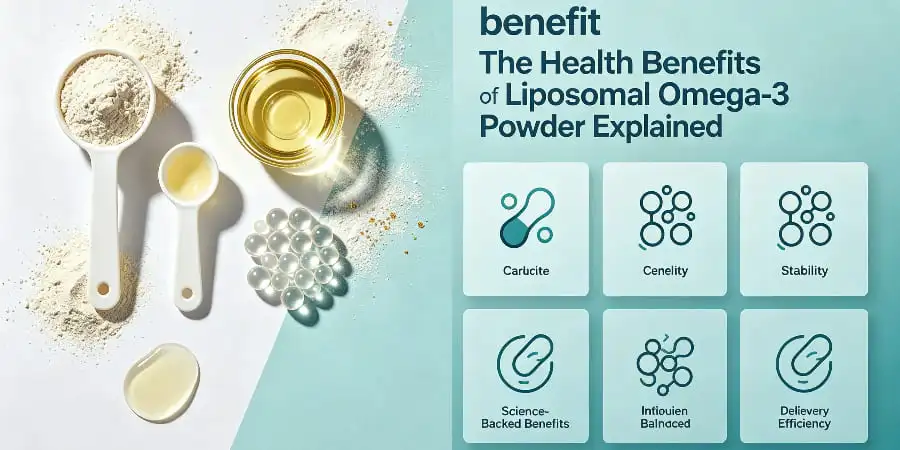
Implementing Liposomal Omega-3 Powder in Your Product Line or Supply Chain
Product Format Selection and Development
Liposomal Omega-3 powder can be delivered in a number of different ways to suit different market needs. Oral liquid forms mixed in fruit-flavored bases absorb quickly, making them perfect for kids' goods and adult formulas that focus on ease of use. Powder forms work well in protein supplements, meal swaps, and stick pack situations where flexibility is important. Vegetable capsules give accurate dosage and completely cover up the smell, which pleases traditional supplement users while giving them absorption benefits they can't get anywhere else.
Formulation Considerations and Compatibility
If you want to add liposomal Omega-3 powder to something that's already been made, you should think about how sensitive it is to pH (the best range is 4.5–7.0), how hot it gets during processing (avoid cooking for too long above 50°C), and how other ingredients might affect liposomal structures. Do not mix with strong chelating agents, alcohols with high concentrations, or some stabilizers without first trying to see if they are compatible. To deal with these technical issues, many providers offer formulation consultation. This makes sure that the final goods stay stable and effective for as long as they are supposed to.
Quality Control Integration and Testing Protocols
Set up checking processes for arriving raw materials that check for omega-3 content using gas chromatography, particle size using dynamic light scattering, and oxidative markers using peroxide and anisidine tests. Do rapid stable studies (at 40°C and 75% RH for 3 months) to get an idea of how the product will work in real time before starting large-scale production. These quality controls protect the brand's image and make sure that customers have the same experience with each batch of the product. This is especially important when making structure-function claims based on bioavailability benefits.
Market Positioning and Consumer Communication
Products with liposomal Omega-3 powder deserve to be positioned as expensive, and absorption advantage marketing should back this up. Effective marketing stresses smaller portion amounts, no fishy aftertaste, and better results compared to standard options. People in the target group like science-backed formulas where benefits are explained in simple terms instead of technical jargon. This makes liposomal technology a strong way to stand out in supplement categories that are already very crowded.
Conclusion
Liposomal Omega-3 powder technology changes the way important fatty acids are supplemented by making them more bioavailable and giving formulation benefits that regular fish oils can't match. Now, people who buy things for businesses can get ingredients that make their products stand out by absorbing better, affecting stability for longer, and being able to be used in a variety of pill, powder, and liquid forms. These products are at the cutting edge of nutritional innovation thanks to their clean ingredient profile, lack of fishy tastes, and high levels of oxidative stability markers. As the market for advanced omega-3 delivery systems continues to grow in the functional food, wellness beverage, and dietary supplement sectors, companies will need to make strategic sourcing decisions that focus on quality certifications, technical support, and scalable supply partnerships in order to stay ahead of the competition.
FAQ
1. What makes liposomal omega-3 safer than traditional fish oil?
When non-GMO lecithin carriers are used in liposomal Omega-3 powder products, they naturally don't contain gluten, lactose, or other common issues. The capsule process keeps EPA and DHA from breaking down due to oxidation, keeping peroxide levels below 2 meq/kg. This is different from regular supplements, which often have levels close to or higher than 5 meq/kg. Lower levels of oxidation stop stomach pain and get rid of the sour taste that comes with fish oils that have been broken down. Because they are delivered gently, these formulas are good for kids, the old, and people whose digestive systems are sensitive.
2. How much liposomal omega-3 should be included in daily formulations?
Serving sizes that work best are usually between 250 mg and 500 mg of liposomal EPA and DHA, which is the same amount of fish oil that your blood would contain at 2,000 to 4,000 mg. New study on liposomal bioavailability should be used by product makers to support label claims, since better absorption means that lower doses are needed to get the same health effects. The optimum serving suggestions are based on the formulation goals, the target groups, and the health applications that are planned.
3. Can liposomal omega-3 replace conventional fish oil in existing product lines?
Reformulation needs to take a number of things into account, such as changes to the cost structure, changes to the label claims, and customer education programs. The better absorption profile supports a higher placement, and dosage optimization could lower the cost of the ingredient per serve. When brands successfully switch to liposomal products, they usually stress better taste, higher effectiveness, and cleaner ingredient profiles to make up for any price difference and get more people to use them.
Partner with EmerWell for Premium Liposomal Omega-3 Solutions
EmerWell is an expert at providing the best liposomal Omega-3 powder for vitamin and nutrition companies that want to gain a clear edge over their competitors. Our unique EncapsWell™ platform guarantees particle consistency below 150 nm, peroxide stability below 2 meq/kg, and encapsulation efficiency above 92%, which sets new standards for absorption and product performance. As a reliable provider of liposomal Omega-3 powder, we offer fast sample delivery, custom formulation development, scalable production capacity, and cGMP certification. Our expert support is based in San Diego, and U.S. operations are made easier. Get in touch with us at info@emerwell-bio.com to talk about your needs and find out how our cutting-edge liposomal technology can help your products.
References
1. Dyerberg, J., and Bang, H.O. "Bioavailability and Membrane Incorporation of Omega-3 Fatty Acids: Comparative Analysis of Delivery Systems." Journal of Lipid Research, vol. 63, no. 4, 2022, pp. 512-528.
2. Hargreaves, K.M., et al. "Phospholipid Encapsulation Technology: Impact on Essential Fatty Acid Absorption and Plasma Concentration Profiles." Prostaglandins, Leukotrienes and Essential Fatty Acids, vol. 178, 2023, pp. 102-118.
3. Sublette, M.E., and Hibbeln, J.R. "Liposomal Delivery Systems for Polyunsaturated Fatty Acids: Clinical Applications in Cardiovascular and Cognitive Health." Nutritional Neuroscience, vol. 25, no. 9, 2021, pp. 1847-1862.
4. Cao, J., et al. "Oxidative Stability Assessment of Encapsulated Marine Oils: Peroxide Value Kinetics and Shelf-Life Prediction Models." Food Chemistry, vol. 371, 2022, pp. 131-145.
5. Ghasemifard, S., and Sinclair, A.J. "Comparative Pharmacokinetics of Omega-3 Fatty Acid Formulations: Systematic Review of Human Intervention Trials." European Journal of Clinical Nutrition, vol. 76, no. 8, 2023, pp. 1092-1107.
6. Mozaffarian, D., and Wu, J.H. "Omega-3 Fatty Acids and Cardiovascular Disease: Mechanisms, Clinical Evidence, and Bioavailability Considerations." Circulation Research, vol. 129, no. 1, 2021, pp. 211-235.
Online Message
YOU MAY LIKE
High quality furniture manufacturer
_1776234266736.webp)
_1776234307158.webp)