May 28, 2026
Encapsulating the Nutrients of Nature: Liposomal Vitamin C
When you're developing high-performance nutraceutical formulations, bioavailability isn't just a technical specification—it's the difference between a product that truly works and one that underdelivers. Liposomal vitamin C powder represents a breakthrough in nutrient delivery, encapsulating ascorbic acid within phospholipid vesicles to achieve absorption rates up to eight times higher than conventional forms. This advanced ingredient solves persistent challenges in supplement formulation: poor systemic uptake, gastric irritation, and rapid elimination. Understanding how this technology works and how to source it strategically can transform your product portfolio and meet the sophisticated demands of today's wellness-focused consumers.
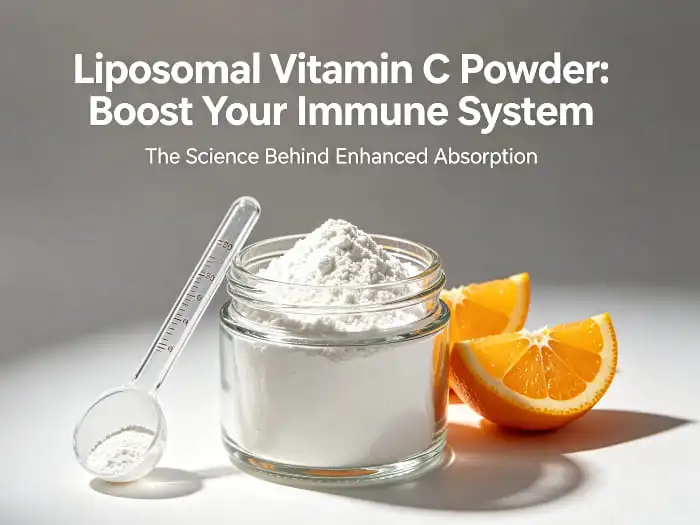
Understanding Liposomal Vitamin C Powder: Science and Benefits
Liposomal encapsulation alters vitamin C's physiological effects. Absorption efficiency declines considerably after you approach 200mg of traditional ascorbic acid because active transport pathways saturate soon. Standard powders and pills contain too much for our bodies.
The Liposomal Advantage in Nutrient Delivery
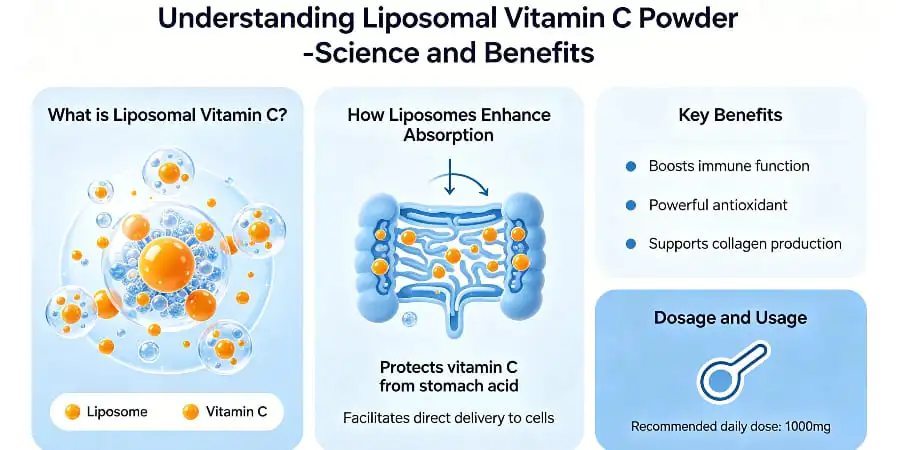
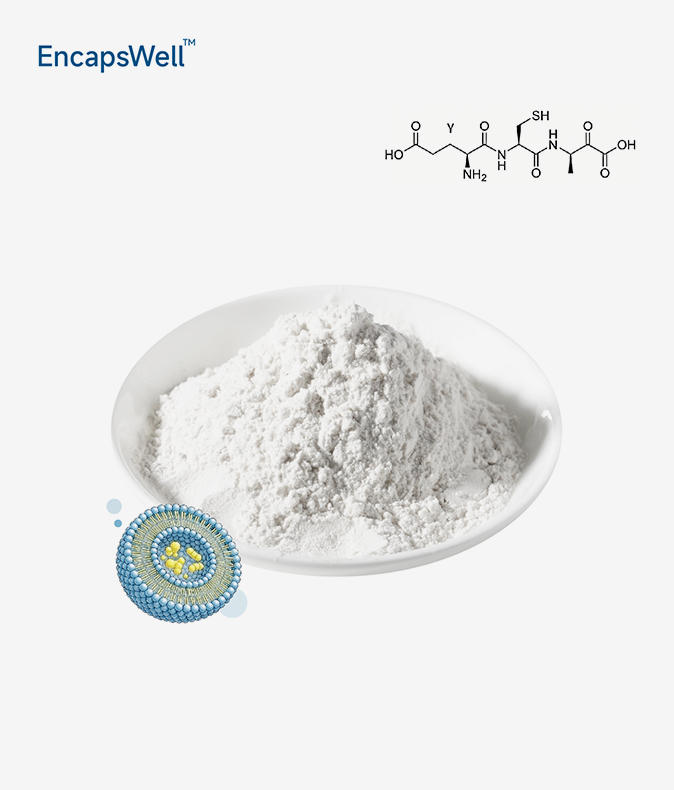
Cellular architecture mimicry is innovative. Phospholipid bilayers, made from non-GMO sunflower lecithin with over 50% phosphatidylcholine, wrap vitamin C molecules into 100nm to 400nm nanovesicles. These structures don't use saturatable transporters in the gut. Endocytosis merges them directly with cell membranes, circumventing absorption limits.
This process has several benefits. Premium formulations shield active ingredients from stomach acid with 50-70% encapsulation effectiveness. The lipid barrier protects vitamin C from formula components, reducing oxidation that reduces potency and shelf life. After reconstitution, these vesicles retain plasma longer than immediate-release alternatives, sustaining therapeutic levels.
Clinical Benefits for High-Performance Formulations
Functional consequences result from increased bioavailability. Immune system regulation improves when intracellular concentrations are appropriate. Vitamin C penetrates tissues more deeply, neutralizing free radicals at damaged cellular locations. Collagen production improves significantly, making this form useful for nutricosmetic skin, joint, and anti-aging applications.
Research supports these assertions. Cellular absorption is double that of normal ascorbic acid in vitro. Stability testing shows potency retention above 95% for 24 months under suitable storage. These are fundamental performance improvements that warrant premium positioning in competitive markets.
Comparing Liposomal Vitamin C Powder with Other Forms: What B2B Buyers Need to Know
Understanding delivery format performance differences drives procurement decisions. Each vitamin C type has distinct production, product positioning, and consumer outcomes trade-offs.
Performance Metrics Across Delivery Systems
Standard ascorbic acid granules are cheaper but have gastrointestinal tolerance limits. Osmotic diarrhea limits high-potency product formulation flexibility over 1000mg. At therapeutic dosages, capsules and tablets have comparable absorption limits, seldom reaching 20% systemic bioavailability. Liquid liposomes have good absorption but stability issues. Preservatives, refrigeration, and pH control are needed. Shipping expenses rise with weight and volume. Inventory management is complicated by shelf life, especially for multinational distribution networks. liposomal vitamin C powder removes compromises. It is stable at room temperature, transports well in bulk, and reconstitutes easily in drinks, sachets, and capsules. The dry format inhibits hydrolysis and microbiological development without additives, increasing shelf life and clean label. This adaptability simplifies manufacturing for contract producers with numerous SKUs and dosage formats.
Evaluating Supplier Quality and Certification Standards
Different liposomal vitamin C powders operate differently. Absorption kinetics depend on particle size. Encapsulation efficiency influences bioavailability. Lipid supply quality affects allergens and function. Premium vendors give DLS analysis to verify particle size homogeneity, third-party encapsulation efficiency statistics, and stability reports to track potency under accelerated settings. Certifications are crucial. Manufacturing is rigorous with cGMP. ISO 9001/22000 certifies quality management systems. HACCP shows contamination control. HALAL, Kosher, Non-GMO Project Verified, and vegan certifications offer niche markets. Request current manufacturing batch Certificates of Analysis while assessing partners. Check heavy metals, microbiological, and pesticide residue data. Check traceability systems from ingredient source to product delivery. In an increasingly saturated industry, these quality markers distinguish reputable partners from opportunistic sellers.
How to Use and Optimize Liposomal Vitamin C Powder in Procurement and Production?
Formulation science and operational logistics are needed to integrate sophisticated compounds. Technical qualities must meet application needs to optimize liposomal vitamin C powder's adaptability.
Formulation Applications Across Product Categories
High-dose immune support formulations are easiest to use. Without gastrointestinal discomfort, 1000mg to 3000mg works. Liposomal encapsulation enables mega-dose therapy previously only possible intravenously. Customers seeking clinical-grade immune support throughout seasonal difficulties or recuperation choose sachets with daily dosages.
Functional beverages and ready-to-mix powders benefit from the protective lipid barrier. Free ascorbic acid degrades taste characteristics and accelerates nutritional loss in complex matrices including proteins, minerals, or botanical extracts. Encapsulation preserves flavor and shelf life by preventing these interactions. Stability makes sports recovery beverages, collagen boosters, and wellness injections retailable.
Nutricosmetic formulations leverage both the vitamin C activity and the phospholipid content itself. Cell membrane repair occurs as phosphatidylcholine supports structure. Better intracellular vitamin C concentrations boost collagen production. Anti-aging delicacies, beauty-from-within pills, and skin health supplements differentiate by observable efficacy, which boosts consumer loyalty and premium pricing.
Dosage Optimization and Quality Assurance Protocols
Based on product positioning and goals, serving sizes of liposomal vitamin C powder range from 500mg to 2000mg. The increased absorption permits low-dose dosing with biological effects. Due to prolonged release, daily dosages are less necessary, increasing timing flexibility. Product stability is part of quality assurance beyond ingredient verification. If combining with other actives, especially minerals that interact with lipid structures, assess compatibility. Hygroscopicity affects powder flow and capsule filling, thus monitor moisture during storage. Track potency, particle integrity, and organoleptic qualities during shelf life via stability methods. Packaging affects product success. Moisture-blocking materials resist decay. Single-serve forms simplify and accurately dose. Manufacturing partners' bulk packaging should incorporate desiccants and nitrogen flushes for long-term storage.
Procurement Strategies and Market Opportunities for Liposomal Vitamin C Powder
Strategic sourcing affects market response and cost effectiveness. Advanced nutrition delivery systems are in high demand worldwide, generating opportunity for businesses with strong formulations and solid supply chains.
Key Evaluation Parameters for Bulk Procurement
Standards of purity guide quality evaluation. HPLC analysis verifies vitamin C concentration at 99% or higher by weight. Check lipid composition—phosphatidylcholine content influences function, whereas fatty acid profiles affect oxidative stability. Lead must be below 0.5ppm, arsenic below 1.5ppm, and mercury below 0.15ppm, according USP guidelines. Price dynamics reflect raw material costs and production complexity. Expect 3-5 times higher pricing than ordinary ascorbic acid, but consider total cost of ownership. Bioavailability can lower serving sizes in specific cases. Stability reduces inventory degradation waste. Improved effectiveness boosts brand distinctiveness and profitability. Minimum order numbers vary widely across vendors. Many specialized manufacturers want 500kg to 1000kg commitments. Smaller inventive suppliers may allow 100kg product development trials. Avoid capital tie-up in slow-moving goods by aligning MOQ negotiations with sales forecasting and inventory turnover.
Supplier Relationship Management and Risk Mitigation
Geography impacts logistics and continuity. Strategic collaborations allow us to produce over 100 metric tons per year and offer customizable batch sizes for emerging companies. North American clients may get local technical assistance, fast sample delivery, and efficient communication from our San Diego headquarters, supported by Wellgreen's certified production infrastructure. Regional market access is simplified by regulatory compliance. Supplier assistance should include export certifications, country-specific health certificates, and FDA, EU Novel Food, ANVISA, and other regulatory guidelines. This paperwork bundle cuts time-to-market and prevents costly customs or regulatory delays. Audit processes safeguard brand reputation. Check the manufacturing facilities' production conditions, equipment upkeep, staff training, and documentation systems. Check brand track records and client references. Quality agreements should include standards, testing methodologies, and corrective action procedures before long-term supply contracts.
Future Outlook and Innovation in Liposomal Vitamin C Technology
Consumer desire for effectiveness, clean-label openness, and scientific validation with liposomal vitamin C puts sophisticated delivery methods at the forefront of supplement innovation. New innovations will extend applications and boost performance.
Technological Advancements Shaping Next-Generation Products
Size distribution optimization for absorption channels is the subject of particle engineering research. Smaller vesicles below 100nm may improve lymphatic absorption, while bigger structures lengthen release profiles. Programmable release kinetics allow circadian immune function-optimized administration in multi-vesicular systems with various lipid layers. Liposomal and protective systems are used in hybrid encapsulation. Co-encapsulating synergistic nutrients like vitamin C with zinc, quercetin, or elderberry generates single-dose immunological compositions with complimentary processes. Microencapsulation in bigger matrices allows phased release, preserving sensitive actives during tableting or gummy manufacture that challenged liposomal stability. Manufacturing efficiency improvements cut costs and preserve quality. Batch production is replaced with continuous processing, improving throughput and uniformity. Optimization during spray-drying maintains particle structure and improves powder flow. These developments allow mid-market brands to use premium formulas, broadening the market.
Market Growth Drivers and Competitive Positioning
Leading brands' bioavailability education raises consumer understanding of new category requirements. Immune health is a major concern, especially for those facing cold and flu season or pursuing preventive wellness. As tangible results confirm ingestible skin health techniques, the beauty-from-within category grows significantly. Market intelligence forecasts 8%+ compound annual growth for improved supplement delivery methods through 2030. Brands that differentiate on efficacy rather than price create more value. As categories develop, early adopters of verified technology like liposomal encapsulation create competitive moats to defend market position. Procurement managers who understand these dynamics can gain competitive advantages through early supplier agreements, exclusive formulation development, and thought leadership market entrance timing. While mainstream adoption accelerates, differentiation stays open but narrows.
Conclusion
liposomal vitamin C powder is more than an incremental improvement—it changes nutritional delivery. The eight-fold bioavailability increase over traditional forms means better products for customers. Applications include all wellness areas, from immune support formulas that prevent gastrointestinal pain to beauty supplements that boost skin health. Strategic procurement of high-quality ingredients with comprehensive certifications, third-party testing, and supplier transparency empowers companies to seize expanding market possibilities. Companies with innovative delivery methods have a competitive edge as customer sophistication and effectiveness expectations rise.
FAQ
What encapsulation efficiency should buyers expect from quality suppliers?
Premium liposomal vitamin C powder preserves 50-70% encapsulation efficiency, depending on production. Spray-drying maximizes cost-effectiveness with somewhat lower but still useful efficiency, while freeze-drying is at the highest end. Ask for third-party-tested data instead of marketing promises.
Can liposomal powder replace standard vitamin C in existing formulations?
Delivery format and desired results determine substitution. Direct replacement in capsules, pills, and powders works well with dose modification for bioavailability. liposomal vitamin C powder work better for complex matrices like protein drinks and collagen mixes because the lipid barrier inhibits unwanted interactions. When reformulating, assess stability with all formula components.
Which certifications are most critical for international distribution?
cGMP accreditation underpins factory quality control. ISO 22000 and HACCP illustrate food safety management. HALAL and Kosher certifications target certain consumers. Organic and non-GMO Project Verified certificates fulfill clean-label standards. Set priorities by target market—European distribution needs Novel Food conformity, whereas Middle Eastern markets value HALAL verification.
Partner with EmerWell: Your Source for Premium Liposomal Vitamin C Powder
EmerWell utilizes its EncapsWell™ platform to develop unique nutraceutical products for the market. We provide high-bioavailability liposomal vitamin C powder with cGMP certification, third-party testing, and OEM/ODM customisation. Our San Diego staff offers local assistance, fast sample delivery, and PhD-led R&D experience. We simplify your concept-to-commercial success with bulk ingredient supply, custom formulation development, and turnkey private-label solutions. Contact info@emerwell-bio.com to discuss your liposomal vitamin C powder needs with a reliable provider dedicated to product quality.
References
Davis, J. L., Paris, H. L., Beals, J. W., et al. (2016). "Liposomal-encapsulated Ascorbic Acid: Influence on Vitamin C Bioavailability and Capacity to Protect Against Ischemia-Reperfusion Injury." Nutrition and Metabolic Insights, 9:25-30.
Granger, M., & Eck, P. (2018). "Dietary Vitamin C in Human Health." Advances in Food and Nutrition Research, Volume 83, Academic Press.
Hickey, S., Roberts, H. J., & Miller, N. J. (2008). "Pharmacokinetics of Oral Vitamin C." Journal of Nutritional and Environmental Medicine, 17(3):169-177.
Padayatty, S. J., Sun, H., Wang, Y., et al. (2004). "Vitamin C Pharmacokinetics: Implications for Oral and Intravenous Use." Annals of Internal Medicine, 140(7):533-537.
Pullar, J. M., Carr, A. C., & Vissers, M. (2017). "The Roles of Vitamin C in Skin Health." Nutrients, 9(8):866.
Zasowska-Nowak, A., Nowak, P. J., & Ciałkowska-Rysz, A. (2021). "High-Dose Vitamin C in Advanced-Stage Cancer Patients." Nutrients, 13(3):735.
Online Message
YOU MAY LIKE
High quality furniture manufacturer
_1776234266736.webp)