

May 22, 2026
Does Liposomal Glutathione Really Work? An In-Depth Look at Its Benefits and Efficacy
Regular glutathione supplements have traditionally had poor oral absorption. Liposomal glutathione powder improves this. The digestive system swiftly degrades normal glutathione molecules before they reach their target cells. Antioxidant molecules are protected by phospholipid bubbles in liposomal encapsulation. Glutathione absorption is 13 times quicker with this new delivery method. This allows the active chemical enter cells for cleaning, immunological protection, and skin health. Researchers found that liposomal administration bypasses enzymatic degradation, increasing cellular glutathione levels. This is crucial for supplement and health firms who wish to create scientifically proven formulas.
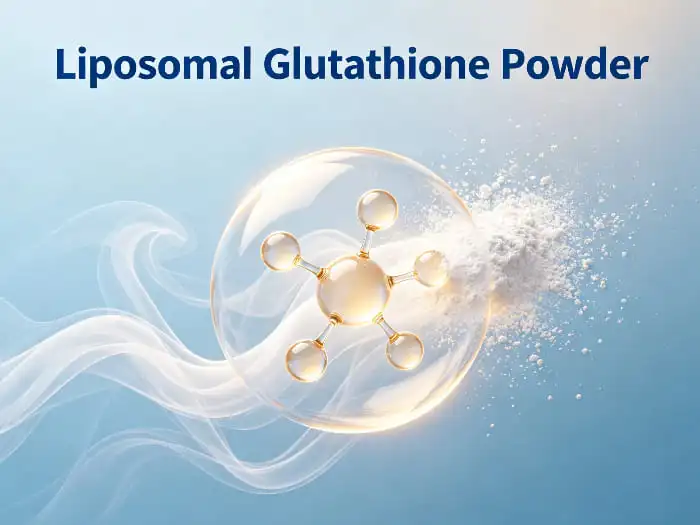
Understanding Liposomal Glutathione Powder
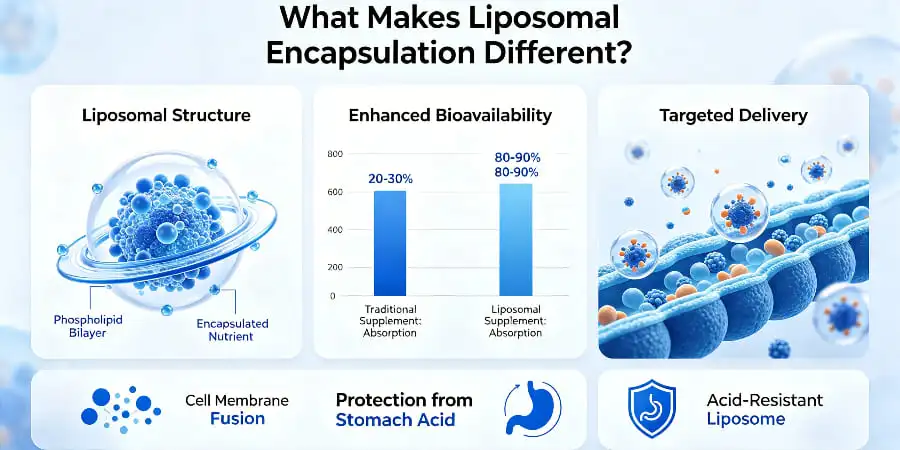
What Makes Liposomal Encapsulation Different?
High-tech medication delivery uses liposomal glutathione powder. Enclosing reduced L-glutathione molecules in phospholipid vesicles and freezing or spray-drying them creates a stable dry form. This glutathione tablet overcomes the fundamental absorption problem: stomach enzymes, notably gamma-glutamyl transferase, swiftly break down unprotected glutathione before it reaches the circulation. The lipid coating resembles a cell membrane, so cells may absorb it directly by membrane fusion instead of using inefficient intestine absorption methods.
Enhanced Absorption Mechanism
Multiple mechanisms act together to absorb. Phospholipid layers protect glutathione from stomach acid, and lipophilic liposomes can pass through gut cell walls. After entering enterocytes, capsule glutathione enters the circulation without first-pass metabolism. Clinical studies demonstrate liposomal glutathione powder formulations can significantly increase blood glutathione. Formulations can absorb more than 10 times more than usual.
Core Benefits for Product Development
Security for cells is the key benefit. All cells remove reactive oxygen species with glutathione. This protects DNA, proteins, and lipids from oxidation. This antioxidant function aids immune cells in fighting infections and stress. Glutathione connects toxins, heavy metals, and metabolic waste in the liver's detoxifying processes. This is why liver vitamins are crucial.
Skin Health Applications
Skin health purposes have driven nutritional makeup sales. Glutathione inhibits tyrosinase, reducing melanin formation and even skin tone. Liposomal glutathione powder beauty-from-within products can charge more in competitive marketplaces since they function better than topical or oral therapies.
Safety Profile and Dosage Considerations
Many clinical trials have proven that glutathione supplementation is safe. Most formulations recommend taking 250–1000 mg of reduced L-glutathione daily. Higher amounts have not been demonstrated to harm healthy persons. High doses can produce slight gastrointestinal troubles, although this is unusual. The liposomal format preserves the chemical throughout digestion, reducing the disagreeable tastes of sulfur in liquid forms.
Product designers should prioritize glutathione quality. Glutathione levels exceeding 95% in good liposomal glutathione powder provide consistent dosages and effects across batches.
Liposomal Glutathione vs Other Glutathione Forms—Comparative Insights
Absorption and Efficacy Differences
Standard glutathione powder and pills have poor absorption. Research shows that the body absorbs just 10–20% of non-liposomal glutathione. Since most of the active ingredient breaks down before entering the circulation, It's easy to absorb injectable glutathione, but it requires a doctor's supervision, is less convenient, and is regulated in many markets.
Liposomal glutathione powder solutions solve this gap by offering injection-like absorption without compliance issues. Quality liposomal forms boost absorption by 13 times, making them the greatest choice for consumer supplements. Even though the ingredients cost more, users see advantages at lesser doses, making the product more cost-effective.
Cost and Handling Considerations
Procurement teams often weigh ingredient costs against product performance. Liposomal glutathione powder costs three to five times more per kilogram than other forms, but its superior absorption makes it worthwhile. Brands can manufacture products with lower active dosages that function as well or better. This reduces raw material costs by reducing dosages.
Powders are easier to handle than liquid liposomes. Liquid liposomal glutathione powder is hard to ship worldwide, depends on cooling, and has a shelf life of 6–12 months. Liposomal glutathione powder is stable at room temperature for 24 months or more when correctly stored, making inventory management easier and reducing waste from outdated stock.
Natural vs Synthetic Sourcing
Glutathione is generated via chemical synthesis or yeast or bacterial fermentation. Clean-label companies that wish to seem natural favor fermentation-derived glutathione, even though both sources yield chemically equivalent reduced L-glutathione. Encapsulation phospholipids are usually made from non-GMO sunflower or soy lecithin. Sunflower is used in allergen-free formulations.
Comparison with Liposomal Vitamin C
Despite the fact that they both employ the same delivery technique, liposomal vitamin C and liposomal glutathione powder have quite distinct molecular activities. Glutathione is an antioxidant that acts inside cells, whereas vitamin C works outside and in the circulation. Glutathione restores vitamin C activity after injury. Many high-quality antioxidant blends include both chemicals to create functional antioxidant networks that appeal to health-conscious consumers.
Practical Guidance: How to Use and Procure Liposomal Glutathione Powder?
Optimal Dosage and Administration Methods
Formulation teams should consider medication usage while determining dosages. Beauty-from-within products include 250 to 500 mg and should be taken once a day on an empty stomach for optimal absorption. Daily detoxification and immune support may require 500 mg to 1,000 mg, divided into two or three doses. Liposomal glutathione powder can be added to pills, tablets, stick packs, and ready-to-mix liquid mixtures without clumping or losing stability.
Storage suggestions remain unchanged. Sealing containers in cool, dry areas away from direct light prolongs product efficacy. Lyophilized reduced L-glutathione powder resists oxidation better than ordinary powder. Sulfhydryl groups, which provide antioxidant activity, are also retained.
Procurement Strategy Essentials
When searching for bulk liposomal glutathione powder suppliers, procurement managers should prioritize many things. Analytical paperwork matters. Reliable suppliers issue Certificates of Analysis that demonstrate FDA and EPA-compliant heavy metal screening, particle size distribution, and HPLC-verified glutathione content. The encapsulation efficiency data reveals how much glutathione enters liposomes and how much remains free.
Logistics and Lead Time Planning
Manufacturing approvals indicate product quality and safety. Check if the facilities have current cGMP, ISO 22000, and product-specific certifications like Non-GMO proof, Kosher, Halal, and vegetable compliance. These licenses simplify market entry for a variety of client categories and regions.
Volume price models affect product economics greatly. From 10 kg for testing batches to 2,000 kg for full-scale production runs, suppliers charge varied pricing. Working with suppliers with variable MOQs lets businesses test new recipes and assess market reactions before stocking up.
Global supply chain changes affect buying preparation. US suppliers like EmerWell provide quicker lead times, greater regulatory compliance, and simpler communication. Local storage reduces testing sample shipping times and eliminates cold-chain processes that complicate international temperature-sensitive item transportation. Maintaining supplier ties and US technical support and R&D speeds up troubleshooting and special formulas.
Essential Certifications for Market Positioning
Certifications affect marketing claims and product delivery. The nutritional supplement industry demands cGMP goods, and organic approvals (NOP, EOS) provide premium natural product outlets. Kosher and Halal permits enable you contact particular clientele and global markets. Third-party testing facilities like NSF or USP provide firms targeting health-conscious supplement consumers greater credibility.
Evaluating Effectiveness: Scientific Evidence and User Reviews
Clinical Research Supporting Liposomal Delivery
Multiple studies show liposomal glutathione powder absorption is superior. Liposomal glutathione powder supplementation increased glutathione levels and reduced oxidative stress, according to a research in the European Journal of Nutrition. Liposomal encapsulation preserved glutathione during oral absorption in another investigation. This caused measurable blood glutathione increases, which is rare with oral supplementation.
These outcomes depend on phospholipid membrane protection. Lab tests demonstrate stomach enzymes can't break down liposomal particles. Exposed glutathione degrades slower. Protective action lasts through stomach and small intestinal acidity. Whole liposomes link intestinal cell membranes to release their contents into the circulation in the small intestine.
Real-World Performance in Target Markets
Professional formulation chemists and brand managers constantly praise liposomal glutathione powder. When nutricosmetic businesses transition to liposomal glutathione powder, they say they maintain more consumers and get better evaluations. Customers report skin brightness improvements after 4–8 weeks of usage. Functional beverage producers enjoy that the powder dissolves quickly in water and generates stable solutions without the sulfur flavor that makes glutathione beverages unpopular.
Addressing Common Misconceptions
Contract manufacturers for OEM/ODM clients value the model's flexibility. Hard pills, soft gels, pressed tablets, and ready-to-mix stick packs can be made from liposomal glutathione powder. This makes it easy to produce several items without changing formulations.
People are apprehensive of oral glutathione supplements for good reason. Non-liposomal glutathione isn't bioavailable, but properly manufactured liposomal glutathione powder is. The distinction is crucial for businesses that wish to educate customers and stand out in the supplement industry.
Many studies demonstrate that glutathione supplements are safe. In high quantities, certain antioxidants become pro-oxidants, while glutathione is safe in many levels. The body's intricate feedback systems prevent harmful glutathione oxidation.
Making the Decision: Is Liposomal Glutathione Powder Right for Your Business?
Aligning Product Features with Market Applications
The unique features of liposomal glutathione powder assist many industries. Nutraceutical businesses that know their products function might charge more due to increased bioavailability to attract high-end health-conscious clients. Clean labels—non-GMO, vegan, and allergen-free—fit what customers expect in natural products today.
Cost-Benefit Analysis for Bulk Procurement
Functional food and drink companies enjoy the powder's stability and mixability. When blended with water or beverage bases, appropriately produced liposomal glutathione powder forms stable liposomal suspensions instead of liquid liposomal products that separate or break down in water. This allows ready-to-drink health beverages, beauty shots, and functional water products to make uptake-backed claims about their efficacy.
Glutathione's skin health advantages make beauty-from-within products appealing to those who reject exterior treatments. More study confirms glutathione's melanin regulation role. This supports marketing claims, and liposomal glutathione powder delivery considers customers' bioavailability information.
When calculating ROI, buying teams should consider cost-per-effective-dose rather than ingredient prices. A 500 mg liposomal glutathione powder product that is 13 times more absorbed has the same effect on cells as 6,500 mg of normal glutathione, which is too much for most market items. When considering the genuine advantages, this effective dosage edge makes a high price cost-competitive.
Market Trends Driving Liposomal Technology Adoption
Simpler formulas, longer shelf lives that reduce inventory risk, and room-temperature stability that eliminates cold chains make production more efficient. In addition to cutting raw material costs, these operational advantages enhance profits during a product's lifespan.
Liposomal glutathione powder administration is part of a supplement industry push toward bioavailability. More consumers realize that ingredient quality and ingestion matter more than package quantity. This intricacy puts pressure on firms utilizing traditional formulae, making liposomal glutathione powder technology a strategic need rather than a pleasant little extra.
Regulatory bodies are scrutinizing supplement claims regarding efficacy, favoring businesses with data. Liposomal glutathione powder compositions naturally help here. Third-party bioavailability studies support marketing claims, reducing regulatory risk and increasing customer trust.
Conclusion
Liposomal glutathione powder works better than conventional vitamins because it eliminates the absorption issue that plagues oral glutathione. Scientific data supports greater absorption and practical benefits in stability, formulation flexibility, and consumer acceptability, making this technology the greatest choice for quality-focused nutraceutical, functional food, and beauty-from-within businesses. Purchasing experts should consider manufacturing quality, analytical proof, comprehensive certificates, and open relationship conditions that support small-scale tests and large-scale production when evaluating suppliers. Bioavailability-enhanced formulations are improving the market. Strategically investing in liposomal glutathione powder delivery technologies will help products meet evolving customer requirements and compete.
FAQ
What distinguishes liposomal glutathione powder from regular glutathione supplements?
Absorption and transit mechanism are the main differences. Regular glutathione granules and tablets are swiftly broken down by digestive enzymes, absorbing little. Liposomal glutathione powder contains glutathione in protective phospholipid layers that protect it during digestion and allow cells to absorb it. Since absorption rates are 13 times higher than with conventional forms, fewer quantities function better.
Are there safety concerns with liposomal glutathione supplementation?
Many clinical studies demonstrate glutathione is safe. All human cells contain the product, and the body has extensive regulatory systems to prevent harmful buildup. Liposomal glutathione powder administration makes glutathione simpler to absorb without affecting its safety. Mild gastrointestinal issues are infrequent at supplement dosages of 250 to 1,000 mg per day.
How can businesses verify supplier reliability for bulk purchases?
Reliable sources provide Certificates of Analysis with HPLC-verified glutathione content, particle size data proving liposome formation, and heavy metal testing findings. cGMP, ISO 22000, and product standards like Non-GMO, Kosher, and Halal demonstrate the manufacturing facility's quality methods and compliance. Before buying in bulk, request sample batches with technical data sheets.
Partner with EmerWell: Your Trusted Liposomal Glutathione Powder Supplier
EmerWell makes pharmaceutical-grade liposomal glutathione powder solutions for maximum efficacy and commercial success. Our EncapsWell™ platform, developed at our San Diego R&D Center, produces formulations with at least 95% glutathione and 13-fold greater absorption than powders. We satisfy EU, FDA, and ASEAN market requirements with cGMP, ISO 22000, FSSC 22000, HACCP, Non-GMO, and Vegan certifications. Flexible OEM/ODM services can handle powder, capsules, tablets, and liquid-ready compositions. Trial runs and full-scale manufacturing are possible with no minimum order. Contact info@emerwell-bio.com to discuss your formulation needs, request technical specs, and learn how our San Diego-based US assistance can speed up product development, ensure quality, and provide a stable supply.
References
Sinha, R., Sinha, I., Calcagnotto, A., Trushin, N., Haley, J.S., Schell, T.D., & Richie, J.P. (2018). "Oral supplementation with liposomal glutathione elevates body stores of glutathione and markers of immune function." European Journal of Clinical Nutrition, 72(1), 105-111.
Schmitt, B., Vicenzi, M., Garrel, C., & Denis, F.M. (2015). "Effects of N-acetylcysteine, oral glutathione (GSH) and a novel sublingual form of GSH on oxidative stress markers: A comparative crossover study." Biological Trace Element Research, 159(1-3), 36-44.
Weschawalit, S., Thongthip, S., Phutrakool, P., & Asawanonda, P. (2017). "Glutathione and its antiaging and antimelanogenic effects." Clinical, Cosmetic and Investigational Dermatology, 10, 147-153.
Richie, J.P., Nichenametla, S., Neidig, W., Calcagnotto, A., Haley, J.S., Schell, T.D., & Muscat, J.E. (2015). "Randomized controlled trial of oral glutathione supplementation on body stores of glutathione." European Journal of Nutrition, 54(2), 251-263.
Allen, J. & Bradley, R.D. (2011). "Effects of oral glutathione supplementation on systemic oxidative stress biomarkers in human volunteers." Journal of Alternative and Complementary Medicine, 17(9), 827-833.
Dwivedi, D., Megha, K., Mishra, R., & Mandal, P.K. (2020). "Glutathione in brain: Overview of its conformations, functions, biochemical characteristics, quantitation and potential therapeutic role in brain disorders." Neurochemical Research, 45(7), 1461-1480.
Online Message
YOU MAY LIKE
High quality furniture manufacturer
_1776234266736.webp)
_1776234307158.webp)