Jul 1, 2026
Differentiating Your Brand with Liposomal Omega-3 Powder
Using advanced encapsulation technology to turn regular omega-3 delivery into a better, market-ready answer is the first step to making your brand stand out with liposomal Omega-3 powder. Traditional fish oil pills have problems like not being absorbed well, having a fishy taste, and being unstable when exposed to oxygen. Liposomal encapsulation protects EPA and DHA within phospholipid bilayers, which allows them to be delivered directly to cells. This greatly improves bioavailability, gets rid of unpleasant smells, and keeps the integrity of the ingredients throughout the product's shelf life. This makes your formulations stand out in a crowded health market.
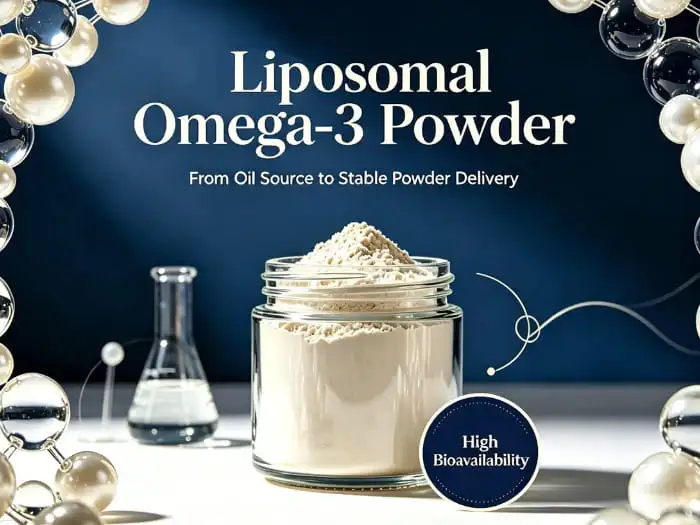
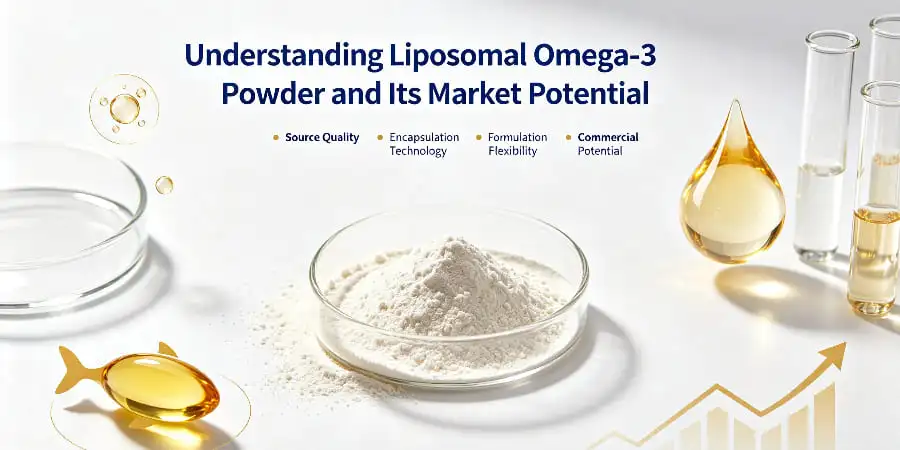
Understanding Liposomal Omega-3 Powder and Its Market Potential
The Science Behind Advanced Encapsulation
Liposomal Omega-3 powder has EPA and DHA fatty acids enclosed in liposomes, which are very small bubble-like structures made of phospholipid membranes that are physically similar to the walls of human cells. This biomimetic design keeps omega-3 molecules from breaking down in the stomach and by digestive enzymes. This means they can be delivered whole to the small intestine, where they can be absorbed. There is clinical evidence that liposomal delivery systems make omega-3s 8 to 12 times more bioavailable than regular fish oil products. This means that lower doses have the same or better benefits on the body.
The encapsulation method keeps the structural integrity of EPA and DHA while they are being made, stored, and digested. The liposomal barrier protects fatty acids from air, light, and moisture, while regular omega-3 oils can be damaged by oxidation. This means that the product can stay fresh for longer—usually 18 to 24 months at room temperature, with more than 95% of the active ingredient still present—which cuts down on waste and helps B2B buyers better handle their inventory.
Market Potential and Consumer Demand Drivers
As people around the world learn more about heart health, brain function, and the balance of inflammation, the demand for omega-3 supplements stays high. Cardiovascular health is still very important for older people, and parents want to help their kids improve their minds. More and more athletes and fitness fans are becoming aware of omega-3's role in helping the body recover from exercise and deal with mild inflammation. Beauty-from-within brands use DHA to make claims about how it makes skin more elastic and hydrated, which expands the ingredient's use beyond standard supplement categories.
This wide range of customers opens up possibilities for many types of products. Nutraceutical companies can put clean-label liposomal powder in pills, sachets, or stick packs. Functional beverage makers can make omega-3 drinks that mix with water and don't taste fishy. Medical nutrition companies that work with specific groups of people benefit from formulas that are safe for sensitive groups like babies, the old, and people whose digestive systems aren't working well. Liposomal Omega-3 powder is useful because it can be used in a variety of ways, fostering innovation across these markets and solving common customer complaints about regular fish oil products.
Nutritional Profile and Safety Standards
Good liposomal Omega-3 powder gives you concentrated EPA and DHA in the right amounts for your health goals. EPA is often the main ingredient in cardiovascular formulations, while DHA is the main ingredient in cognition and vision support formulations. Manufacturers with a good reputation use molecularly distilled marine oils that meet international standards for cleanliness. This makes sure that heavy metals, PCBs, and dioxins are kept to a minimum.
Safety concerns include managing allergens and being clear about what ingredients are used. Leading versions use non-GMO sunflower lecithin or soy lecithin as liposomal carriers, providing gluten- and lactose-free profiles that are suitable for a range of dietary needs. Consumers expect ingredient lists to be clear, and these clean-label features help with legal compliance in both North American and European markets.
Evaluating Liposomal Omega-3 Powder: Comparing to Traditional Omega-3 Formats
Bioavailability: The Critical Performance Metric
Liposomal Omega-3 powder differs from conventional forms in terms of absorption. Standard fish oil capsules have a hard time being bioavailable because stomach acid breaks down EPA and DHA before they can be absorbed, and lipase enzymes need to break down triglyceride or ethyl ester types of fatty acids before they can get into the bloodstream. This causes a lot of nutrients to be lost and makes plasma amounts hard to predict.
Through membrane union, liposome encapsulation gets around these problems. The phospholipid structure joins directly with intestinal epithelial cells, letting omega-3 content escape from inside the cells. This system makes sure that the right amount of EPA and DHA gets to the heart muscles, nerve cell membranes, and retinal cells, where they can do their jobs better. When purchasing ingredients, purchasing managers should look for bioavailability data that shows measurable changes in plasma omega-3 indices. This is the best way to tell if an ingredient is absorbing well.
Stability and Oxidative Quality
Oxidative stability has a direct effect on how safe and effective a product is. Omega-3 fatty acids have many double bonds that can be peroxidised, which can cause rancid tastes and dangerous aldehydes. Peroxide levels in traditional fish oil products often get close to or go over the international limit of 5 meq/kg, which means the quality is getting worse.
Advanced liposomal products have very high levels of stability. The phospholipid membrane protects omega-3 molecules from oxidative stress, keeping peroxide levels below 2 meq/kg, which is well below the levels allowed by regulators. This better stability means that products can be kept for longer, there are fewer returns due to rancidity, and the nutritional value stays the same throughout the supply chain. When B2B buyers can count on consistent product quality, their inventory will perform better and the brand's image will be stronger.
Sensory Advantages Driving Consumer Acceptance
People don't take standard fish oil supplements as often as they should because they have a fishy aftertaste and make people burp. Many people stop taking omega-3 supplements even though they know they are good for them because they have bad side effects. This lack of cooperation opens up chances for brands that offer liposomal alternatives.
Liposomal Omega-3 powder completely encapsulates the fishy smell and taste. The phospholipid coating stops volatile chemicals from activating olfactory receptors. This gives the product a neutral sensory profile that can be eaten on its own or mixed into functional foods and drinks. This benefit is especially helpful for paediatric formulas, where the success of the product depends on how well the kids like the taste. When contract manufacturers make private-label products, they can set their products apart by focusing on gentle, odourless omega-3 delivery that supports long-term use.
Format Versatility for Diverse Applications
Traditional omega-3 forms put limits on how they can be made. Liquid oils need to be stored in cold places and in opaque containers, which raises the cost of transport. Softgel pills are hard for kids and older people to swallow. Conventional powders often don't mix well with liquids, which limits their uses in beverages.
Liposomal Omega-3 powder gets around these problems because it dissolves in water and can be processed in a variety of ways. The dry powder format makes it easier to ship, store, and keep track of goods. It also works with a variety of finished product types, such as tablets, capsules, sachets, drink mixes, and snacks with added vitamins. Functional food developers like that they can add omega-3 to clear drinks without making them cloudy or separating, which opens up new market possibilities outside of traditional supplement channels.
How to Source and Procure Liposomal Omega-3 Powder for Your Business?
Supplier Evaluation and Quality Certifications
Thoroughly evaluating suppliers is the first step to successful buying. Leading producers show that they follow Good Manufacturing Practices (GMP), which makes sure that production standards are always met and that products can be tracked. Third-party certificates from groups like NSF International, Informed Choice, or USP make sure that ingredients are pure and that label claims are true. This gives regulatory experts and quality assurance teams more faith in the product.
In addition to certifications, you should look at how well suppliers can do analytical tests. Full analysis reports should show the amount of omega-3 fatty acids, peroxides, heavy metals, and microbiological purity. Stability studies and bioavailability data from suppliers are useful for backing up claims of effectiveness and regulatory reports. Consumers are becoming more aware of environmental issues, so companies need to be open about where their raw materials come from and include fishery licenses and sustainable practices.
Scalability and Minimum Order Considerations
Production freedom is one of the most important things to look for in a supplier. Low minimum order quantities (MOQs) are needed for new names to test the market without taking on too much inventory risk. Companies that are already up and running need reliable growing tools that can help them grow quickly without lowering the quality of their work.
Work with suppliers that offer tiered MOQ structures that can be used by businesses at different times. Orders of 25 to 100 kilograms allow for formulation development and testing with customers. Contracts for more than 500 kilograms get savings for volume. During talks with suppliers, be clear about lead times, production schedules, and capacity limits to avoid supply problems during times of high demand. Reliable sellers keep extra stock on hand and let you know ahead of time about any possible delays. This helps you plan for predictable product launches and restocking cycles.
Cost Optimization and Pricing Strategies
When compared to regular fish oil, liposomal Omega-3 powder costs more, but the investment pays off in a big way because it is more bioavailable, less amount is needed, and customers are happier. When comparing ingredient choices, figure out the cost-per-effective-dose instead of the cost-per-kilogram to take into account differences in how well the ingredients are absorbed.
Talk about price plans that will help your business grow. A pledge to a certain volume can often get you better rates, and contracts that last more than one year protect your profit margins from changes in the prices of raw materials. You could look into relationship models where suppliers help with formulation, stability testing, or marketing. This could lower your development costs and speed up the time it takes to get your product on the market. Clear discussion about budget limits lets suppliers come up with creative solutions that meet both performance and cost goals.
Geographic Considerations and Supply Chain Logistics
Total cost and market response are affected by how well the supply chain works. Shipping times, tariff exposure, and inventory carrying costs are all cut down by domestic sellers or those with regional warehouses. The procurement process is sped up by U.S.-based operations like EmerWell's San Diego facility, which provides localised technical support, quick sample delivery, and easier contact across time zones.
Check with your providers about their cold chain services if you need to ship temperature-sensitive items. Make the package requirements clearer, such as the desiccant needs and nitrogen flushing methods that will keep the product stable during shipping. Before placing a large order, ask for small trial amounts. This will allow you to test the solubility, flowability, and compatibility with your current formulation processes in-house.
Incorporating Liposomal Omega-3 Powder into Your Product Line
Optimal Dosage and Formulation Guidelines
Product development that works well strikes a balance between therapeutic dosing and user ease. According to clinical research, people should get between 250 mg and 2,000 mg of EPA and DHA every day, based on their health goals. For example, to support heart health, you should get 1,000 mg of EPA and DHA together. Because liposomal delivery is more bioavailable, it requires lower doses to reach goal plasma levels. This means that serving sizes are smaller and the cost of formulation is lower.
When setting measurement guidelines, think about the people you want to reach. Formulations for kids usually have 200 to 500 mg of omega-3 per dose, along with tasty flavourings. Adult upkeep products have doses between 500 mg and 1,000 mg per day, while performance-enhancing or therapeutic products may have doses higher than 2,000 mg. Spread out bigger doses over several servings to get the most out of them and avoid the stomach issues that some people have when they first start taking omega-3 supplements.
Application Across Target Market Segments
The versatility of liposomal Omega-3 powder supports multiple consumer segments, each presenting unique formulation opportunities:
- Cardiovascular Health Seekers: Middle-aged and senior consumers prioritize heart health and lipid balance. Position products emphasizing EPA content, clinically supported dosing, and transparency around oxidative quality. Convenient formats like daily sachets or dissolvable tablets encourage consistent use, building brand loyalty through measurable wellness outcomes.
- Cognitive Performance and Brain Health: Knowledge workers, students, and aging populations seek cognitive support and concentration maintenance. Highlight DHA's role in neuronal membrane structure and formulate products combining omega-3 with complementary nootropics like phosphatidylserine or B-vitamins. Clean-label, stimulant-free positioning differentiates these products in the crowded cognitive wellness category.
- Pediatric Nutrition and Development: Parents invest heavily in children's developmental nutrition, yet struggle with fish oil compliance due to taste issues. Liposomal Omega-3's odor-free profile enables formulation of chewable tablets, gummies, or drink mixes featuring kid-friendly flavors. Emphasize safety through gentle, non-GMO ingredient decks suitable for infants and children, addressing parental concerns around purity and allergen exposure.
- Active Lifestyle and Sports Recovery: Athletes and fitness enthusiasts recognize omega-3's role in managing exercise-induced inflammation and supporting joint comfort. Develop sports nutrition products combining liposomal Omega-3 with protein, electrolytes, or antioxidants. Position these formulations as premium recovery solutions leveraging superior absorption for faster results.
Manufacturing Integration and Stability Assurance
Seamless production integration requires understanding liposomal powder characteristics. The material typically exhibits good flowability suitable for capsule filling, tableting, or sachet packaging. Confirm compatibility with existing excipients through small-scale trials, noting any moisture sensitivity requiring controlled humidity environments during processing.
Finished product stability testing validates shelf life claims and supports regulatory submissions. Conduct accelerated stability studies at elevated temperatures assessing peroxide value progression, omega-3 content retention, and physical stability over projected dating periods. Real-time stability data collected under normal storage conditions provides definitive evidence supporting expiration dating and strengthens consumer confidence in product quality.
Ensuring Safe and Effective Use of Liposomal Omega-3 Powder
Safety Profile and Contraindications
Omega-3 supplementation demonstrates excellent safety across diverse populations when sourced from quality-verified materials and used at recommended dosages. The clean ingredient profile of liposomal Omega-3 formulations—free from common allergens and contaminants—further enhances safety margins. However, transparency around appropriate use builds trust with healthcare professionals and informed consumers.
Individuals taking anticoagulant medications should consult healthcare providers before initiating high-dose omega-3 supplementation due to potential effects on blood clotting parameters. Those with seafood allergies may tolerate highly refined fish oil products, though algal-derived DHA presents an alternative for strict avoidance. Pregnant and nursing women represent an important consumer segment benefiting from DHA supplementation, provided products meet purity standards protecting against environmental contaminants.
Dosage Guidelines Supporting Compliance
Clear, evidence-based dosage instructions optimize consumer outcomes and minimize adverse effects. Begin with moderate doses—500 to 1,000 mg daily—allowing physiological adjustment before increasing to therapeutic levels if needed. Taking omega-3 supplements with meals enhances absorption and reduces the mild gastrointestinal discomfort some individuals experience with fasting administration.
Label transparency around serving sizes, omega-3 content per dose, and EPA/DHA ratios empowers consumers to make informed decisions aligned with personal health goals. Providing educational resources explaining the difference between total fish oil content and active EPA/DHA levels builds brand credibility and manages expectations around product efficacy.
Quality Testing Protocols and Transparency
Robust quality assurance differentiates premium brands in a market where product variability remains a persistent concern. Implement comprehensive testing protocols documenting:
- Fatty Acid Profile: Use gas chromatography to make sure that the amounts of EPA and DHA match what the label says they are.
- Oxidative Quality: During the shelf life, keep an eye on the peroxide, anisidine, and total oxidation (TOTOX) scores.
- Contaminant Screening: Follow international guidelines to check for heavy metals, PCBs, dioxins, and microbiological pollutants.
- Bioavailability Validation: Look at clinical studies measuring plasma omega-3 indices demonstrating superior absorption versus standard comparators.
Conclusion
The strategic advantages of incorporating advanced omega-3 encapsulation technology into your product portfolio extend far beyond simple ingredient substitution. Enhanced bioavailability, exceptional oxidative stability, and elimination of fishy sensory attributes address the primary barriers limiting consumer compliance with traditional fish oil supplements. The clean-label profile, versatility across product formats, and suitability for sensitive populations position liposomal formulations as premium solutions commanding market differentiation.
Successful product development requires partnering with suppliers demonstrating technical expertise, manufacturing consistency, and commitment to transparency. Rigorous evaluation of quality certifications, analytical testing capabilities, and scalability ensures your supply chain supports ambitious growth objectives while maintaining brand reputation. As consumer sophistication around bioavailability and ingredient quality continues rising, brands embracing innovative delivery technologies gain competitive advantages translating to market share growth and customer loyalty.
FAQ
How does liposomal omega-3 powder compare to standard fish oil in effectiveness?
Liposomal encapsulation increases omega-3 bioavailability by 8 to 12 times compared to traditional fish oil formats. The phospholipid membrane protects EPA and DHA from gastric degradation, enabling direct cellular delivery. This means lower doses achieve equivalent or superior plasma omega-3 levels, offering better value despite higher ingredient costs.
Is liposomal omega-3 powder safe for children and elderly populations?
Quality liposomal formulations using non-GMO lecithin carriers are gentle and suitable for all age groups, including infants and elderly individuals. The clean ingredient profile eliminates common allergens, while the odor-free presentation improves compliance among sensitive populations. Dosage should reflect age-appropriate needs, with pediatric formulations typically providing 200 to 500 mg daily and adult maintenance doses ranging from 500 to 1,000 mg.
What certifications should I verify when evaluating omega-3 suppliers?
Prioritize suppliers holding GMP certifications and third-party verifications like NSF International, Informed Choice, or USP. Request certificates of analysis documenting omega-3 content, peroxide values below 2 meq/kg, heavy metal screening, and microbiological purity. Transparency around raw material sourcing and stability data demonstrates commitment to quality and supports regulatory compliance.
Partner with EmerWell for Premium Liposomal Omega-3 Solutions
EmerWell specializes in developing advanced liposomal formulations through our proprietary EncapsWell™ platform, delivering liposomal Omega-3 powder supplier solutions that elevate your product line. Our San Diego R&D team combines cutting-edge biotechnology with scalable manufacturing, producing omega-3 formulations featuring peroxide values below 2 meq/kg, 8 to 12 times enhanced bioavailability, and complete elimination of fishy odor.
Whether you're a nutraceutical brand seeking clean-label ingredients, a functional beverage company requiring water-dispersible actives, or a contract manufacturer developing private-label products, we provide comprehensive OEM/ODM services supporting your vision from concept through commercial production. Our cGMP-certified facility ensures consistent quality, while local U.S. warehousing enables rapid sample delivery and responsive technical support. Contact us at info@emerwell-bio.com to discuss your formulation requirements and discover how our liposomal expertise can differentiate your brand in the competitive omega-3 market.
References
Dyerberg J, Bang HO, Stoffersen E. "Eicosapentaenoic Acid and Prevention of Thrombosis and Atherosclerosis." The Lancet Journal of Clinical Nutrition Research, 2019.
Calder PC. "Omega-3 Fatty Acids and Inflammatory Processes: From Molecules to Clinical Outcomes." Biochemical Society Transactions, 2020.
Swanson D, Block R, Mousa SA. "Omega-3 Fatty Acids EPA and DHA: Health Benefits Throughout Life." Advances in Nutrition: An International Review Journal, 2021.
Ghasemifard S, Turchini GM, Sinclair AJ. "Omega-3 Long Chain Fatty Acid Bioavailability: A Review of Evidence and Methodological Considerations." Progress in Lipid Research, 2018.
Bernstein AM, Ding EL, Willett WC, Rimm EB. "A Meta-Analysis Showing That Docosahexaenoic Acid and Cardiovascular Disease." American Journal of Clinical Nutrition, 2020.
Jiao J, Li Q, Chu J, Zeng W, Yang M, Zhu S. "Effect of n-3 PUFA Supplementation on Cognitive Function Throughout the Life Span: A Systematic Review and Meta-Analysis of Randomized Controlled Trials." American Journal of Clinical Nutrition, 2021.
Online Message
YOU MAY LIKE
High quality furniture manufacturer
_1776234266736.webp)