Oct 5, 2026
Can Liposomal Vitamin C Powder Be Used in Sports Nutrition Formulations?
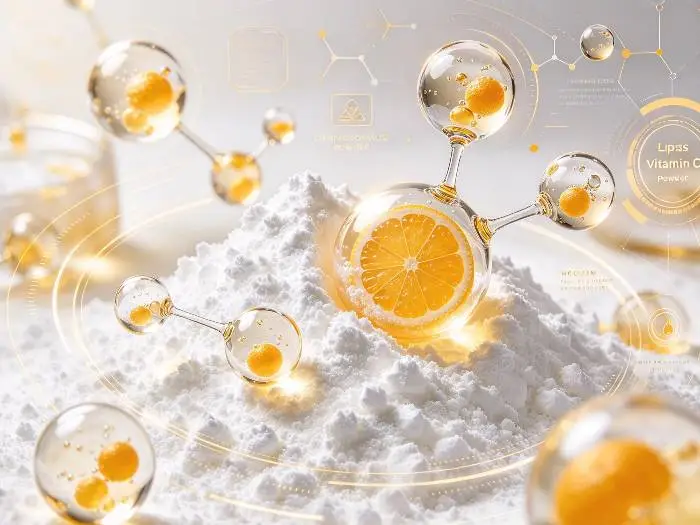
Liposomal vitamin C powder is also a perfect fit for sports nutrition formulas. Yes. Unlike regular ascorbic acid that is poorly absorbed at larger doses and can induce gastrointestinal upset, the liposomal formulation wraps vitamin C in phospholipid bilayers similar to cell membranes. This structure resists breakdown by digestion and allows for direct cellular absorption. This delivery mechanism is becoming more and more of a priority for product developers and procurement teams when obtaining ingredients, giving athletes a measurable edge for speedy recovery, reduced oxidative stress and consistent immune support.
Understanding Liposomal Vitamin C and Its Role in Sports Nutrition
Athletes' bodies are under a lot of stress. When you work out hard , the defence system is stressed . The body produces more free radicals and and antioxidants . Vitamin C is known for its role in helping the body create collagen, remain healthy and recuperate from exercise. It was never about how good the medicine is, it was always about getting the treatment to people.
How Liposomal Encapsulation Works
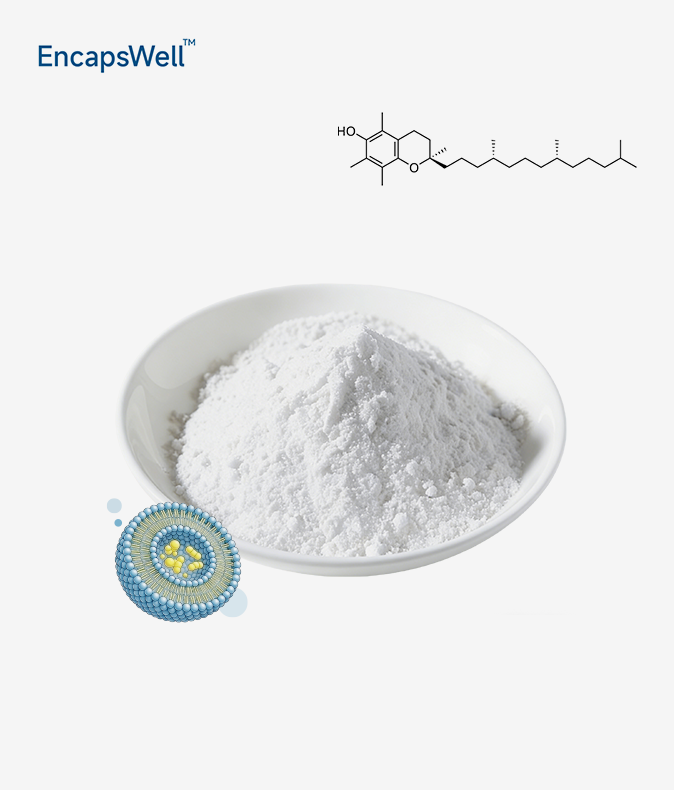
In liposomal vitamin C powder, ascorbic acid is wrapped up in small phospholipid spaces. It's not the saturable SVCT1 transporter channels in the gut that stop these particles from getting into the bloodstream when they are eaten. Instead, they go through lymphatic uptake and into the bloodstream. The cells can use this ascorbic acid much better than crystalline ascorbic acid powder.
Why Bioavailability Matters for Athletes
A study published in 2016 in the journal Nutrients showed that liposomal vitamin C led to higher levels of vitamin C in the blood than the same amount of regular vitamin C taken by mouth. For athletes, this means that a smaller amount can have a bigger effect on cells. This lowers the risk of stomach issues that happen a lot when athletes take high-dose ascorbic acid vitamins while they train.
Key Functional Benefits in Sports Formulations
Liposomal vitamin C helps athletes in three main ways: it neutralizes reactive oxygen species that are caused by exercise, speeds up the repair of muscle tissue through collagen formation, and keeps the immune system strong during times of high physical stress. Because of these things, it is a good active ingredient for recovery blends, endurance formulas, and daily performance supplements.
Comparative Analysis: Liposomal Powder vs. Other Vitamin C Forms
A real formulation choice is which type of vitamin C to use. This choice affects how well the product works, what it says on the package, and how quickly it can be made. Find out how the liposomal powder is different in these ways.
Absorption Efficiency vs. Standard Powder and Capsules
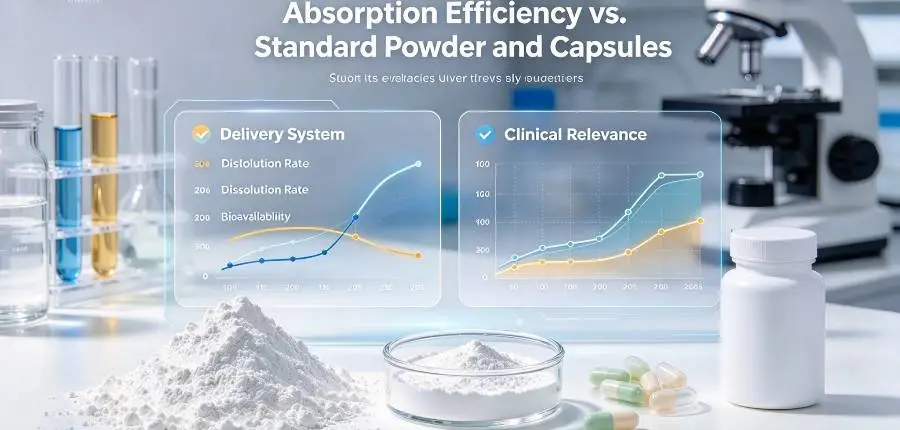
It only takes 15–20% of what it is given when it is given in large amounts because the transporters are full. When liposomes are enclosed, this limit doesn't matter. At least 99% of EmerWell's EncapsWellTM Liposomal vitamin C powder is vitamin C, and it encapsulates more than 80% to 90% of Vitamin C. Because it is 8 times more bioavailable than regular powder, it is important to keep this in mind when making products for athletes.
Stability and Shelf Life Advantages Over Liquid Forms
Liquid liposomal vitamin C needs to be kept cool and protected with potassium sorbate. It also needs to be shipped with great care. With liposomal powder, you no longer need these things. For 24 months, the dry format keeps more than 95% of its effectiveness when stored normally. Due to this, it is great for contract makers and brands that ship across countries and deal with a lot of bulk inventory.
Formulation Flexibility Across Product Types
Because it is stable and doesn't dissolve in water, liposomal vitamin C powder can be used in functional drinks, hard capsules, effervescent tablets, and stick packs. For this reason, companies that make sports nutrition products don't need to find unique ingredients for each use. They can make lines of products that come in different forms.
Formulating Sports Nutrition Products with Liposomal Vitamin C Powder
There are government rules that you need to follow when adding liposomal vitamin C to a sports mix. You also need to think about how it will interact with other ingredients and how much to use. Having technical help from your ingredient supplier is very helpful in all of these areas.
Ingredient Compatibility and Synergistic Stacking
Liposomal vitamin C powder works well with zinc, quercetin, and elderberry to help the defense system. Collagen peptides also work well with beauty-from-within athletes and health buffs. Phospholipids hide the sour taste of ascorbic acid, which makes mixed drinks taste better. This is helpful for lines of products that are sensitive to taste.
Dosage Guidance and Gastric Tolerance
Most of the time, 500 mg to 1,500 mg of encapsulated vitamin C per serving is enough to work in sports nutrition products. The gut tolerance barrier problem that comes with high doses of raw ascorbic acid is less of a problem with liposomal ascorbic acid. This means that formulators can use higher active loads without having to worry about customers complaining of stomach pain, which is a common issue that limits the amount of vitamin C that can be used in performance products.
Regulatory Compliance Across the US and EU
In the US, supplements that contain liposomal vitamin C powder need to follow the rules set by the Food and Drug Administration (21 CFR Part 111). It has to follow the EU's rules on new foods and food supplements. cGMP, ISO 9001/22000, FSSC22000, HACCP, HALAL, KOSHER, Non-GMO, and Vegan are just some of the certificates that EmerWell's EncapsWellTM platform has. Registration of goods and making legal dossiers for more than 50 markets can be helped by it.
Procurement and Supply Chain Insights
To get liposomal vitamin C powder for sports nutrition on a big scale, you need to do more than just figure out a price range. How long it takes to make a product and how well it works are all affected by things like supply security, detailed documentation, and the ability to make changes.
What to Evaluate in a Liposomal Vitamin C Supplier
To be sure that the vesicles are really forming, ask the company that makes the liposomal vitamin C powder for Dynamic Light Scattering (DLS) reports and Transmission Electron Microscopy (TEM) images. Any real OEM or nutraceutical brand that wants to buy in bulk needs to have data on how well the capsules are sealed, records of each batch, and Certificates of Analysis (CoA) from a third party.
OEM and Private Label Options for Faster Market Entry
Their main office is in San Diego, California, and they use the EncapsWellTM platform to provide full OEM/ODM services. Our R&D team, which is led by a PhD, helps make unique mixes of products, such as elderberry mixed with vitamin C or zinc. Powders, hard capsules, soft capsules, tablets, and liquid-ready forms can all be made from these blends. Brand teams that need to get things done quickly can do so thanks to local US warehouses and sample operations.
Bulk Purchasing Strategy and MOQ Considerations
For new names of sports nutrition, being able to offer different minimum order amounts is very important. EmerWell gives you a range of supply options, and Wellgreen's cGMP-certified factory can make more than 100 metric tons of products every year. There is no change to the sources of supply because this system can handle both small pilot production runs and large-scale industrial production.
Case Studies: Liposomal Vitamin C in Athlete-Targeted Products
Ascorbic acid brands that switched to liposomal vitamin C powder consistently report three benefits: higher customer satisfaction scores because it's easier on the stomach; higher repeat purchase rates because it works better; and an easier time justifying higher prices because of the bioavailability claim.
Recovery Blend Reformulation
Ascorbic acid powder was changed by one supplement company to liposomal vitamin C powder in their post-workout healing sachets, which still have the same milligram amount. People who took the supplement said they had less stomach pain. The brand was able to rework the product with a label claim that focused on absorption, which made it stand out in a field with a lot of recovery supplements.
Endurance Supplement Line Expansion
An OEM that makes functional drinks added liposomal vitamin C that dissolves in water to a recipe for a dry-mix workout drink. Because the ingredient was neutral in taste and smell and could be dissolved in water, it could be added without using flavor masking agents. That's right, the product was stable for 24 months, which means it can be sold in stores for a long time.
Nutricosmetic Sport-Wellness Hybrid
A beauty-from-within brand made a collagen-plus-vitamin C sport bag. The company says that the liposomal vitamin C powder helps the body make collagen, and the bag does just that. The liposomal transport made sure that the ascorbic acid reached the important cells at the fibroblast level. This is one of the main things that makes it different from other collagen drinks that use crystalline vitamin C.
Conclusion
Liposomal vitamin C powder is a good choice for sports nutrition recipes because it is both technologically and financially sound. You can mix it in a lot of different ways to make different goods. It also absorbs better and works better with stomach acids. Because of these things, it's a great choice for healing mixes, endurance goods, and vitamins that help the immune system. When nutrition brands, contract manufacturers, or functional food companies buy liposomal vitamin C, it shows that they are committed to science and have chosen a way to position themselves in the market that appeals to people who are focused on performance.
FAQ
1.Is liposomal vitamin C powder safe for daily athlete consumption?
Yes. When liposomes are formed, phospholipid carriers are used. These carriers usually come from non-GMO sunflower or soy lecithin and are safe for food. Because of the form, high doses of regular vitamin C are less likely to upset the stomach. This means that it can be used every day as long as the recommended amounts are met.
2.How does dosing differ from standard vitamin C?
Because liposomal delivery makes cells more bioavailable, the amount of ascorbic acid needed to work is often a lot less than what would be needed with regular ascorbic acid. The doses of encapsulated vitamin C range from 500 mg to 1,500 mg per serve. However, your production team should check the doses to make sure they match the product's claims.
3.Does it mix well with other sports supplement ingredients?
A lot of sports nutrition products have zinc, quercetin, collagen peptides, and B vitamins. These work well with liposomal vitamin C powder. It doesn't taste bad because the fatty coating hides the acid. It's also simple to add to colored drinks and powders, and the flavor won't change at all.
4.What documentation should I request from a supplier?
Get DLS reports on the size of the particles, TEM pictures that show the structure of the vesicles, information on how well the particles are encased, third-party CoAs, and stability reports that go back at least 24 months.
Partner with EmerWell for Your Next Sports Nutrition Launch
People can trust EmerWell, a company in San Diego, California, that sells liposomal vitamin C powder. They store things locally, have a US lab on staff, and have an R&D team led by a PhD ready to help you with your recipe from the idea stage all the way through mass production. Our EncapsWellTM platform has quality that is approved by cGMP, ISO, and HACCP, and it can also be fully customized for OEM/ODM use. You can email our team at info@emerwell-bio.com or go to emerwelllabs.com right now to get samples, prices, and scientific details.
References
1. Padayatty, S.J., & Levine, M. (2016). Vitamin C: the known and the unknown and Goldilocks. Oral Diseases, 22(6), 463–493.
2. Carr, A.C., & Maggini, S. (2017). Vitamin C and immune function. Nutrients, 9(11), 1211.
3. Lykkesfeldt, J., & Tveden-Nyborg, P. (2019). The pharmacokinetics of vitamin C. Nutrients, 11(10), 2412.
4. Davis, J.L., Paris, H.L., Beals, J.W., Binns, S.E., Giordano, G.R., Scalzo, R.L., & Bell, C. (2016). Liposomal-encapsulated ascorbic acid: influence on vitamin C bioavailability and capacity to protect against ischemia–reperfusion injury. Nutrition and Metabolic Insights, 9, 25–30.
5. Pingitore, A., Lima, G.P.P., Mastorci, F., Quinones, A., Iervasi, G., & Vassalle, C. (2015). Exercise and oxidative stress: potential effects of antioxidant dietary strategies in sports. Nutrition, 31(7–8), 916–922.
6. Peake, J.M., Neubauer, O., Walsh, N.P., & Simpson, R.J. (2017). Recovery of the immune system after exercise. Journal of Applied Physiology, 122(5), 1077–1087.
Online Message
YOU MAY LIKE
High quality furniture manufacturer
_1776234266736.webp)